
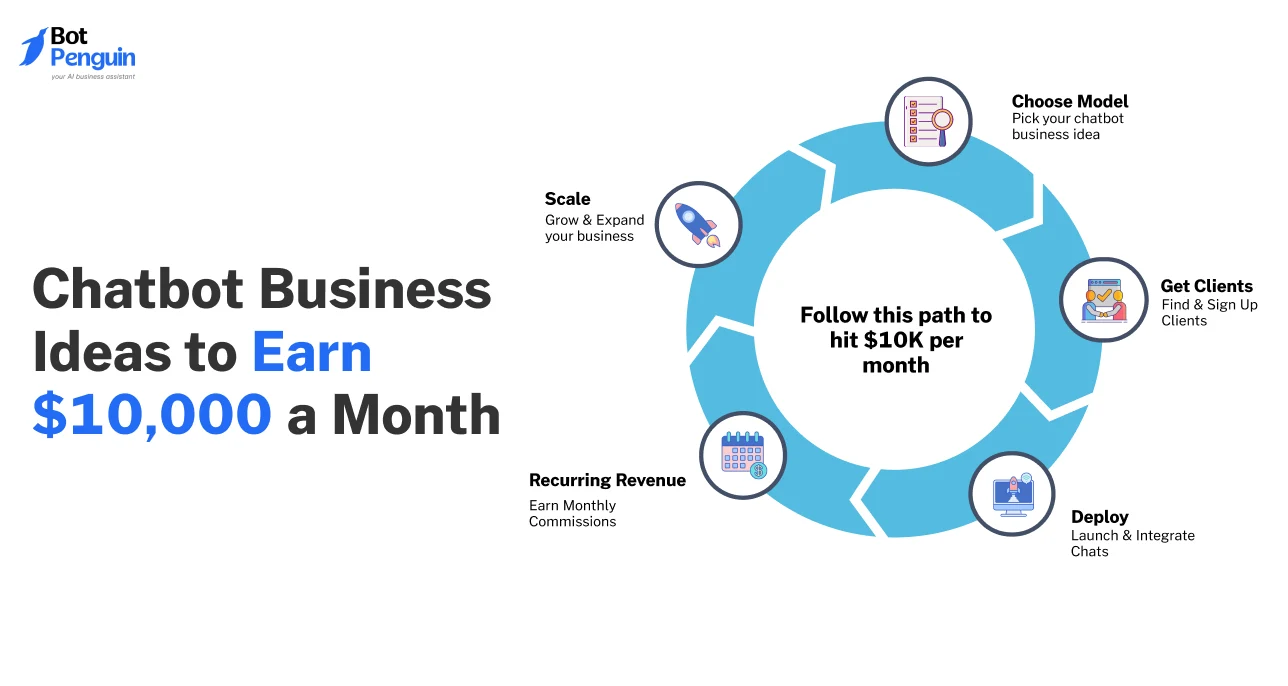


A chatbot business can be a great way to make good money. Chatbots help businesses talk to customers, sell products, and offer support 24/7.
By exploring different chatbot ideas, you can create services that businesses need. Whether you focus on online shopping, customer service, or something else, there’s a lot of potential to earn up to $10,000 a month.
With the right approach and effort, these chatbot business ideas can become a successful and profitable venture for you.
Why Chatbots are Profitable?
Chatbots have become an essential tool for businesses, offering significant profitability through growing demand, low startup costs, and scalable operations. Here’s how they contribute to profitability:
Stats Showing Chatbots Usage and Utility:
- Customer Engagement: Over the last 12 months, around 67% of global consumers have interacted with a chatbot for customer support.
- Time Savings: Chatbots are projected to save businesses over 2.5 billion hours of customer service time by 2023, greatly improving efficiency.
- Adoption Rate: By 2025, 80% of businesses are expected to implement some form of chatbot automation, reflecting the widespread adoption and utility of chatbots.
How Profitable It Is for Businesses to Use Chatbots:
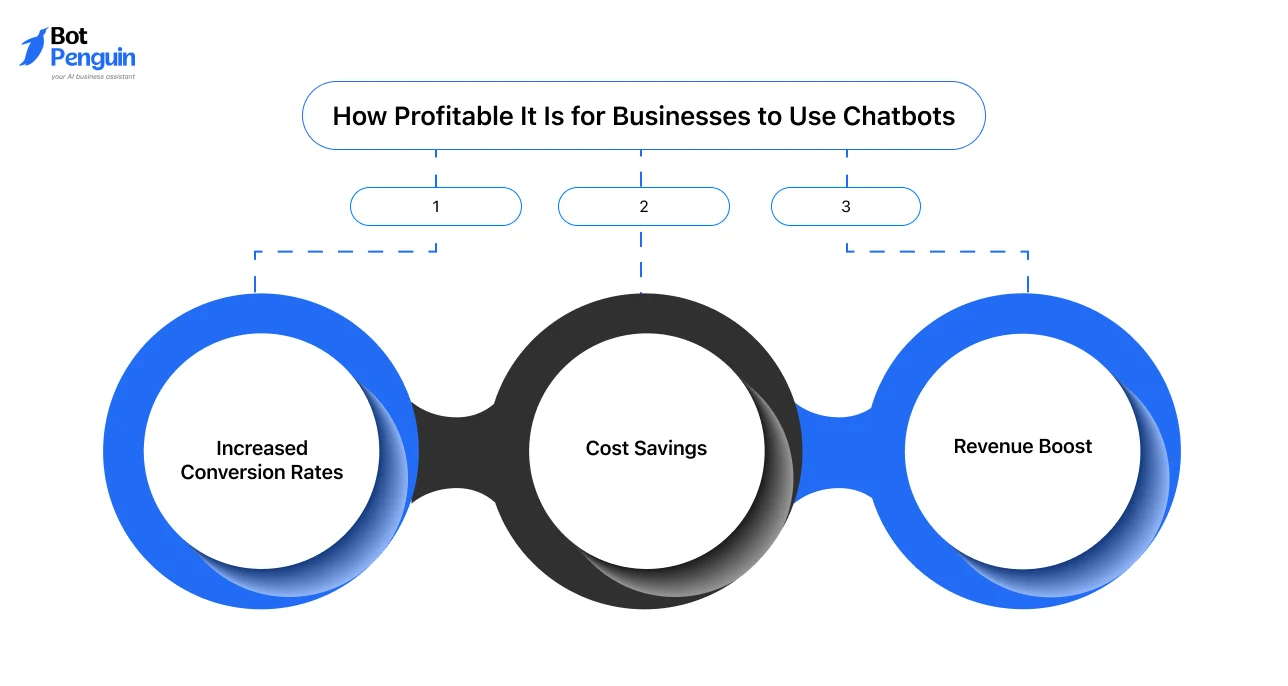
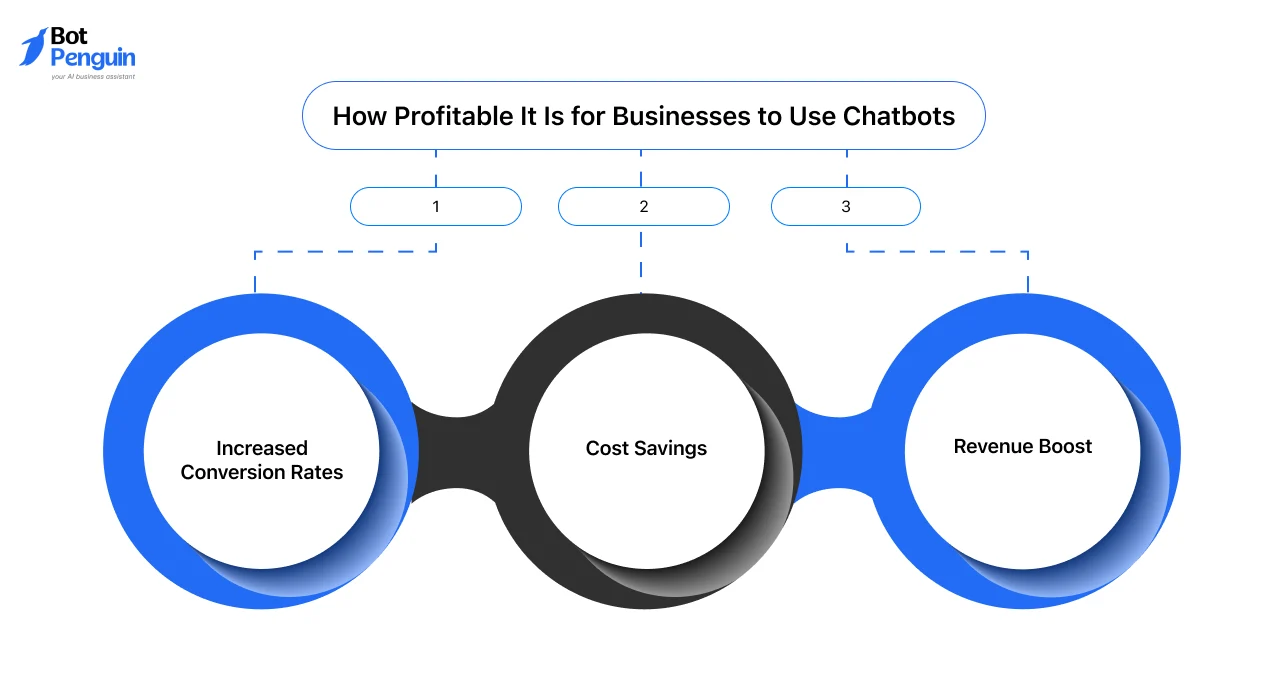
- Increased Conversion Rates: Companies using chatbots have reported a 70% increase in conversion rates, demonstrating their effectiveness at driving sales (Dashly).
- Cost Savings: Businesses save approximately 30% on customer service costs by implementing chatbots, thanks to the reduced need for human agents(Dashly).
- Revenue Boost: Businesses using chatbots have seen sales increase by an average of 67%, showcasing the direct financial benefits of chatbot implementation(Dashly).
These stats clearly show that the chatbot market is yours to take. What you need is creative Chatbot business ideas to tap into this growing market.
Tl; DR: Chatbot Business Models Comparison
20 Chatbot Business Ideas to Make Your First $10K
Discover the exciting potential of chatbots with these business ideas. From automating tasks to enhancing customer experiences, you'll find plenty of ways to make a real profit and hit your first $10K.
1. Reselling Whitelabel Chatbots
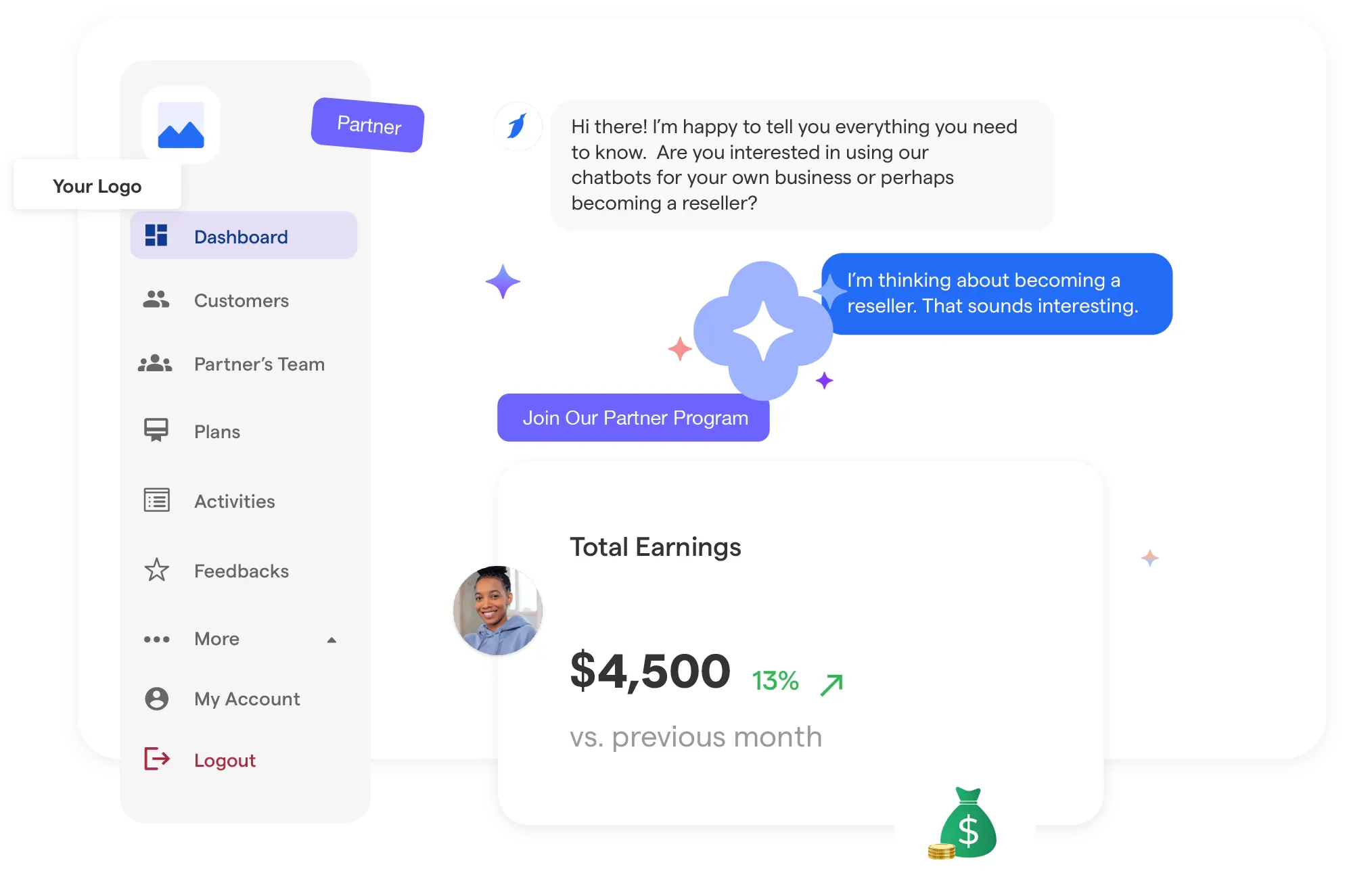
One of the best chatbot ideas for starting a business is to become a reseller of whitelabel AI chatbots. This approach allows you to rebrand an existing chatbot platform and sell it under your own name. You get the technology without needing to build it from scratch.
As a white-label reseller, you can offer custom chatbot solutions to businesses that want to improve customer service, marketing, or sales. This flexible business model allows you to control pricing, features, integration, and customer relationships, making it profitable to earn your first $10K.
With the demand for chatbots growing, this chatbot business idea offers a quick path to revenue.
Revenue Model
- Market to small and medium-sized businesses needing chatbot solutions.
- Use social media, email campaigns, and industry forums.
- Sell add-ons for messages, features, and integrations.
- Create referral programs with discounts for existing clients.
- Offer demos and exceptional customer support to retain clients.
Profit Snapshot
• Setup Time: 3 to 7 days *(12Hours with BotPenguin)*
• Investment: Low to Medium
• Monthly Income Potential: $5,000 to $20,000+
• Scalability: Very High
The best part is that zero technical knowledge is required. Even the support and training are managed by a white-label chatbot provider, helping you establish a loyal client base.

2. Chatbot Reseller Partnership
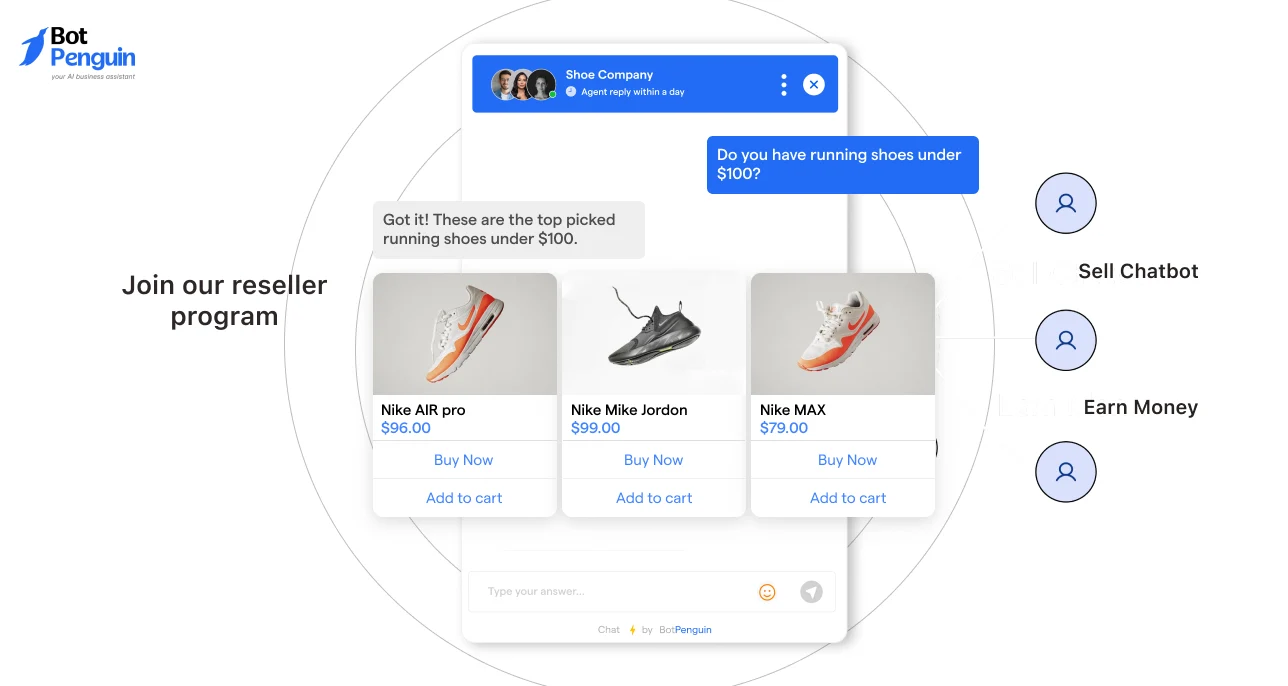
If you want to earn from chatbot demand without building your own platform, a chatbot reseller partnership is a practical and scalable business model.
Unlike white-label solutions, where you operate under your own brand, this model allows you to sell an established chatbot platform and earn recurring commissions.
You can start with low investment and minimal operational overhead, making it ideal for agencies, consultants, freelancers, and marketers who already work with business clients and want to add chatbot automation as an additional revenue stream.
You focus on client acquisition while the platform manages onboarding, infrastructure, and technical support.
Revenue Model
Earn up to 40% recurring commission on every subscription.
- Target small and medium businesses looking for automation solutions.
- Promote through LinkedIn, social media, email campaigns, and client referrals.
- Bundle chatbot services with your existing marketing or development packages.
- Scale income by onboarding multiple clients monthly.
Profit Snapshot
• Setup Time: 1 to 3 days
• Investment: Very Low
• Monthly Income Potential: $3,000 to $12,000
• Scalability: High
3. Chatbot Affiliate Program
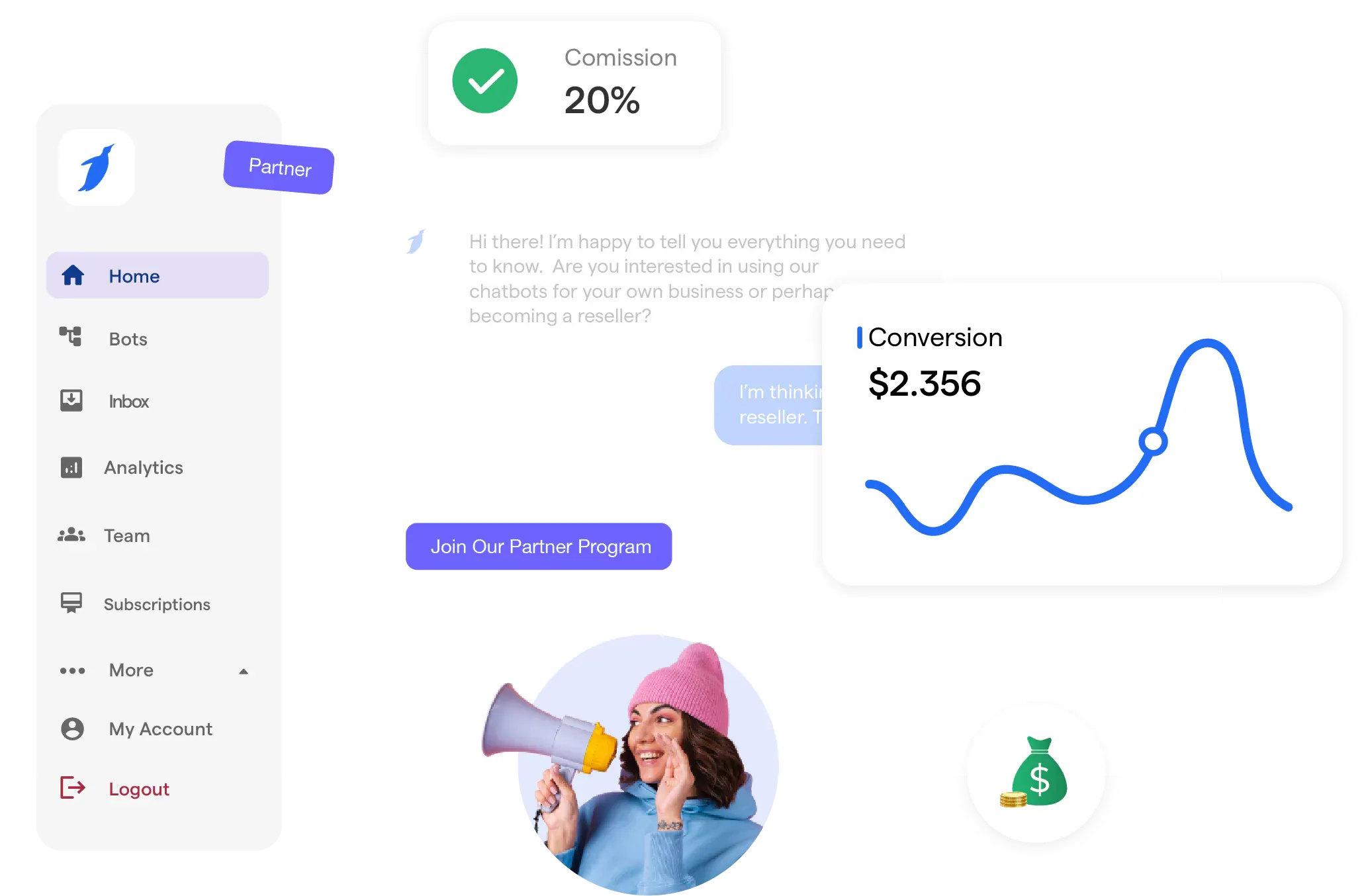
Joining a chatbot affiliate program is a straightforward way to earn money with minimal upfront investment.
As an affiliate, you promote chatbot solutions to your network and earn a commission for every sale made through your referral link.
This is one of the simpler chatbot business ideas that can be highly effective if you have a solid online presence or a niche audience interested in digital tools.
Revenue model
- Create a niche website or blog focused on digital tools or automation.
- Promote through social media (Instagram, Twitter, LinkedIn).
- Run paid ads targeting specific industries.
- Build an email list to share updates and offers.
- Focus on high-converting strategies to maximize earnings.
Profit Snapshot
• Setup Time: 1 to 5 days
• Investment: Very Low
• Monthly Income Potential: $1,000 to $8,000
• Scalability: High
The key to success here is choosing a reputable chatbot provider with a high conversion rate to ensure your efforts pay off. It’s a low-risk, high-reward business model that can quickly help you reach your $10K goal.
4. Customer Support Chatbots
Customer support chatbots are the go-to approach for handling customer service in 2024. This chatbot idea applies to industries such as e-commerce, telecom, and banking.
You can train the bots locally to answer frequently asked questions, troubleshoot issues, and facilitate returns and refunds.
Businesses can reduce response times and improve customer satisfaction by automating routine queries. Potential clients might include SMEs, large corporations, and online retailers.
Revenue Model
- Charge a monthly or annual subscription.
- Offer premium features at an additional cost.
- Provide consultation services for customization and integration.
Profit Snapshot
• Setup Time: 5 to 10 days
• Investment: Medium
• Monthly Income Potential: $3,000 to $15,000
• Scalability: High
You promote your support chatbot ideas by showcasing case studies, running targeted ads on LinkedIn, and attending industry expos.
5. E-commerce Chatbots
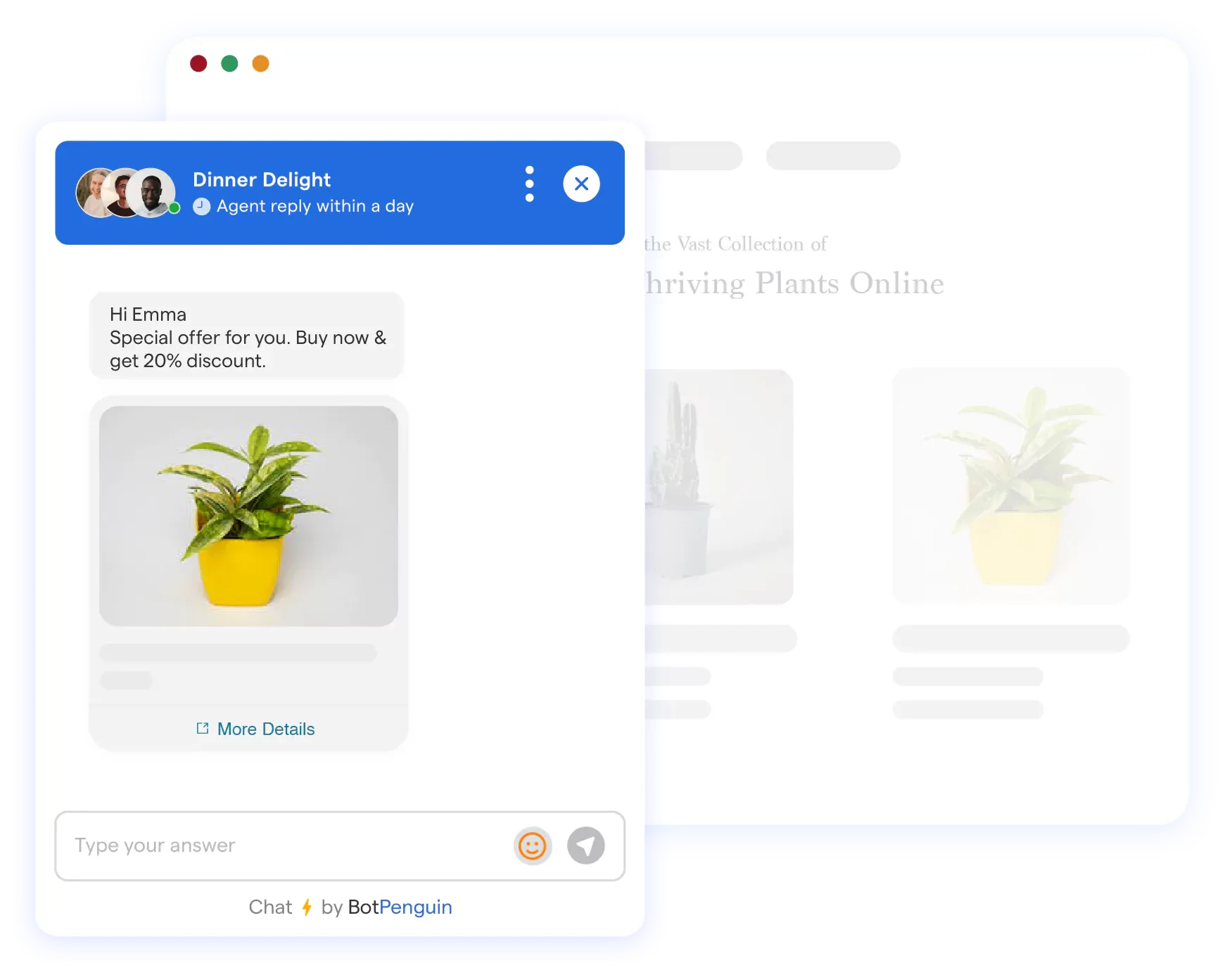
E-commerce chatbot ideas focus on boosting sales by offering personalized shopping experiences. These chatbots can recommend products, answer questions, and even handle checkout processes.
Businesses such as online stores and marketplaces are prime clients for these solutions. They help reduce cart abandonment rates and increase average order values.
Superside’s creative strategy reports highlight that 80% of consumers are more likely to purchase when brands personalize their digital interactions. An e-commerce chatbot that reflects a brand’s visual style and tone of voice can act as a seamless extension of the online store, rather than feeling like a disconnected tool.
Revenue Model:
- Charge per successful transaction or based on a subscription model.
- Offer tiered pricing for features and customization options.
- Provide add-on services, such as analytics and reporting.
Profit Snapshot
• Setup Time: 7 to 14 days
• Investment: Medium
• Monthly Income Potential: $5,000 to $25,000
• Scalability: Very High
You can promote these chatbot ideas through social media, influencer partnerships, and special offers for initial sign-ups.
6. Lead Generation Chatbots
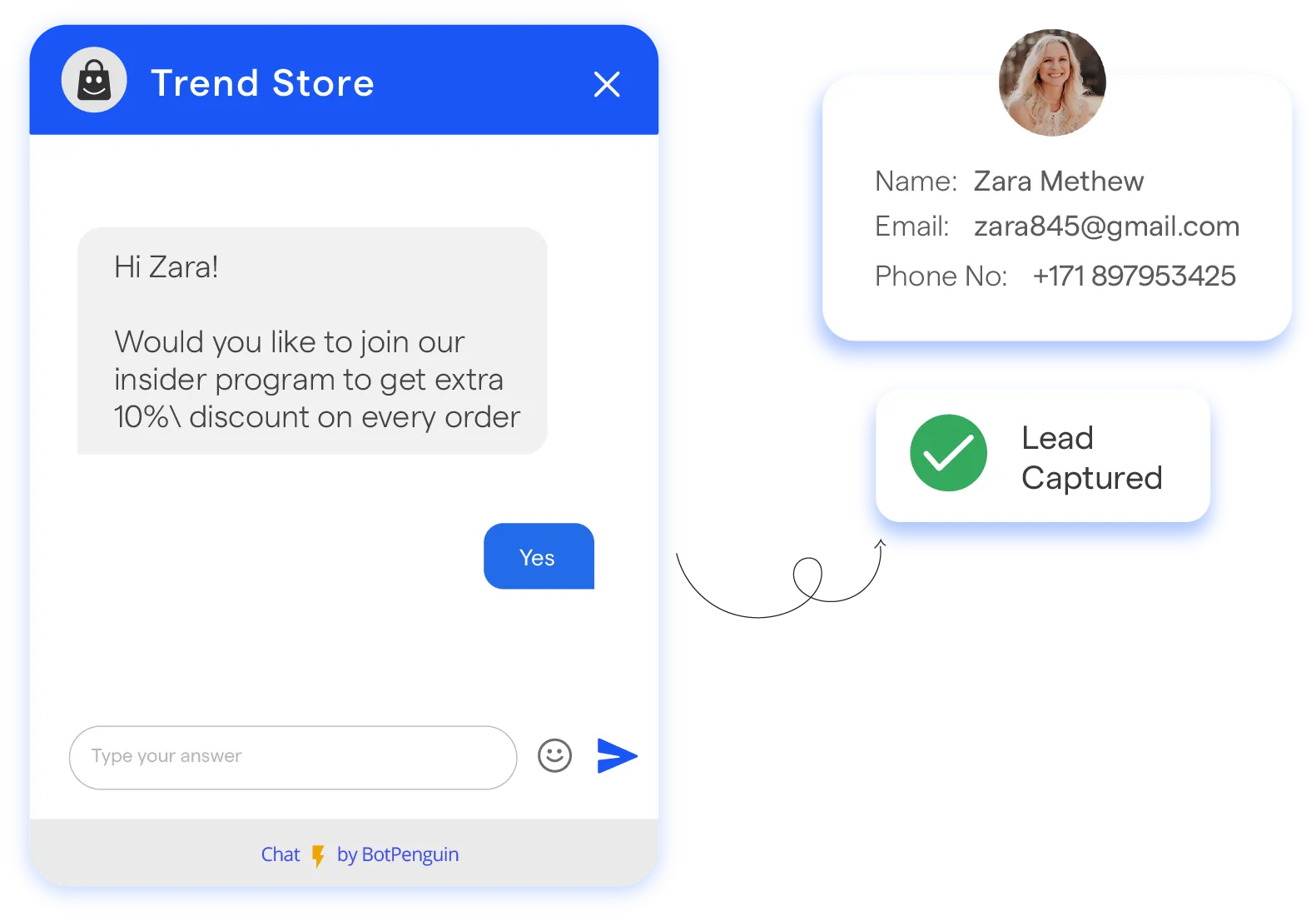
Lead generation chatbots capture and nurture leads 24/7 by asking qualifying questions and gathering contact information through conversational engagement. These chatbots are beneficial for real estate, finance, and B2B services.
After implementation, your chatbot idea can help businesses efficiently sort hot leads from cold ones and follow up accordingly.
Revenue Model
- Charge per lead or a subscription fee.
- Offer advanced features for an additional cost.
- Create a commission-based model for successful conversions.
Leverage SEO, Google Ads, and LinkedIn campaigns as marketing channels to attract attention and monetize your chatbot idea.
Profit Snapshot
• Setup Time: 3 to 7 days
• Investment: Low
• Monthly Income Potential: $4,000 to $18,000
• Scalability: High
7. Appointment Scheduling Chatbots
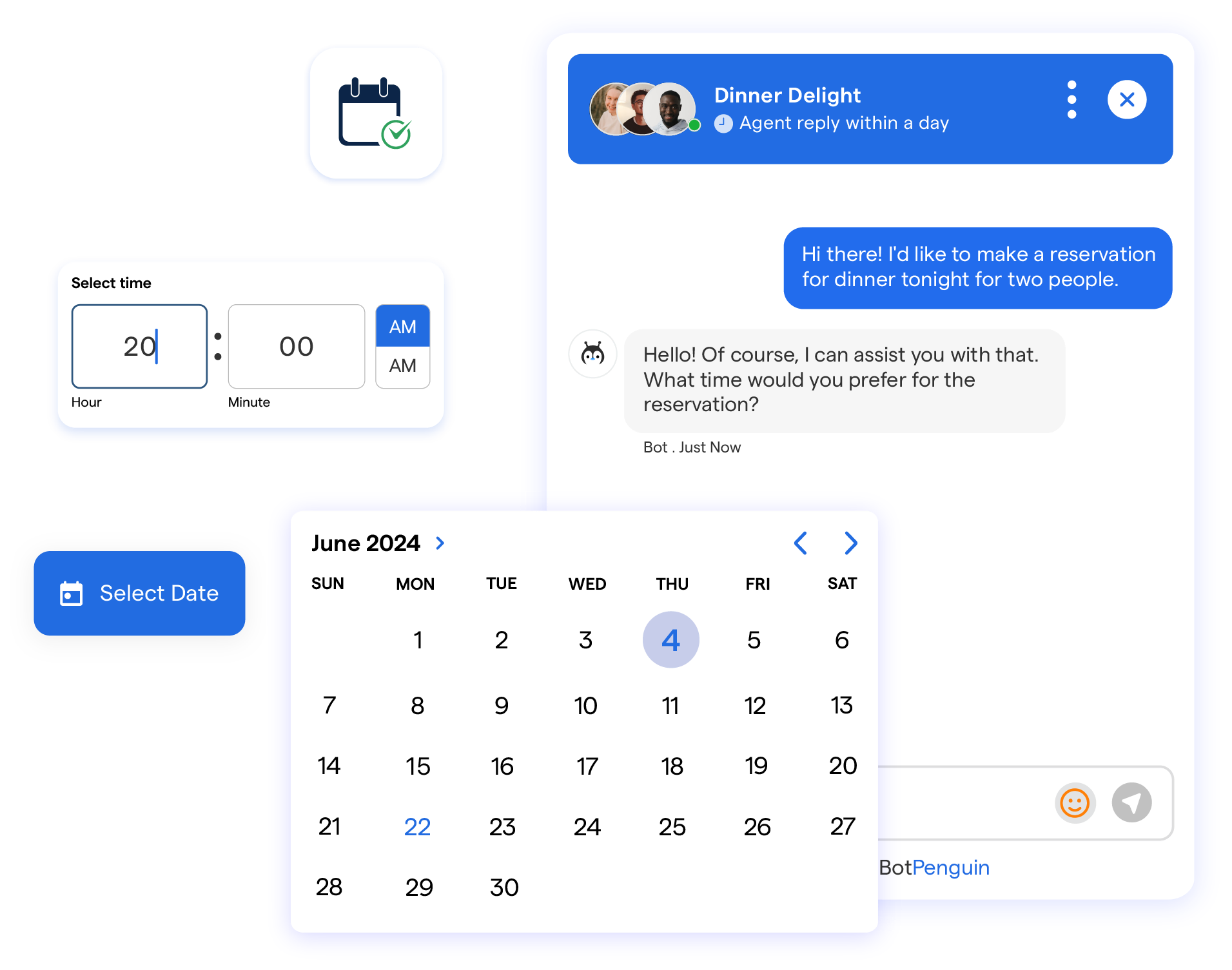
Appointment-scheduling chatbots streamline booking processes, reducing no-shows and administrative burden.
These are particularly useful for healthcare providers, salons, and legal firms. By integrating directly with calendars, these chatbots offer real-time availability checks and send reminders.
This chatbot idea is widely used across industries such as healthcare, services, hospitality, and tourism.
Revenue Model
- Use targeted ads on social media and Google to reach potential clients.
- Offer a monthly subscription or pay-per-appointment pricing.
- Include add-ons like SMS reminders and calendar integration.
Profit Snapshot
• Setup Time: 3 to 6 days
• Investment: Low
• Monthly Income Potential: $2,000 to $10,000
• Scalability: Medium to High
Market this chatbot business idea via professional networks, email newsletters, and partnerships with scheduling platforms.
8. Educational Chatbots
Educational chatbot ideas for online learning platforms and tutoring services include interactive lessons, quizzes, and instant support.
They offer a personalized learning experience for students and reduce educators' workload.
Revenue Model
- Subscription model per student or institution.
- One-time setup fees for custom integrations.
- Provide additional content packages at a premium.
- Target schools, universities, and online learning platforms.
- Partner with educational content creators for resources.
To promote this chatbot idea to your target users, use educational forums, social media, webinars, and partnerships with online course providers.
9. Healthcare Chatbots
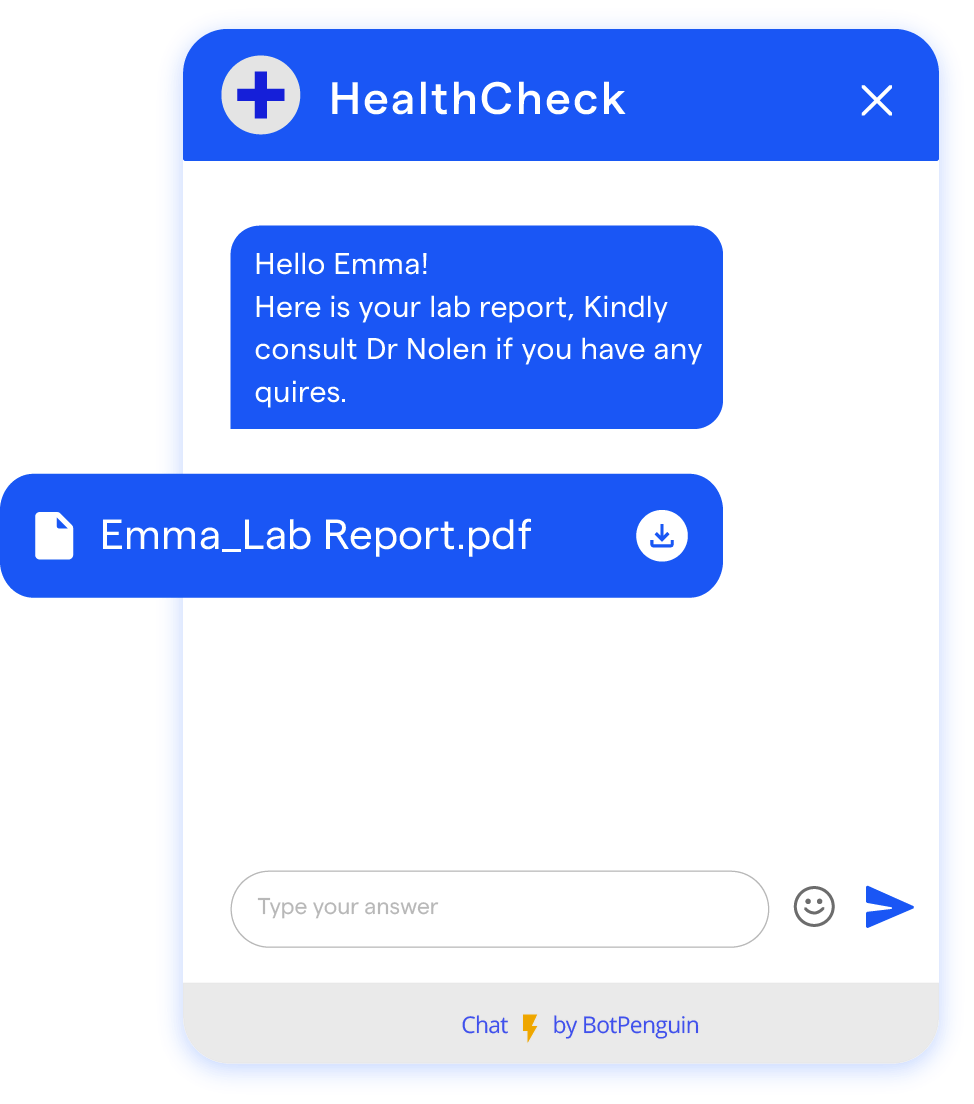
Healthcare chatbot business ideas focus on patient engagement, symptom checking, and appointment reminders.
These bots can provide 24/7 support, ensuring patients have access to essential information and services. Hospitals, clinics, and wellness centers are ideal clients.
Revenue Model
- Offer premium services for in-depth consultations.
- Provide data analytics to track patient interactions.
- Use case studies to demonstrate the chatbot's effectiveness.
- Offer a subscription-based pricing model with tiered features.
- Include services like EHR integration and patient feedback collection.
Profit Snapshot
• Setup Time: 2 to 4 weeks
• Investment: Medium to High
• Monthly Income Potential: $6,000 to $30,000
• Scalability: High
Target clinics, hospitals, and telemedicine providers and promote your chatbot idea through healthcare conferences, medical journals, and targeted online advertising.
10. Real Estate Chatbots
Real estate agencies and individual agents urgently need chatbot ideas for marketing and lead generation.
Chatbots assist agents in managing inquiries, scheduling property viewings, and providing property details. By automating these interactions, realtors can focus on closing deals rather than handling repetitive tasks.
Revenue Model
- Subscription fee or per-lead charge.
- Offer premium listings or additional features.
- Create a commission-based model for successful transactions.
Profit Snapshot
• Setup Time: 5 to 10 days
• Investment: Low to Medium
• Monthly Income Potential: $4,000 to $20,000
• Scalability: Very High
Chatbot ideas for real estate are best promoted through targeted ads on property websites, social media, and real estate forums.
11. Survey and Feedback Chatbots
Survey and feedback chatbots are potent tools for gathering customer insights and helping businesses improve their services.
These AI bot ideas are precious in retail, hospitality, and service industries. By automating surveys, companies can quickly gather and analyze data, making it easier to respond to customer needs.
Revenue Model
- Charge per response or on a subscription basis.
- Offer detailed analytics and reporting as an add-on.
- Provide API integration for an additional fee.
Profit Snapshot
• Setup Time: 3 to 5 days
• Investment: Low
• Monthly Income Potential: $2,000 to $8,000
• Scalability: Medium
Promotion strategies for these chatbot ideas include email campaigns, social media ads, and collaborations with market research firms.
12. Event Management Chatbots
Event management chatbots streamline registration, ticketing, and attendee communication. These AI bot ideas are incredibly valuable for event planners, conference organizers, and entertainment companies.
They also provide real-time updates and assistance during events, ensuring smooth operations and enhancing the overall experience.
Revenue Model
- Charge per ticket or registration fee.
- Offer premium features, like VIP support, at an additional cost.
- Provide a subscription model for recurring events.
Profit Snapshot
• Setup Time: 5 to 12 days
• Investment: Medium
• Monthly Income Potential: $3,000 to $15,000
• Scalability: Medium to High
To promote these chatbot ideas, focus on event management forums, LinkedIn groups, and partnerships with ticketing platforms.
13. Social Media Engagement Chatbots
Social media engagement chatbot ideas focus on automating interactions, such as responding to comments, messages, and mentions.
These bots help brands maintain an active social media presence. Ideal clients include e-commerce businesses, influencers, and digital marketers.
Revenue Model
- Subscription-based pricing.
- Offer premium features such as advanced analytics and automated post scheduling.
- Create custom solutions for leading social media campaigns.
Profit Snapshot
• Setup Time: 3 to 7 days
• Investment: Low
• Monthly Income Potential: $4,000 to $18,000
• Scalability: Very High
Utilize social media platforms, influencer partnerships, and targeted ads for promoting these chatbot business ideas.
14. Travel and Hospitality Chatbots
Travel and hospitality chatbots are a game-changer in the industry. These chatbots assist customers with bookings, reservations, and customer service, making the entire travel experience smoother.
They enhance user experiences by providing instant support and personalized recommendations, ensuring travelers get exactly what they need. Travel agencies, hotels, and airlines are key clients for these ai bot ideas.
Revenue Model
- Charge a commission per booking.
- Offer a subscription model with feature-based tiers.
- Provide premium features, such as automated itinerary planning.
Profit Snapshot
• Setup Time: 7 to 14 days
• Investment: Medium
• Monthly Income Potential: $5,000 to $25,000
• Scalability: High
To promote these chatbot ideas effectively, consider using travel forums, social media ads, and partnerships with hospitality websites.
15. Fitness and Wellness Chatbots
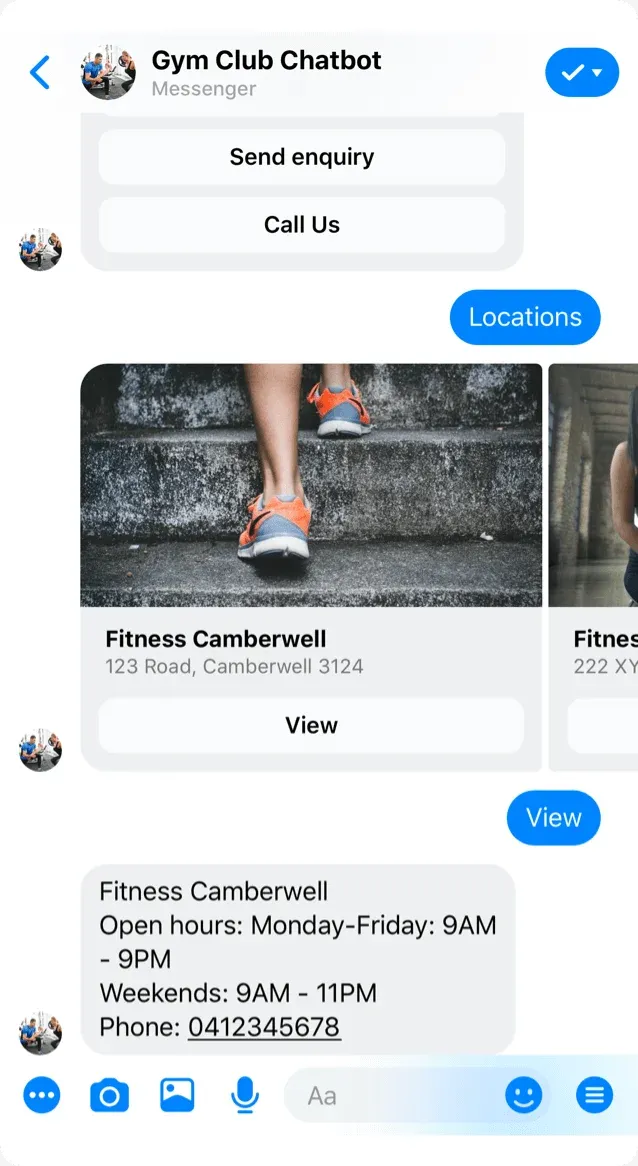
Fitness and wellness chatbots are a fantastic way to support a healthy lifestyle. These chatbots provide workout plans, nutrition advice, and tips to stay on track.
They serve gyms, personal trainers, and wellness coaches, offering personalized guidance to keep users motivated and informed.
Revenue Model:
- Target gyms, fitness trainers, and wellness apps.
- Offer subscription-based pricing with tiered features.
- Include additional services like nutrition plans and progress tracking.
- Develop a demo to showcase the chatbot's capabilities.
Profit Snapshot
• Setup Time: 5 to 10 days
• Investment: Low to Medium
• Monthly Income Potential: $3,000 to $12,000
• Scalability: High
To market these chatbot ideas, focus on social media and fitness forums, and collaborate with wellness brands. Partnering with social media influencers can also be a powerful way to reach a broader audience.
16. Personal Finance Chatbots
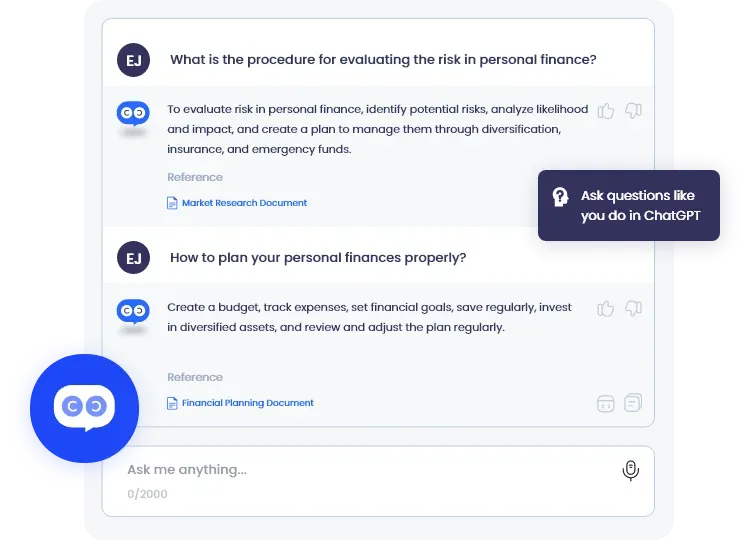
Personal finance chatbots are excellent tools for helping users manage budgets, track expenses, and receive financial advice.
These AI bot ideas are especially useful for banks, financial advisors, and personal finance apps, as they help users make informed financial decisions.
Revenue Model
- Assess a fee to financial institutions for customer use.
- Target banks, financial apps, and personal finance coaches.
- Offer subscription-based pricing with tiered features.
- Include services like financial planning and investment advice.
Profit Snapshot
• Setup Time: 10 to 20 days
• Investment: Medium
• Monthly Income Potential: $5,000 to $20,000
• Scalability: High
To effectively market these chatbot ideas, promote them through financial blogs, social media, and partnerships with financial institutions. This approach will help reach the right audience and showcase the value of your ai bot ideas.
17. Restaurant Reservation Chatbots
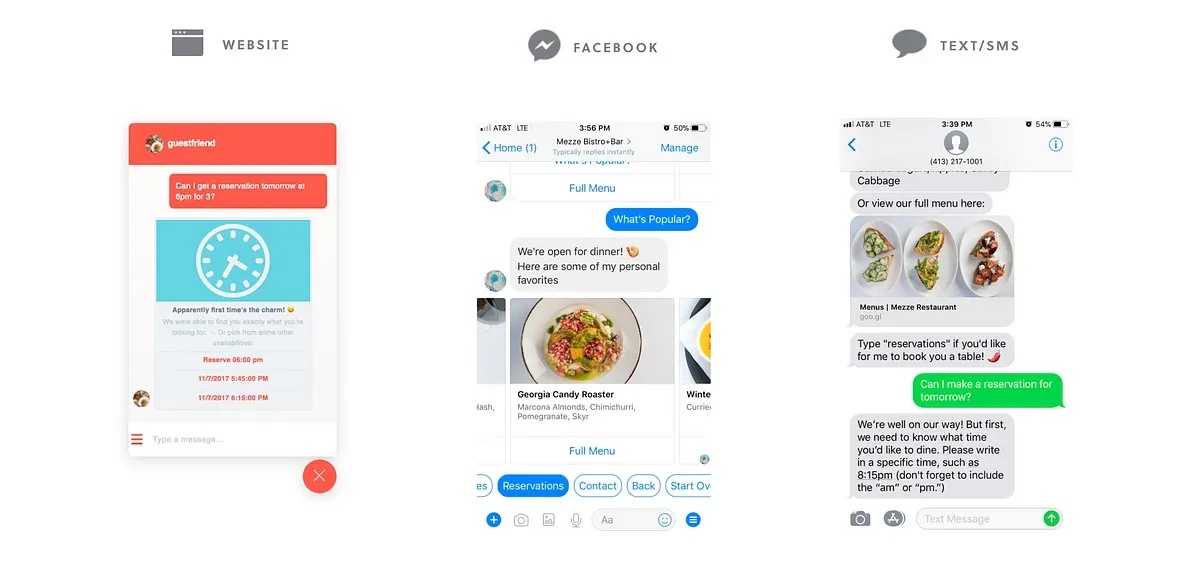
Restaurant reservation chatbots streamline the booking process, manage waitlists, and even recommend dishes based on customer preferences.
These are ideal for restaurant owners and dining platforms, reducing manual booking errors and improving customer experience.
Revenue Model
- Charge per reservation or a monthly fee.
- Offer premium features like loyalty programs.
- Provide integration with restaurant management systems for an additional cost.
Marketing channels include food blogs, social media ads, and partnerships with food delivery platforms.
18. Freelance Services Chatbots
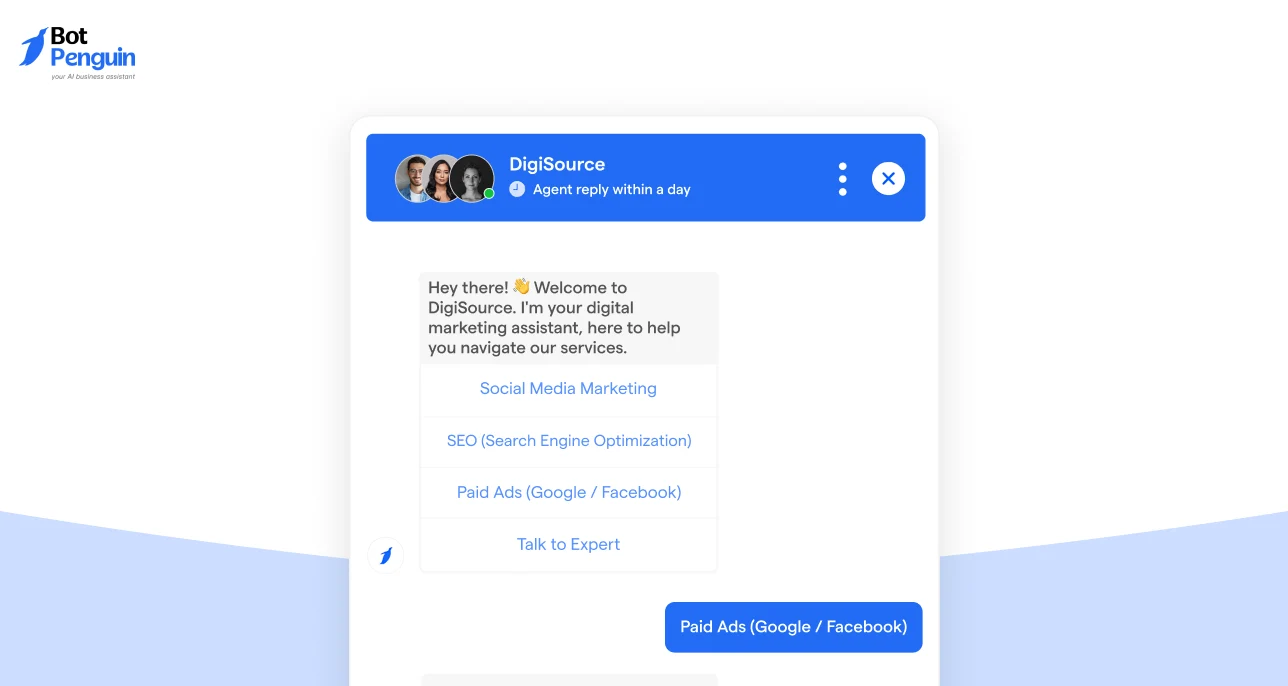
Freelance services chatbot ideas are a game-changer for freelancers looking to secure more projects and streamline their work.
These AI bot ideas focus on connecting freelancers with clients, managing project workflows, and automating invoicing and payments.
By using these chatbots, both freelancers and clients can significantly improve productivity and efficiency in project management.
Revenue Model
- Target freelance platforms and individual freelancers.
- Offer subscription-based pricing with tiered features.
- Include services like project management and milestone tracking.
Profit Snapshot
• Setup Time: 3 to 7 days
• Investment: Low
• Monthly Income Potential: $2,000 to $10,000
• Scalability: Medium
Use LinkedIn, freelance job boards, and social media to promote these chatbot ideas. Partnerships with remote work platforms can also help reach the right audience.
19. Recruitment and HR Chatbots
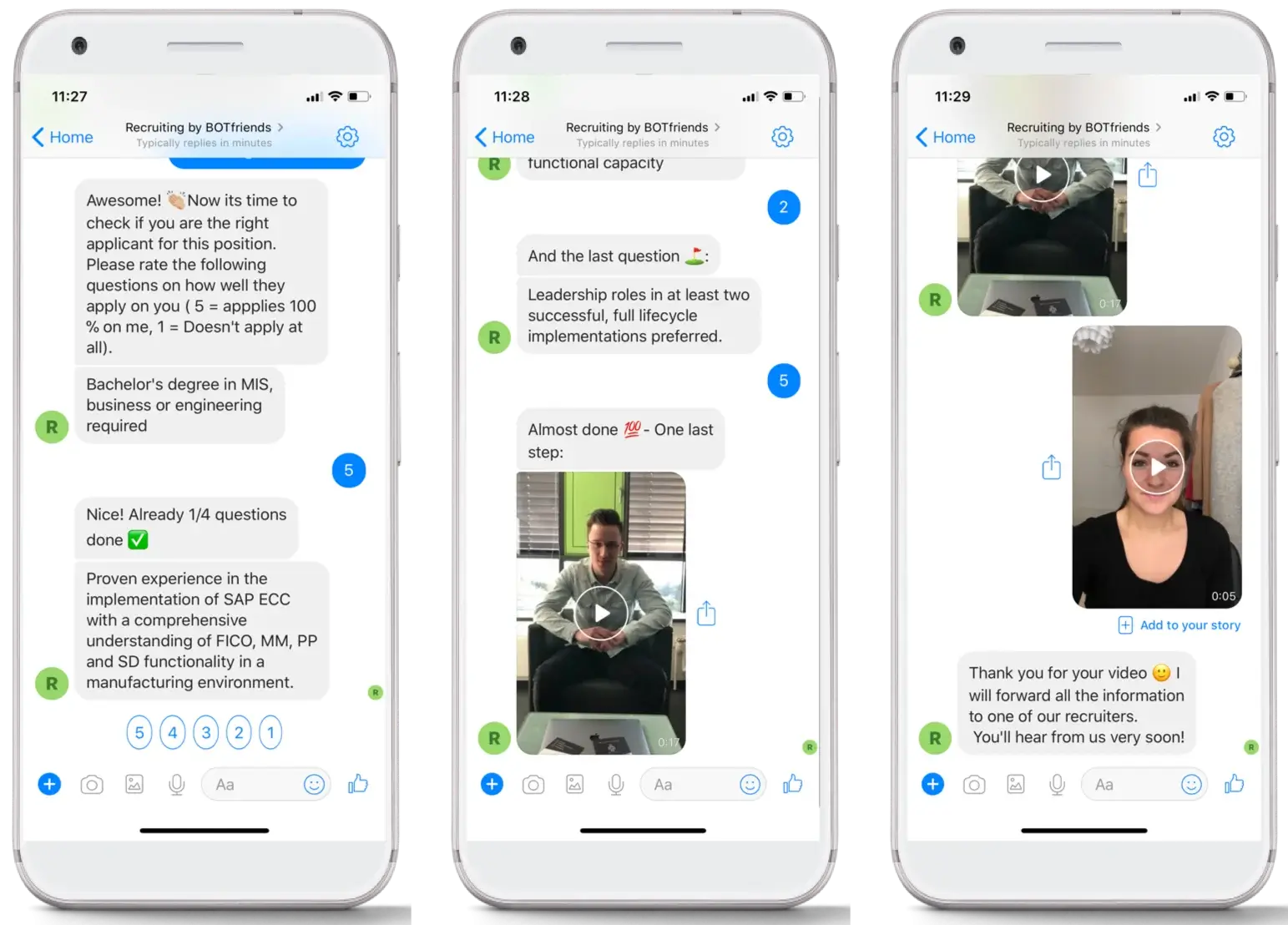
Recruitment and HR chatbots automate HR processes, including candidate screening, interview scheduling, and employee inquiries.
These chatbots enhance efficiency in HR departments and are valuable for HR agencies and large organizations.
Revenue Model
- Subscription-based pricing.
- Charge for additional features, such as advanced analytics.
- Offer custom integrations with HR software for a fee.
Profit Snapshot
• Setup Time: 5 to 10 days
• Investment: Low
• Monthly Income Potential: $3,000 to $12,000
• Scalability: Medium to High
Promote via LinkedIn, HR forums, and partnerships with HR software providers.
20. Personalized Shopping Chatbots
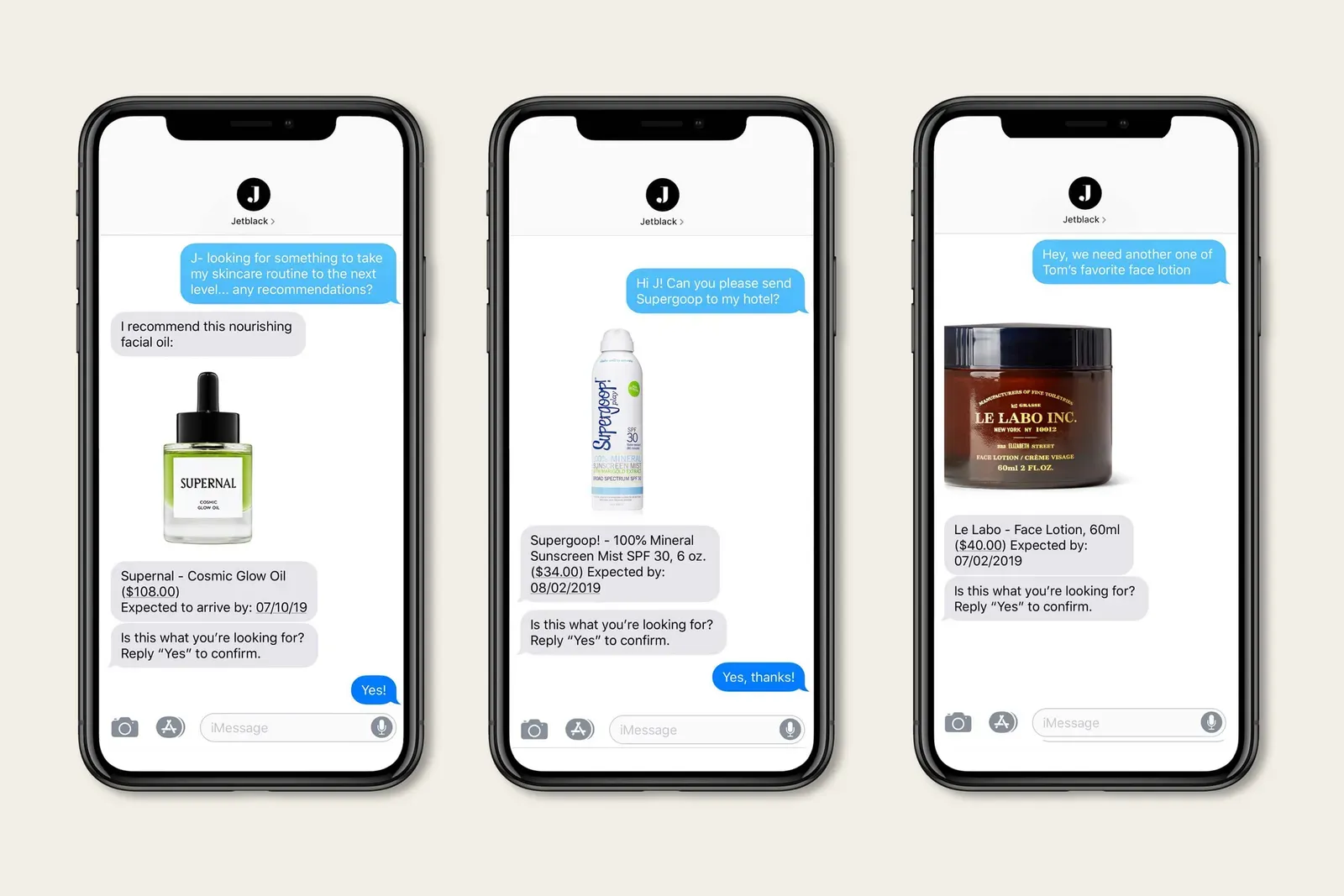
You can offer a personalized shopping experience with innovative chatbot ideas that transform how your customers shop.
These ai bot ideas can send cart recovery notifications to bring back customers who abandoned their carts and instantly handle automated order confirmations, cancellations, and fulfillment updates.
A ChatGPT-powered bot explicitly trained on your client’s resources to answer customer questions 24/7.
The chatbot can also send personalized product recommendations based on each customer's shopping journey, initiate returns and refunds via chat, and showcase your product catalog for easy browsing.
Revenue Model
- Target online retailers and e-commerce platforms.
- Use social media and e-commerce forums for marketing.
- Offer subscription-based pricing or per-sales commission.
- Include services like personalized recommendations and order tracking.
- Provide customization services to match the business's branding.
Profit Snapshot
• Setup Time: 7 to 14 days
• Investment: Medium
• Monthly Income Potential: $6,000 to $30,000
• Scalability: Very High
To promote these chatbot ideas, use social media ads, partner with fashion or beauty bloggers, and run targeted email campaigns.
These strategies will help attract customers and showcase how these AI bot ideas can make shopping more personalized and convenient.
How to Monetize Your Chatbot Business?
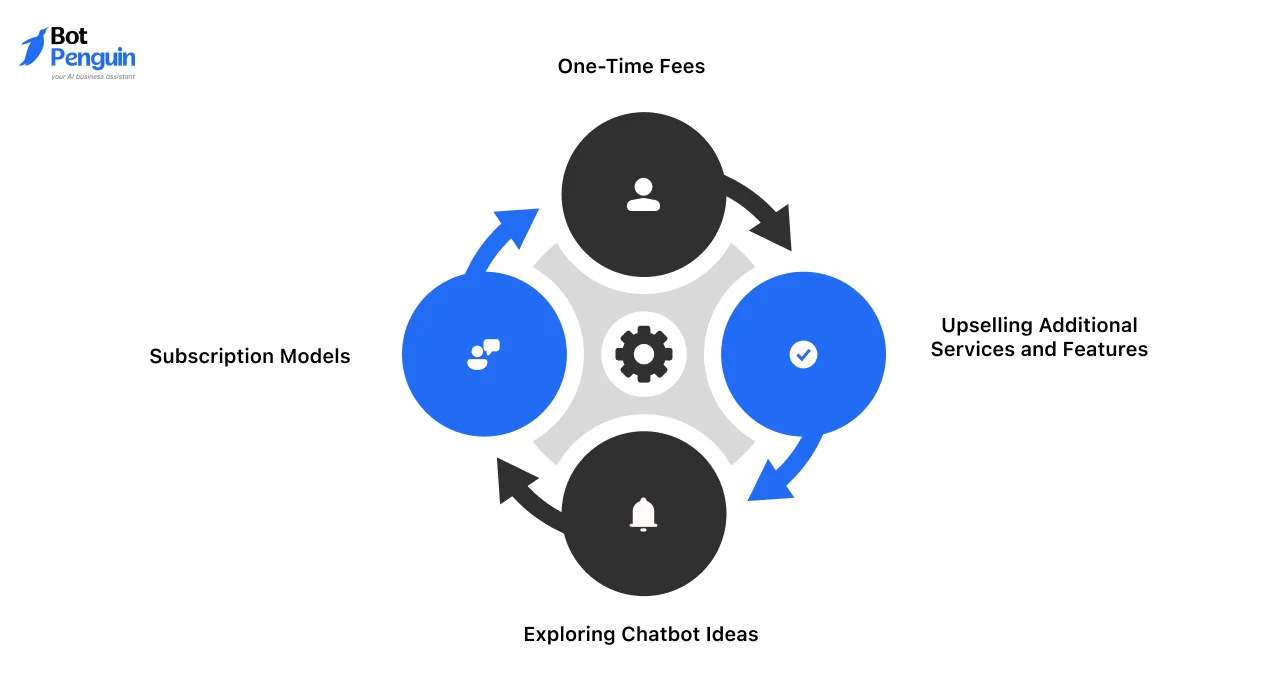
Monetizing your chatbot business can be approached through various revenue streams. Here are some effective methods to consider:
Subscription Models
- Recurring Fees: Businesses pay a monthly or yearly fee for access to your chatbot services. This model ensures a steady income stream.
- Tiered Packages: Offer different tiers, such as basic, standard, and premium packages, each with varying levels of features and support.
This can appeal to a broader range of clients looking for diverse chatbot business ideas.
One-Time Fees
- Customized Solutions: Charge a one-time fee for creating tailored AI bots specific to a client's needs. This approach is ideal for businesses looking for specialized AI bot ideas.
- Consultation and Implementation: Provide one-time services to set up and integrate the chatbot into the client’s existing systems. This can be a highly attractive option for businesses seeking unique chatbot ideas.
Upselling Additional Services and Features
- Advanced Analytics: Offer detailed reporting and insights as an add-on service to help clients derive greater value from their chatbot.
- Personalized Support: Provide dedicated support teams for an additional fee, ensuring clients have the help they need when they need it.
- Unique Integrations: Enable specialized integrations with third-party software or platforms to enhance functionality. Upselling these features can make your offerings more appealing and profitable.
Exploring Chatbot Ideas
- Niche-focused Bots: Develop bots for specific healthcare, finance, or e-commerce industries. These niche chatbot business ideas can allow you to serve targeted markets more effectively.
- Diversified Solutions: Cater to a wider audience by creating various chatbot concepts and solutions tailored to multifaceted needs.
By implementing these strategies and continuously innovating with new chatbot ideas, you can effectively monetize your chatbot business and stay ahead in this fast-growing industry.
Why Choose BotPenguin for Your White Label Chatbot Business?
If you want to build a scalable chatbot business without developing the technology from scratch, BotPenguin’s White Label Chatbot Program gives you everything you need to launch fast and grow sustainably.
Instead of spending months building infrastructure, hosting systems, integrations, and AI logic, you get a ready-to-sell AI chatbot platform under your own brand.
You control pricing.
You own the clients.
You keep the revenue.
BotPenguin manages the backend, AI infrastructure, updates, and platform stability.
What You Get with BotPenguin White Label
• Fully rebrandable chatbot platform
• Your domain, logo, and pricing control
• AI-powered chatbots (ChatGPT, integrations, automation)
• 80+ integrations, including WhatsApp, Instagram, Website, Shopify
• Multilingual support
• Analytics and performance tracking
• Dedicated partner support
Revenue Opportunity
With white labeling, you can:
• Charge monthly subscriptions
• Offer setup fees
• Upsell integrations and automation
• Bundle chatbots with marketing services
Just 10 clients paying $1,000 per month equals $10,000 in recurring revenue.
Who Is It Ideal For?
• Digital marketing agencies
• SaaS resellers
• Automation consultants
• Web development agencies
• Entrepreneurs entering the AI space
If your goal is long-term brand ownership and scalable recurring income, this is the strongest model among all 21 ideas discussed above.
Conclusion
The potential of chatbot businesses is immense. They offer opportunities for recurring revenue, one-time fees, and upselling additional services. You can carve out a profitable space in this burgeoning industry by exploring innovative chatbot ideas and catering to specific niches.
The various chatbot business ideas available enable flexible, scalable growth through subscription models or customized solutions.
Encourage yourself to dive into this promising field and develop your AI bot ideas today. With dedication and strategic planning, reaching your first $10K in revenue is within sight.
The future is bright for those willing to innovate and adapt, making now the perfect time to launch your own chatbot business.
Frequently Asked Questions (FAQs)
How do I start a chatbot business?
Start your chatbot business by identifying a niche and defining your target audience. Develop prototypes using popular platforms, secure funding, and launch via effective marketing strategies.
Explore monetization methods to turn your chatbot business ideas into profitable ventures.
Is the chatbot business profitable?
Yes, with the right chatbot business ideas, targeting specific niches can yield high profitability. The growing demand for automated customer service, lead generation, and engagement tools makes this a lucrative field for innovative AI bot ideas.
Can I sell my chatbot?
Absolutely! You can sell your chatbot to businesses needing specialized solutions. Custom AI bot ideas tailored to specific industries are in high demand and can be a profitable revenue stream.
How to monetize a bot?
Monetize your bot through subscription models, one-time setup fees, and offering premium features. Niche-specific chatbot business ideas can also justify higher pricing by offering specialized functionality tailored to specific customer needs.
How do I create my own chatbot?
Develop your chatbot using platforms like Dialogflow, Microsoft Bot Framework, or Botpress. Implement innovative AI bot ideas and continually improve your chatbot based on user feedback and technological advancements.
How to make your own ChatGPT?
Leverage open-source models like GPT-3, fine-tune them with your data to match your unique AI bot ideas, and deploy them in your applications. Tailor the model to suit various conversational needs and niche markets.