


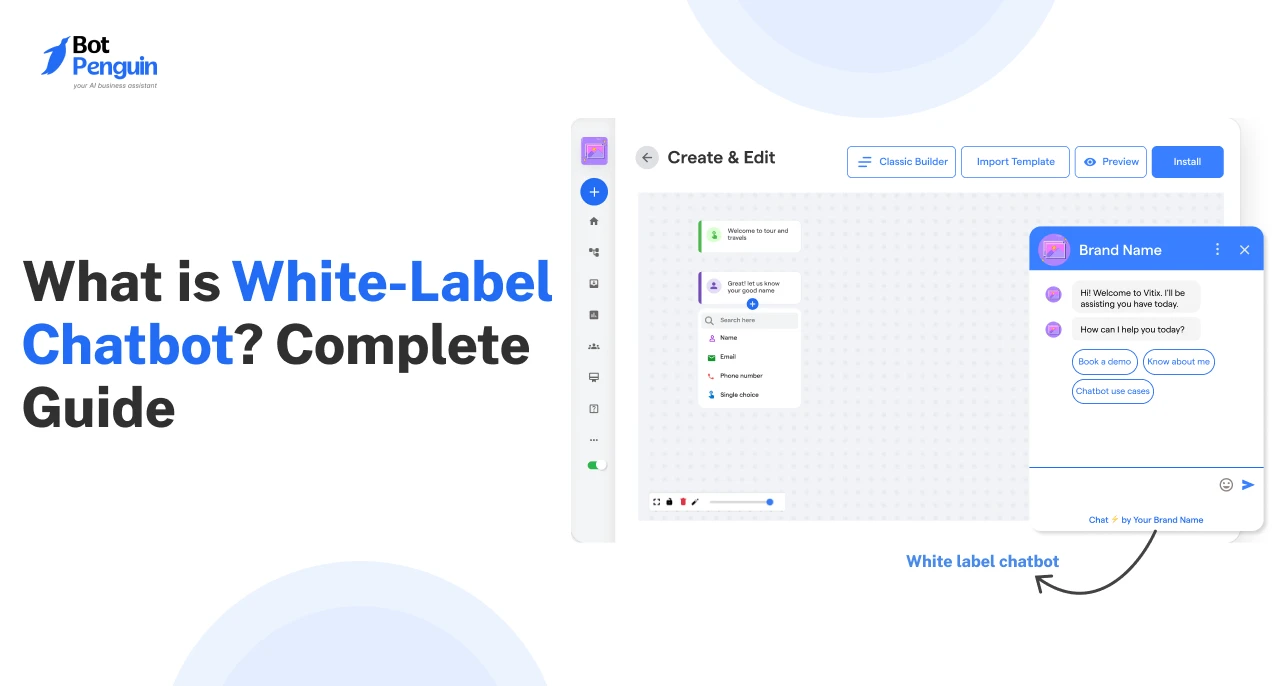
What is a White-Label Chatbot? Complete Guide For 2026
Updated at Oct 23, 2026
10 min to read

SWhite label SaaS allows agencies, consultants, and entrepreneurs to launch branded software services without developing the underlying technology themselves. A software provider builds and maintains the platform, while the reseller applies its own branding, sets its pricing, and manages the client relationship.
White label software is commonly delivered through the Software-as-a-Service model, giving resellers access to ready-made tools for customer support, marketing, CRM, project management, analytics, ecommerce, and other business functions.
This guide explains what white label SaaS is, how it differs from the broader term white label software, who should consider the reseller model, and the 11 main types of software businesses can rebrand and resell.
| White label SaaS is ready-made cloud software that one company develops and another company rebrands and sells under its own name. The reseller controls the branding, pricing, and client relationship, while the original provider manages the software, hosting, updates, and infrastructure. |
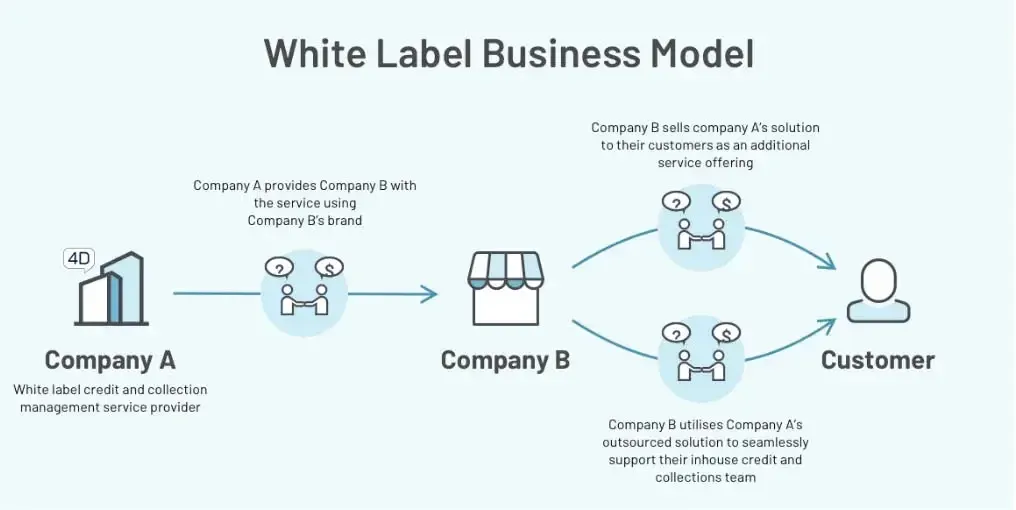
In a white label SaaS arrangement, the technology provider remains responsible for hosting, updates, infrastructure, maintenance, and product development. The reseller presents the software under its own brand and controls how it is packaged, priced, marketed, and delivered to clients.
For example, an agency may subscribe to a white label chatbot, CRM, reporting platform, or marketing tool, customize the interface with its own logo and colors, and then sell access to clients as part of its own service offering.
This model reduces development costs and shortens time to market while allowing the reseller to build recurring revenue around an established software product.
White label SaaS and white label software usually describe the same business model: one company develops the product, while another company rebrands and resells it under its own name.
The table below shows the practical differences between the broader white label software category and software delivered specifically through the SaaS model.
| Aspect | White Label Software | White Label SaaS |
|---|---|---|
| Meaning | A broad term for software that another business can rebrand and resell | White label software delivered through the cloud |
| Delivery model | May be cloud-based, installed locally, or delivered through another model | Usually accessed online through a subscription |
| Hosting and maintenance | Depends on the product and provider | Usually managed centrally by the SaaS provider |
| Updates and security | May require separate management | Commonly handled by the provider |
| Reseller’s role | Manages branding, pricing, marketing, and customer relationships | Manages branding, pricing, marketing, and customer relationships |
Most modern white label software is delivered as SaaS because the provider manages the technical side of the product, including:
This allows the reseller to focus on:
For agencies and reselling businesses, the practical distinction is usually minimal. Both models allow a company to launch a branded software service without developing or maintaining the platform from scratch.
There are several compelling reasons why businesses choose to resell white-label SaaS:
These benefits illustrate why white-label SaaS is not just a cost-effective solution but a strategic one, enabling businesses to grow and adapt in a fast-evolving market.
The white label SaaS reseller model is suitable for businesses that want to add branded software services without building and maintaining the underlying technology.
Marketing agencies: Agencies can add chatbots, marketing automation, reporting, CRM, landing-page, and social-media services under their own brand.
IT consultancies: IT consultants can expand their offering with branded CRM, project-management, automation, analytics, and communication tools.
AI automation agencies: These agencies can rebrand AI chatbots, AI agents, workflow automation, and customer-support software for different client industries.
Freelancers and independent consultants: Freelancers can package a white label platform with implementation, strategy, onboarding, and ongoing support.
Entrepreneurs and startups: New businesses can enter the software market faster and with lower upfront development costs.
Service businesses: Companies already managing client relationships can add a recurring software subscription alongside their existing services.
The model is most effective when the reseller serves a defined niche, understands the client’s operational needs, and can provide onboarding, customization, and ongoing support.
White label SaaS and software products cover a wide range of business functions. The following 11 categories show how agencies, consultants, and reselling businesses can add branded software services without developing each platform internally.
A white-label chatbot is a customizable chatbot service that companies can brand and sell as their own product. A white label chatbot platform gives agencies the software, branding controls, integrations, and client-management tools needed to launch this service under their own name.
This type of white label SaaS uses artificial intelligence to automate customer support, lead generation, appointment booking, and customer engagement across websites, WhatsApp, social media, and other channels.
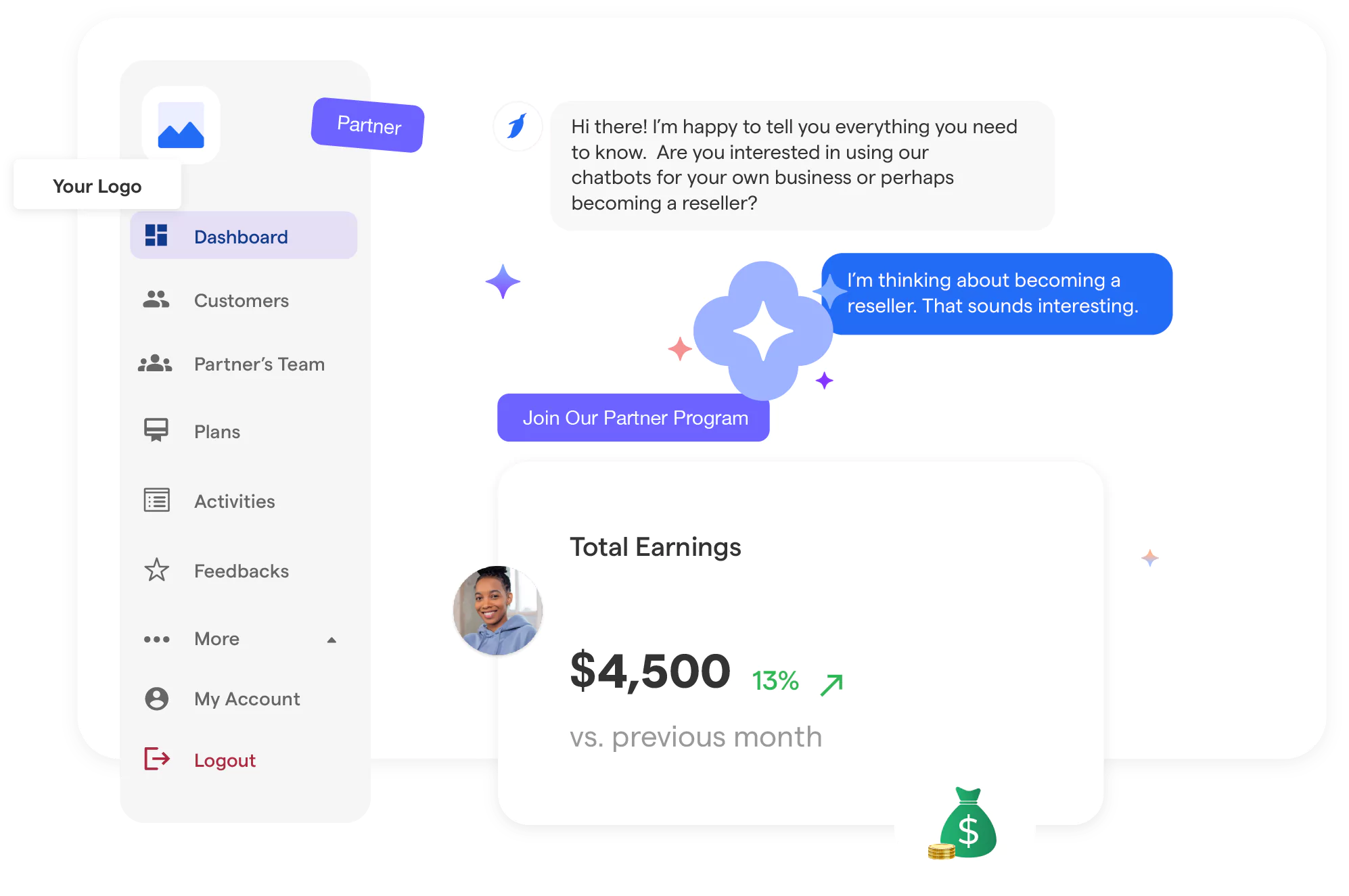
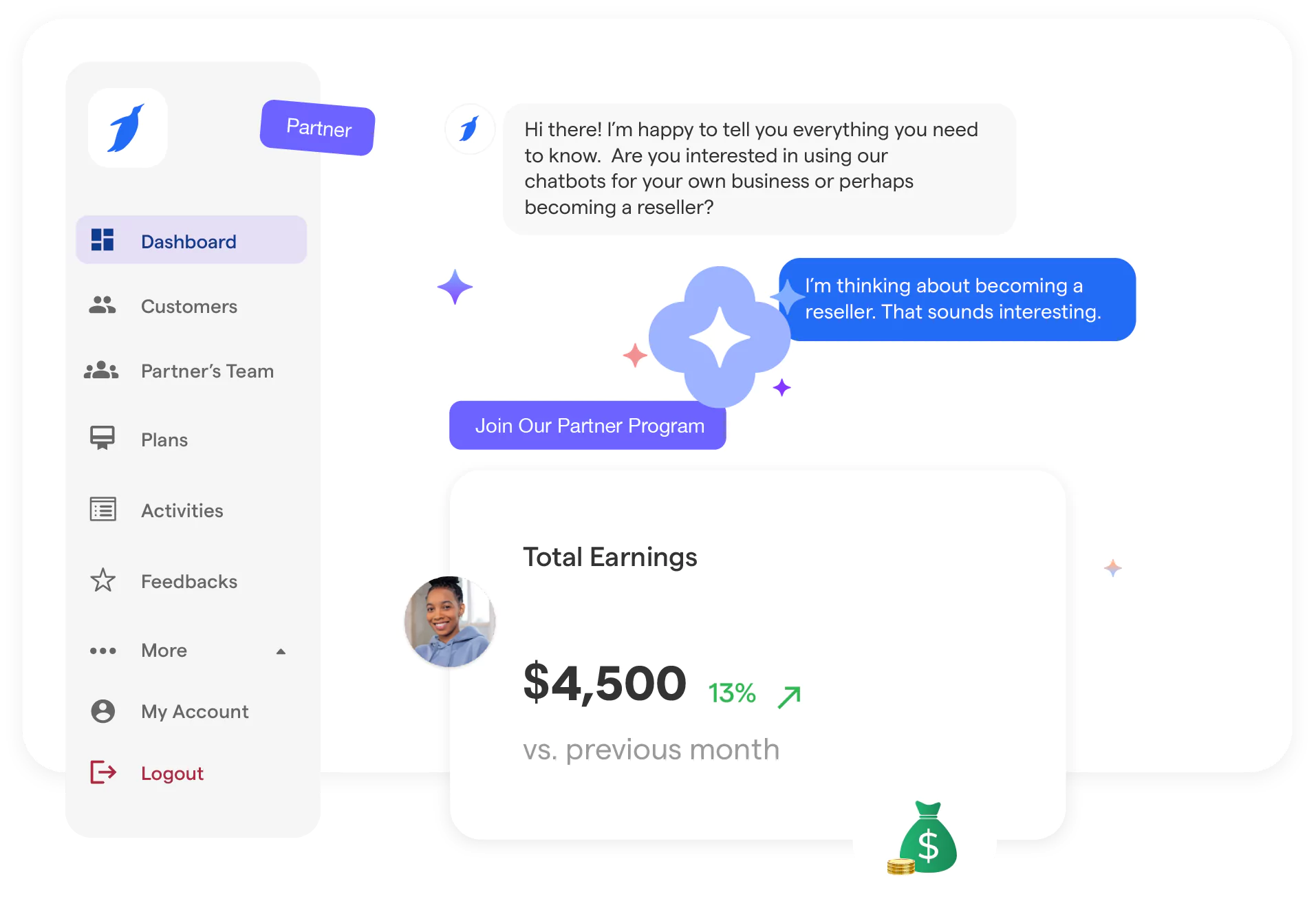
BotPenguin enables agencies and reselling businesses to offer branded chatbot and automation services across websites, WhatsApp, social media, Shopify, WordPress, WooCommerce, and other business platforms. It is GDPR, HIPAA, and CCPA compliant, ISO certified, SOC 2 attested, and VAPT-assessed by a CERT-In empanelled auditor.
Here’s a deeper look at this tool:
BotPenguin can be sold to any business looking to enhance its customer service or engagement without the technical hassle of developing its chatbot solutions. Businesses specifically comparing AI-focused platforms can review this guide to white label AI software.
White-label marketing automation tools are software solutions that automate marketing tasks, including email campaigns, social media posting, and lead tracking.
Businesses can rebrand these tools and sell them as if they developed the software themselves, helping their clients to increase efficiency and marketing impact.
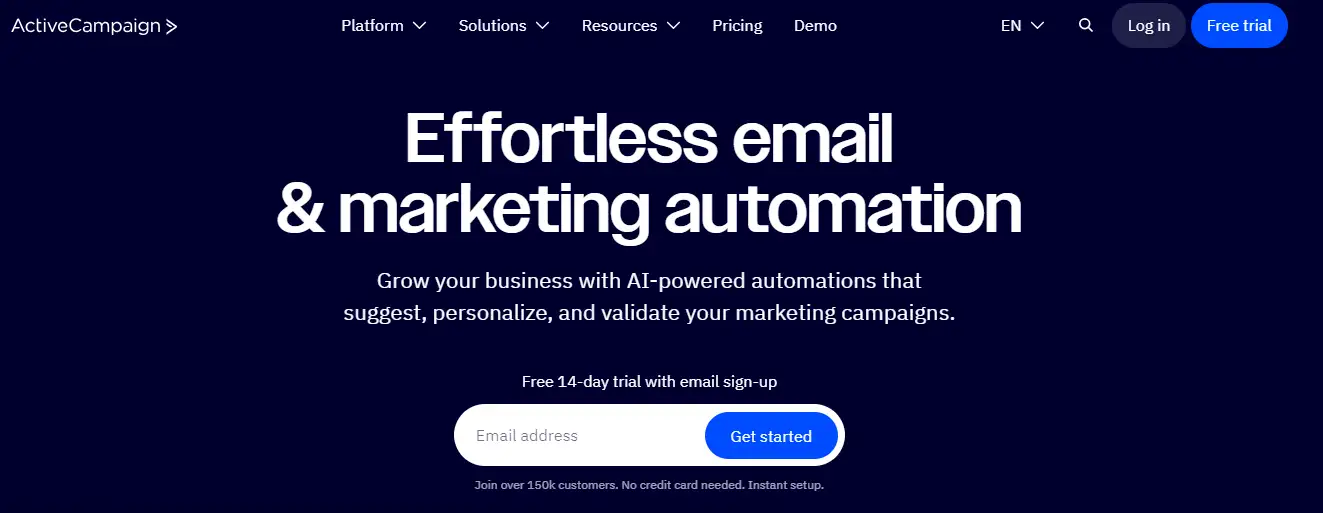
Marketing automation platforms can help agencies manage campaigns, customer journeys, lead nurturing, and reporting for clients. When evaluating a provider, confirm whether its current partner plan supports full interface rebranding, custom domains, client access, and removal of vendor branding. Here's what it entails:
ActiveCampaign is ideal for marketing agencies and consultants who want to deliver added value to their clients with robust automation tools without in-house software development.
Social media management is crucial for businesses aiming to maintain an active, engaging online presence.
A white-label social media management tool enables companies to offer comprehensive social media solutions under their brand, helping clients manage multiple accounts, schedule posts, track engagement, and analyze performance.
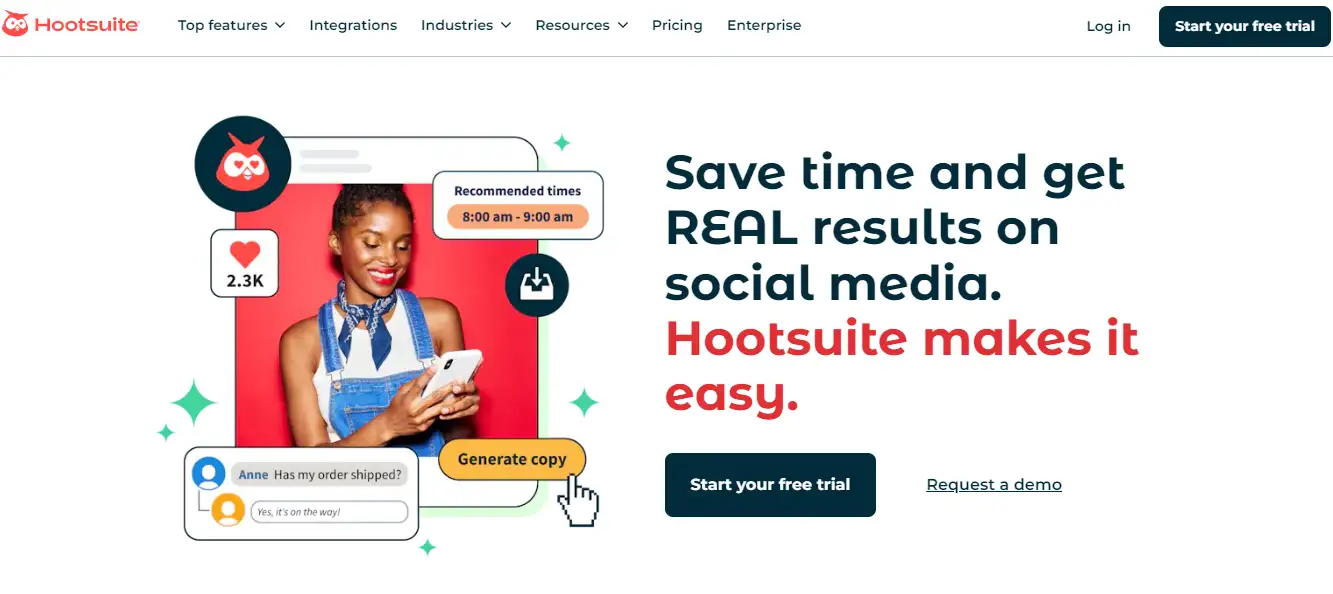
Social media management tools help agencies schedule content, monitor engagement, manage multiple accounts, and produce client reports. Resellers should verify whether the selected provider supports full white labelling or only branded reports and agency-level account management.
Hootsuite can be effectively sold to marketing agencies, large corporations, and SMEs looking to streamline their social media efforts.
A white-label CRM (Customer Relationship Management) platform enables businesses to manage customer interactions, support, and relationships under their brand, tailoring features to their specific business needs.
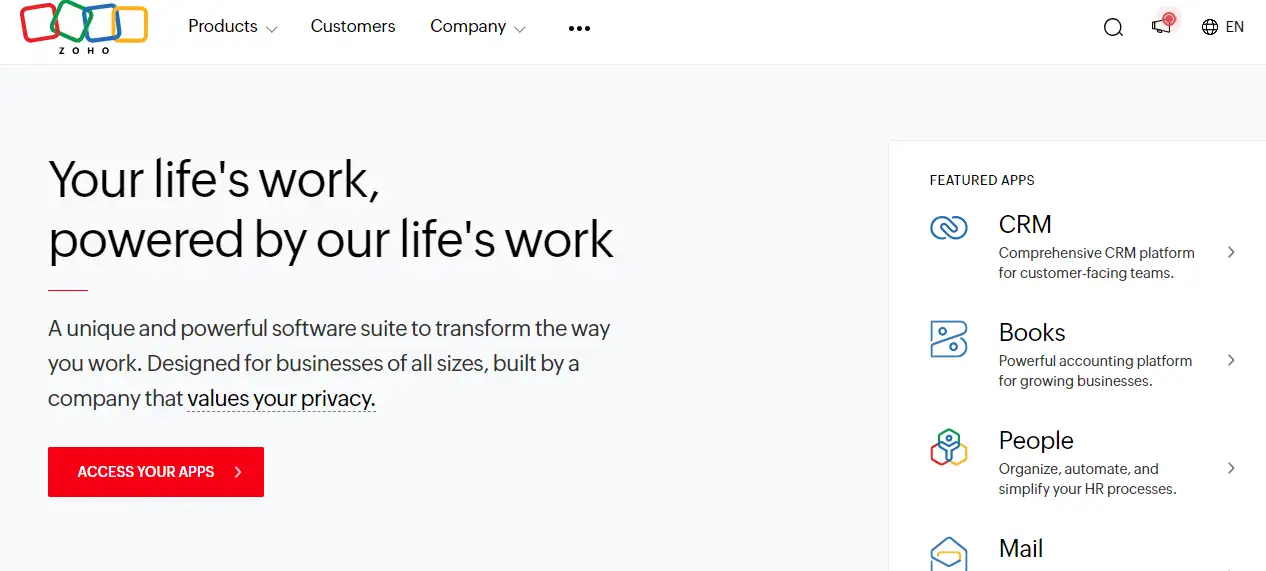
CRM platforms can be packaged with implementation, onboarding, workflow design, and ongoing management. Before presenting a CRM as white label software, confirm that the provider allows interface rebranding, custom domains, branded client access, and removal of the original vendor’s identity.
Zoho CRM is ideal for businesses that need a detailed view of customer interactions, making it well-suited for B2B service providers and companies with a sales-driven approach.
White label ecommerce software allows agencies to offer branded ecommerce services such as customer support, product discovery, WhatsApp commerce, lead capture, order updates, and cart-recovery automation. Instead of building another online-store platform, resellers can add software that improves how ecommerce businesses communicate with shoppers and manage customer journeys.
Ecommerce automation tools allow agencies to package branded services around product discovery, WhatsApp catalogs, abandoned-cart recovery, customer support, lead qualification, and order-status updates.
Customization and branding options: The reseller can apply its own branding to customer-facing chatbots, dashboards, messages, and support experiences.
Technical support and service: The software provider maintains the platform, while the reseller manages client setup, onboarding, configuration, and ongoing service.
Integration capabilities: Ecommerce automation should connect with websites, WhatsApp, social platforms, product catalogs, CRM systems, and ecommerce tools.
Training and resources: Resellers should receive onboarding documentation, implementation support, templates, and sales resources.
This category is best suited to ecommerce, digital, and automation agencies that want to sell recurring services without developing or hosting an online-store platform.
Agencies serving online retailers can learn more about the white label ecommerce reseller model.
Suggested Reading:
Explore white label business opportunities
A white label landing page builder enables businesses to offer bespoke landing page creation services under their brand.
This tool is essential for marketing agencies and businesses looking to generate leads, run targeted campaigns, and improve conversion rates without the complexity of developing their software.
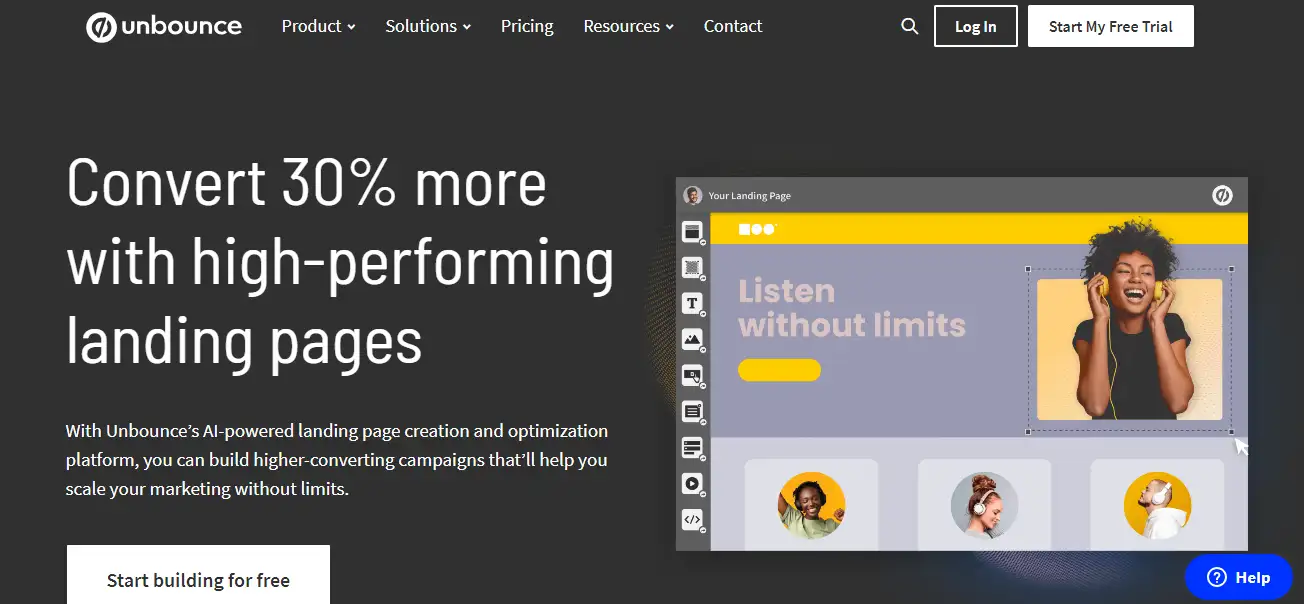
Landing-page software allows agencies to build and manage campaign pages for clients. Agencies should distinguish between tools that support agency collaboration and those that provide genuine white labelling of the client-facing interface.
Unbounce is perfect for marketing agencies and independent digital marketers who need to produce high-converting landing pages for their campaigns.
A white label website builder allows agencies, SaaS companies, hosting providers, and resellers to offer website creation tools under their own brand. Clients can build and manage websites without seeing the original software provider, while the reseller controls the branding and customer relationship.
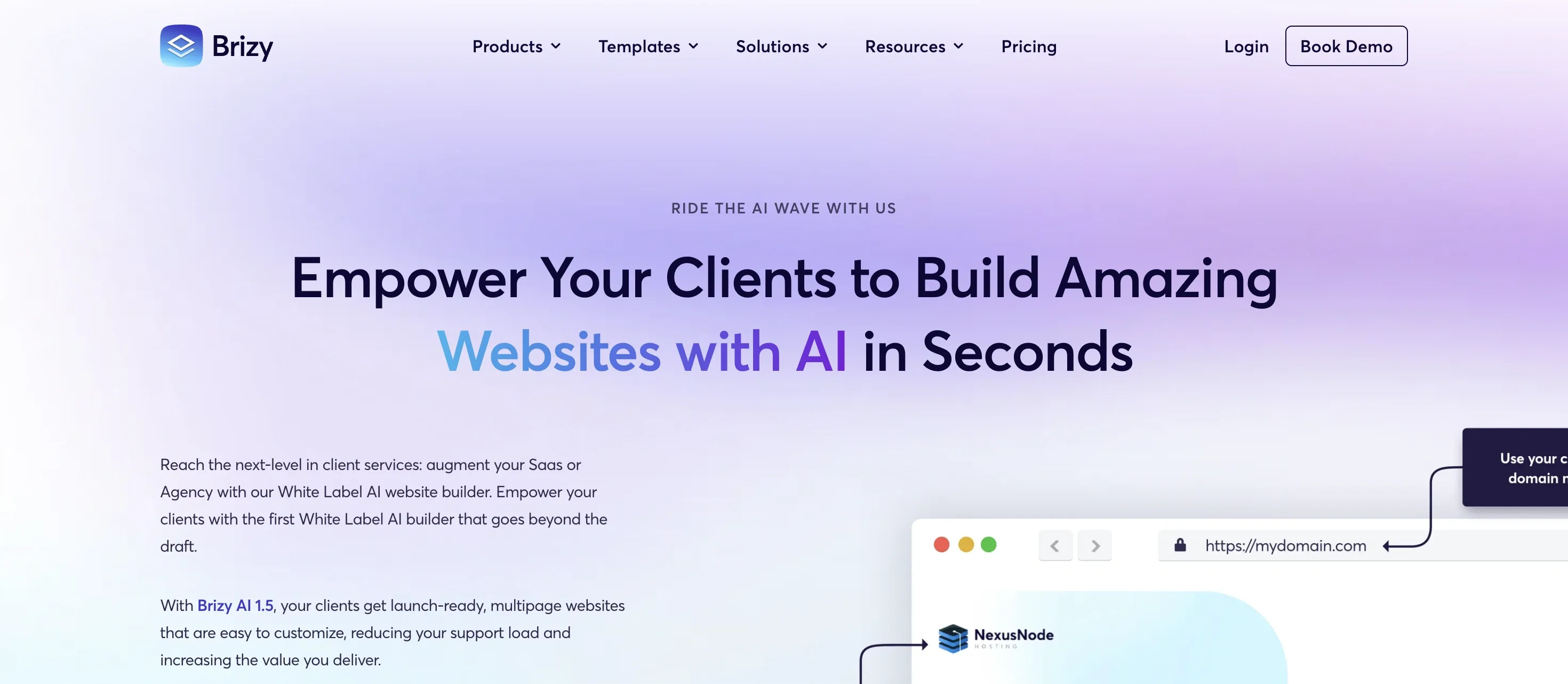
Brizy is a white label AI website builder that enables businesses to offer website creation services under their own brand. The platform combines AI-powered website generation with a visual no-code editor, allowing clients to create and customize websites without technical expertise.
Customization and Branding Options: Businesses can replace Brizy branding with their own builder name, logo, branded domain, custom subdomains, support links, and branded system communications.
Technical Support and Service: Brizy’s cloud-based white label offering includes managed hosting, CDN, SSL, and priority support. Enterprise plans provide additional options including API integration, SSO, dedicated support, onboarding, and optional local hosting.
Integration Capabilities: Brizy can be integrated into existing SaaS and reseller platforms, with API access and deeper custom integrations available through its Enterprise offering.
Training and Resources: Brizy provides documentation, support resources, and white label video materials, while Enterprise customers also receive dedicated onboarding support.
Brizy is well suited for agencies, SaaS companies, hosting providers, and resellers that want to offer AI-powered website creation under their own brand without developing a website builder from scratch.
White-label SaaS software allows businesses to provide comprehensive email marketing solutions, including campaign management, automation, and analytics, under their own brand.
This helps companies strengthen customer relationships through targeted communication.
Email marketing software can be included in an agency’s managed-service package for campaign creation, automation, reporting, and audience management. Confirm the provider’s current rebranding and reseller permissions before describing the platform as fully white label.
Constant Contact is ideal for small to medium-sized businesses, marketing agencies, and consultants aiming to enhance their clients' email marketing efforts.
Suggested Reading:
Compare the best white label SaaS software to resell
A white label webinar platform enables businesses to host and manage webinars under their own brand.
This is particularly valuable for educational providers, event organizers, and corporate trainers.
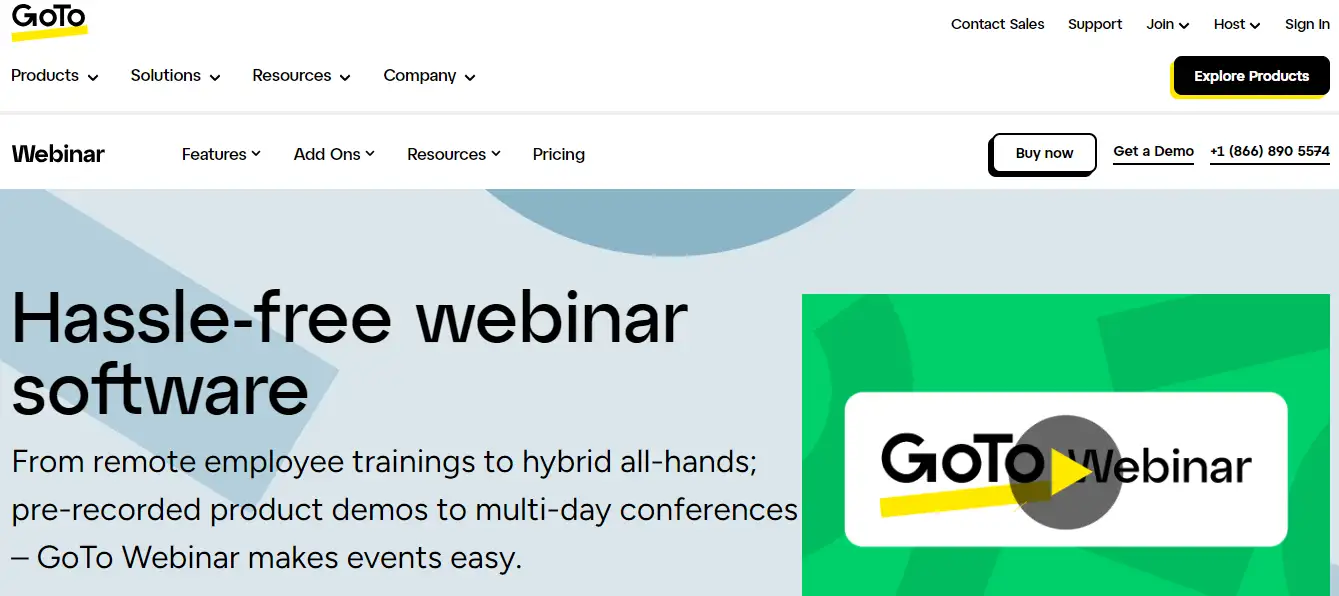
Webinar software can support branded events, training programs, product demonstrations, and client education. Resellers should verify whether branding applies only to individual events or to the entire platform and client experience.
GoToWebinar is best suited for educational institutions, corporate training departments, and professional event organizers seeking reliable, scalable webinar solutions.
Project management tools are essential for businesses looking to streamline workflow, enhance team collaboration, and track project progress efficiently.
A white-label project management tool enables companies to offer these capabilities under their brand, providing a seamless experience for their clients.
Project-management software can be packaged with consulting, workflow setup, implementation, and support. Before listing a specific platform as white label, verify whether the provider permits full rebranding rather than only workspace customization.
Asana is ideal for technology consultants, IT service providers, and business coaches who work with teams looking to improve productivity and collaboration.
Suggested Reading:
Understand API vs white label solutions
Reporting and analytics tools are indispensable for businesses wanting to make informed decisions based on accurate data.
White-label reporting and analytics tools enable companies to deliver personalized analytics solutions to their clients, all under their own branding.
Reporting and analytics tools allow agencies and consultants to deliver branded dashboards, reports, and performance insights. The level of white labelling varies by provider, so confirm custom-domain, interface-branding, and embedded-analytics capabilities.
Looker is particularly suited for business intelligence consultants and large enterprises that require detailed insights into their operations.
SEO tools are critical for businesses aiming to improve their online presence and search engine rankings.
A white label SEO tool enables marketing agencies and consultants to offer comprehensive SEO services under their brand, helping clients optimize their websites and content.
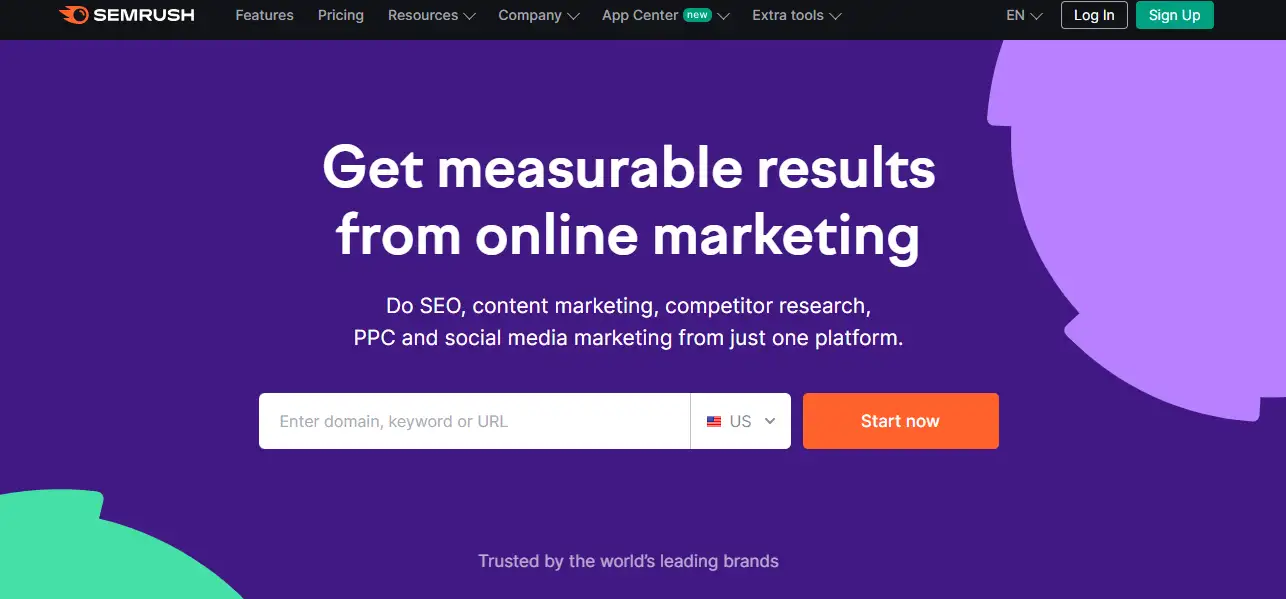
SEO platforms allow agencies to deliver keyword tracking, audits, competitor analysis, and branded reporting. Some tools provide white label reports rather than a fully rebranded software platform, so that distinction should be stated clearly.
Semrush is ideal for digital marketing agencies and independent SEO consultants seeking to deliver a comprehensive suite of SEO services to their clients.
White label SaaS gives agencies, consultants, entrepreneurs, and service providers a practical way to launch branded software services without building the technology from scratch.
The model covers many categories, including chatbots, marketing automation, CRM, social-media management, landing pages, email marketing, webinars, project management, ecommerce automation, reporting, and SEO tools.
Success depends on choosing a product that matches a defined client need, confirming the provider’s actual rebranding rights, setting a sustainable pricing model, and supporting customers after launch.
BotPenguin’s white-label model uses a flat annual plan with unlimited client deployments, allowing partners to set their own prices and retain the revenue they generate.
Businesses that are still comparing categories can use this guide to understand the available types. Those ready to evaluate specific providers can compare the best white label SaaS software to resell.
Agencies interested in branded chatbot and automation services can also explore BotPenguin’s white label chatbot partner program.
White label software is the broader term for software that another business can rebrand and resell. White label SaaS refers specifically to white label software delivered through the cloud, usually through a subscription. In practice, most modern white label software is delivered as SaaS.
White label SaaS enables faster market entry, consistent branding, and a broader service offering without the cost and time required to develop proprietary software.
White-label SaaS enables companies to offer comprehensive, ready-made solutions to their clients under their own brand, enhancing their market reputation and customer satisfaction.
Yes, most white-label SaaS solutions are designed with integration capabilities to seamlessly integrate with existing business systems, enhancing functionality and the user experience.
Look for complete branding control, custom domains, reliable hosting, scalability, integration options, client management, technical support, clear reseller rights, transparent pricing, and appropriate security or compliance documentation.
Choose a platform that matches your clients’ needs, rebrand it with your logo and domain, set your pricing, and sell it under your own name. The provider manages hosting, updates, and product development, while you handle sales, onboarding, and client relationships.
Challenges include maintaining service quality, managing customer support, and ensuring the underlying software consistently meets clients' evolving needs.
Scale With White-Label Chatbots
Turn SaaS knowledge into business growth. Submit your details to explore tailored white-label chatbot solutions from BotPenguin.
Submit Form & ConnectCheckout our related blogs you will love.
Updated at Oct 23, 2026
10 min to read
Updated at Oct 9, 2026
8 min to read
Updated at Oct 7, 2026
15 min to read
Updated at Oct 6, 2026
9 min to read

Updated at Oct 1, 2026
11 min to read
Updated at Sep 28, 2026
19 min to read
Table of Contents
