


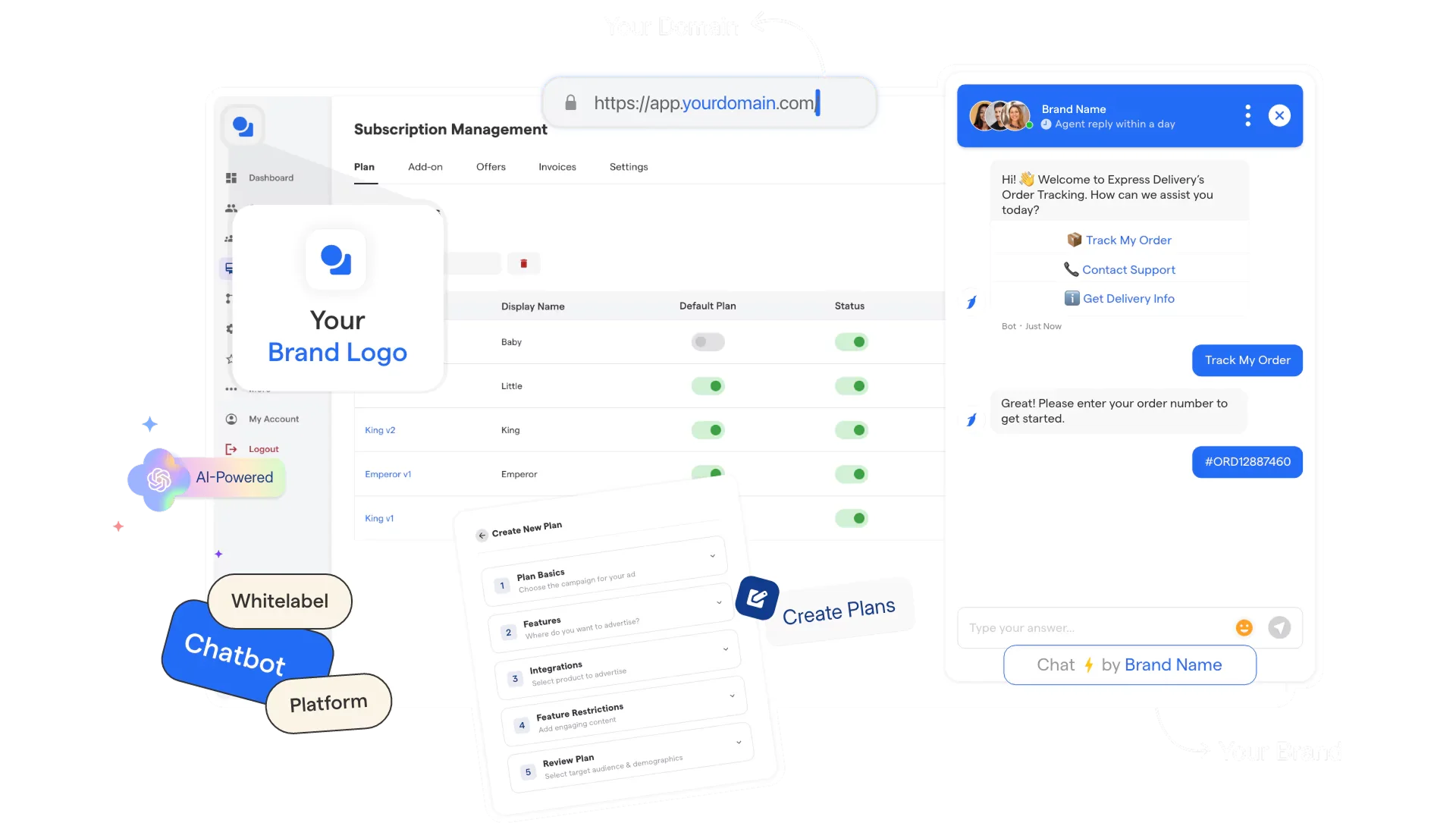
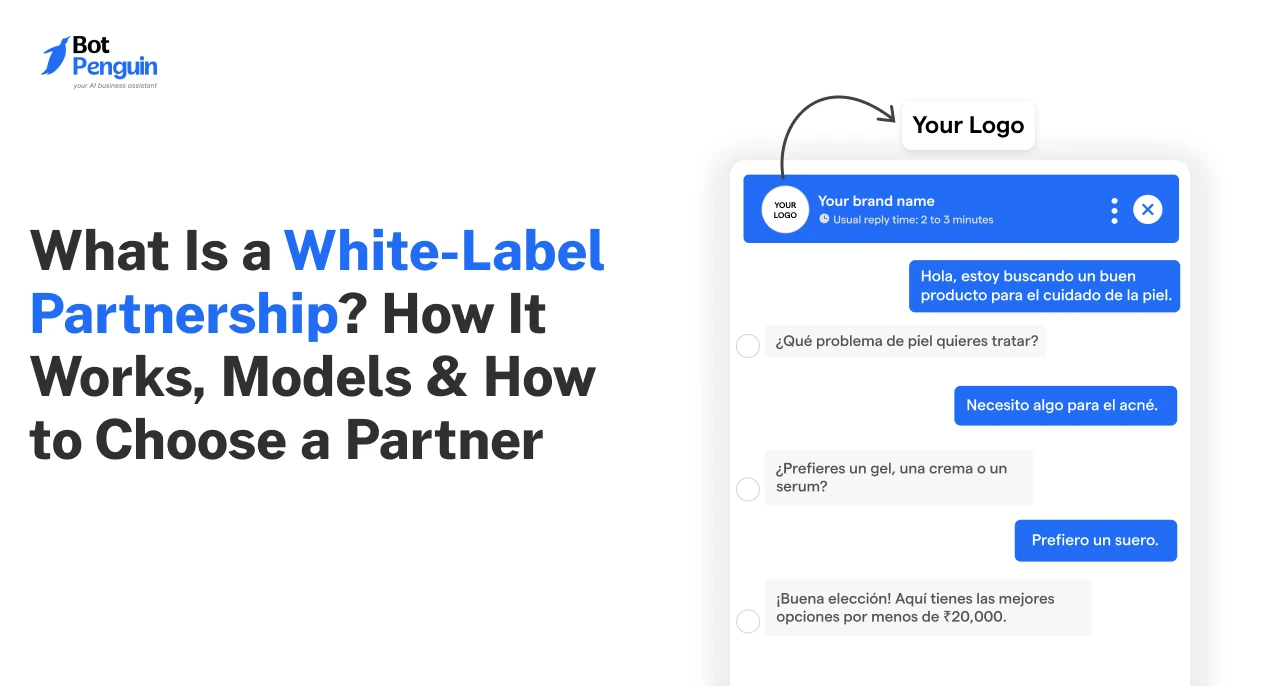
What Is a White Label Partnership? Models, Programs & How It Works
Updated at Oct 9, 2026
8 min to read

White label SaaS has quietly changed how software businesses start and scale.
You take a ready-made product, rebrand it, and sell it to clients like it’s yours. No development. No maintenance. Just launch, price, and grow.
If you’re reading this, chances are you already know how it works. What you need now is clarity on which platforms are actually worth reselling.
Not every tool offering “white label” features delivers the level of control or client-ready polish you’re looking for. That’s why we’ve reviewed 17 of the best white label SaaS software products available in 2026.
These tools go beyond surface branding and give you the freedom to create a seamless, professional experience for your users. Here’s what’s worth your attention.
The best white-label SaaS to resell should offer more than just a logo swap.
Start with branding depth. Check whether you can use your own domain, login page, dashboard, emails, checkout, and client-facing assets. The platform should feel like your product, not a lightly edited version of another company’s software.
Next, assess margin potential. Compare the base fee, client limits, usage charges, add-on costs, and your freedom to set prices. Predictable costs make it easier to protect profit as your client base grows.
SaaS reselling is only one way to build recurring revenue through white labeling. Our guide to white-label business opportunities explains other models that agencies and entrepreneurs can explore based on their skills, audience, and service capabilities.
Client stickiness matters too. Products connected to daily workflows, customer conversations, reporting, billing, or lead management are harder to replace. This can support stronger retention and recurring revenue.
Finally, evaluate channel fit. The strongest platform is the one your clients already operate on, whether that is websites, WhatsApp, CRM, social media, SEO, or e-commerce. Also check onboarding, partner support, and reseller resources before committing.
Before comparing platforms, understand the different types of white-label SaaS and how each model works.
If you are short on time, this table compares the best white label software to resell across major business categories.
It summarizes each platform’s category, practical use case, white-label entry price, and branding depth, giving you a direct view of white label SaaS pricing before the detailed reviews.
The best white-label SaaS software to resell lets agencies rebrand a finished platform, set their own pricing, and retain client relationships. Top picks in 2026 span chatbots, CRM, marketing, and SEO led by BotPenguin for omnichannel AI at a flat, unlimited-deployment white-label price.
(Disclaimer: Pricing and plan details are based on information available as of July 2026 and may change. Verify current pricing, features, limits, and white-label terms directly with each provider before purchasing.)
Looking specifically for AI-first platforms? Compare the best white label AI software to resell.
Each of the tools below has been reviewed for its actual white-label functionality, feature set, usability, and business value. We’ve focused on tools that offer real branding freedom, not just cosmetic control.
These reviews are written to help you compare comprehensively. Whether you’re reselling to clients, adding services to your agency, or launching your own branded SaaS product, this section will help you evaluate what fits best.
.webp)
Rating: 4.6 out of 5
Category: AI Chatbot Agent Builder
Best For: Marketing Agencies, SaaS Resellers, Web Development Studios, Customer Support Providers
White Label Strength: Full platform white labeling, unlimited client deployments, custom pricing control, multi-currency payments, and 100% partner revenue retention
BotPenguin is a no-code AI chatbot builder designed for resellers who want to launch branded automation tools without dealing with the backend. With over 4 years in operation and 150+ active white label partners, the platform has matured into a stable, scalable solution for chatbot reselling.
What sets BotPenguin apart as one of the best white label automation tools is its balance of powerful automation and simplicity. There’s virtually no learning curve; partners can launch in under 12 hours with full support, customizable pricing, and end-to-end white-labeling.
The platform is an official Meta Tech Provider, helping partners deliver WhatsApp automation through approved Meta infrastructure alongside website, Instagram, Facebook Messenger, Telegram, and voice deployments.
Additionally, BotPenguin is GDPR-, HIPAA-, and CCPA-compliant, ISO-certified, SOC 2-attested, and VAPT-assessed by a CERT-In impaneled auditor.
BotPenguin’s white-label plans start at $1,500 per year. The plan includes full platform branding and unlimited client deployments, while partners set their own prices and retain 100% of the revenue collected from clients.
Higher plans provide AI agents, AI voice agents, deeper API access, platform reconfiguration, and developer-side customizations.
BotPenguin is an excellent choice for those looking to enter the chatbot automation market with a powerful, brandable platform.
If you're seeking white label SaaS software for business with reliable support, end-to-end onboarding, and rapid go-to-market capability, see BotPenguin’s white-label plans without overcomplicating the process.
Rating: 4 out of 5
Category: All-in-One Sales & Marketing Automation Platform
Best For: Lead Gen Consultants, Funnel Builders, Digital Advertising Experts, CRM Specialists
White Label Strength: Full white label of software, mobile app, and domains
GoHighLevel is an all-in-one sales and marketing automation tool built with agency resellers in mind. It allows you to offer CRM, funnels, emails, SMS, scheduling, and reputation management—all under your own branding. What makes GoHighLevel unique is how far it goes with white labeling: even the mobile app, domain, and support can be customized.
Positioned among the best white label SaaS software tools, it’s especially appealing for agencies wanting complete control over the client experience. But this freedom comes with complexity. The system is powerful, but managing and customizing every element demands technical knowledge and a steep learning curve. It’s a platform that offers a lot, but also asks a lot.
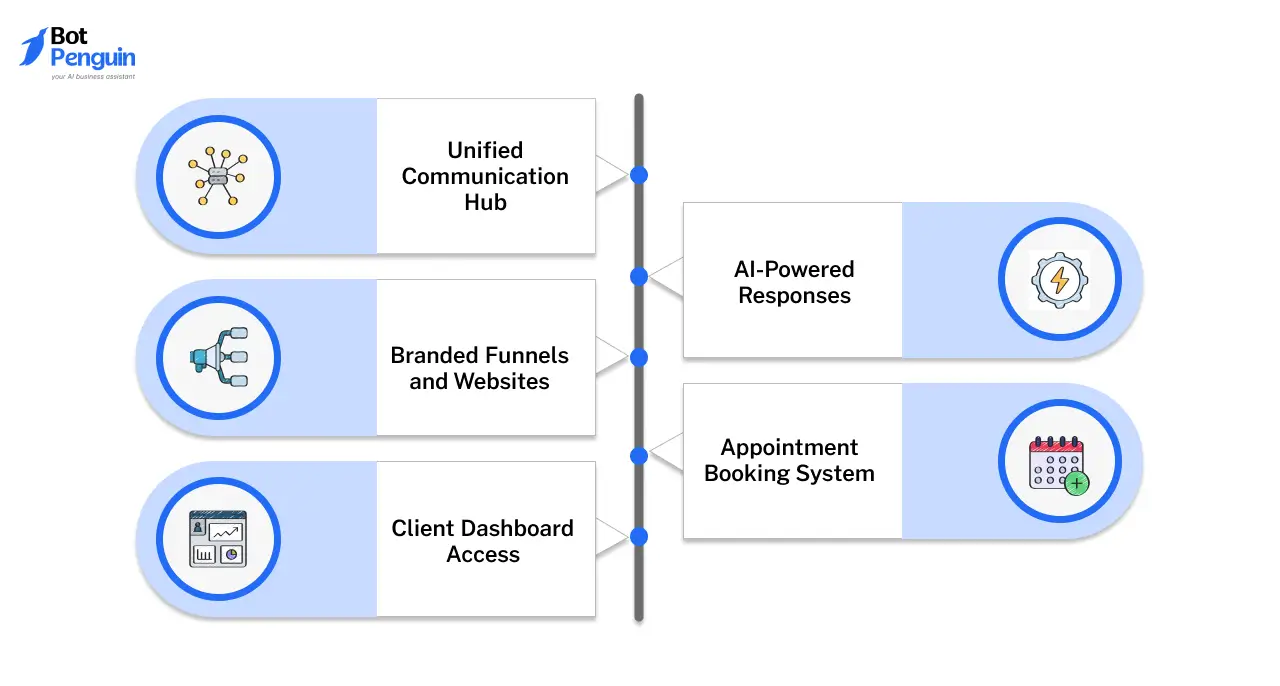
GoHighLevel’s white-label pricing starts at $297 per month. The plan gives agencies access to CRM, funnels, messaging, automation, custom domains, and client-facing platform branding, while advanced mobile app and SaaS capabilities may require higher-tier configurations.
GoHighLevel is a strong choice for resellers wanting full branding control over a sales and marketing toolkit. It’s well-suited for businesses that can handle some technical setup and are looking for an alternative to stitching multiple tools together.
A flexible, scalable option—but not the easiest one to master. Great for those serious about offering white-label SaaS software for businesses with deep customization.
Rating: 4.1 out of 5
Category: Sales & Marketing Platform for Local Business Resellers
Best For: Local Marketing Agencies, MSPs, Business Consultants, Web Design & SEO Agencies
White Label Strength: Marketplace model with rebrandable storefront and client access
Vendasta is an enterprise-grade platform designed for resellers looking to scale digital services under their own brand. It offers access to a massive white-labeled marketplace of SaaS products—covering listings management, reputation, SEO, CRM, email marketing, and more.
Agencies can create bundled solutions, onboard clients via a branded portal, and even outsource delivery to Vendasta’s in-house fulfillment teams. It also includes tools for lead generation, billing, and automated reporting.
The platform allows for deep rebranding across the client experience, from sales pipelines to support delivery. Among the best white-label SaaS options, Vendasta stands out for its scalability, though it demands a high level of commitment in onboarding, cost, and system familiarity.
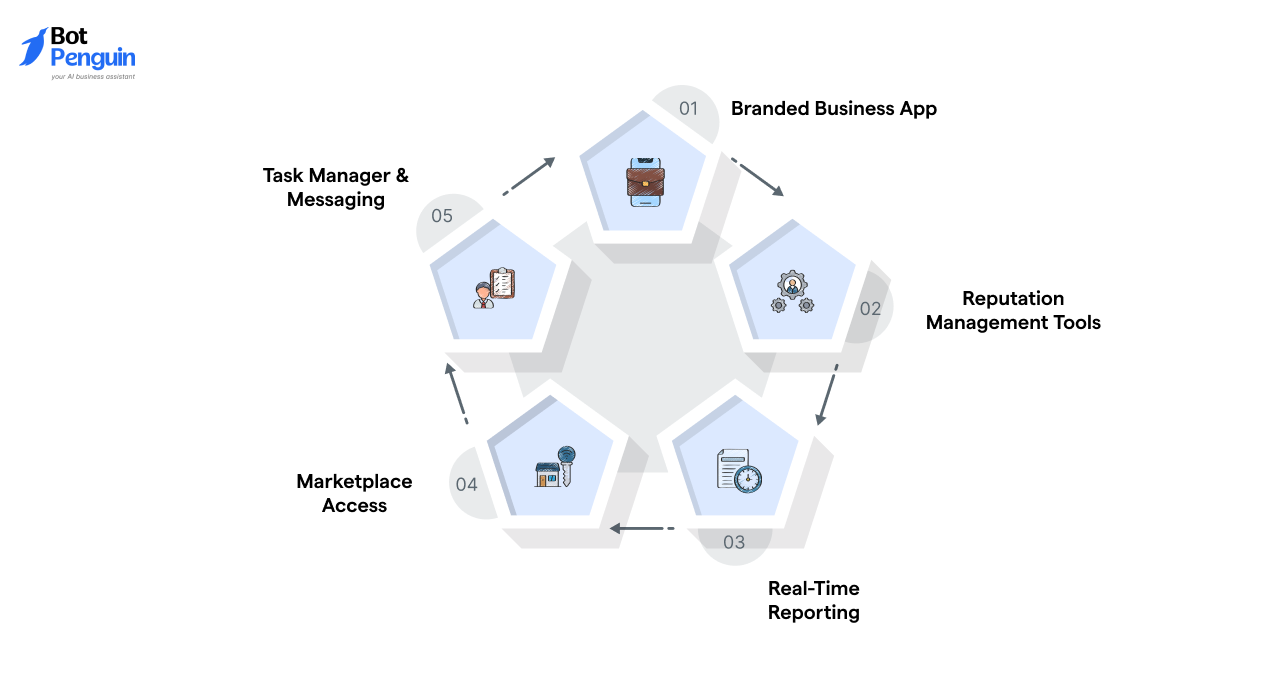
Vendasta’s white-label plans start at $499 per month. The plan includes access to a branded storefront, business app, client portal, and a marketplace of digital products and services that agencies can package and resell.
Vendasta is ideal for mature agencies that want to resell white-label SaaS software for businesses at scale. It excels in breadth and operational support, but smaller resellers or those looking for affordable or free software may find it more than they need.
A solid platform—if you're ready to invest time, budget, and team effort.
Rating: 4.2 out of 5
Category: AI-Powered Copywriting & Marketing Content Generator
Best For: Content agencies, freelance copywriters, SEO firms, marketing coaches
White Label Strength: Resell-ready white label SaaS with full brand control and license management
ClosersCopy, available for white labeling through the Sell SaaS program, is an AI-driven copywriting platform built for businesses that want to sell smart content tools without the hassle of building from scratch.
What makes it stand out is its simplicity as a white-label SaaS software for businesses. You get complete control over the interface, pricing, and branding—including URL and dashboard design.
The Sell SaaS backend handles licensing, payments, and software updates. It’s not just about offering an AI writer—it’s about launching a ready-to-sell product under your name.
Among the best white-label SaaS options, ClosersCopy is one of the few that focus purely on copywriting, with business-ready resale logistics. It helps users generate high-converting emails, sales pages, ads, and even full marketing campaigns using customizable AI templates.
ClosersCopy’s white-label access starts at $99.99 per month. The plan allows resellers to offer branded AI copywriting tools through a customized domain, dashboard, pricing structure, and controlled user access.
ClosersCopy via Sell SaaS is a smart pick for those wanting to resell a focused, conversion-driven AI tool. Its licensing ecosystem and ease of setup make it beginner-friendly yet scalable.
If your business revolves around copywriting or digital marketing, this ranks among the best white-label SaaS options available today. It won’t replace a full marketing suite, but for targeted value, it gets the job done.
Rating: 4.3 out of 5
Category: Client Portal & Business Management Platform
Best For: Freelancers, service agencies, consultants, online coaches
White Label Strength: Custom domain, UI branding, and client portal ownership
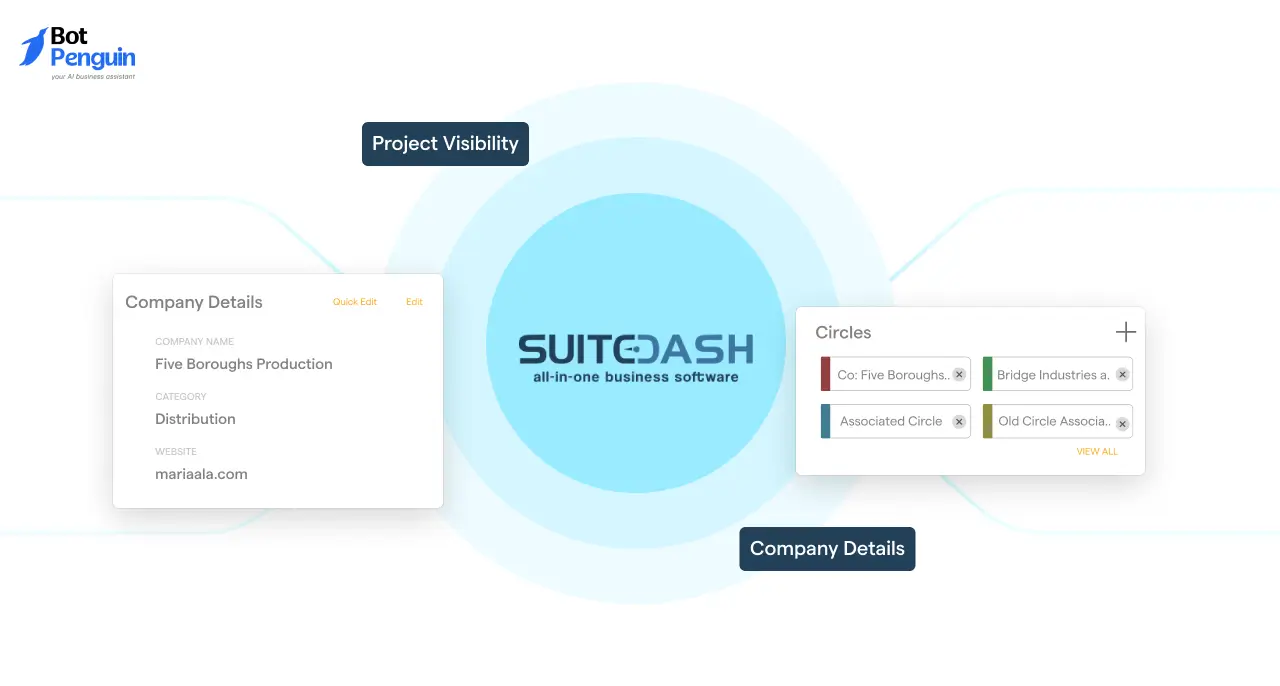
SuiteDash is an all-in-one business platform that brings together CRM, client portals, invoicing, file sharing, project management, and internal communication. Built for service-based businesses, it provides end-to-end capabilities to streamline operations and enhance brand control.
Its white-label features include full interface customization, branded client portals, custom email domains, and complete back-end ownership, making it ideal for resellers aiming to offer polished, intuitive business tools.
With SuiteDash, users can build client-friendly portals under their own domain, send secure invoices, share files, and track project progress. The platform ensures a cohesive, professional experience that reflects your agency or consultancy brand—no SuiteDash logo visible anywhere.
SuiteDash’s white-label plans start at $99 per month. The plan supports full interface branding, custom domains, branded emails, client portals, CRM, billing, file sharing, and project-management features.
SuiteDash is a solid pick for service professionals seeking white-label SaaS software that integrates billing, CRM, project management, and client collaboration. It offers exceptional value and brand control in one package.
If your needs focus on core business operations rather than marketing automation, SuiteDash is among the best white-label SaaS options for streamlined client delivery and professional branding.
Rating: 3.9 out of 5
Category: Business Suite Reselling Platform
Best For: Freelancers, Affiliate Marketers, Digital Agencies, Tech Entrepreneurs
White Label Strength: Custom domain, basic UI branding, and limited client portal control
ResellMe is a reseller-focused platform built to help you start your own branded SaaS business without coding or backend setup. It packages a variety of tools, ranging from invoicing to CRM and scheduling, and lets you sell them under your own pricing and brand. The core appeal lies in speed and simplicity: users can launch their white label SaaS brand in hours.
While ResellMe may not have as many deep customization options as more technical platforms, it’s ideal for non-tech-savvy users looking to enter the SaaS reselling space quickly.
It positions itself as an entry-level gateway to the world of best white-label SaaS software, especially if your goal is to resell tools rather than build one.
ResellMe is free to join for Premium members. Eligible members can access its reseller ecosystem and launch a branded small-business toolkit with custom domain support and basic interface customization.
ResellMe is a fast, simple way to enter the SaaS reselling space, especially if you're a freelancer or a small agency without developer support. While it lacks depth of customization, it makes up for it with plug-and-play ease.
It's a suitable starting point if you want to learn how to resell white-label SaaS software for businesses with minimal friction.
Rating: 4.0 out of 5
Category: Marketing & Agency Management Platform
Best For: Digital Agencies, Marketing Consultants, SEO Freelancers, Small Business Coaches
White Label Strength: Custom domain, full UI branding, client portal ownership, and white-labeled fulfillment services
DashClicks is built specifically for digital agencies looking to offer marketing services at scale without needing a full in-house team. It combines CRM, analytics, reporting, reputation management, and even white-labeled fulfillment for SEO, ads, and content—all inside one dashboard. Agencies can fully white label the platform and client-facing tools to reflect their own brand.
The real edge with DashClicks lies in its end-to-end reselling system. You can sell services like PPC and SEO that DashClicks fulfills in the background while you manage the client relationship.
This makes it one of the best white-label SaaS picks for agencies that want to grow fast without hiring.
DashClicks’ white-label plans start at $199 per month. The plan includes branded dashboards, custom domains, client-facing reporting, agency-management tools, and access to marketing services that can be resold under your brand.
DashClicks is a strong choice if you want to scale your agency without hiring a full team. It delivers on its promise of done-for-you services, packaged neatly under your own brand.
If you’re focused on white label SaaS software for business in the marketing or consulting space, DashClicks can help you build recurring revenue fast, with the right budget and oversight.
Rating: 3.8 out of 5
Category: Digital Marketing Analytics & Reporting
Best For: Marketing Agencies, SEO Freelancers, PPC Specialists, Data Analysts
White Label Strength: Custom domain, full branding on reports and dashboards, client portal access
Oviond is a client reporting and dashboard platform designed for agencies managing digital marketing performance. It brings together data from over 120 integrations—Google Ads, Facebook, LinkedIn, SEO tools, and more—into one unified space. Its standout feature is the ability to create beautiful, branded reports and live dashboards with drag-and-drop ease.
For those reselling SaaS tools focused on analytics and client transparency, Oviond is a lean, reliable option. While it doesn’t offer broader service management or fulfillment features like some other top white-label SaaS picks, it excels at one thing: making reporting simple and client-friendly.
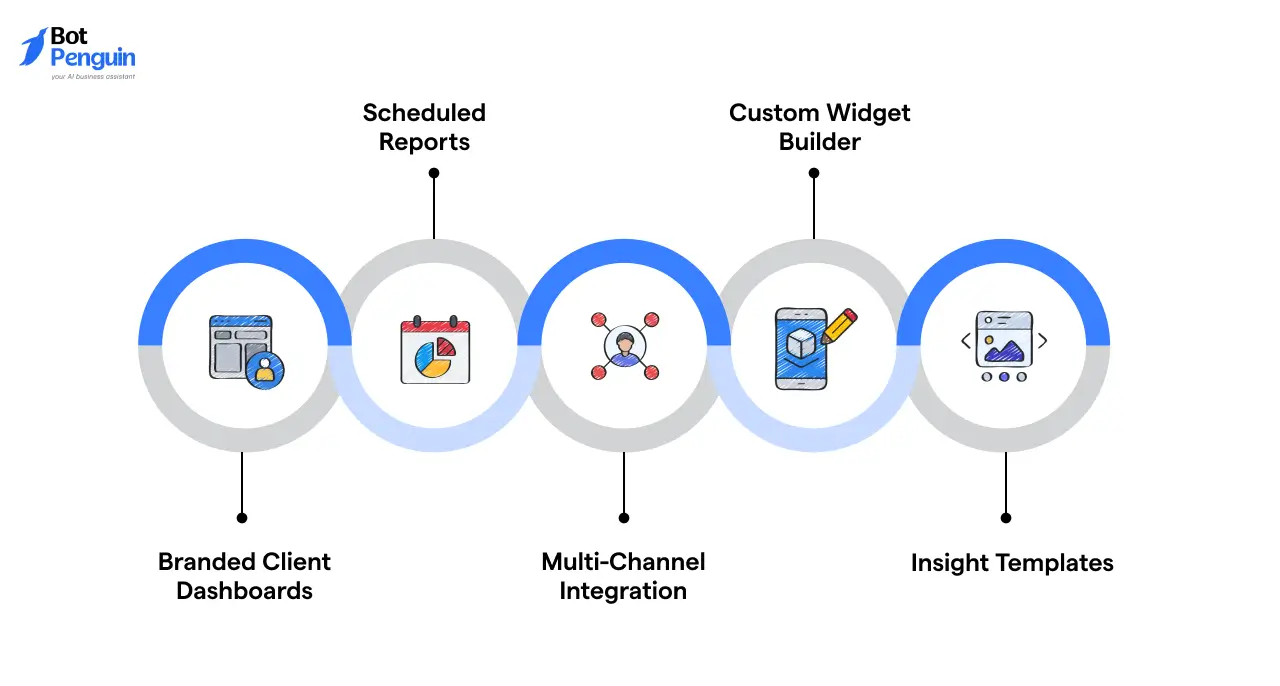
Oviond’s plans start at $49 per month. The entry plan provides branded marketing dashboards, reports, custom domain options, client portal access, and integrations for consolidating campaign data.
Oviond is best suited for agencies that want to streamline client reporting and look polished while doing it. It’s not a full-service white-label suite, but it's a great add-on for resellers focused on analytics and transparency.
If you’re looking for white label SaaS software for business reporting, Oviond does the job with a clean design and minimal setup.
Rating: 4.1 out of 5
Category: Client Management & Invoicing Platform
Best For: Freelancers, Digital Agencies, Service-Based Startups, IT Consultants
White Label Strength: Custom domain, branded client portal, UI branding, and email white labeling
Clientjoy is a client relationship and revenue management platform built for service businesses. It combines CRM, invoicing, proposals, scheduling, and client communication into one cohesive system. Its white-label program allows resellers to fully rebrand the platform, from the login screen to client-facing emails.
If you’re looking to resell white-label SaaS software for business service workflows, especially for freelancers and small agencies, Clientjoy is an excellent contender. It focuses on simplifying the client journey and helping businesses look more professional with branded portals and documents.
Clientjoy’s white-label plans start at $99 per month. The plan includes CRM, proposals, contracts, scheduling, invoicing, branded client portals, custom domains, and email customization.
Clientjoy is ideal for agencies and freelancers looking to sell a complete client management solution without having to build one from scratch. It offers good white label value in a clean, professional package.
If your focus is on reselling white-label SaaS for service-based businesses, Clientjoy is a practical choice that checks most boxes.
Rating: 4.2 out of 5
Category: Business Management Suite
Best For: Agencies, Consultants, Freelancers, SaaS Product Owners
White Label Strength: Custom domain, full UI branding, client portal white labeling, branded emails
Agiled is a powerful, all-in-one business operating system designed to help agencies and professionals manage clients, projects, finances, and HR—all under one roof. Its white-label program stands out for its deep branding options, making it a compelling choice for those who want to resell top white-label SaaS software without building from scratch.
The platform is modular, allowing resellers and end users to turn features on/off based on their needs. This flexibility makes it ideal for customizing client experiences. Agiled also includes client onboarding automation, recurring billing, and employee tracking, which few other platforms in this list offer at the same scale.
Agiled’s white-label plans start at $199 per month. The plan includes full interface and domain branding, branded client portals, custom emails, CRM, projects, finance, HR, and other business-management tools.
Agiled is ideal for those who want to offer a complete business management suite under their own brand. It’s feature-rich, white-label ready, and provides deep utility across multiple workflows.
If you’re looking to resell one of the most flexible white-label SaaS software for business tools, Agiled is a strong contender, especially for consultants and agencies.
Rating: 4.1 out of 5
Category: Subscription Billing & Revenue Management
Best For: SaaS Founders, Agencies, Affiliate Marketers, Tech Consultants
White Label Strength: Custom domain, branded checkout pages, white-labeled client portal, transactional email branding
Pabbly Subscriptions is a billing automation and subscription management tool designed for SaaS businesses and resellers. It allows you to create and sell subscription-based products with full control over pricing, billing cycles, invoicing, and customer communication.
As part of the best white-label SaaS landscape, Pabbly stands out for its straightforward setup and no-code approach to monetizing SaaS tools. Its intuitive dashboard, robust analytics, and flexible checkout options make it especially popular among professionals who need a quick way to start generating recurring revenue.
Pabbly Subscriptions’ white-label plans start at $149 per month. The plan supports custom domains, branded checkout pages, customer portals, recurring billing, invoicing, and transactional email customization.
If you're looking to resell a niche-focused white label SaaS software for business, Pabbly Subscriptions is a solid pick. It’s not an all-in-one suite, but what it does—subscription billing—it does well, with strong branding options and zero transaction fees.
Rating: 3.8 out of 5
Category: All-in-One Business Toolkit
Best For: Solopreneurs, Affiliate Marketers, Digital Agencies, Online Coaches
White Label Strength: Custom branding, subdomain support, reseller dashboard access
Zuitte is a multi-purpose business suite originally built for entrepreneurs running online businesses. It combines over 50 marketing, analytics, automation, and productivity tools into one platform.
As one of the best white-label SaaS options, Zuitte offers a focused white-label program that lets you resell the entire suite under your own brand.
From SEO tools and social media schedulers to email marketing and funnel builders, Zuitte’s toolbox caters to small teams that want everything in one place.
Its white-label plan is marketed to resellers who want to launch quickly without building tools from scratch, making it attractive for those looking to offer a wide range of services under their own name.
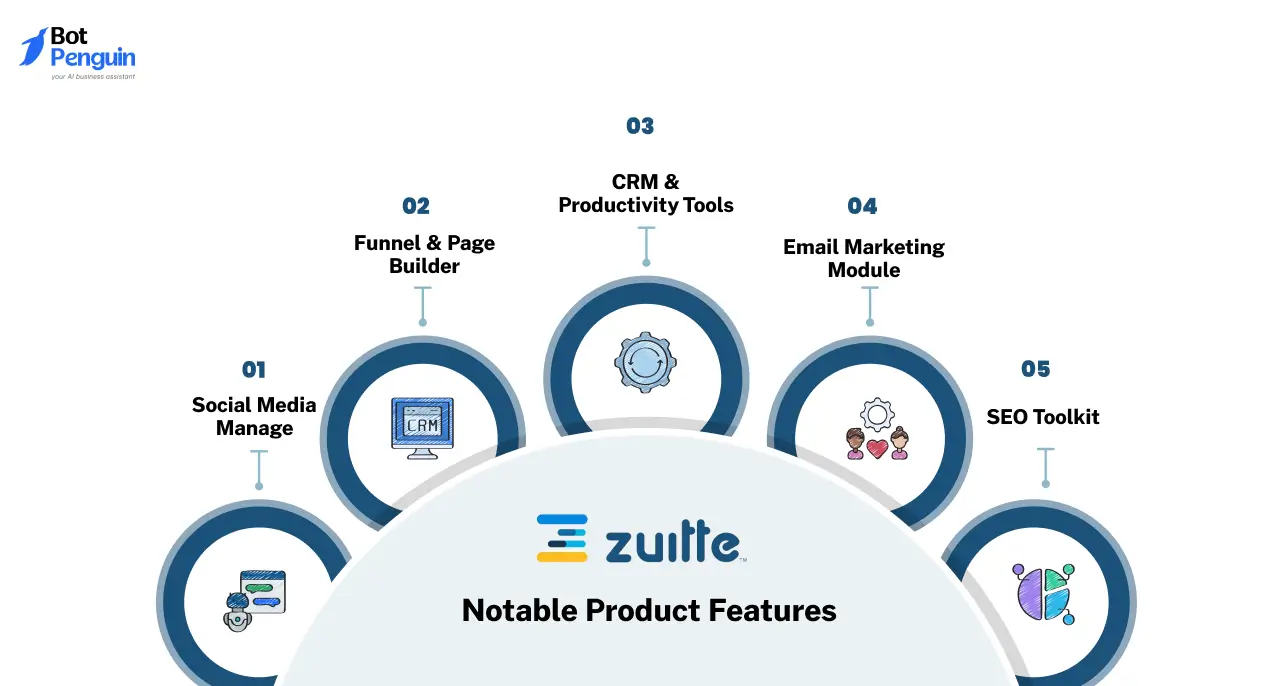
Zuitte’s white-label plans start at $79.99 per month. The plan provides resellers with access to a branded business toolkit featuring logo customization, a custom subdomain, reseller dashboard access, and multiple marketing and productivity tools.
Zuitte is a strong contender for entrepreneurs who want to resell a broad set of tools without building them individually.
While it lacks flexibility in customization, it provides solid value if your audience wants plug-and-play white-label SaaS software for businesses with lots of utility features out of the box.
13. Funnelish (Agency Plan)
Category: Funnel Builder & eCommerce Automation
Best For: Funnel Agencies, Digital Marketers, eCommerce Consultants, Affiliate Managers
White Label Strength: Full dashboard rebranding, custom domain, and client project isolation
Funnelish is a modern funnel builder designed specifically for high-converting sales funnels and eCommerce automation.
With its Agency Plan, Funnelish offers white-label access for agencies that want to resell funnel-building services under their own brand. It includes features that allow you to fully rebrand the dashboard, isolate client workspaces, and manage accounts from a unified backend.
This makes Funnelish a compelling pick among the best white-label SaaS platforms for those targeting e-commerce clients or digital products. Its smooth UX, combined with built-in conversion tools like one-click upsells, bump offers, and deep Shopify integration, helps resellers deliver high-performance solutions without having to code anything from scratch.
Funnelish’s Agency Plan starts at $197 per month. The plan includes dashboard branding, custom domains, separate client workspaces, funnel-building tools, e-commerce automation, and centralized account management.
Funnelish stands out as a funnel-centric white-label SaaS platform for businesses, especially if your client base involves e-commerce or product sales.
It may not have a full CRM suite, but if you’re looking to resell modern funnel automation under your own brand, this one’s built for conversion-driven results.
Rating: 3.8 out of 5
Category: Client Onboarding & Proposal Management
Best For: Marketing Agencies, Freelancers, Sales Consultants, Client Onboarding Specialists
White Label Strength: Custom domain setup, dashboard branding, and branded proposals
AgencyJoy is a lightweight SaaS product designed to simplify client onboarding, proposal creation, and CRM management—packaged neatly into a white label format. Its users can generate fully branded proposals, manage sales pipelines, and even automate initial client workflows under their own identity.
While AgencyJoy doesn’t boast the depth of larger CRM platforms, its niche focus makes it a great fit for agencies that want a simple white label SaaS tool that covers onboarding without added complexity. It positions itself among the best white-label SaaS software for managing early stages of the client lifecycle with minimal setup.
AgencyJoy access starts at $49 for a single code through AppSumo-style lifetime promotions. The offer generally includes branded proposals, contracts, CRM workflows, dashboard customization, and client-onboarding tools, though deal availability and included limits may vary.
For white label partners looking to offer a niche SaaS focused on client onboarding and proposal management, AgencyJoy is a simple yet appealing choice.
It allows you to brand the entire experience—from proposals to pipelines—without having to deal with complex tech setups.
While it's not built for large-scale operations, it fills a valuable gap in the early client lifecycle. A strong pick for resellers targeting solo consultants, boutique agencies, or service professionals who need a clean, branded solution.
Rating: 4.0 out of 5
Category: Website Builder White Label Platform
Best For: Web Designers, Marketing Agencies, Freelancers, Creative Studios
White Label Strength: Studio-branded dashboard, client portal control, and domain masking
Weblium is a no-code website builder that also offers a white label Studio Plan for agencies looking to deliver modern websites under their own brand. Under the Studio Plan, agencies get a white-labeled workspace, branded communications, and complete control over pricing, billing, and project delivery.
Unlike platforms like Wix or Squarespace, Weblium focuses on enabling resellers and partners to run a website-building business at scale. You don’t need to be a developer. You just manage client projects under your agency’s brand using a streamlined backend.
It comfortably earns a spot among the best white-label SaaS for website-design-focused resellers, especially those catering to local businesses or small brands.
Weblium’s white-label agency plan starts at $288 per year. The plan includes a branded studio dashboard, client portal access, domain masking, website-building tools, and agency-level project management.
As a white-label partner, Weblium gives you everything you need to offer professional websites under your brand without hiring developers. It’s best suited for freelancers or creative agencies looking to run a streamlined website-service business.
The platform’s ease of use, client-ready dashboard, and reseller control make it a reliable pick for selling white-label SaaS software to businesses in the web design niche.
You can also compare the best SaaS reseller programs to explore more platforms designed for software resale and recurring revenue.
Rating: 3.8 out of 5
Category: Social Media Management & Referral Marketing Platform
Best For: Social Media Agencies, Marketing Consultants, Influencer Managers, Digital Entrepreneurs
White Label Strength: Agency dashboard branding, custom domain, and branded client reports
Sociamonials is a social media management platform designed with agencies in mind. It offers not only scheduling and automation tools, but also features for referral campaigns, video testimonials, and social contests.
With its white-label program, agencies can rebrand the platform, set their own pricing, and deliver social media services with a fully customized experience. It allows partners to resell a broader solution, positioning themselves not just as content managers but also as growth enablers.
Sociamonials’ white-label plans start at $399 per month. The plan includes agency dashboard branding, custom domains, branded reports, social media management, referral campaigns, and client account administration.
Sociamonials offers white label partners the ability to do more than just post on social media—it helps them drive measurable growth.
If you're looking to resell white label SaaS software for business in the marketing space, this platform gives you both flexibility and differentiation.
Rating: 4.1 out of 5
Category: AI Chatbot & Automation Builder
Best For: Automation Agencies, Freelancers, SaaS Consultants, Lead Gen Experts
White Label Strength: Full branding control, custom domain, client account isolation, and pricing autonomy
UChat is a flexible chatbot and automation platform designed for businesses that want to build and resell powerful conversational flows across multiple channels. It supports automation on Facebook Messenger, WhatsApp, Instagram, Telegram, SMS, voice, and even websites, making it a true multi-channel tool.
The white-label program gives you complete branding rights, your own domain, and the ability to resell at your own pricing structure.
There’s also a solid API system and workflow automation builder, which gives partners more technical room to build advanced use cases. For those targeting chatbot-based white-label SaaS for business, UChat is a strong contender.
However, the platform's power also makes it a bit complex for non-tech users, and setup can feel overwhelming without proper onboarding.
UChat’s Partner Program starts at $199 per month. The plan includes full platform branding, custom domains, client account management, pricing control, and tools for reselling omnichannel chatbot and voice automation services.
UChat is a great fit if you're targeting businesses that need automated engagement across multiple platforms.
The learning curve is there, but for automation-savvy resellers, it opens doors to building and selling versatile AI chatbot solutions under your brand. It’s especially ideal if you're building a niche around automated lead gen or customer support.
By now, you've seen how the top platforms compare in branding control, pricing, and overall value. But simply picking the most feature-rich option doesn’t guarantee success.
Choosing the best white-label SaaS software depends on how well the tool fits your audience, sales model, and operational needs.
Here are three important criteria to keep in mind before you commit.
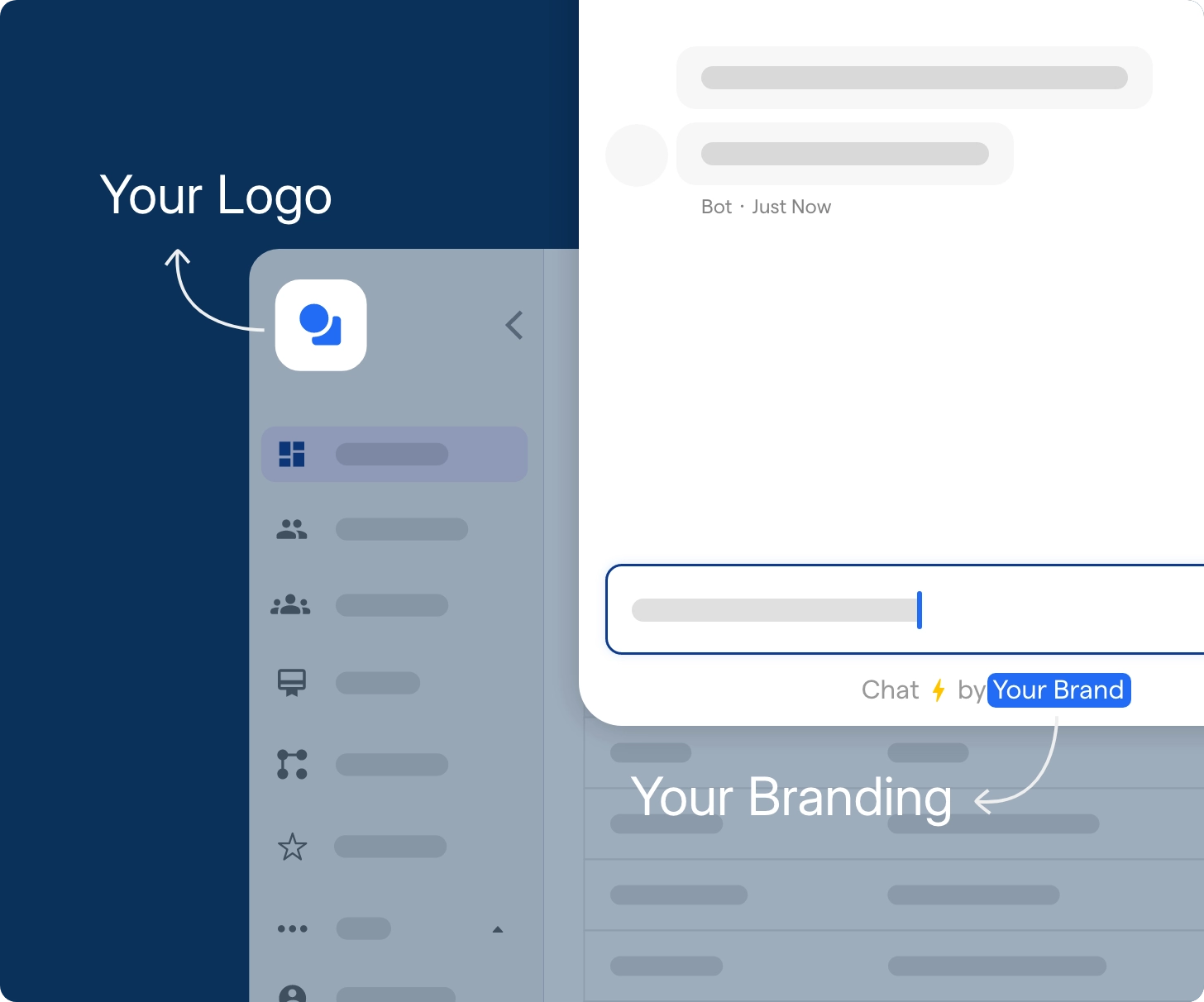
If your clients interact with the software directly, branding isn't optional—it’s essential.
Prioritize tools that allow you to:
Stronger branding flexibility helps you build trust, retain clients longer, and charge more confidently.
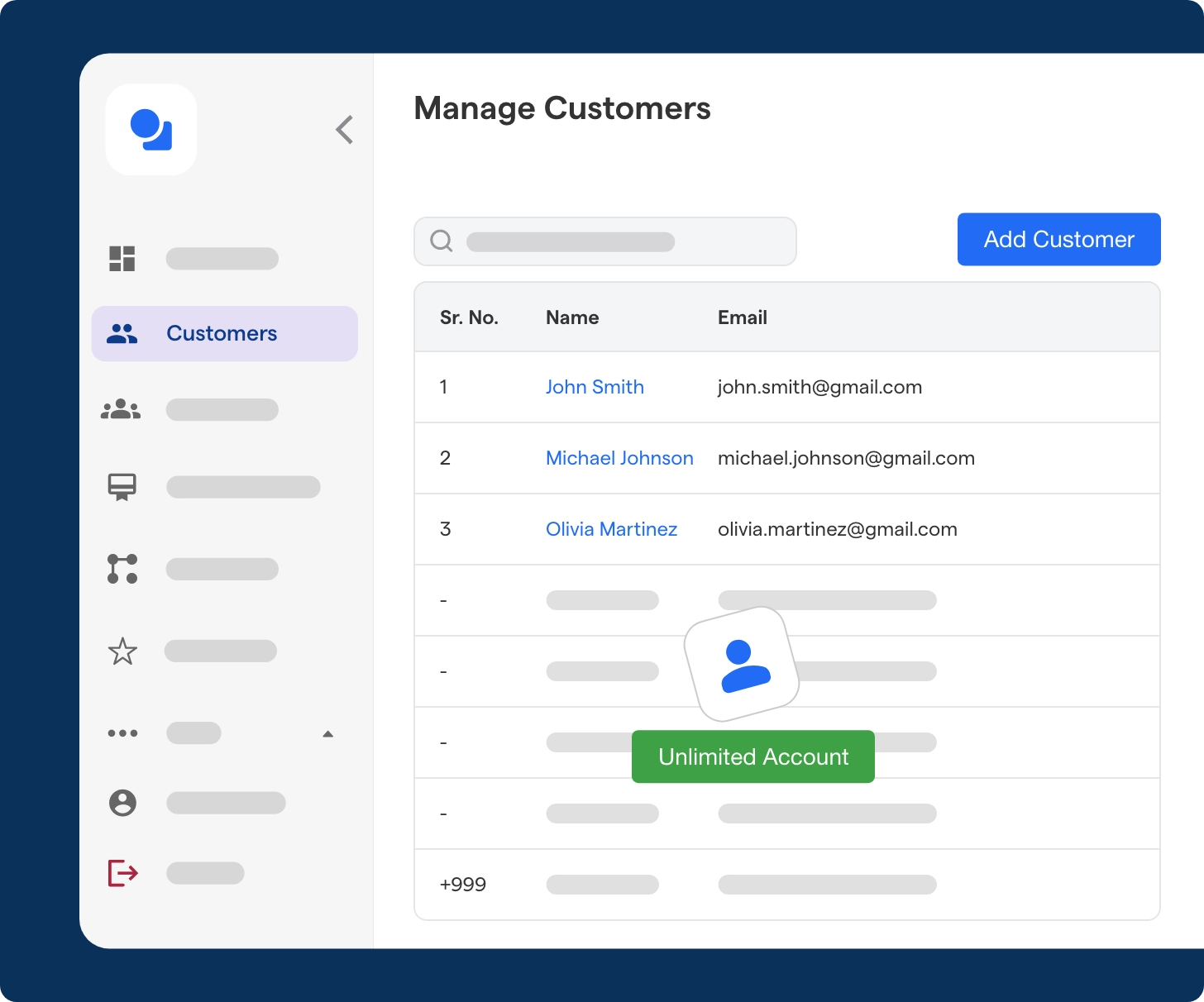
Your growth depends on how well the platform supports your backend operations. A great white label SaaS software for business includes:
These features not only save you time but also elevate the customer experience without requiring extra hires.
While many platforms advertise “free” trials or entry plans, true white-label SaaS free tiers are rare and usually limited.
Free plans often exclude key reselling features like full branding, client management, or automation. They might work for early testing, but they rarely support serious revenue goals.
For long-term success, consider software with clear pricing, upgrade paths, and strong reseller margins. Think of it as an investment in scalability.
The best white-label SaaS software isn't just about product features—it's about striking the right balance among branding control, operational ease, and sustainable pricing. Use these criteria to narrow your options and focus on platforms that align with your reselling strategy from day one.
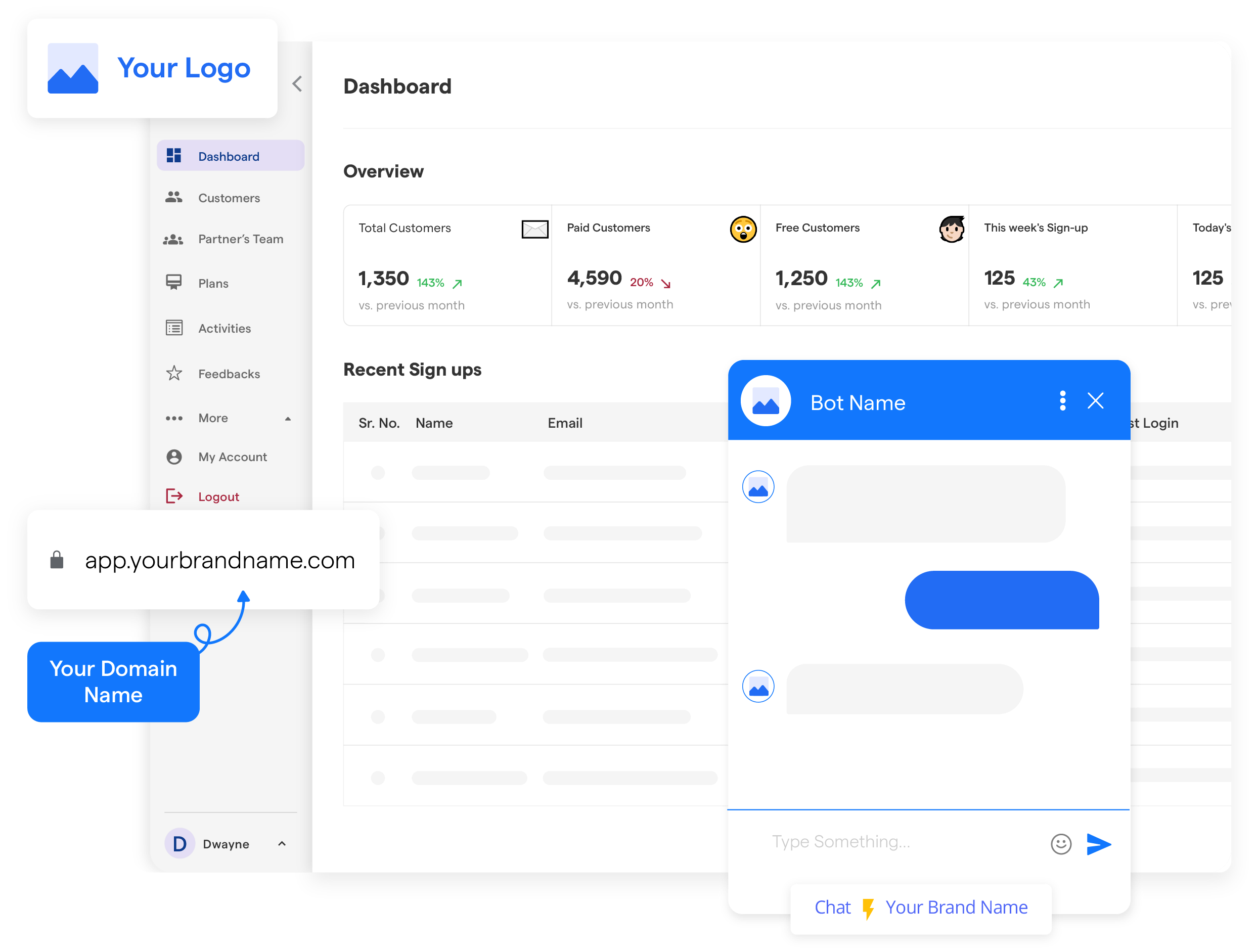
Once you’ve shortlisted platforms based on key buying criteria, it’s just as important to step back and evaluate the broader trade-offs of entering the white label SaaS space.
While the best white label SaaS software can unlock scalable income, it also comes with operational expectations that vary by platform.
Here’s a breakdown of both sides to help you approach this model with realistic expectations.
Most white-label SaaS software for businesses enables you to launch under your own brand without writing a single line of code. This is a huge advantage for agencies, consultants, and digital entrepreneurs looking to expand their service portfolio fast.
Other benefits include:
These perks make the model especially appealing to solopreneurs or teams with limited tech bandwidth.
Despite the advantages, no platform is perfect. Some limitations include:
Knowing these upfront helps you avoid surprises and select a platform that aligns with your risk tolerance.
Like any business model, white-label SaaS comes with trade-offs. The right choice blends low operational friction with long-term growth potential, especially if you're clear on both the platform's pros and its limitations.
Choosing the best white label SaaS software isn’t just about features or pricing—it’s about fit. Throughout this guide, you’ve seen how different platforms serve different needs, from quick-to-launch tools for solo entrepreneurs to deeply customizable systems for advanced agencies.
What matters most is aligning your choice with your niche, business model, and the level of control you want over your brand and client experience. So, take a moment to revisit the comparison table and the in-depth reviews. Whether you’re just starting out or looking to expand your SaaS offerings, those insights will help you make a confident, informed decision.
And if you’re looking for a no-code AI chatbot platform that balances speed, customization, and long-term partner support, BotPenguin is worth a closer look. With 150+ partners and a proven track record, it might just be the smart starting point for your white-label journey.
The best white label SaaS to resell for profit depends on your niche, but strong options combine predictable costs, full branding, recurring client demand, and pricing freedom. BotPenguin fits agencies selling omnichannel chatbot automation because plans start at $1,500 per year, support unlimited client deployments, and let partners retain 100% of client revenue.
Yes, but it depends on data portability and platform architecture. Many white-label SaaS tools offer limited migration options, so it’s best to verify contract terms, data exportability, and integration flexibility before committing.
You set your own pricing based on your market, the cost of the SaaS tool, and value-added services such as onboarding, customization, or integrations. Many tools, such as Botpenguin, offer ROI calculators or partner support to help you create your pricing model.
Some platforms charge extra for advanced branding, mobile apps, additional user seats, or API access. Always check whether features like client support, integrations, and updates are included or cost a premium.
Yes. Some platforms let you white-label several products, features, or communication channels from one account. BotPenguin, for example, supports branded deployments across websites, WhatsApp, Instagram, Facebook Messenger, Telegram, and voice, enabling partners to serve diverse client needs through a single white-label ecosystem.
Top white label SaaS software providers offer dedicated partner support, knowledge bases, onboarding calls, and marketing kits. Some also assign account managers or developers to handle custom requests and provide technical guidance.
Risks include platform dependency, limited backend control, and sudden changes in pricing or policy. Vet providers thoroughly, understand their roadmap, and ensure they offer solid SLAs and data protection policies.
Build a Profitable Chatbot Business
Offer clients branded, pre-built SaaS solutions with ease and scalability—start your journey by sharing your details now.
Submit Details & Get StartedCheckout our related blogs you will love.
Updated at Oct 9, 2026
8 min to read

Updated at Oct 9, 2026
12 min to read
Updated at Oct 8, 2026
10 min to read
Updated at Oct 7, 2026
15 min to read
Updated at Oct 6, 2026
9 min to read

Updated at Oct 1, 2026
11 min to read
Table of Contents
