


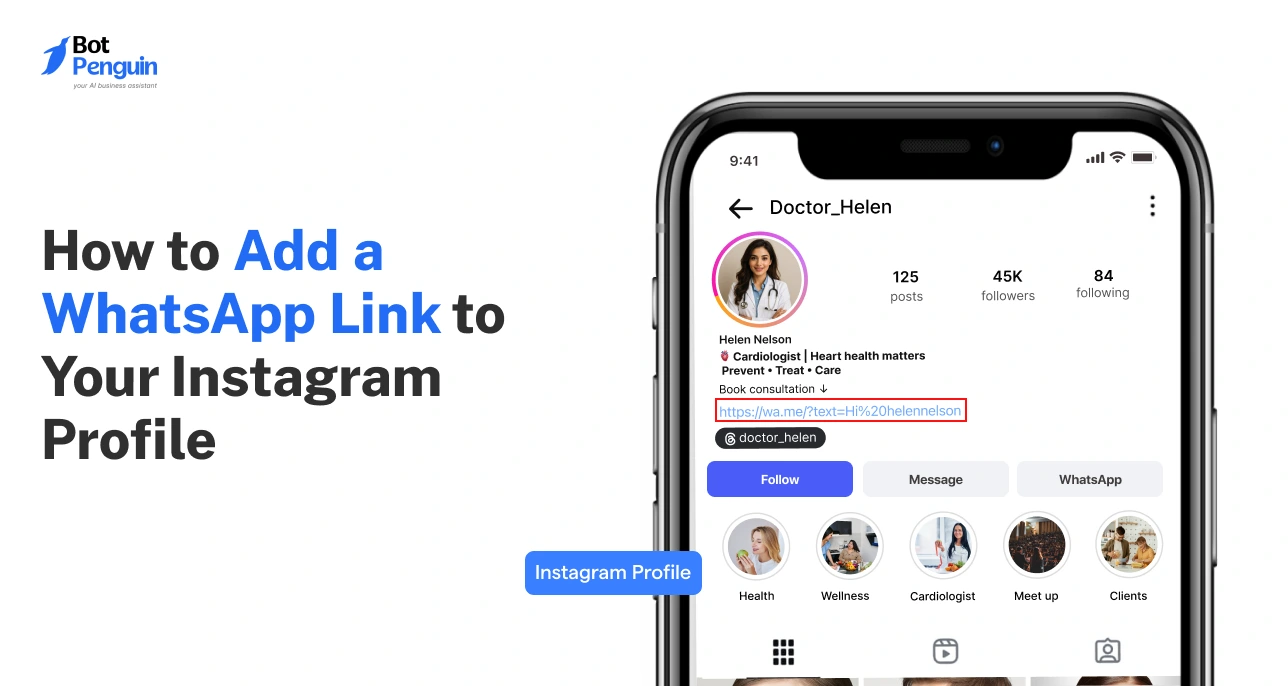
How to Add a WhatsApp Link to Your Instagram Profile
Updated at Oct 8, 2026
14 min to read
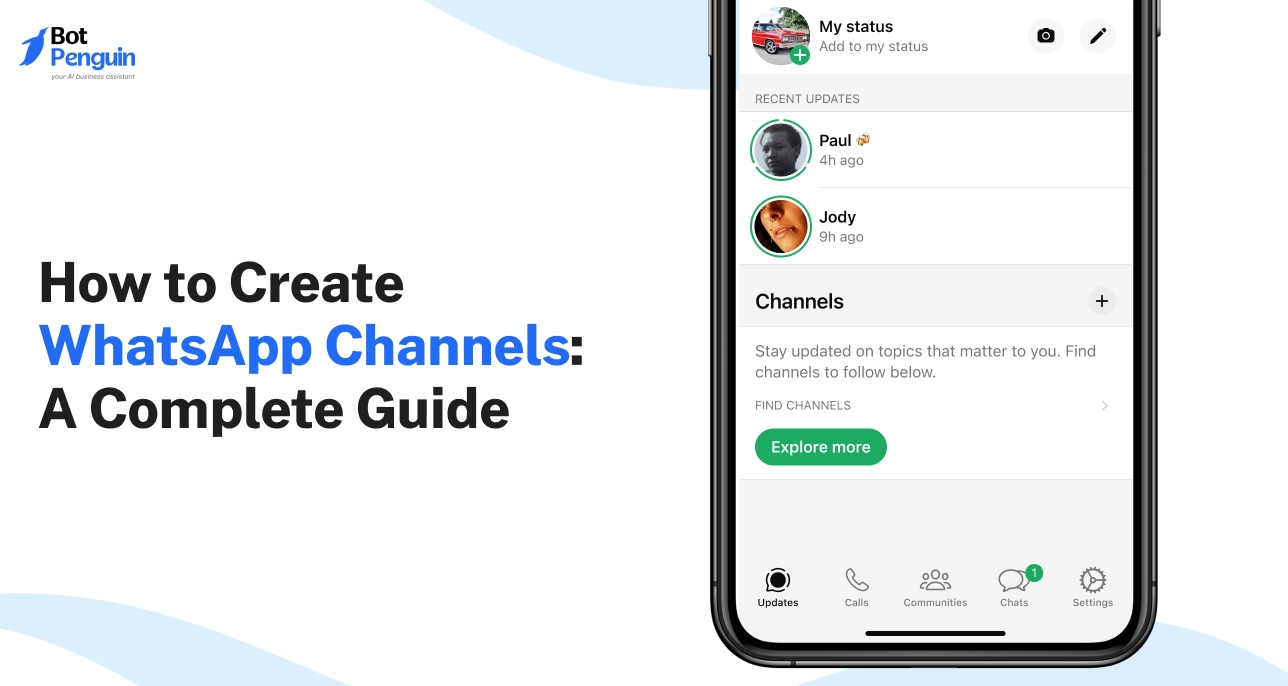
Staying connected with your audience is no longer a choice. It’s a necessity.
While social media platforms and email newsletters often feel crowded and ignored, WhatsApp has emerged as a quiet but powerful channel. With over 2 billion users, it offers a direct line to your community, customers, or followers.
But here’s the catch. Traditional tools on WhatsApp, like groups and broadcasts, come with limits. Too much noise, limited reach, and no real discoverability.
That’s where WhatsApp Channels step in. They give you a one-way broadcast tool, built for public communication. Whether you’re a creator, business owner, or community leader, learning how to create WhatsApp Channels can help you scale your updates without clutter.
In this guide, we’ll break down exactly how to create WhatsApp Channels. You’ll also learn who can create one, which devices support it, how to customize your channel, and how to grow your followers with ease.
Let’s get started.
Most people don’t want to reply. But they just want to know about the updates, alerts, breaking news, offers and the kind of stuff you want to hear but not necessarily talk about.
This is where WhatsApp Channels come in. Quiet, one-way, and built for scale.
Instead of noisy group chats or one-to-one threads, channels let a single sender share updates with unlimited followers. Followers don’t need to save your number. They can’t message you back. And that’s the whole point.
For example, imagine a school admin sharing exam updates, or a news portal pushing top stories every hour. There’s no room for clutter or replies. Just clean information delivery. That’s the power of creating WhatsApp Channels—clarity, reach, and control.
It’s not replacing your WhatsApp group. It’s giving you a separate lane altogether.
Let’s break it down.
Think of WhatsApp Groups like roundtables. Everyone talks. Everyone listens. It’s perfect for conversations—but a disaster for announcements.
In contrast, channels are like a stage. You speak. Others watch, react, and follow.
Groups require mutual contact saving. Channels don’t. Groups are capped at a few thousand members. Channels scale to millions.
If your goal is to collaborate or brainstorm, groups still win. But if you're trying to broadcast, update, or alert, WhatsApp Channel creation is your go to choice.
Because attention is expensive, and distractions are everywhere.
Brands, creators, schools, and even public figures are now using channels to cut through the noise. No ads. No algorithms. No DM fatigue.
For instance, an NGO can push daily stories from the field. A retail chain can send deal alerts every Friday. A YouTuber can share behind-the-scenes drops. No likes. No shares. Just pure reach.
People are creating WhatsApp Channels because they work. They’re direct, personal, and impossible to miss in a WhatsApp notification tray.
Anyone who needs to keep people informed. Not entertained. Not engaged. Just informed.
If you’re looking to broadcast information without replies, this is built for you.
That’s the basics. You now know what WhatsApp Channels are, how they differ from groups, and who’s using them.
Next, let’s talk about who can create WhatsApp Channels and where they’re available. Because access matters.
Some users open WhatsApp every day hoping the “Create Channel” option will finally appear.
Others already have it—and don’t realize they do.
The truth is, WhatsApp Channel creation depends on three things:
📱 Your device
🌍 Your country
🔐 Your account type
This section covers everything: who qualifies, where the feature is available, and how device and account types affect access. If you're stuck wondering why you can't see the option or how to begin, this guide clears it all up.
Not all devices offer the same channel creation experience.
So if you’re using WhatsApp Web or an older app version, don’t expect to find the “+ Create Channel” button. Update first, then check mobile.
WhatsApp Channels officially went global in September 2023, expanding to 150+ countries.
You don’t need to be a brand, influencer, or verified account to start a channel.
In short, any WhatsApp user—personal or business—can create a channel, provided they meet the device and region requirements.
Now that you know where and how channel creation works, it's time to dive into the step-by-step guide for each platform.
You can't start from the web. That’s the first surprise.
WhatsApp Channel creation is only supported on Android and iOS. Most users waste time looking for options that simply don’t exist on desktop.
If you're wondering how to create WhatsApp channel, this section clears it all—platform by platform, straight from WhatsApp’s official.
We cover Android, iPhone, and what’s possible on Web and Desktop (Mac/Windows). Follow this if you want to avoid tapping around blindly.
Android users can create WhatsApp channel directly from the app. But it only works if your WhatsApp is up to date and your region supports Channels.
Once created, your channel appears under Updates. You can now share, post, and manage it easily.
📌 Use case: A clothing brand uses this to push daily restocks and flash offers to followers—without group chat clutter.
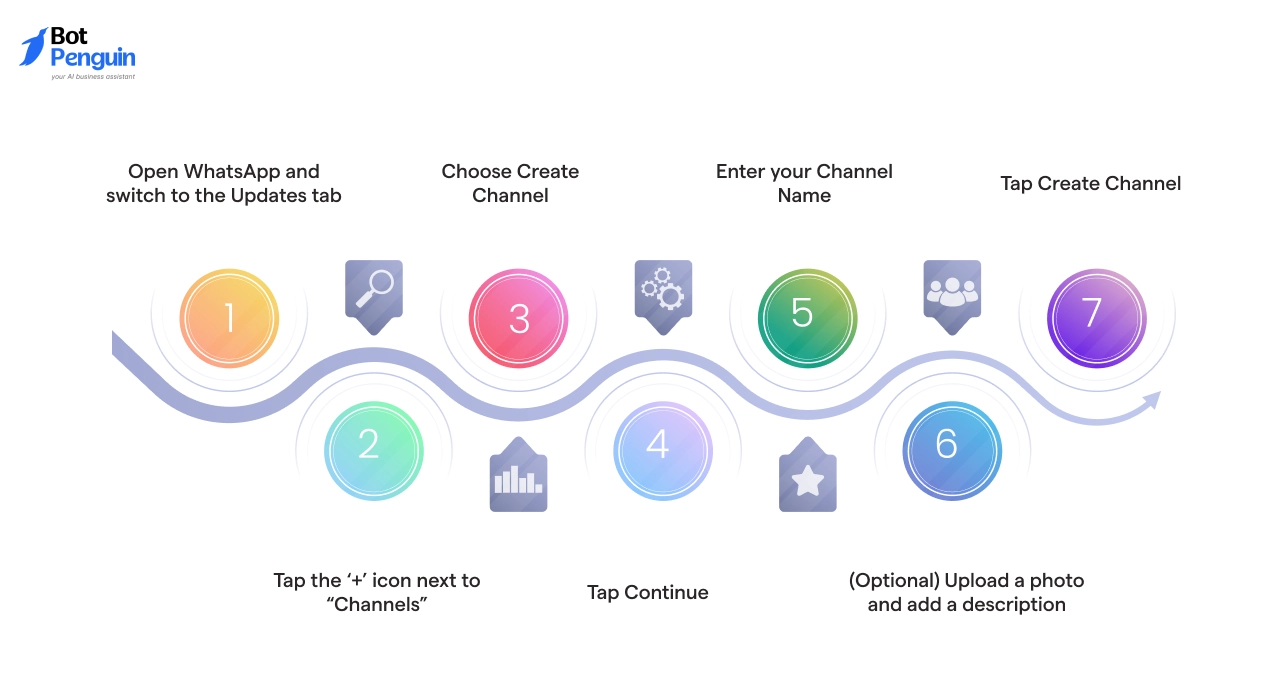
On iPhone, the steps are similar—but with iOS-style design tweaks. As always, ensure the app is the latest version.
Your new channel will now show up in the Updates tab with all admin tools ready.
📌 Use case: A school uses it to broadcast exam notices and event updates to parents—without direct messaging them.
Here’s the truth: You can’t create a WhatsApp Channel from Web. That’s by design.
But you can manage your existing channel using WhatsApp Web once it’s created via mobile.
📌 Use case: A digital agency creates the channel on mobile, but uses the Web version to schedule and manage daily content.

Same rule applies. You can’t start a channel from WhatsApp’s desktop app, whether Mac or Windows.
Still, the desktop version allows channel access and moderation after it’s made.
📌 Use case: A nonprofit starts the channel on phone, but runs updates from a MacBook during field events.
Up next, we’ll guide you through setting up your Channel Name, Icon, Description, and Visibility Settings—because how your channel looks decides who hits "Follow".
Most channels look the same.
And that’s exactly why most are ignored.
If your channel feels generic, people won’t stay—even if your content is solid. The real difference lies in how you present it from day one. Personalization gives your channel a face, a tone, and a purpose.
Now that your WhatsApp channel creation is complete, it’s time to make it your own.
Here’s how to customize everything that matters:
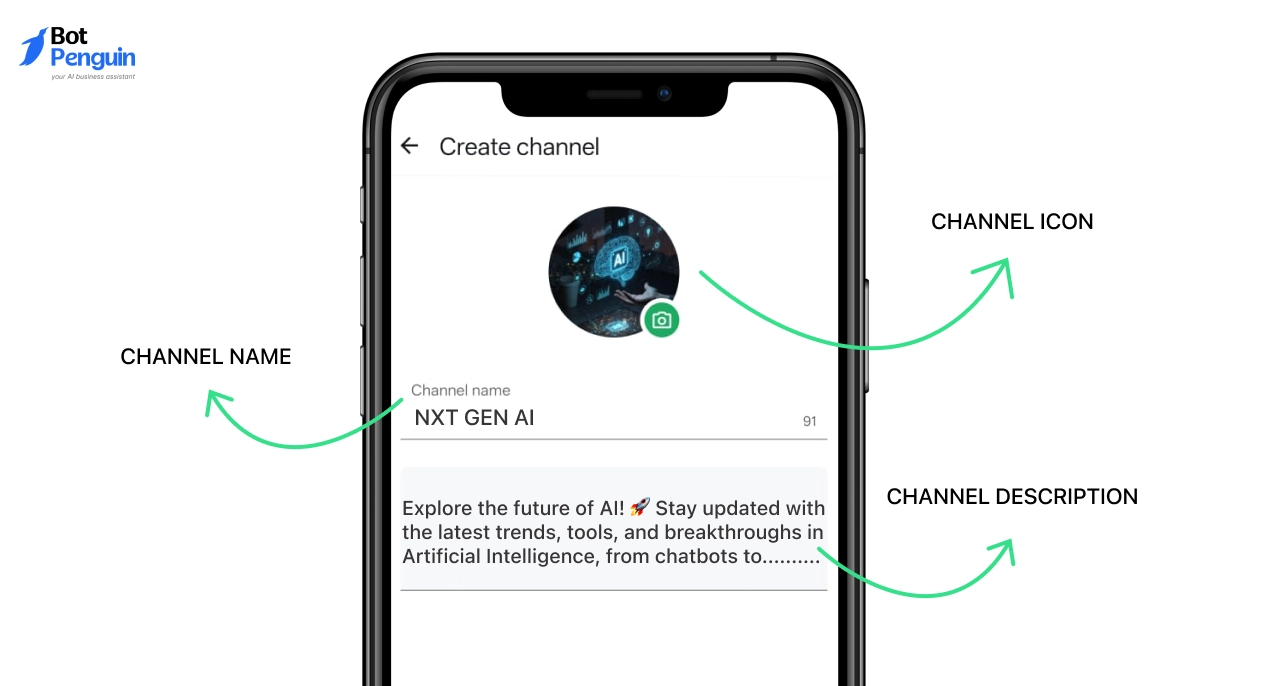
Your identity starts here.
Channel Name: Make it short, clear, and brandable. Avoid emojis or ALL CAPS. You want people to remember it, not scroll past it.
Channel Icon: Use a square image—preferably your logo or a clean visual that represents you. WhatsApp crops it to a circle, so keep the subject centered.
Channel Description: This is your 99-character elevator pitch. Tell people what kind of updates they'll get and why it matters. Think “Instant job alerts” or “Weekly design insights.”
These three are the first impression. Make them count.
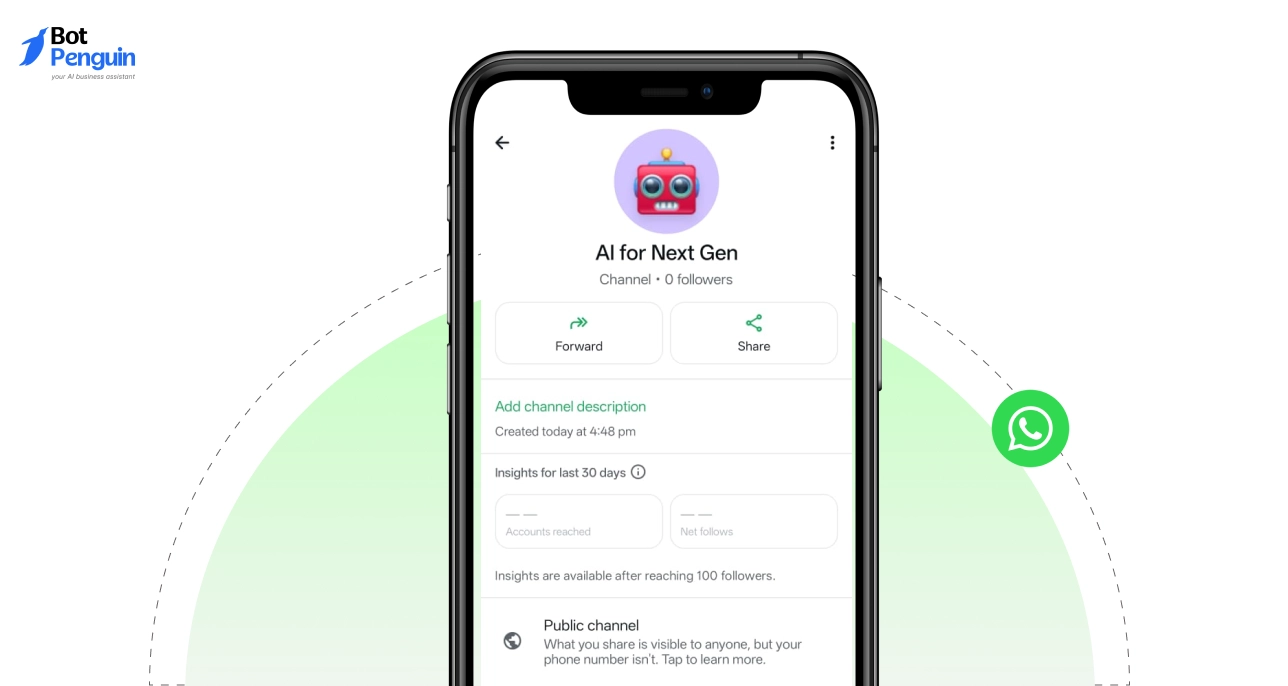
Not all audiences are the same.
WhatsApp gives you three visibility options when creating WhatsApp channel. Each has a purpose.
You can update this anytime based on your strategy.
Posting isn’t enough. Presentation matters too.
WhatsApp lets you pin important updates, making them stick to the top of the channel feed. Think of it like a welcome message or a key announcement.
You can also delete outdated posts or edit them (if you’ve made a typo or want to update information).
Pinned updates are especially useful during campaigns, launches, or onboarding new followers.
Setting up a channel is easy. But shaping it into something people recognize and trust—that takes thoughtful customization.
And once it’s all set, the next step is spreading the word.
In the next section, we’ll show you how to share and promote your WhatsApp channel to get your first 100+ subscribers.
You may have figured out how to start WhatsApp channel setup, but without strategic promotion, your efforts stall. The moment you hit "create," your real work begins—getting it in front of the right eyes.
Here’s how to do that, step by step:
Your invite link and QR code are the official entry passes to your channel. WhatsApp gives you both—use them smartly.
You’ll now see:
Links reduce effort. QR codes add visual recall. Together, they make it easy for people to join without downloading anything—especially useful for those unfamiliar with the WhatsApp channel download process.
Promotion needs to be intentional. Not loud—strategic.
Don't just say “Follow our WhatsApp Channel.” Say “Get daily flash sales first” or “Access exclusive member-only tips.”
Your audience needs repetition. See, click, join. That’s the loop.
Creating your WhatsApp Channel is half the story. Sharing and promoting it, across the right channels, is how you unlock growth.
Creating a WhatsApp Channel won’t fix your customer communication gaps.
It gives you visibility. Not conversions. Not conversations.
You might create WhatsApp channels thinking they’ll replace DMs or chats. But they don’t.
Channels are built for broadcasting. You can post updates, images, and links — but your audience can’t respond.
So if you're Googling how to make a WhatsApp channel for sales, support, or lead capture — this is your signal to pause.
Let’s walk through what WhatsApp channel creation allows — and where it stops.
Even if you create a WhatsApp channel on iPhone, Android, or web, these limits stay the same.
You open WhatsApp channel and start posting regularly. But there’s no engagement, no opt-ins, and no pipeline movement.
You wanted reach, but what you needed was response.
That’s the core limitation of WhatsApp channel creation. It’s not built for business outcomes — yet.
So what’s next?
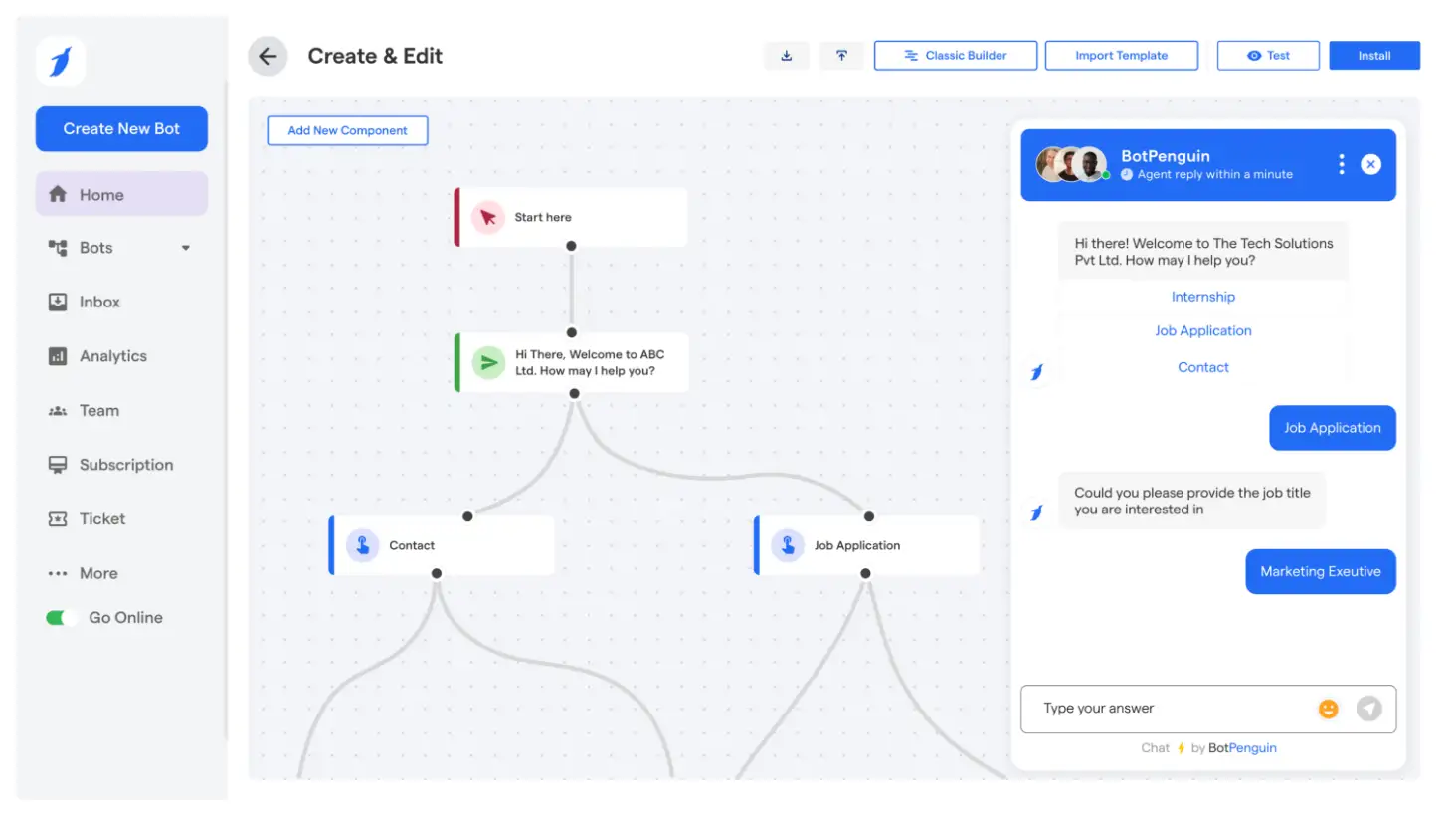
Creating a WhatsApp Channel helps you broadcast. But it won’t help you convert.
You don’t just need reach — you need action.
You need to turn your followers into leads, and your messages into revenue.
That’s exactly where BotPenguin comes in.
But we make your WhatsApp work smarter — and harder — for you.
Skip the silence of one-way channels. Set up real-time chat flows, customer support bots, and sales journeys with ease.
From first hello to follow-up drip — BotPenguin helps you automate your entire WhatsApp funnel. No more manual chasing.
Track opens, clicks, replies, and user behavior across every conversation.
No guesswork — just clean analytics.
No tech team? No problem.
You get drag-and-drop simplicity, smart templates, and instant WhatsApp API access — all in one place.
👉 Create a smarter WhatsApp presence — Start for free with BotPenguin →
Yes, you can create WhatsApp channels with just a personal account—no business account or verification needed. It works the same across Android and iOS.
You can’t. To make channel on WhatsApp, ensure you're running the latest app version. Channel features roll out only on updated WhatsApp versions.
No, WhatsApp channels create no cap on followers. Anyone can join via link or search if your channel is public or searchable.
You can open WhatsApp channel directly from WhatsApp Web. Go to ‘Updates’ tab → ‘Channels’ → Select your created channel.
Anyone! Who can create WhatsApp channel? Everyone with the latest WhatsApp version globally.
To start WhatsApp channel, create one on WhatsApp, then connect it to BotPenguin to automate updates, track performance, and engage followers without manual effort.
3X Your Business
Growth on WhatsApp
See how our chatbot automates replies, qualifies leads & books appointments on autopilot.
Watch Demo NowCheckout our related blogs you will love.
Updated at Oct 8, 2026
14 min to read
Updated at Oct 6, 2026
13 min to read
Updated at Sep 26, 2026
10 min to read

Updated at Sep 25, 2026
15 min to read

Updated at Sep 25, 2026
6 min to read
Updated at Sep 24, 2026
10 min to read
Table of Contents

