


Introduction
Bing and ChatGPT have emerged as two prominent AI chatbots, each offering unique capabilities.
Bing, developed by Microsoft, combines robust search engine power with advanced natural language processing.
At the same time, ChatGPT, created by OpenAI, excels at human-like language generation thanks to its cutting-edge GPT technology.
When it comes to text creation and question-answering, both chatbots impress. Bing's responses are well-informed and factually accurate, while ChatGPT's outputs are remarkably articulate. However, ChatGPT's reliance on pre-existing data can lead to outdated information.
Regarding user experience, Bing's tight integration with Microsoft's ecosystem makes it seamless for businesses, while ChatGPT's versatility allows access through various platforms.
Conversationally, ChatGPT shines with its natural dialogue, while Bing's strength lies in its informative responses.
As you navigate these AI assistants, consider your specific needs—whether they're factual accuracy, seamless integration, or human-like interaction.
Explore their capabilities and discover which one can best enhance your digital experience.
Meet Bing and ChatGPT
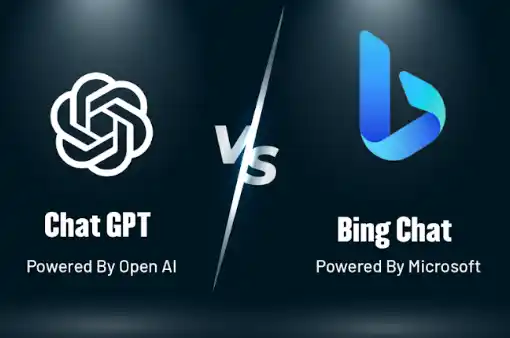
Two prominent contenders in the world of AI assistants are Bing, developed by Microsoft, and ChatGPT, created by OpenAI.
Let's look at Bing AI and ChatGPT at what these chatbots offer.
Bing: Microsoft's AI Assistant Powered by Prometheus
Thanks to its powerful underlying technology, Prometheus, which combines search capabilities with Natural Language Processing (NLP) techniques, Microsoft's Bing is an AI assistant.
Prometheus: The Brains Behind Bing - Combining Search and NLP Capabilities
Prometheus enables Bing to understand user queries better and provide more accurate answers by leveraging its search engine capabilities and NLP algorithms.
This combination enhances the overall user experience.
Unique Features of Bing Chatbot
Bing offers some unique features that set it apart from other chatbots in the market:
Image Generation: Bing can generate images based on user requests, offering a visual element to enhance communication and make it more engaging.
Integration with Microsoft Products: Bing seamlessly integrates with various Microsoft products, such as Microsoft Office and Teams, expanding its functionality and making it convenient for users.
Demystifying ChatGPT: OpenAI's Powerhouse Chatbot with GPT Technology
ChatGPT, developed by OpenAI, is a powerful chatbot that utilizes the cutting-edge GPT (Generative Pre-trained Transformer) technology.
Exploring the GPT-n Architecture - The Core of ChatGPT
ChatGPT's strength lies in its GPT-n architecture, which allows it to generate human-like responses by leveraging advanced language models. This capability enables more effective and natural conversations.
Free vs Paid Options: Unlocking the Full Potential of ChatGPT
While ChatGPT offers free access, there is also a paid subscription option called ChatGPT Plus. Subscribers enjoy benefits like faster response times and priority access during peak usage, maximizing the chatbot's potential.
In the next section, we will compare Bing and ChatGPT capabilities.
Capabilities Compared Between Bing vs ChatGPT: Functionality of Bing AI and ChatGPT
In this section, we will compare Bing AI and ChatGPT capabilities, focusing on their text generation and content creation abilities, as well as their question-answering and information retrieval skills.
Text Generation and Content Creation: Who Writes Better?
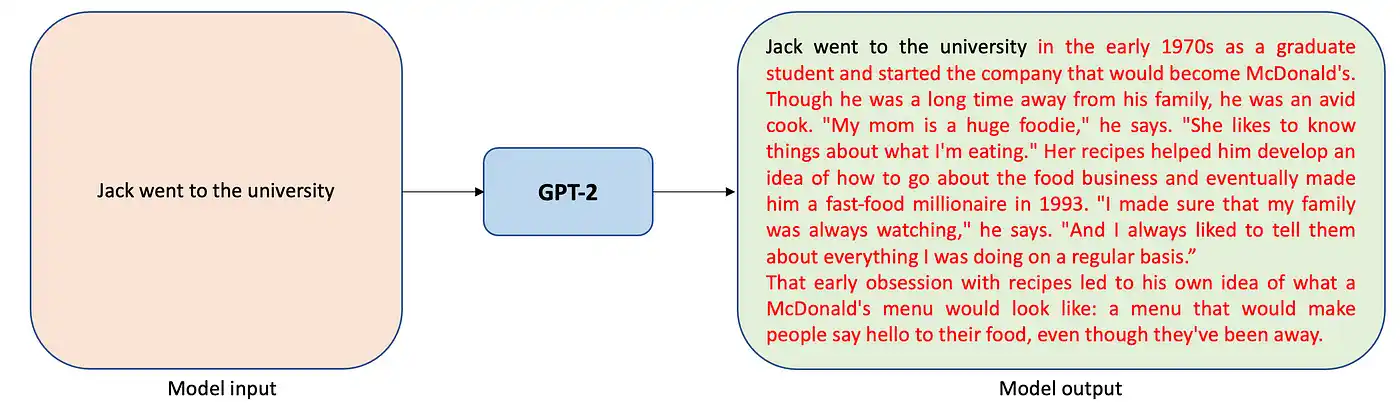
The ability to generate text and create engaging content is essential for chatbots. Let's examine how Bing and ChatGPT stack up in this area.
Evaluating Bing's Text Generation Skills
Bing boasts impressive text-generation capabilities. It can generate descriptive and informative responses based on user queries, ensuring accurate and relevant information.
This makes Bing a valuable tool for creating well-written content.
Analyzing ChatGPT's Content Creation Capabilities
ChatGPT's content creation skills are powered by GPT technology, which enables it to generate human-like text. It can produce cohesive and eloquent responses, making it a reliable companion for content creators.
However, it's important to note that ChatGPT's responses may only sometimes be factual or accurate, as it rely on pre-existing internet data.
Question Answering and Information Retrieval: Finding the Right Source
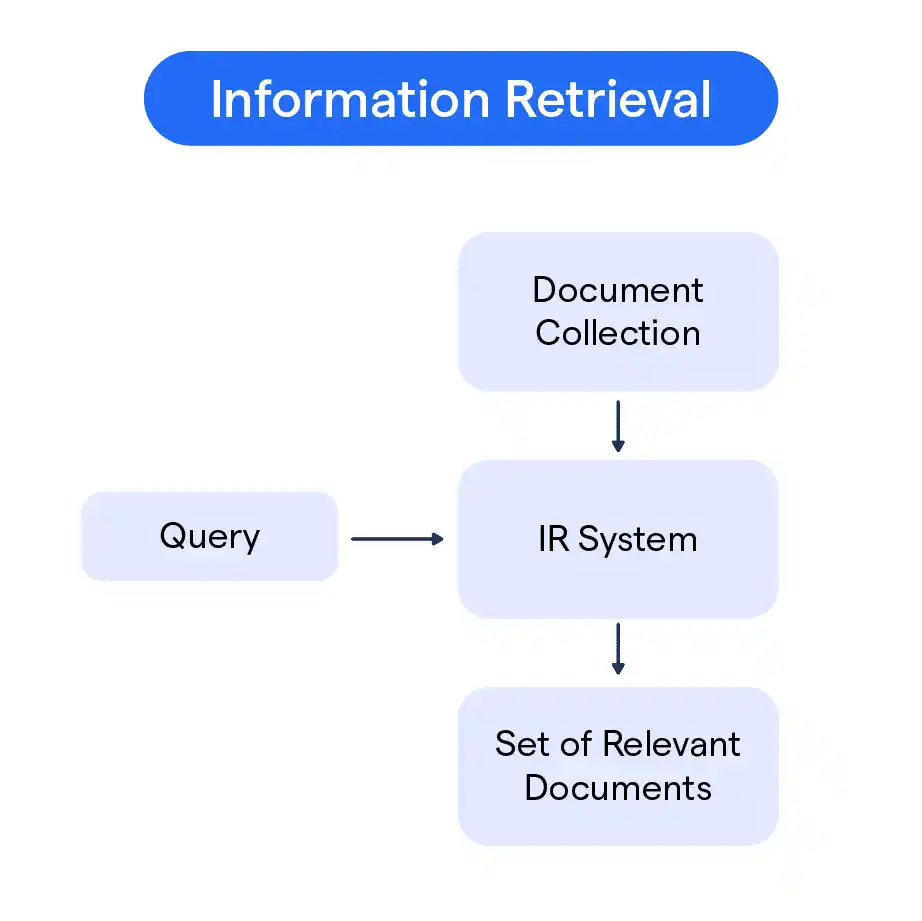
Another crucial aspect of AI chatbots is their ability to answer questions accurately and retrieve relevant information.
Let's see how Bing and ChatGPT perform in these areas.
Bing's Approach to Question Answering (Real-Time Search Integration)
Bing uses its real-time search integration to answer user questions quickly and accurately.
It can pull information from various sources, including news articles, websites, and knowledge databases, ensuring users receive up-to-date and reliable answers to their queries.
ChatGPT's Information Retrieval Strengths and Weaknesses (Dataset Limitations)
While ChatGPT excels in generating text, it has limitations in information retrieval. ChatGPT relies on pre-existing data and may not have access to real-time information.
Additionally, its responses are influenced by the dataset it has been trained on, which may lead to inaccuracies or biased answers.
Suggested Reading:
Best ways ChatGPT can help you with Marketing
Understanding User Intent and Providing Relevant Responses
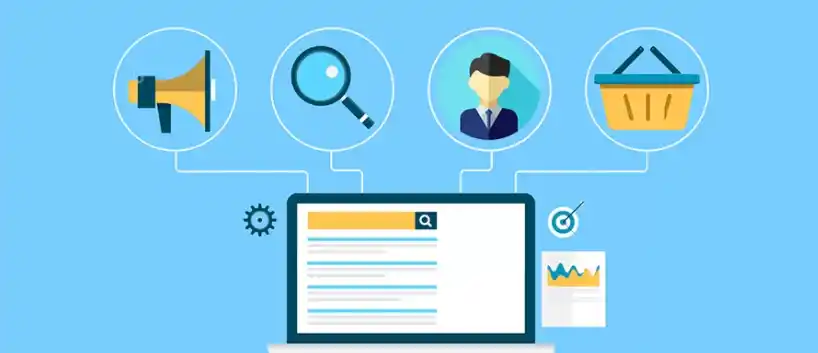
Understanding user intent and delivering relevant responses is vital when it comes to AI chatbots.
Let's delve into how Bing and ChatGPT handle user requests and recognize intent.
How Well Does Bing Handle User Requests?
Bing is designed to understand user queries accurately and provide relevant responses. Its advanced technology, Prometheus, enables it to analyze and interpret user intent effectively.
This means that Bing can grasp the meaning behind user requests and deliver responses that align with what the user is looking for.
Analyzing ChatGPT's Intent Recognition Capabilities
ChatGPT utilises advanced language models to decipher user intent. However, its intent recognition capabilities may not be as robust as Bing's.
While ChatGPT can often understand the general meaning of a user's request, it may need help with more complex or ambiguous queries.
It's important to note that while ChatGPT can generate human-like responses, its responses may not always align with the exact intent of the user.
And if beginning with ChatGPT feels like a big steep ladder for you, then let us just cut the hard work for you. Meet BotPenguin- the home of chatbot solutions and the pro at serving ChatGPT solutions:
- Whitelabel ChatGPT
- Hire ChatGPT Developers
- Custom ChatGPT Plugins
- Hire Chatbot Developers
- Custom Chatbot Development
- ChatGPT Clone
- ChatGPT Consultant
Next, we will cover the user experience and interface of Bing AI and ChatGPT.
User Experience and Interface of Bing vs ChatGPT: Engaging with the Chatbots
Engaging with chatbots should be a seamless and enjoyable experience.
Let's explore how Bing and ChatGPT handle user accessibility, interface design, and conversational skills.
Accessibility and Interface Design: Ease of Use for Every User
It is crucial to ensure that chatbots are accessible to all users and have user-friendly interfaces. Let's examine how Bing and ChatGPT approach this.
Accessing and Utilizing Bing Chatbot
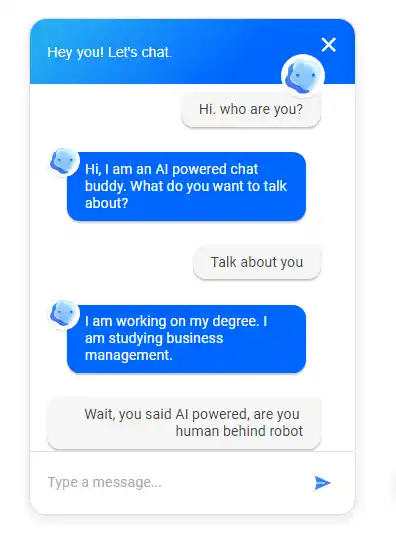
Bing Chatbot is readily accessible through the Bing search engine's interface. Users can simply enter their queries in the search bar and receive relevant responses from the chatbot.
Bing's interface is designed to be intuitive and easy to navigate, making it accessible for users of all levels of technical expertise.
Interacting with ChatGPT (Interface and User Experience)
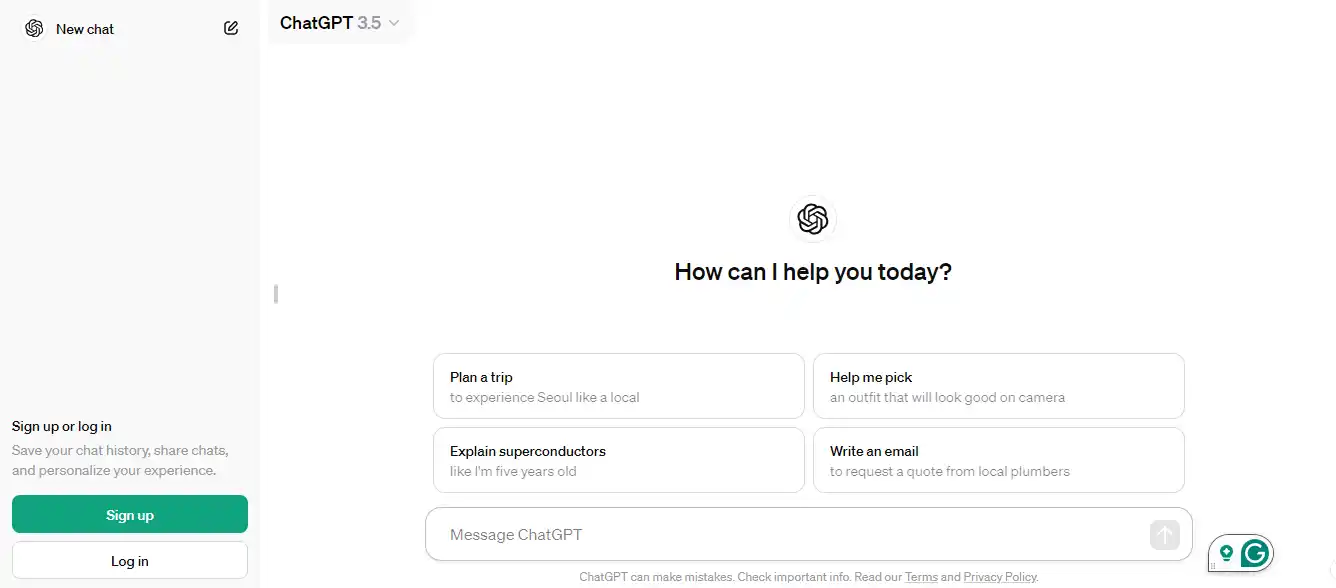
ChatGPT can be accessed through various platforms and interfaces, depending on the specific implementation.
The interface design may vary depending on the application or website hosting ChatGPT.
While some implementations may have intuitive and user-friendly interfaces, others may require more familiarisation for users to interact effectively.
Conversational Skills and User Interaction: Fostering Natural Dialogue
Engaging in natural and interactive conversations is key to a chatbot's appeal. Let's examine how Bing and ChatGPT perform in this regard.
Bing's Conversational Strengths and Weaknesses
Bing's chatbot is proficient at generating informative and factual responses. It excels at providing accurate information based on user queries.
However, Bing's chatbot may not always be able to engage in back-and-forth dialogues or offer the same level of conversational depth as ChatGPT.
Evaluating ChatGPT's Ability to Hold Engaging Conversations
ChatGPT has been trained to generate responses that mimic human conversation. It can hold engaging and interactive conversations with users, making the chatbot experience more enjoyable.
However, it's important to note that ChatGPT's responses are generated based on pre-existing data and may only sometimes reflect factual accuracy or up-to-date information.
Next, we will cover integration and scalability of Bing and ChatGPT.
Integration and Scalability Between Bing vs ChatGPT: Connecting with Your Systems
Integrating chatbots with existing systems and ensuring scalability are crucial considerations. Let's explore how Bing and ChatGPT handle integration and scalability.
Integration Potential: Seamlessly Connecting with Existing Tools
Seamless integration with existing tools is essential to maximizing chatbots' benefits. Let's examine how Bing and ChatGPT fare in this aspect.
Exploring Integration Possibilities with Bing Chatbot (Microsoft Products)
Bing Chatbot has excellent integration possibilities with various Microsoft products. It can seamlessly connect with tools like Microsoft Teams, SharePoint, and other Microsoft solutions.
This integration allows users to leverage the chatbot's capabilities within the Microsoft ecosystem, enhancing productivity and user experience.
Evaluating ChatGPT's Integration Capabilities with Third-Party Systems
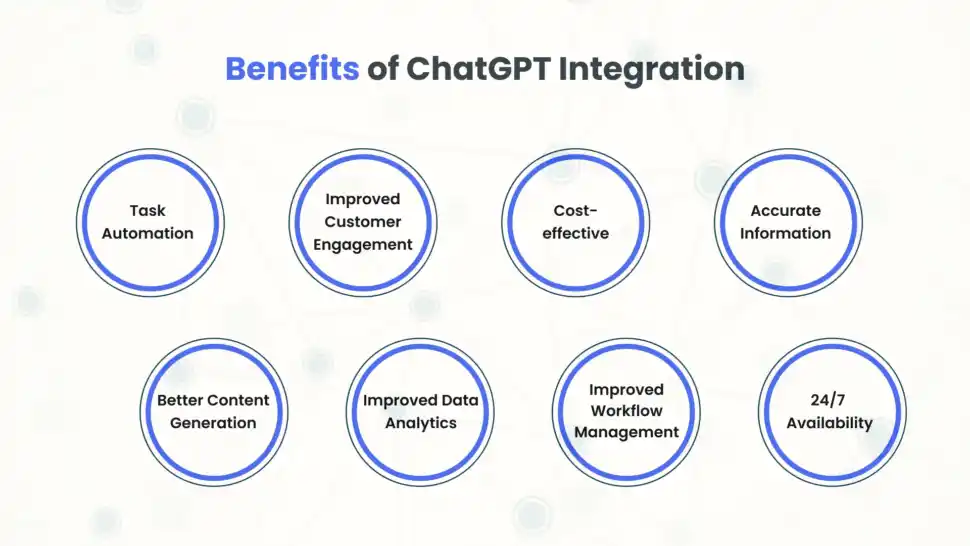
ChatGPT's integration capabilities may vary depending on the specific implementation and platform.
While it can be integrated with third-party systems, the ease of integration and compatibility will depend on the developers' or providers' resources and support.
Careful consideration of compatibility and integration requirements is necessary when incorporating ChatGPT into existing systems.
Scalability and Enterprise Use: Can They Handle Your Needs?
Scalability is vital for chatbots to meet the demands of large organizations and businesses. Let's assess the scalability and enterprise-level capabilities of Bing and ChatGPT.
Bing's Scalability for Large Organizations
Bing is designed to efficiently handle the needs of large organizations. Its infrastructure can scale to accommodate a high volume of user queries and maintain optimal performance.
This scalability makes Bing chatbot well-suited for enterprise-level usage, where there may be a significant influx of user requests.
ChatGPT's Enterprise-Level Capabilities
ChatGPT's enterprise-level capabilities may vary based on the specific implementation and resources allocated to it.
While it can be used in enterprise settings, careful consideration is required to ensure it can handle the expected user requests and support the necessary integrations with existing systems.
Collaboration with the developers and providers of ChatGPT is essential to ensure its successful incorporation into enterprise environments.
Conclusion
Bing and ChatGPT are the talk of the tech world. Both offer impressive capabilities, but which one is right for you?
Bing shines with its factual accuracy and seamless integration with Microsoft's suite of tools. If you value reliable information and a familiar interface, Bing might be your go-to.
On the other hand, ChatGPT captivates with its human-like conversation skills. This chatbot can engage in natural back-and-forth exchanges, making it a great choice for creative tasks or casual chats.
Ultimately, the decision comes down to your specific needs. Explore both Bing and ChatGPT, and discover which AI assistant can best enhance your digital experience. The choice is yours - so dive in and see which chatbot fits your style.
Suggested Reading:
ChatGPT Prompts: The Secret Sauce of High-Performing Chatbots
Frequently Asked Questions (FAQs)
How does Bing differ from ChatGPT in terms of functionality?
Bing is a search engine that retrieves relevant web pages and information based on user queries. ChatGPT focuses on generating human-like responses and engaging in dynamic conversations with users.
Which one, Bing or ChatGPT, provides more accurate and contextual responses?
While Bing provides accurate search results, ChatGPT is designed to understand context and generate more conversational and contextually appropriate responses, making it ideal for interactive and dynamic conversations.
Can ChatGPT be integrated with Bing to enhance search functionality?
Yes, ChatGPT can be integrated with Bing. By combining ChatGPT's conversational capabilities with Bing's search functionality, you can create a chatbot that engages in conversations and retrieves relevant information from the web.
Is it possible for Bing to leverage ChatGPT's conversational abilities?
Bing primarily focuses on search functionality and does not inherently possess conversational abilities. However, Microsoft's extensive offerings include chatbot frameworks that utilize ChatGPT's conversational capabilities within Bing-enabled platforms.
Which one, Bing or ChatGPT, is more suitable for customer support applications?
While Bing can assist in finding relevant information for customer support, ChatGPT is better suited for handling customer interactions. Its conversational abilities enable it to provide personalized and engaging support experiences.