



FAQ Automation with the Best Chatbot Platform
Updated at Aug 11, 2026
10 min to read

Chatbots have become an invaluable tool for automating customer service FAQs and enhancing customer experience.
Recent research shows that over 25% of customer service organizations have implemented AI chatbots, with an additional 35% planning to adopt chatbots by 2023 (Salesforce, 2022).
The reasons are clear - chatbots powered by natural language processing can handle routine customer queries 24/7, freeing up human agents for complex issues. Studies show that customers now prefer chatbots for quicker resolution, with over 50% of consumers using them for instant self-service (IBM, 2021).
With the ability to address up to 80% of repetitive questions, chatbots drive efficiency while lowering costs. This article explores best practices for FAQ automation using chatbots, from building an effective knowledge base to leveraging NLP and sentiment analysis.
Follow these tips to deploy chatbots that seamlessly handle FAQs, boost CX, and enable your team to focus on building meaningful customer relationships.
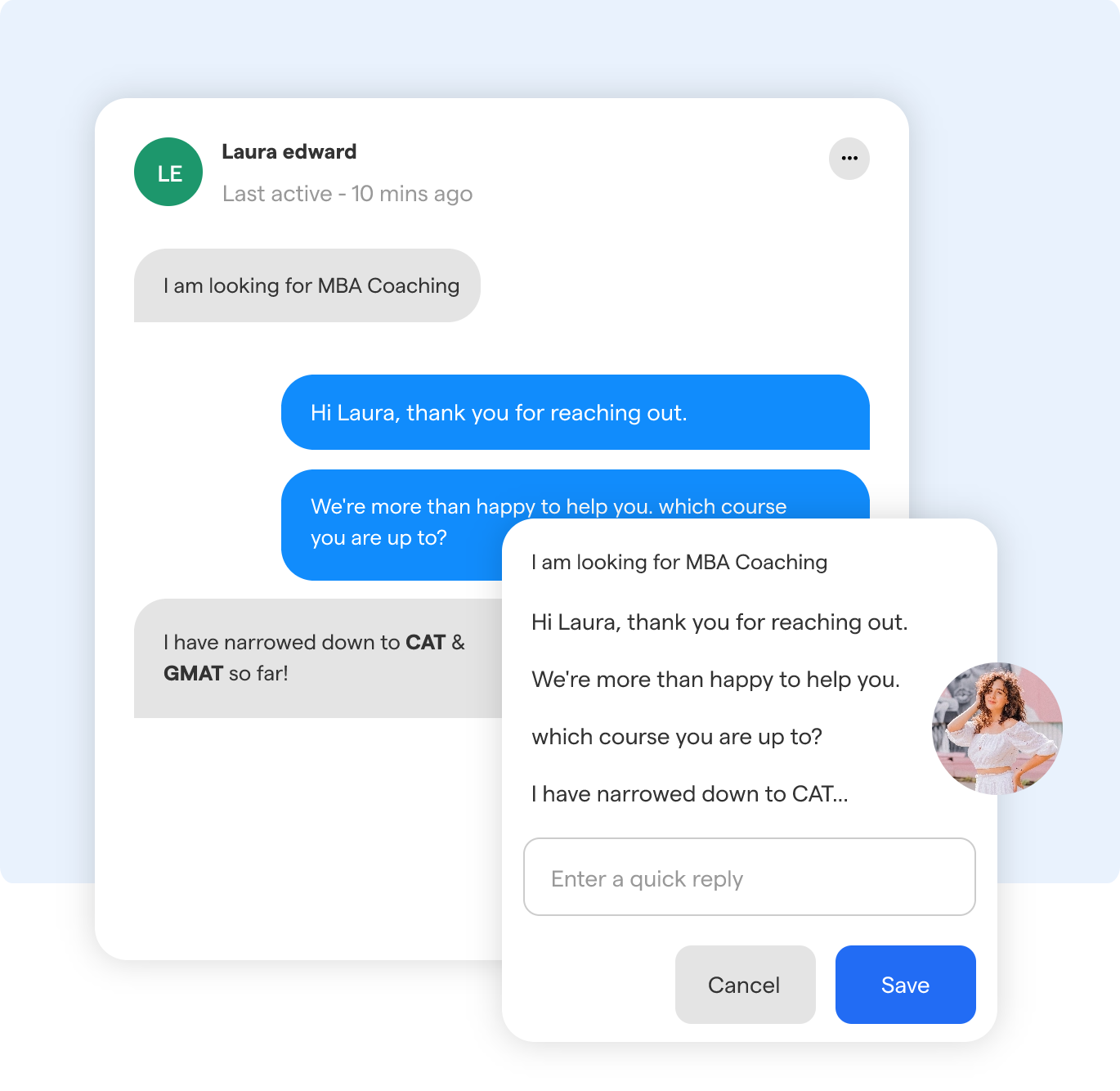
FAQ automation involves the use of technology, such as AI chatbots, to respond to commonly asked questions without human intervention. This approach offers several benefits, including:
Automated responses eliminate the need for customers to wait for human agents to address their queries, resulting in quicker resolution times.
Chatbots ensure consistent responses to FAQs, reducing the risk of human error and providing accurate information to customers.
Chatbots can handle a high volume of inquiries simultaneously, making them the ideal solution for businesses experiencing a surge in customer support requests.
By automating FAQ handling, businesses can reduce the need for additional human agents, thereby saving on staffing costs.
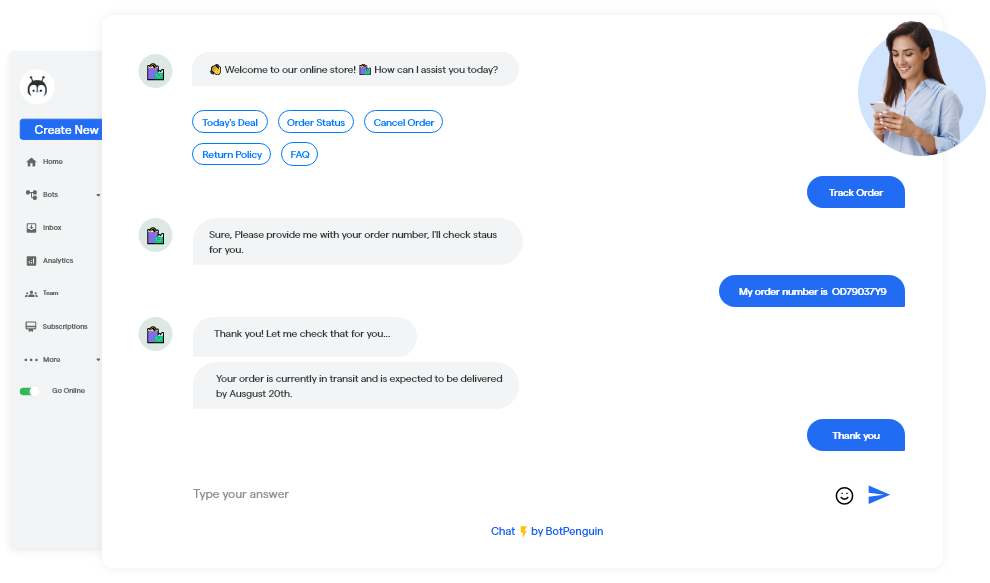
FAQ chatbots offer immense potential in automating customer support and streamlining information retrieval. They provide quick and accurate answers to frequently asked questions, saving time and enhancing customer experience.
One of the key advantages of using chatbots for FAQ automation is their ability to provide instant and accurate responses. Unlike human agents who may need time to search for information, chatbots have access to a vast database of FAQs and can quickly retrieve the relevant answers. This ensures that customers receive timely and reliable information, thereby improving their overall experience.
Another significant role that chatbots play in FAQ automation is providing round-the-clock customer support. Unlike traditional customer service teams with limited working hours, chatbots operate 24/7, enabling businesses to cater to customers in different time zones or those with urgent inquiries. This availability enhances the customer experience by providing support whenever and wherever it is needed.
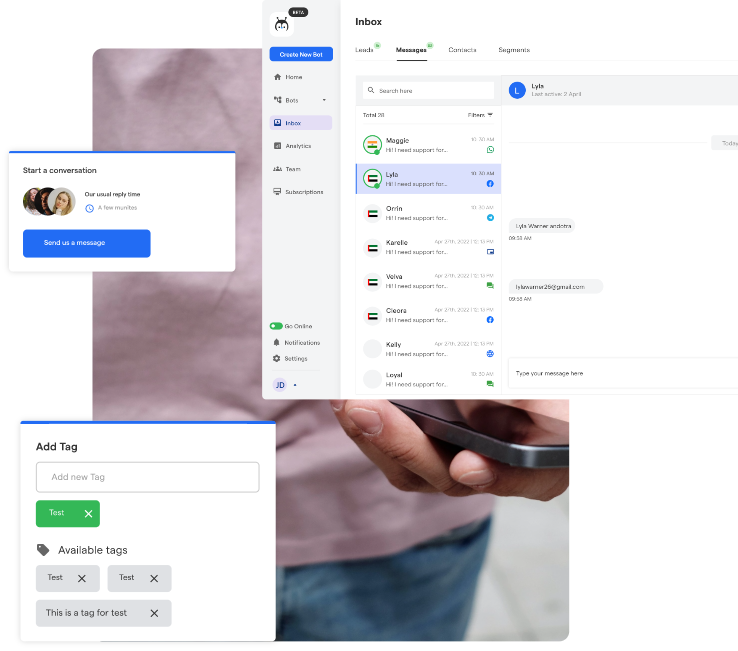
When it comes to customer service, personalization is key. Customers want to feel valued and understood. So you can improve customer experience with:
AI chatbots excel in providing personalized responses to frequently asked questions (FAQs). By analyzing customer inquiries and using machine learning algorithms, chatbots can tailor their responses to meet individual needs. This personalized approach not only saves time for the customer but also creates a more engaging and satisfying experience.
Consistency is equally important. With human agents, there can be variations in responses based on individual knowledge and interpretation. Through FAQ automation with chatbots, businesses can ensure that every customer receives the same accurate and consistent information. This instills a sense of reliability and trust in the customer, enhancing their overall experience.
Waiting on hold for long periods is an all too common frustration for customers seeking support. Traditional customer service may involve queues and hold times, leading to dissatisfied customers. AI chatbots provide a quick and efficient alternative by instantly responding to customer inquiries. Customers no longer have to wait, reducing their frustration and improving satisfaction.
Chatbots also can handle multiple inquiries simultaneously. Unlike human agents who can only assist one customer at a time, chatbots can engage with numerous customers simultaneously, leading to faster resolution times. This scalability not only enhances efficiency but also improves customer experience by minimizing wait times.
Given below are the benefits of FAQ automation with Chatbots:
By implementing chatbots, businesses can free up human resources from repetitive tasks, allowing them to focus on more complex queries or other value-added activities. This increased efficiency has a direct impact on the bottom line, improving productivity and reducing operational costs.
Engaging customers in meaningful interactions is crucial for building loyalty and increasing customer retention. Chatbots provide an engaging way to interact with customers, allowing businesses to deliver personalized recommendations, offers, or information based on customer preferences. This not only improves customer satisfaction but also fosters a sense of loyalty towards the brand.
Additionally, chatbots can learn from customer interactions and adapt their responses over time. This continuous service improvement ensures that customers receive relevant and up-to-date information, further enhancing their engagement and loyalty.
Suggested Reading:
To effectively implement chatbots for FAQ automation, businesses need to identify and analyze the most frequently asked questions.
This involves analyzing historical customer inquiries, evaluating website and support tickets, and leveraging data analytics tools. By understanding customer pain points and common queries, businesses can build a comprehensive knowledge base for chatbot responses.
When designing conversational scripts for chatbot interactions, it's important to strike the right balance between automation and the personal touch. While chatbots provide instant responses, it's crucial to make the interaction feel human-like and friendly.
Using natural language processing (NLP) techniques, businesses can design conversational scripts that are both informative and engaging, keeping the customer experience at the forefront.
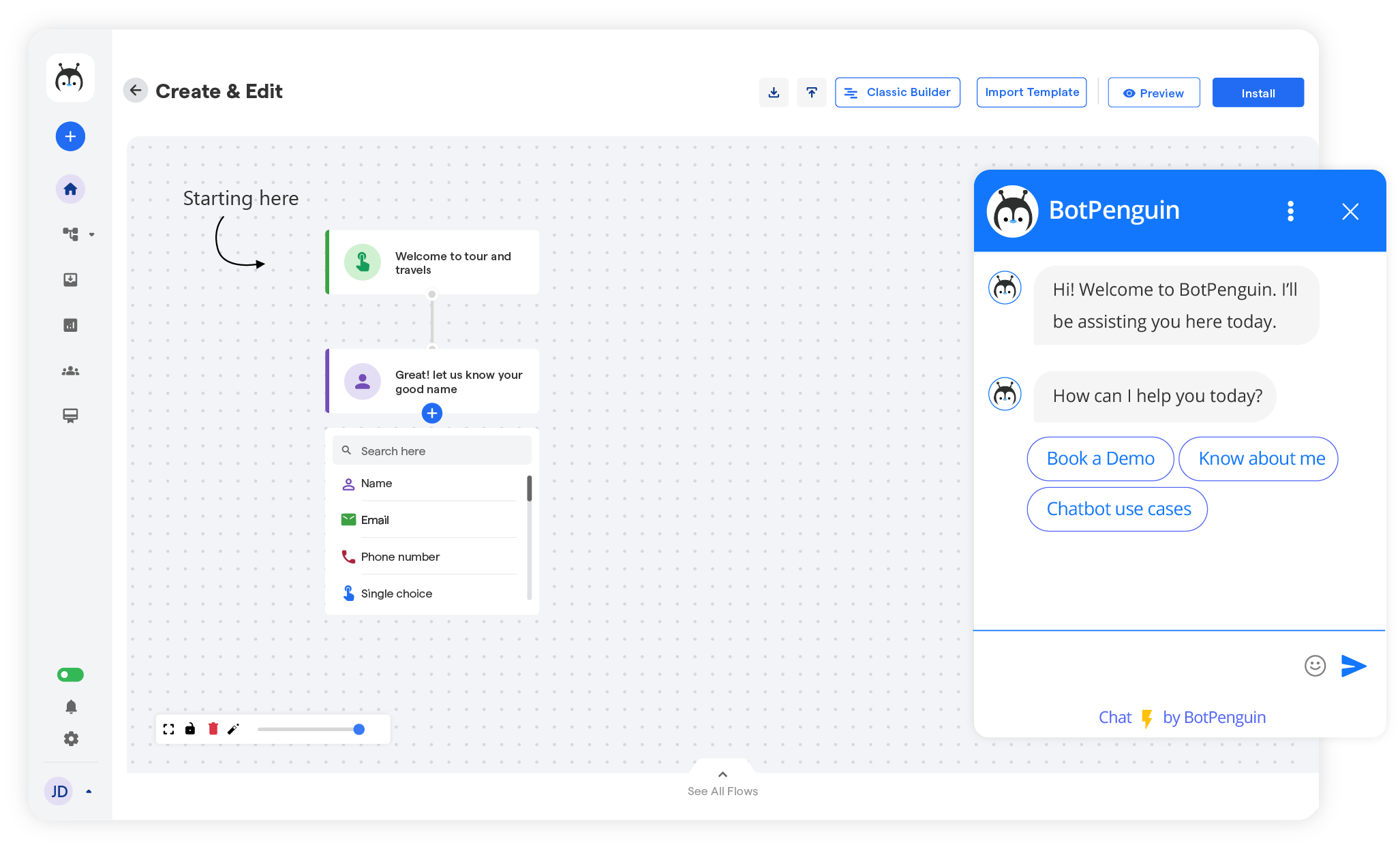
The digital landscape is constantly evolving, with new products, services, and information emerging regularly.
To ensure that chatbots remain effective, it's vital to regularly update and maintain the chatbot's knowledge base. This involves monitoring customer interactions, incorporating new FAQs, addressing any information gaps, and refining responses based on customer feedback.
Keeping the chatbot's knowledge base up to date ensures accurate and relevant responses that contribute to an excellent customer experience.
Suggested Reading:
With the benefits of chatbots for FAQ automation now clear, businesses may be eager to implement this technology. However, successful implementation depends on careful consideration of the following factors:
There are various chatbot platforms and technologies available in the market, each with its strengths and limitations. Businesses need to choose the right platform and technology based on their specific needs and budget. It's also important to consider capabilities such as natural language processing (NLP), speech recognition, and integration with other customer support systems.
This is where choosing an intelligent, customizable platform like BotPenguin helps you maximize ROI.
BotPenguin equips you with an enterprise-ready chatbot specially designed for your unique workflows and objectives - no coding needed.
And the tech for BotPenguin just doesn't stop there. It makes sure that you reach your customers where they are by offering chatbots for multiple platforms, thus making omnichannel support look easy:
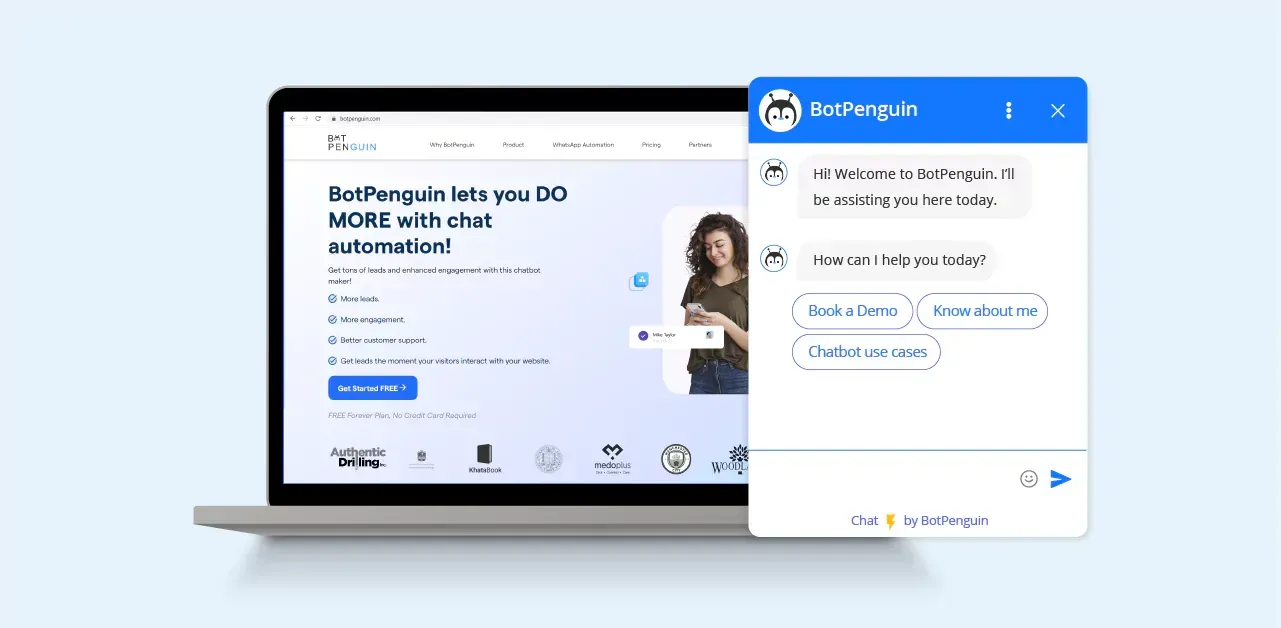
Chatbots should not operate in isolation, but rather as part of a broader customer support ecosystem. This means integrating chatbots with existing customer support systems, such as knowledge bases, ticketing systems, and CRM software. By doing so, chatbots can access the necessary data to provide accurate and personalized responses.
Measuring and optimizing chatbot performance is critical for ensuring that chatbots remain effective and beneficial for business objectives. This involves tracking metrics such as response time, resolution rate, and customer satisfaction. Businesses can then use this data to identify areas for improvement and refine chatbot interactions to meet specific customer needs.
Chatbots have proven to be a game-changer for automating FAQs and enhancing customer satisfaction.
By leveraging natural language processing and machine learning, today's chatbots can understand customer queries in real time and provide instant resolutions around the clock.
As discussed, implementing chatbots to handle frequently asked questions can significantly free up human agents to handle more complex issues and build meaningful relationships. With over 80% of routine questions easily automated, chatbots drive efficiency, reduce costs, and enable teams to deliver more personalized service.
Companies partnering with chatbot providers like BotPenguin can rapidly deploy conversational FAQ chatbot solutions that integrate seamlessly with existing systems.
With turnkey chatbots powered by robust knowledge bases and AI, any organization can transform customer experience through seamless FAQ automation!
Chatbots can provide instant and personalized responses to frequently asked questions, reducing wait times and ensuring consistent information. This improves customer satisfaction and overall experience, leading to a boost in CX.
Implementing chatbots for FAQ automation can lead to time and cost savings, increased efficiency, improved customer engagement and loyalty, and a reduction in customer frustration with long wait times.
Chatbots use machine learning algorithms to analyze customer inquiries and tailor their responses to individual needs. They can understand customer preferences and provide recommendations or information specific to each customer, enhancing personalization.
Yes, chatbots can handle multiple inquiries simultaneously, unlike human agents who can only assist one customer at a time. This scalability reduces wait times and increases efficiency, resulting in a better customer experience.
Businesses can measure chatbot performance by tracking metrics such as response time, resolution rate, and customer satisfaction. This data can be used to identify areas for improvement and refine chatbot interactions to meet specific customer needs.
As technology advances, chatbots for FAQs will become more sophisticated and capable of handling complex queries. They will continue to play a significant role in customer support, enhancing CX by providing instant and personalized assistance while working alongside human agents.
Subscribe to Our Newsletter
Get the latest business insights straight into your inbox.
Checkout our related blogs you will love.
Updated at Aug 11, 2026
10 min to read
Updated at Oct 16, 2026
14 min to read
Updated at Oct 16, 2026
8 min to read
Updated at Oct 15, 2026
7 min to read
Updated at Oct 13, 2026
17 min to read

Updated at Oct 12, 2026
15 min to read
Table of Contents


