The Ultimate Guide to Selling on Instagram Without a Website
Updated at Oct 8, 2026
9 min to read
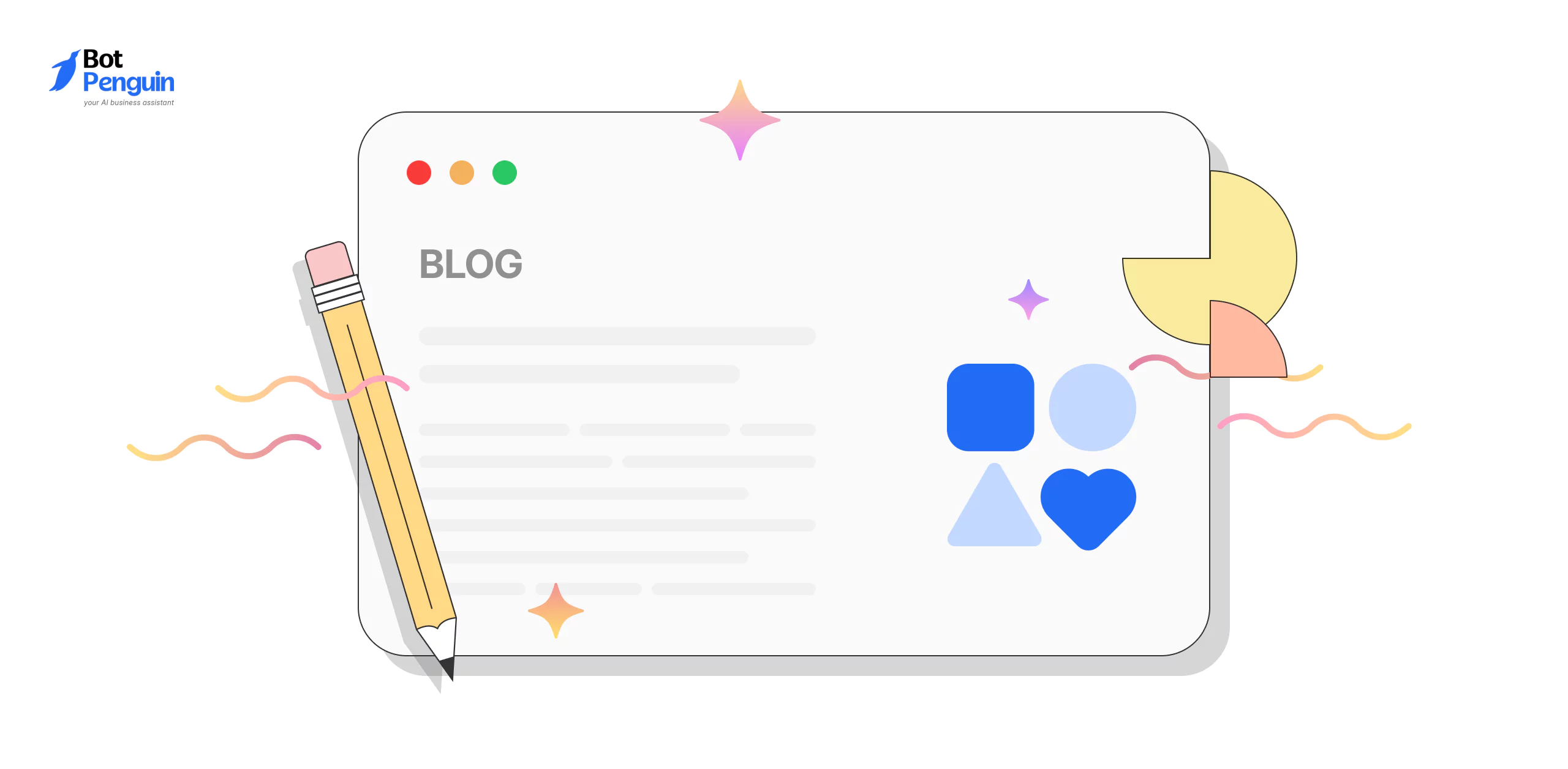
Instagram interest often begins with a comment, story reply, or product question.
Without a clear follow-up flow, that interest can disappear before becoming a lead. Instagram DM marketing turns those interactions into structured conversations, not one-off replies.
With Instagram DM automation, a chatbot can welcome users, share useful content, identify interests, and present relevant offers.
BotPenguin is a Meta Business Partner.
This guide explains how an Instagram DM bot manages opt-in sequences, targeted broadcasts, audience segmentation, and conversion tracking. You will see how each flow moves interested followers toward a clear next step.
BotPenguin is a no-code platform for building AI agents, chatbots, and voice agents that automate lead generation, sales, marketing, and customer support on WhatsApp, Instagram, Facebook, Telegram, phone, and websites.
For foundational understanding, you can review our guide on what an Instagram chatbot is.
Instagram DM marketing is a strategy that uses planned direct-message conversations to achieve business goals, such as lead generation, product promotion, and appointment bookings. Rather than treating every DM as an isolated interaction, businesses connect messages based on customer interests and responses.
For example, a skincare brand can invite followers to comment "SKINCARE" on a Reel. The chatbot can then share a product guide, ask about skin concerns, and suggest relevant products. Interested customers can request pricing or speak with the sales team.
Unlike a one-time automated reply, DM marketing focuses on what happens throughout the conversation. Each interaction serves a purpose and guides potential customers toward a relevant next step.
Not every automated DM serves the same purpose. The table below compares support replies, one-off automations, planned sequences, and lead-nurturing conversations.
Customer-support replies are reactive. They usually end once the user’s question is resolved.
Single automated replies are also limited. They complete one task without developing the conversation further. Learn how an Instagram auto reply works before building a complete DM marketing sequence.
Planned sequences support a campaign objective. Each message contributes to the same outcome.
Lead nurturing continues the conversation until the user is ready to act.
A structured DM strategy includes:
Instagram DM automation manages message timing, consistency, and delivery. However, automation alone does not create an effective campaign.
An Instagram direct message bot supports the strategy by responding according to user intent. It can direct different users toward relevant outcomes without treating every conversation the same way.
The key difference is purpose. Support resolves an issue. Marketing moves an interested user toward a decision.
The next step is to turn this structure into an opt-in sequence that users actively start.
A strong opt-in sequence starts with a clear user action. The user comments to request a resource, answer, or offer. The chatbot then continues that interest inside Instagram DMs. Each message should have one purpose and one next step.
The steps below clearly explain how to structure each stage of the sequence.
Create a post that promises something specific. Ask users to comment one simple trigger word.
For example: Comment “GUIDE” to receive the Instagram lead-generation checklist.
The trigger word should match the post’s offer. Avoid vague words that could create accidental entries.
After the comment, the chatbot automatically starts the DM sequence. This creates a direct path from public engagement to private conversation. You can also compare comment-to-DM tools to explore different approaches.
The sequence should remain short and focused. Three messages are usually enough for the first interaction. The table below shows how each stage supports the overall flow.
The message breakdown below explains the role each DM plays in the sequence.
The first DM should confirm why the user received it.
Thanks for commenting “GUIDE.” I’ll send the checklist here shortly.
Keep this message direct. Do not introduce an offer before delivering the promised value.
The second message should fulfill the original promise.
Here is the checklist. Start with the first three steps today.
This message may include a guide, product list, video, or booking information. The content should match the post exactly.
For wording ideas, use our Instagram DM templates guide as a contextual reference.
The third message should build on the delivered value.
Need help setting this up? Reply “SETUP” to discuss your requirements.
The offer should feel connected, not inserted. It should also give users a simple response option.
Do not send every message at once. Immediate delivery can feel mechanical and reduce attention.
Send the welcome message first. Deliver the resource soon after. Introduce the offer several hours later or the next day.
This pacing makes Instagram DM automation feel more intentional. It also gives users time to review each message.
Before publishing, test every trigger, delay, link, and reply path.
To connect Instagram with BotPenguin, you need a professional Instagram account linked to a Facebook Page.
Next, let’s walk through how to re-engage users after the initial sequence ends.
Broadcasts reconnect with people who have already entered your DM audience. They should continue an existing interest rather than introduce an unrelated promotion.
With BotPenguin, broadcasts are available from the Little plan. Each broadcast sends a flow, such as an offer with buttons, to eligible Instagram contacts within Meta's permitted messaging window, not a single free-text message.
In Instagram DM marketing, every broadcast needs a single clear purpose. The approaches below show how to plan messages around timely, relevant updates.
Start by deciding why the message deserves attention now. Build it around a useful update, deadline, or requested topic.
The table below outlines common broadcast types, their message focus, and the most relevant action.
Each message should support only one action. Several competing links can weaken the main purpose.
A broadcast should reflect why someone entered the DM audience.
Product updates should reach users who have shown interest in the product. Event reminders should be sent to contacts who requested event details. Re-engagement messages also need context.
Refer to the previously selected topic, resource, or contact.
For example: Still comparing our workshop options? Reply “DATES” for the next available sessions.
This approach makes the message feel connected to the earlier conversation.
A practical broadcast can follow three parts:
Avoid repeating the entire offer. The message should help users decide whether to continue.
Timing should match the campaign objective.
An event may need an initial announcement and one reminder. A limited offer may need a final deadline message.
Instagram DM automation can schedule these follow-ups after the initial sequence. However, every send still needs a valid reason.
For the technical setup and sending process, read our guide on Instagram bulk message sender.
Once the campaign purpose is clear, segmentation determines who should receive each broadcast.
Audience segmentation keeps follow-up messages relevant. It groups contacts by their needs, preferences, and readiness to act. Tags record those details inside each contact profile.
Branching flows then change the next message based on each answer.
The sections below explain how to collect useful signals, route users, and apply tags effectively.
Ask short questions that support the campaign goal. Avoid collecting details that will not affect later messages.
The table below shows useful segmentation signals and matching questions.
Each answer should create a useful tag. Examples include “premium plan,” “Delhi,” or “ready to buy.”
An Instagram DM bot should use every collected answer. The response should change the next recommendation, question, or action.
Consider a skincare brand asking, "What are you shopping for: acne care or hydration?"
The next message should depend on the answer.
This branching structure keeps the conversation connected to user intent. It also reduces irrelevant recommendations.
Tags can guide future broadcasts, reminders, and nurture messages.
Location tags can support local event updates. Budget tags can separate entry-level and premium options.
An Instagram direct message bot can also combine several tags. A user tagged “website design” and “ready to buy” can receive booking options.
A user tagged “researching” should receive educational content instead. The next message should reflect readiness, not apply equal pressure.
Review tags regularly. Old interests or outdated details can weaken future targeting.
Once your audience segments are ready, use these Instagram DM marketing templates to start relevant conversations.
The right Instagram DM marketing template helps turn customer interest into a relevant conversation. These six examples cover lead generation, product discovery, appointment reminders, and audience re-engagement.
Use when: Offering a free guide, checklist, or downloadable resource.
DM template:
"Thanks for commenting GUIDE! Here's the checklist you requested: [Link]. Want help applying these steps? Reply YES."
Use when: Someone replies to your Instagram Story asking about a product or promotion.
DM template:
"Thanks for your interest! Here's the discount offer mentioned in our Story: [Offer Link]. Want to see our most popular products?"
Use when: Identifying what a potential customer wants before recommending products.
DM template:
"Happy to help you find the right product! What matters most to you: price, features, or quality? Reply with your preference."
Use when: Following up with someone who has requested an appointment.
DM template:
"Hi [Name], a quick reminder about your appointment on [Date] at [Time]. Need to make a change? Reply here and our team can help."
Use when: Re-engaging someone who previously requested product details but hasn't taken the next step.
DM template:
"Hi [Name], still exploring [Product]? Here's the information you requested: [Link]. Have any questions before deciding?"
Use when: Sharing relevant updates with eligible contacts who previously opted into your Instagram DM audience.
DM template:
"Hi [Name], we've got something new related to your interest in [Topic]. Want to explore it? Select VIEW DETAILS to continue."
Keep broadcasts relevant to the recipient's previous interest and applicable messaging permissions.
For additional examples, explore more Instagram DM templates.
Strong Instagram DM marketing depends on more than message delivery. BotPenguin includes analytics to help teams review flow performance and improve their campaigns. Use the information available in your dashboard alongside the leads and actions recorded through your marketing flows.
The sections below explain what to track and how to diagnose weak points.
Start by measuring how users move through each message.
Do not review only the final conversion number. Earlier steps often explain why conversions rise or fall.
Not every interaction carries equal value. Opening a message shows attention, but replying shows stronger intent.
Meaningful actions may include:
Compare these actions against each flow step. This reveals which messages move users forward.
For example, a high reply rate may still produce few leads. The qualifying question may be too vague.
A strong lead capture rate with few conversions suggests another issue. The offer or final action may need improvement.
Review the sequence message by message.
If users leave after the welcome message, the opening may lack relevance. If they leave after the value message, the content may not match the original promise.
If users reach the offer but do not act, review:
Change one element at a time. This makes it easier to identify what improved performance. Track each branch separately. Different audience segments may respond to different messages.
The goal is simple: find the steps that create meaningful actions, then improve the weak ones.
Instagram DM marketing uses direct messages to guide users through planned conversations. These sequences can capture leads, identify interests, share useful content, and present relevant offers. Unlike support replies, each message contributes to a defined marketing goal.
Ask users to comment a specific trigger word on a post or Reel. The chatbot can then automatically start a DM sequence. Make the promised resource or offer clear, so users understand what they will receive.
Yes. An Instagram DM bot can tag users based on product interests, location, budget, service needs, or purchase intent. Branching flows then use those tags to send different questions, recommendations, broadcasts, or follow-up messages.
Yes. Regular Instagram DM automation may send one reply after a trigger. DM marketing uses connected messages designed around a single objective. It may include welcome messages, useful content, qualifying questions, timed follow-ups, and relevant offers.
Yes, you can start free. BotPenguin's Free plan includes comment-to-DM and story-poll DM triggers (without AI). Broadcasts start on the Little plan ($29/mo), and AI-written comment replies are on the King plan ($99/mo). Paid plans come with a 7-day free trial, no credit card needed.
Successful Instagram DM marketing depends on clear comment-trigger opt-ins and short message sequences. Each flow should deliver useful follow-ups before presenting an offer.
Segment contacts by interest, need, location, or purchase intent. Use occasional broadcasts to re-engage relevant users without over-messaging them.
Review your available flow analytics alongside lead responses and completed actions to identify opportunities for improvement.
Build a focused Instagram DM automation strategy with BotPenguin for Instagram.
Automate Instagram DM Marketing
Build targeted Instagram DM automation sequences that capture interest, segment contacts, and guide users toward action with BotPenguin Instagram chatbot.
Start with IG ChatbotCheckout our related blogs you will love.
Updated at Oct 8, 2026
9 min to read
.webp)
Updated at Oct 8, 2026
11 min to read
.webp)
Updated at Oct 8, 2026
19 min to read
Updated at Oct 8, 2026
8 min to read
Updated at Oct 7, 2026
7 min to read
Updated at Oct 5, 2026
10 min to read
Table of Contents