


LLM for Customer Support: How to Implement, Guard, and Monitor It
Updated at Oct 23, 2026
16 min to read

Large Language models (LLMs) have become indispensable for businesses. They are transforming the way businesses operate. From automating workflows to analyzing customer feedback, LLMs help companies work faster, smarter, and more efficiently.
Imagine having an AI assistant that can write content, generate code, solve complex problems, and even hold human-like conversations with remarkable accuracy.
That is the power of LLMs. They not only handle repetitive tasks but also drive innovation by making decision-making more data-driven and customer interactions more personalized.
And the best part is that their applications are expanding across industries. Whether it is improving customer support, streamlining operations, or unlocking new insights from massive datasets, LLMs are reshaping businesses in ways we never thought possible.
In this guide, we will explore seven essential types of LLM applications that businesses need to know. Let us start exploring.
Large Language Models (LLMs) are reshaping business operations by enabling advanced applications across various sectors.
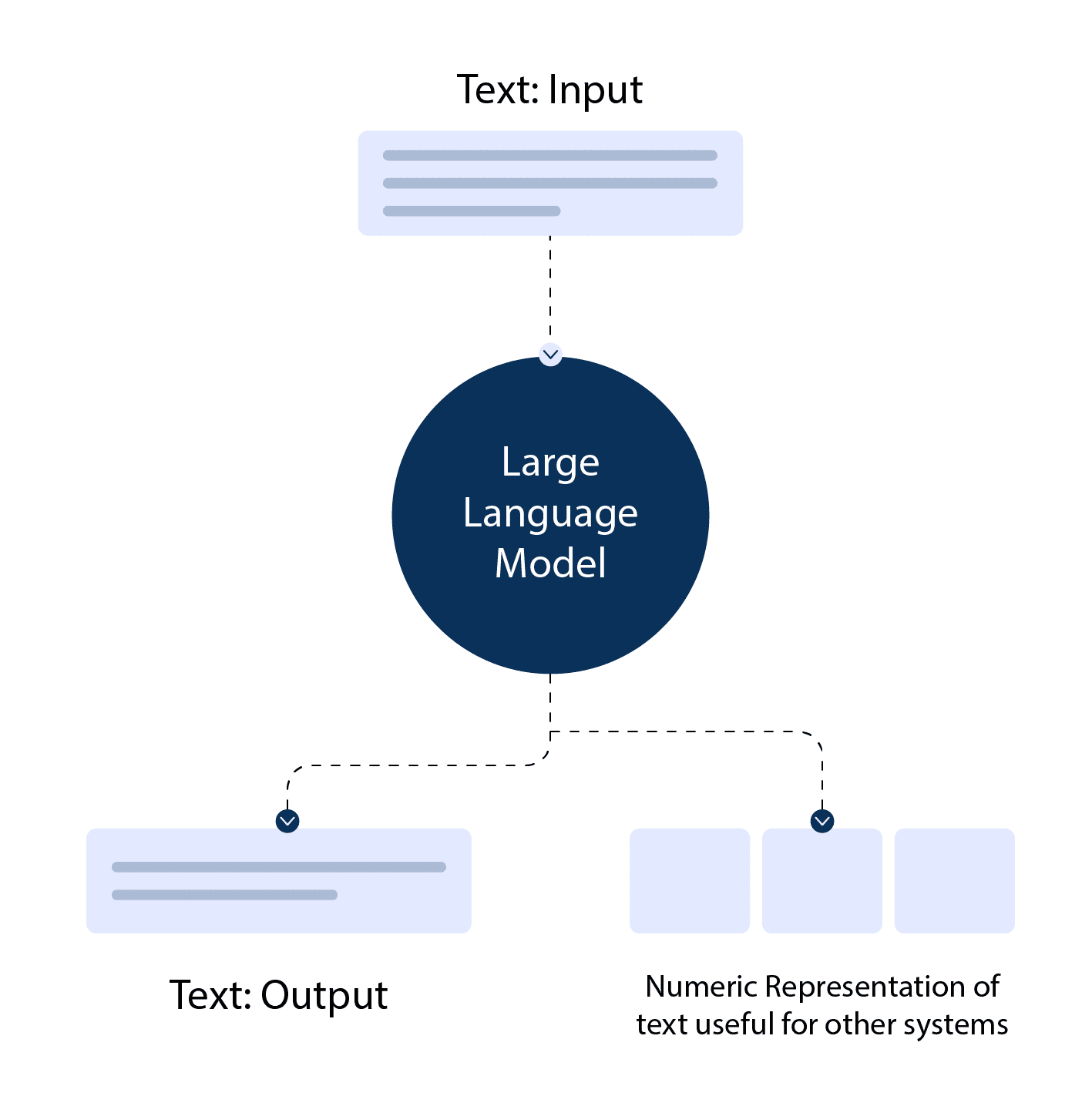
These models excel in understanding and generating human-like text, facilitating tasks such as automating customer support through AI-driven chatbots, enhancing content creation with automated writing tools, and improving data analysis through natural language processing.
By integrating different types of LLM applications, businesses can streamline workflows, personalize customer interactions, and make data-driven decisions more efficiently, leading to increased productivity and competitiveness in the market.
LLMs are changing business operations by automating tasks, enhancing decision-making, and improving customer interactions. With various types of LLM applications available, companies can use AI for everything from content generation to workflow automation.
Understanding these applications is crucial for businesses looking to stay ahead in an AI-driven world. Let us explore the key types shaping the future of business.
Managing legal documents and staying compliant with regulations takes time, and mistakes can lead to serious risks.
Businesses need reliable tools to handle contracts, policies, and legal requirements. Among the types of LLM applications, legal automation helps companies manage these tasks with ease.
LLMs generate and review legal documents, ensuring accuracy and compliance. They analyze contracts, flag risks, and summarize long legal texts. This saves legal teams hours of manual work.
AI-powered tools also track policy updates and regulatory changes. This helps businesses stay informed and legally protected.
Example: A law firm handling multiple contracts can use an LLM-powered tool to scan and review documents. Instead of checking each clause manually, the AI detects risks, highlights missing terms, and ensures compliance with new laws. This speeds up the process and reduces human error.
Legal automation simplifies compliance and contract management. Key benefits include:
With regulations always changing, using different types of LLM applications helps businesses stay compliant, reduce risks, and simplify legal work.
Businesses are using AI to make legal work easier. Here are some key examples:
By using different types of LLM applications, businesses can automate legal tasks, improve accuracy, and work more efficiently.
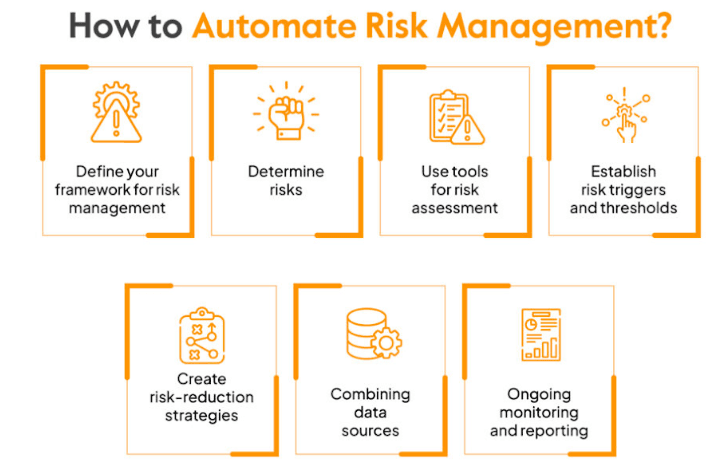
Managing finances, detecting fraud, and assessing risks require speed and accuracy. Manual reviews might be slow and prone to mistakes.
Among the types of LLM applications, financial automation helps businesses handle these tasks more efficiently.
LLMs analyze large amounts of data to detect patterns, predict risks, and automate reporting.
AI tools help businesses generate financial reports, spot irregular transactions, and prevent fraud. They help audit records, manage investments, and improve decision-making with real-time insights.
Example: A bank can use an LLM-powered fraud detection system to monitor transactions. If the AI detects unusual spending, like a large purchase from a new location, it flags it for review or alerts the customer. This helps prevent fraud while allowing legitimate transactions to continue smoothly.
AI is changing how businesses manage finances and compliance. Key benefits include:
With businesses relying on data-driven insights, using different types of LLM applications in finance ensures accuracy, security, and smarter decision-making.
Businesses use AI to simplify financial processes and reduce risks. Some key examples include:
As financial challenges grow, businesses using different types of LLM applications can improve security, make better decisions, and run operations more efficiently.
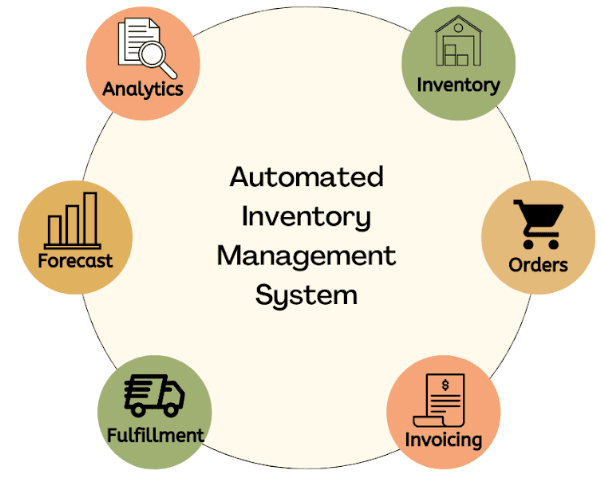
Managing supply chains is a challenging task. Delays, inventory shortages, and rising costs can disrupt operations.
Among the types of LLM applications, supply chain automation helps businesses track inventory, predict demand, and improve logistics.
LLMs analyze sales data, market trends, and supplier performance. AI-powered systems predict demand changes, suggest ideal stock levels, and flag potential disruptions.
These types of LLM applications help businesses cut costs, reduce waste, and keep operations running smoothly.
Example: A retail company can use an LLM-powered tool to track seasonal demand. The AI adjusts inventory levels across locations, preventing shortages or excess stock.
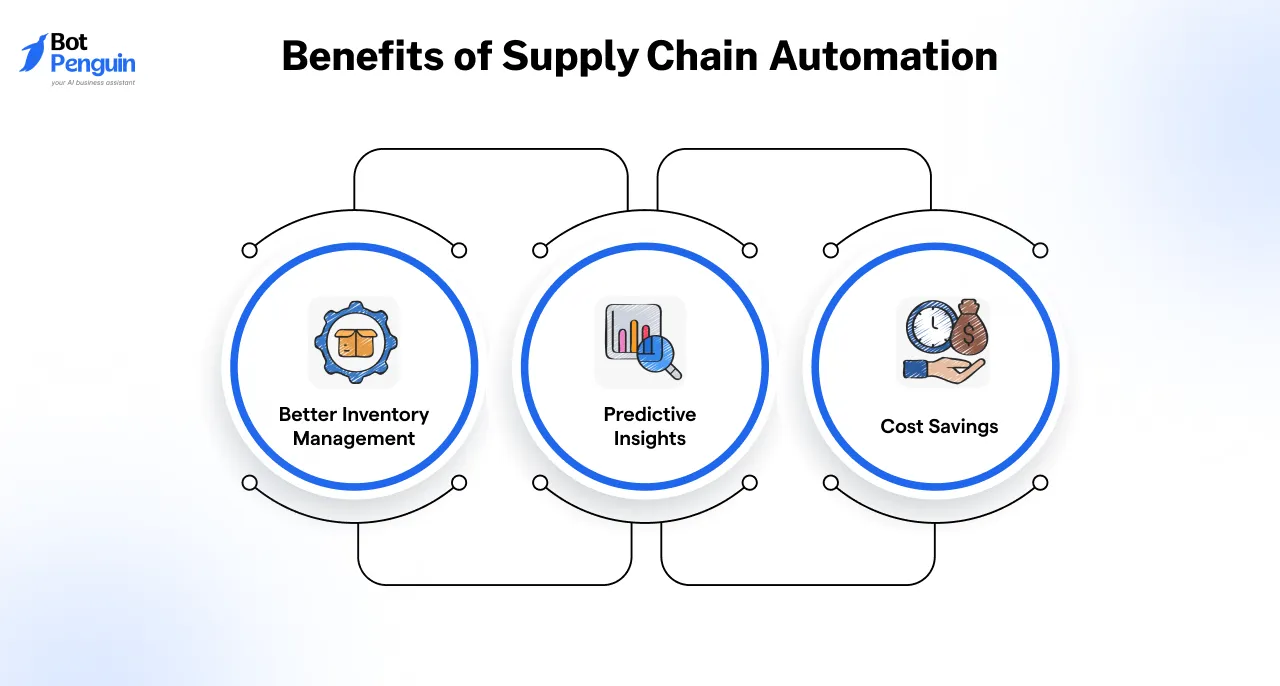
AI is changing how businesses handle inventory and logistics. Key benefits include:
By using different types of LLM applications, businesses can improve forecasting, reduce delays, and streamline supply chain operations.
Businesses are using AI to improve supply chain processes. Here are key examples:
As supply chains grow more complex, different types of LLM applications help businesses improve accuracy, lower costs, and increase efficiency.
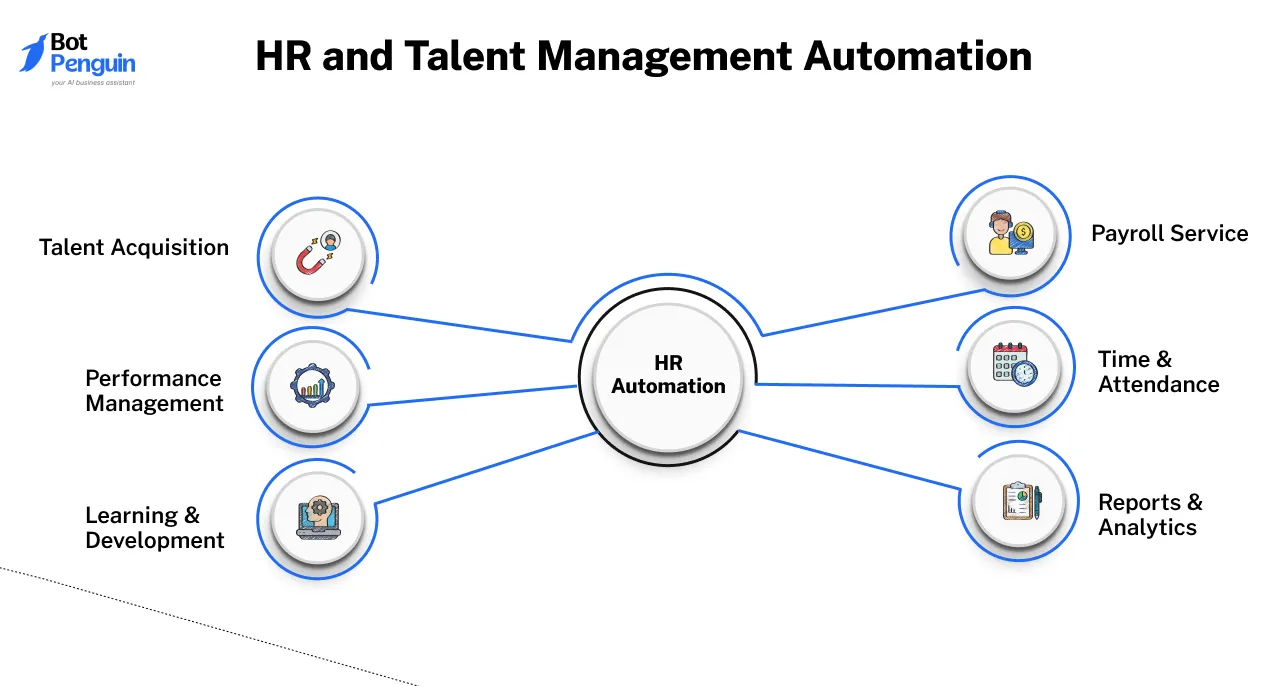
Hiring, training, and employee engagement take time, and manual HR processes can slow things down.
Among the types of LLM applications, HR automation helps businesses speed up hiring, improve training, and keep employees engaged.
AI-powered tools help HR teams screen resumes, schedule interviews, and analyze employee feedback. LLMs can also generate job descriptions, suggest performance improvements, and automate payroll tasks.
Example: A company using an AI recruitment tool can scan thousands of resumes, match candidates to job requirements, and even conduct initial chatbot interviews. This saves recruiters valuable time.
HR automation makes hiring and workforce management easier. Key benefits include:
Using different types of LLM applications in HR helps businesses find the right talent, improve productivity, and create better workplaces.
Businesses use AI to simplify HR tasks. Here are key examples:
As businesses focus on hiring and retaining top talent, using different types of LLM applications in HR makes processes faster, smarter, and more efficient.
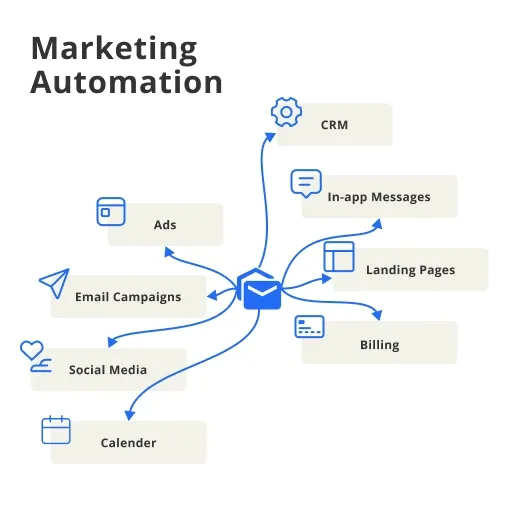
Creating quality content takes time. Businesses need engaging blogs, ads, and emails to attract customers.
Among the types of LLM applications, content generation and marketing automation help brands create and scale content without losing quality.
LLMs analyze large amounts of text and generate content that fits a brand’s tone. They help write blogs, social media posts, product descriptions, and email campaigns.
Example: LLMs generate SEO-friendly content that helps brands rank higher on search engines. They also tailor messaging based on audience insights, making content more engaging.
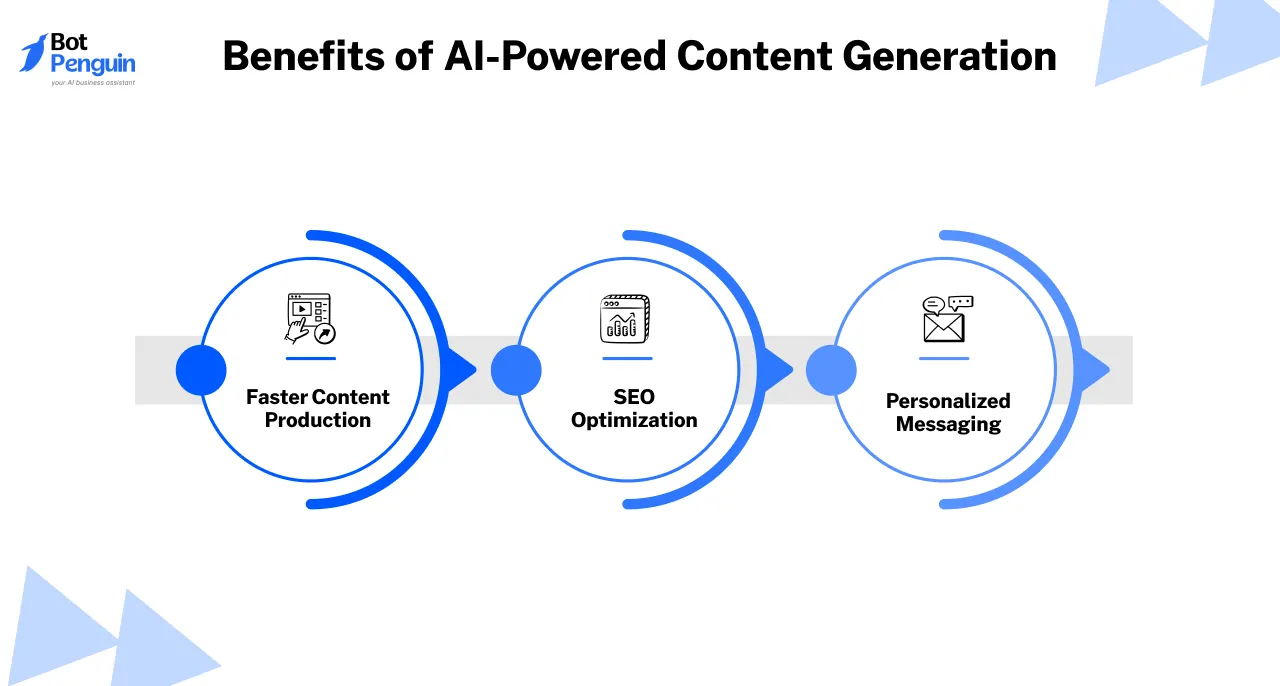
AI makes content creation faster and more effective. Key benefits include:
Using different types of LLM applications in content generation helps businesses create relevant, engaging, and optimized content with less effort.
Businesses use AI to simplify content creation. Here are key examples:
As content demand grows, using different types of LLM applications in marketing helps businesses stay consistent, improve efficiency, and connect with their audience effectively.
Smooth workflows keep businesses running efficiently. However repetitive tasks slow teams down and lead to mistakes.
Among the types of LLM applications, workflow automation helps businesses streamline operations and improve productivity.
LLMs handle routine tasks like scheduling, document creation, and email management. AI tools process natural language inputs to understand and complete tasks that usually require manual effort.
Example: AI-powered meeting assistants can schedule appointments by syncing calendars and avoiding conflicts. Document tools generate contracts or reports instantly. Email drafting tools suggest responses, saving time and ensuring clear communication.
By automating these tasks, businesses reduce manual work and allow employees to focus on more important projects.
AI improves workflow efficiency in several ways:
Using different types of LLM applications in workflow automation helps businesses reduce inefficiencies and increase productivity.
Businesses use AI to simplify operations. Key examples include:
Among the types of LLM applications, workflow automation is one of the most impactful. By automating repetitive tasks, businesses save time, reduce errors, and improve overall efficiency.
Understanding customers and personalizing marketing is key to business growth.
Among the types of LLM applications, AI-driven marketing automation helps brands connect with their audience more effectively.
LLMs analyze customer data, predict buying behavior, and create personalized content. Businesses use AI tools to craft ads, optimize email campaigns, and automate customer interactions.
Example: A fashion brand uses AI-powered email marketing to track past purchases. The system then sends personalized product recommendations, increasing sales.
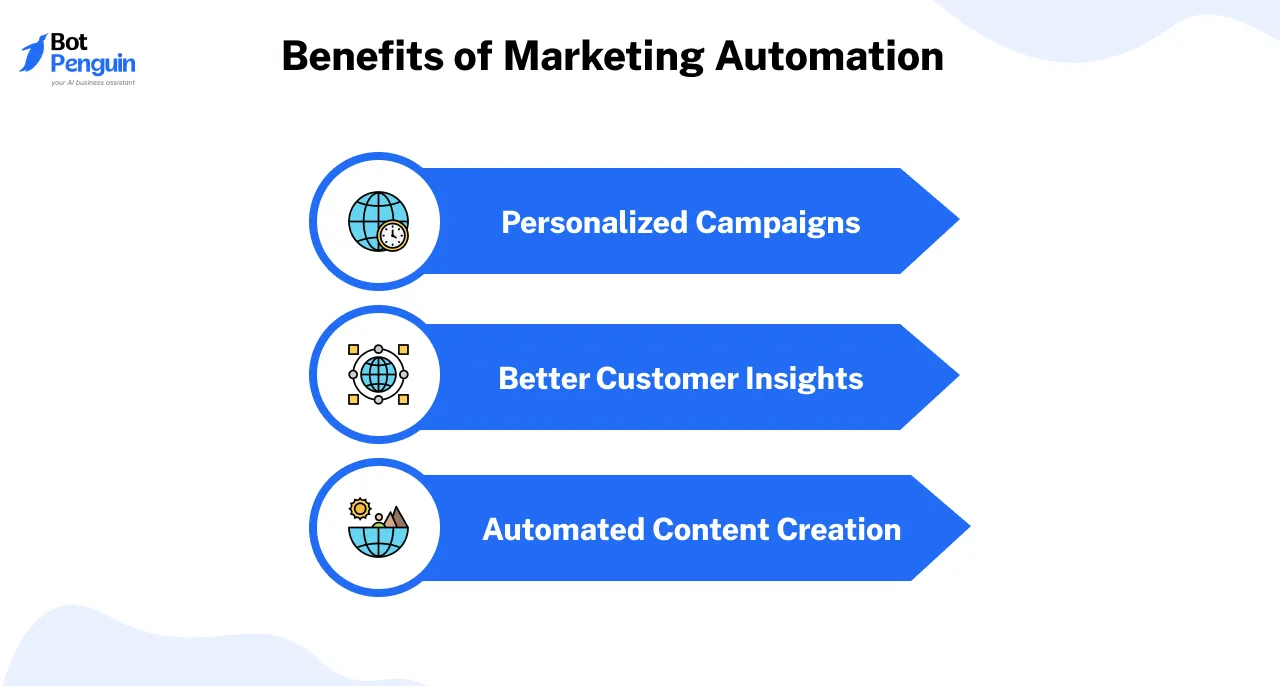
AI makes marketing faster and more effective. Key benefits include:
Using different types of LLM applications in marketing helps businesses engage customers, improve targeting, and drive more conversions.
Businesses use AI to automate marketing and boost engagement. Here are key examples:
With different types of LLM applications, businesses can automate marketing, enhance customer engagement, and improve conversions with minimal effort.
Platforms like BotPenguin, an advanced AI agent and chatbot maker, further simplify customer interactions by automating responses, improving lead generation, and providing seamless support across multiple channels.
Successfully integrating LLM applications into business processes requires careful planning, optimization, and continuous monitoring.
Whether using AI-driven chatbots, content generation tools, or automated data analysis, businesses must follow structured implementation strategies. Here are some essential best practices:
By following these best practices, businesses can maximize the benefits of different types of LLM applications, ensuring they are scalable, efficient, and aligned with long-term growth strategies.
LLMs are transforming how businesses operate, offering powerful solutions for customer support, personalization, workflow automation, and more. These types of LLM applications are not just improving efficiency but also helping businesses stay agile and responsive in a fast-evolving digital world.
By integrating AI-powered solutions, businesses can enhance communication, optimize operations, and deliver more meaningful customer experiences. As AI adoption becomes more accessible, using the right tools can ensure a smooth transition into this intelligent, data-driven future.
For businesses looking to embrace this AI transformation effortlessly, platforms like BotPenguin provide a great starting point. As an AI agent and a no-code AI chatbot maker, it helps businesses automate customer interactions and streamline workflows with ease.
Whether it is improving customer support or driving engagement, BotPenguin enables organizations to use AI without technical complexity. With tools like BotPenguin, adopting AI is simple, impactful, and accessible to all.
Companies can start by identifying areas where AI automation can improve efficiency, such as customer support, content generation, legal compliance, and finance.
By integrating LLM-powered tools, businesses can optimize operations and enhance overall productivity.
Yes, many types of LLM applications are scalable and affordable, making them ideal for startups and small businesses. AI-powered automation tools help reduce operational costs, improve productivity, and provide personalized customer experiences.
Yes. Companies often use multiple types of LLM applications together. For example, a business might use AI-powered chatbots for customer service while using content automation for marketing and risk assessment models for financial security.
While initial adoption may require investment, LLM automation ultimately saves costs by improving efficiency, reducing manual work, and minimizing errors in various business operations.
Among the various types of LLM applications, one of the most impactful is customer communication. LLMs are transforming this space by powering AI-driven chatbots, virtual assistants, and automated support systems.
These models understand natural language, generate human-like responses, and provide instant, personalized assistance, enhancing customer engagement. While some AI solutions use LLMs for deep contextual understanding, businesses looking for an efficient chatbot platform can explore BotPenguin.
Subscribe to Our Newsletter
Get the latest business insights straight into your inbox.
Checkout our related blogs you will love.
Updated at Oct 23, 2026
16 min to read
Updated at Sep 25, 2026
15 min to read

Updated at Sep 25, 2026
13 min to read
Updated at May 26, 2026
14 min to read

Updated at Feb 24, 2026
15 min to read
Updated at Feb 18, 2026
14 min to read
Table of Contents
