![Featured image for Essential Chatbot Statistics [2024]](https://cdn.botpenguin.com/assets/website/Essential_Chatbot_Statistics_for_2020_3d47c9f934.webp)
Essential Chatbot Statistics [2024]
Updated at Oct 12, 2026
11 min to read
When you talk to a person, their tone, words, and expressions shape how the conversation feels. A chatbot works the same way. Some sound friendly and engaging, while others feel cold and mechanical.
You’ve probably interacted with a bot that felt just… off. Flat, robotic, and almost lifeless?
On the other hand, some chatbots feel effortless to talk to, almost as if they understand you. They greet you warmly, respond with personality, and make interactions enjoyable.
That’s the power of chatbot personality.
Some bots feel alive because they’re designed with human-like traits. They have a tone, a style, and a way of speaking that reflects a brand’s identity. While others sound like automated scripts, they are cold, mechanical, and frustrating to talk to.
A chatbot with personality makes users feel heard. It builds trust, keeps people engaged, and even makes customer support enjoyable.
But how do you create a chatbot personality that truly connects with users? It all starts with understanding the difference between a chatbot that feels human and one that feels robotic.
A chatbot’s personality is the unique tone, style, and behavior it exhibits while interacting with users. It’s what makes a chatbot feel more human-like rather than robotic.
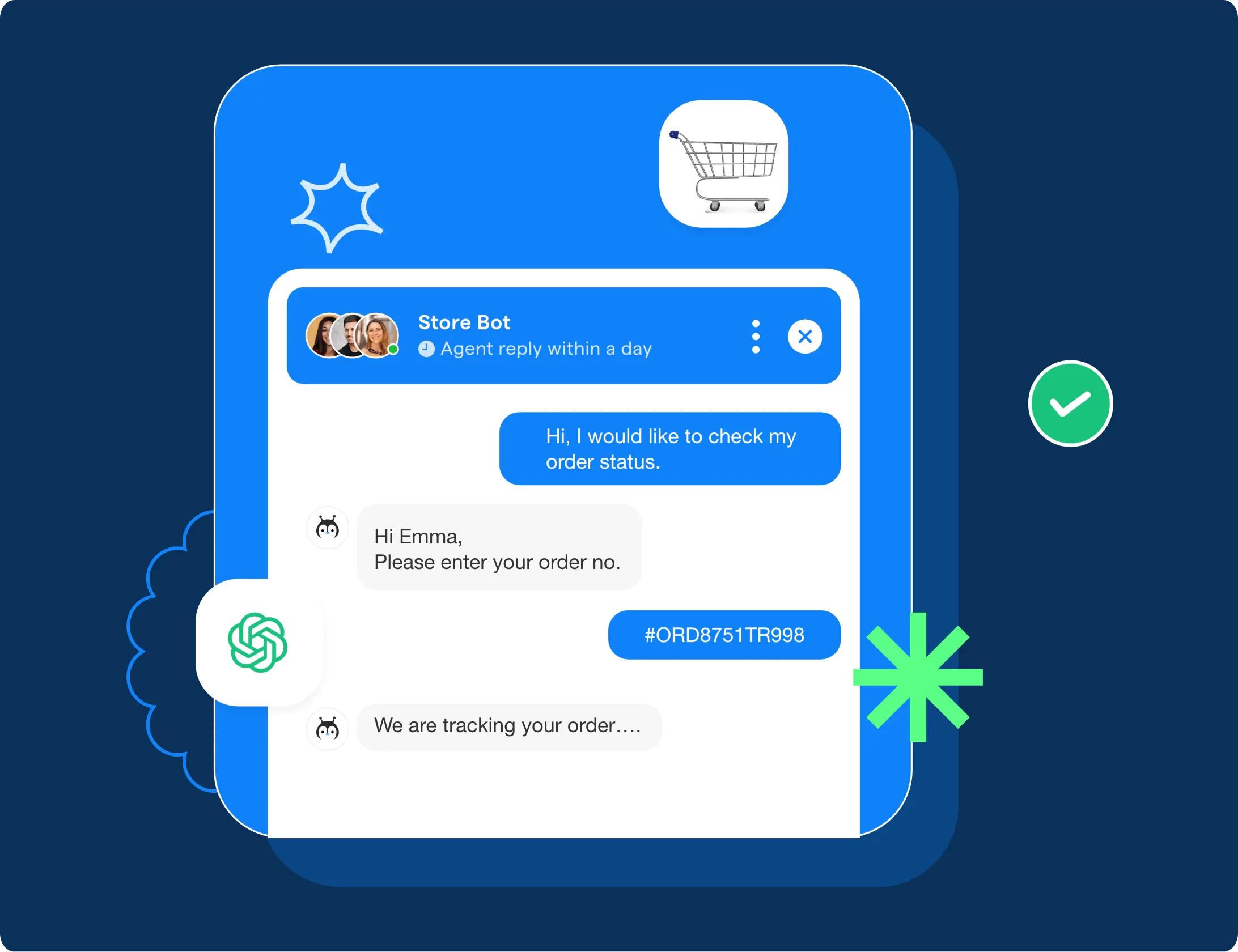
This personality is shaped by how it responds, the words it uses, and the emotions it conveys. A chatbot with a personality feels natural, relatable, and even enjoyable to chat with, like talking to a person rather than a machine.
Customers expect more than automated responses they want interactions that feel real, engaging, and in sync with the brand’s voice.
A chatbot with personality is about creating an experience that aligns with business goals, whether that’s increasing conversions, improving customer satisfaction, or strengthening brand loyalty.
Businesses that give chatbots a personality see a direct impact on customer engagement, sales, and retention. Let’s understand why personality-driven chatbots are a game-changer.
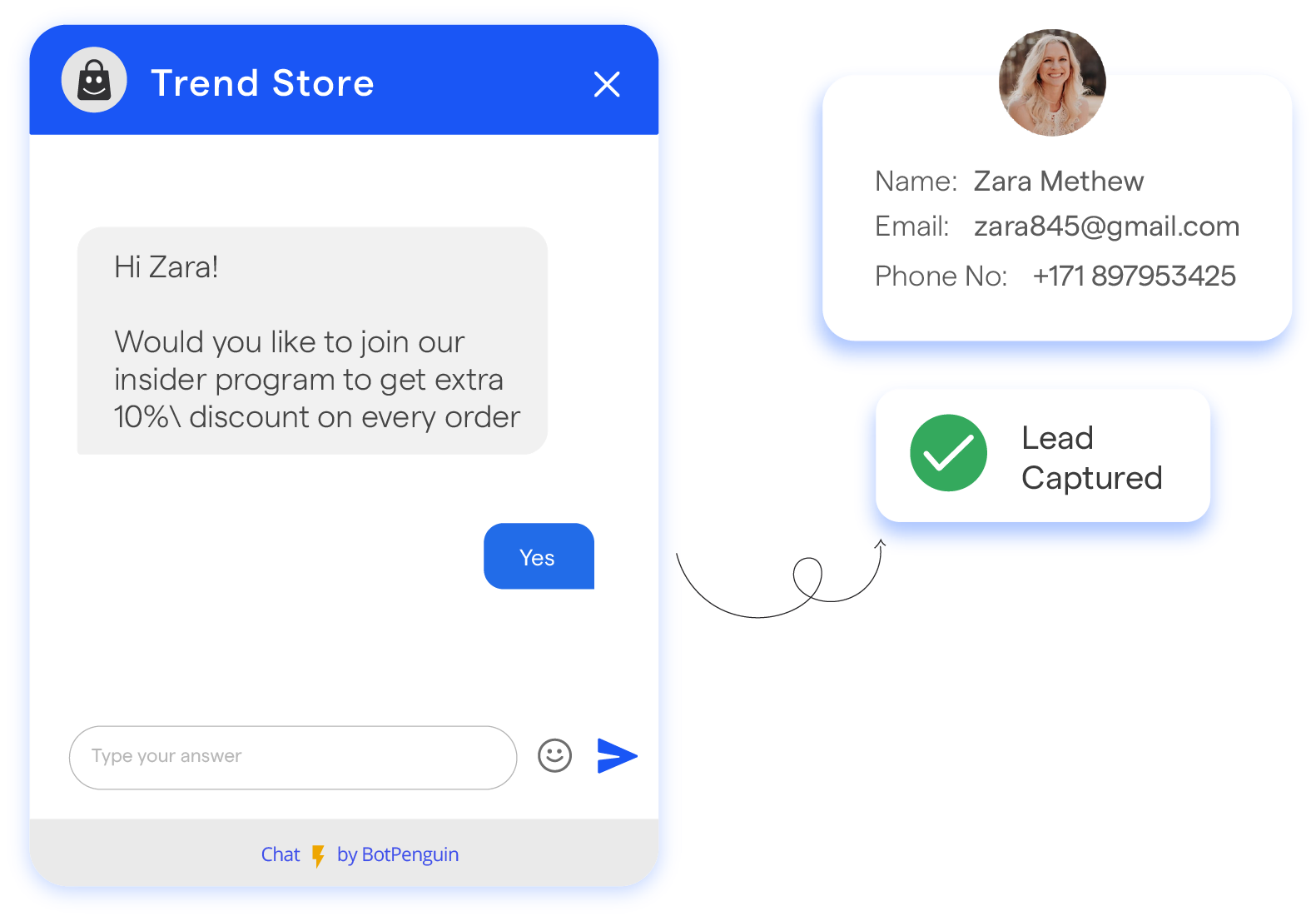
A well-crafted chatbot personality design influences how customers interact with a business. When a chatbot feels human-like and helpful, users are more likely to complete purchases, book appointments, or sign up for services.
For example, an e-commerce chatbot that mimics an enthusiastic shopping assistant can guide users toward products, recommend deals, and create a sense of urgency leading to higher sales and lower drop-offs.
A chatbot that remembers user preferences and speaks in a relatable tone makes interactions feel personal and authentic. Customers are more likely to return when they feel valued.
A food delivery app chatbot that remembers past orders and suggests personalized meal options creates a loyalty-driven experience, making users feel understood rather than just processed through a system.
Many businesses deploy chatbots to handle common queries, but a lifeless chatbot frustrates users instead of helping them. A well-designed chatbot personality ensures users feel heard, even in an automated conversation.
An airline chatbot with a calm and reassuring tone can ease customer anxiety about flight delays, offering alternative solutions before they even ask, reducing support tickets, and improving customer satisfaction scores.
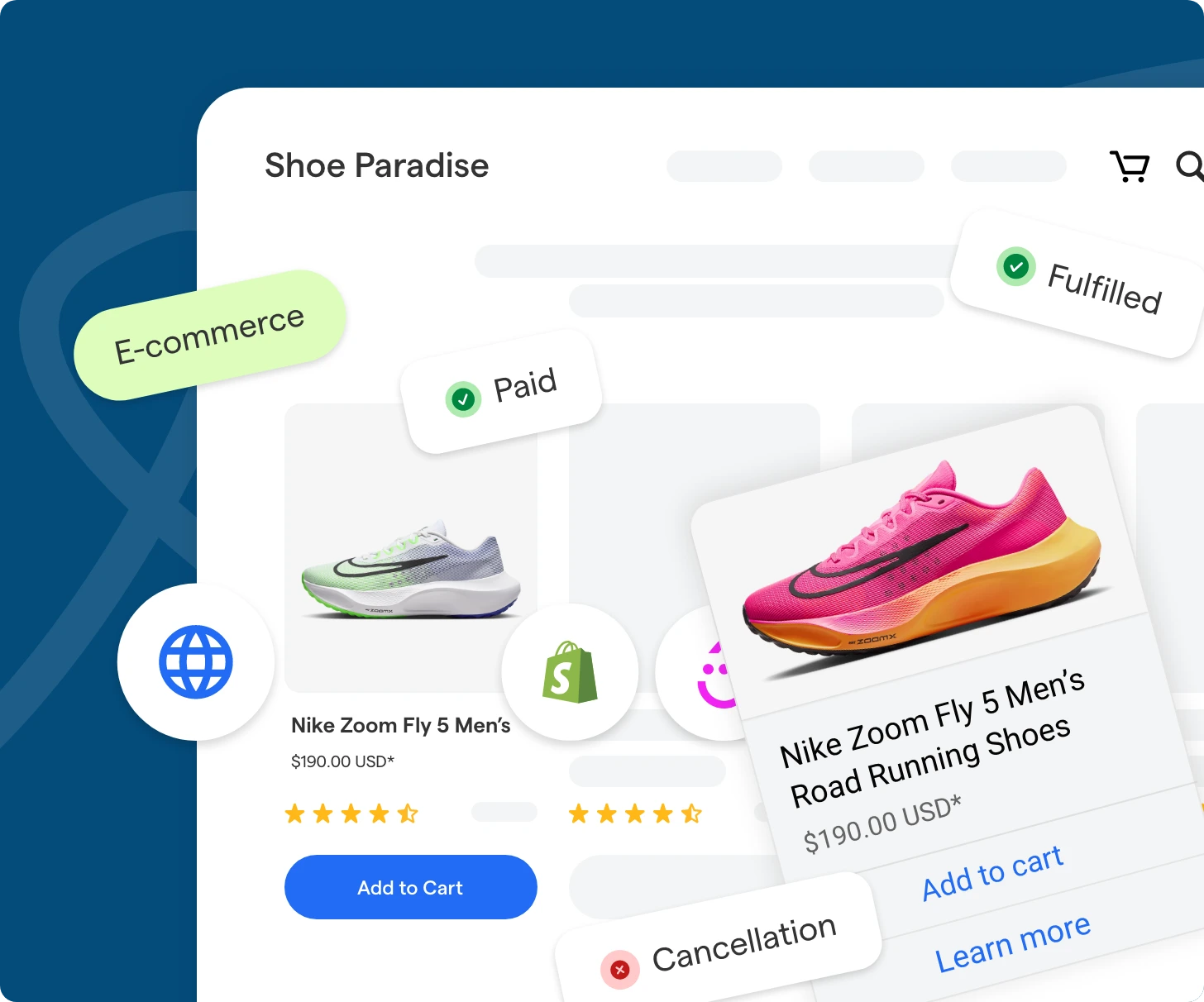
A brand’s voice shouldn’t disappear in chatbot interactions. A chatbot with personality traits that reflect a company’s branding, whether playful, professional, or empathetic, creates a consistent customer experience across websites, apps, and social media.
For example, a fintech chatbot that balances professionalism with an approachable tone reassures customers while simplifying financial advice. This reinforces trust and credibility, making users more comfortable engaging with the brand.
People abandon boring conversations. If a chatbot is dry and robotic, users will leave mid-conversation, and businesses will lose potential leads or sales.
A chatbot that uses humor, storytelling, or a conversational flow keeps users engaged. Even small tweaks like using emojis or casual phrasing can make a chatbot more inviting and memorable.
A chatbot personality is a business asset. It increases conversions, strengthens relationships, and keeps customers engaged. The key is creating chatbot personality traits that align with your brand and user expectations.
Next, let’s explore how to make chatbots with personality that actually drive results.
Creating a chatbot with personality isn’t about making it sound fun or human-like it’s about making interactions meaningful, engaging, and aligned with your brand. Every detail, from tone to response style, influences how users perceive and interact with your chatbot.
To give a chatbot a personality that truly connects with users, businesses need to make some critical decisions first. Here’s what matters most
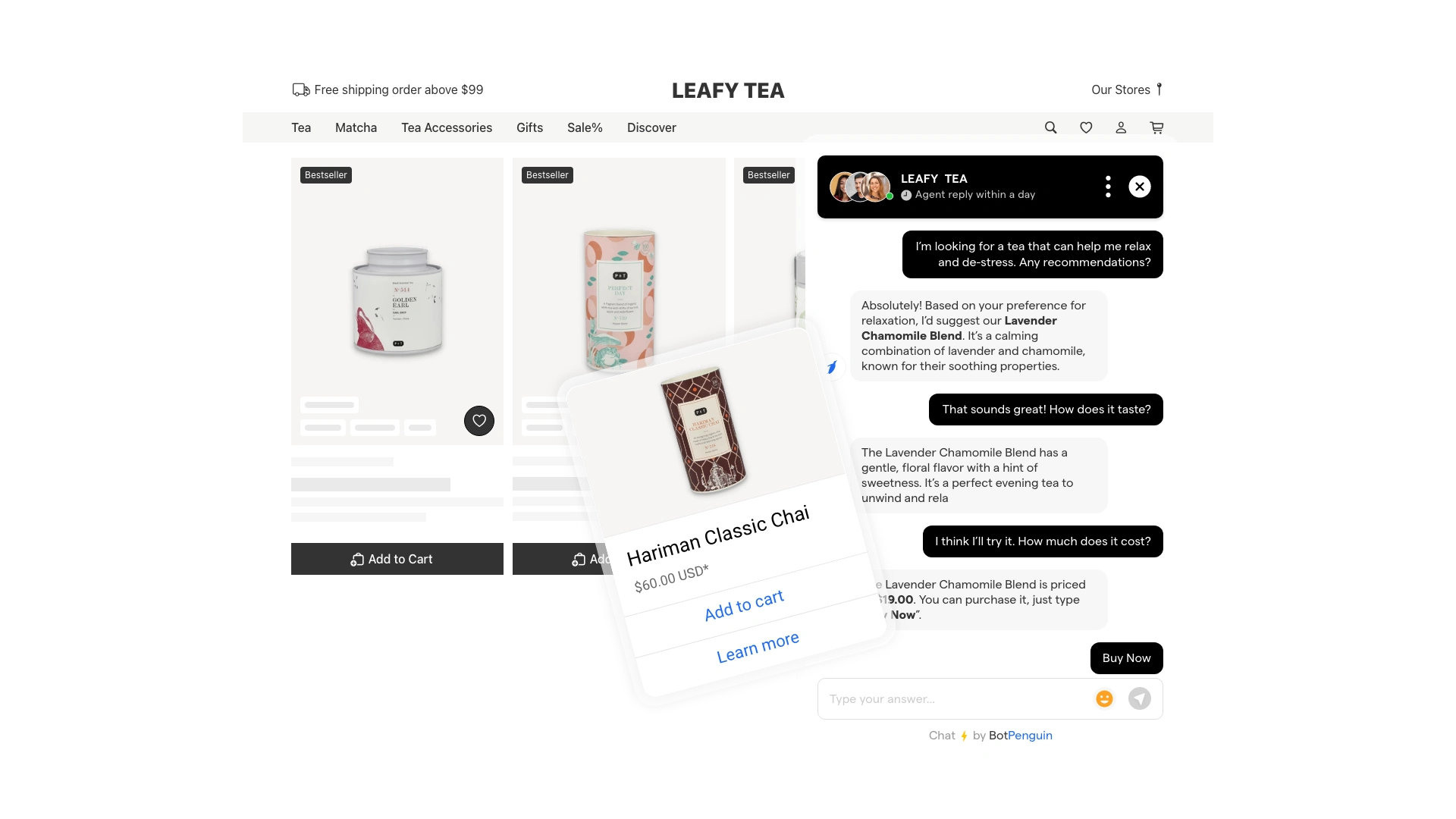
Before shaping a chatbot’s personality, you need to clarify its function and who it will serve. A customer support bot should be empathetic and efficient, while an e-commerce chatbot needs to be engaging and persuasive.
When the chatbot’s personality aligns with its use case, interactions feel authentic and helpful, improving user satisfaction.
Your chatbot should extend your brand’s voice, not feel like a separate entity. If your brand is professional, the chatbot should reflect that. If it’s fun and casual, the chatbot should engage users in a similar tone.
✅ Example: Duolingo’s chatbot maintains the platform’s playful and encouraging vibe, making language learning feel fun rather than robotic.
A consistent chatbot personality design makes the brand feel more unified across different touchpoints.
Your chatbot’s personality should be intentional, not random. Users should know what to expect from interactions.
Choosing the right chatbot personality traits ensures that interactions feel smooth and engaging instead of forced or awkward.
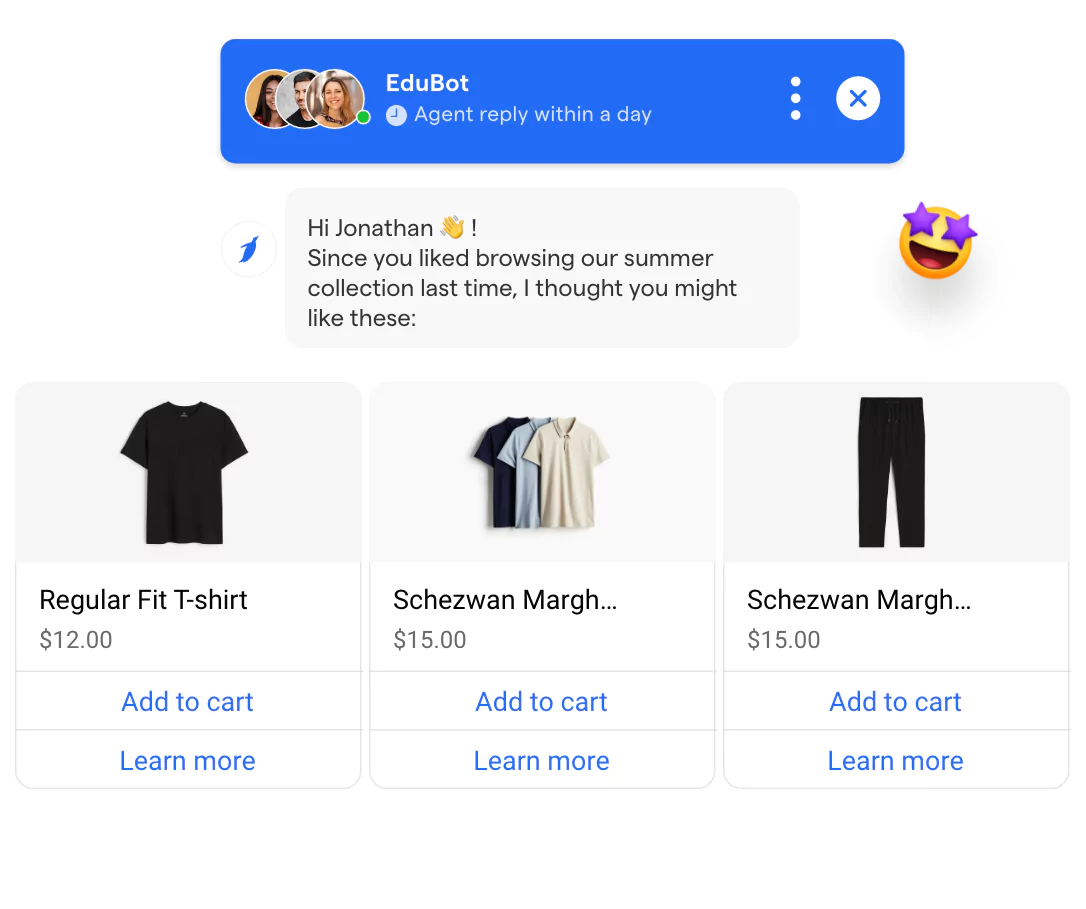
A chatbot’s tone should match the context of the conversation. A troubleshooting chatbot should be direct and helpful, while a sales chatbot should be warm and persuasive.
Users respond better when a chatbot speaks in a way that feels relevant and appropriate to their needs.
A chatbot should be engaging without crossing ethical or professional lines. Defining response limits ensures clarity and trust.
✅Example: A finance chatbot shouldn’t sound like it’s giving financial advice. Instead, it should provide general guidance while clearly stating disclaimers.
A chatbot that adapts to user behavior feels more natural and engaging. Personalization helps build deeper connections.
✅ Example: Spotify’s chatbot suggests personalized playlists based on a user’s past music choices, making interactions feel tailored.
A chatbot serving a global audience must adapt its tone and responses based on regional and cultural preferences.
✅Example: A chatbot that says, “What’s up?” might sound casual in the U.S. but could feel unprofessional in a business setting elsewhere.
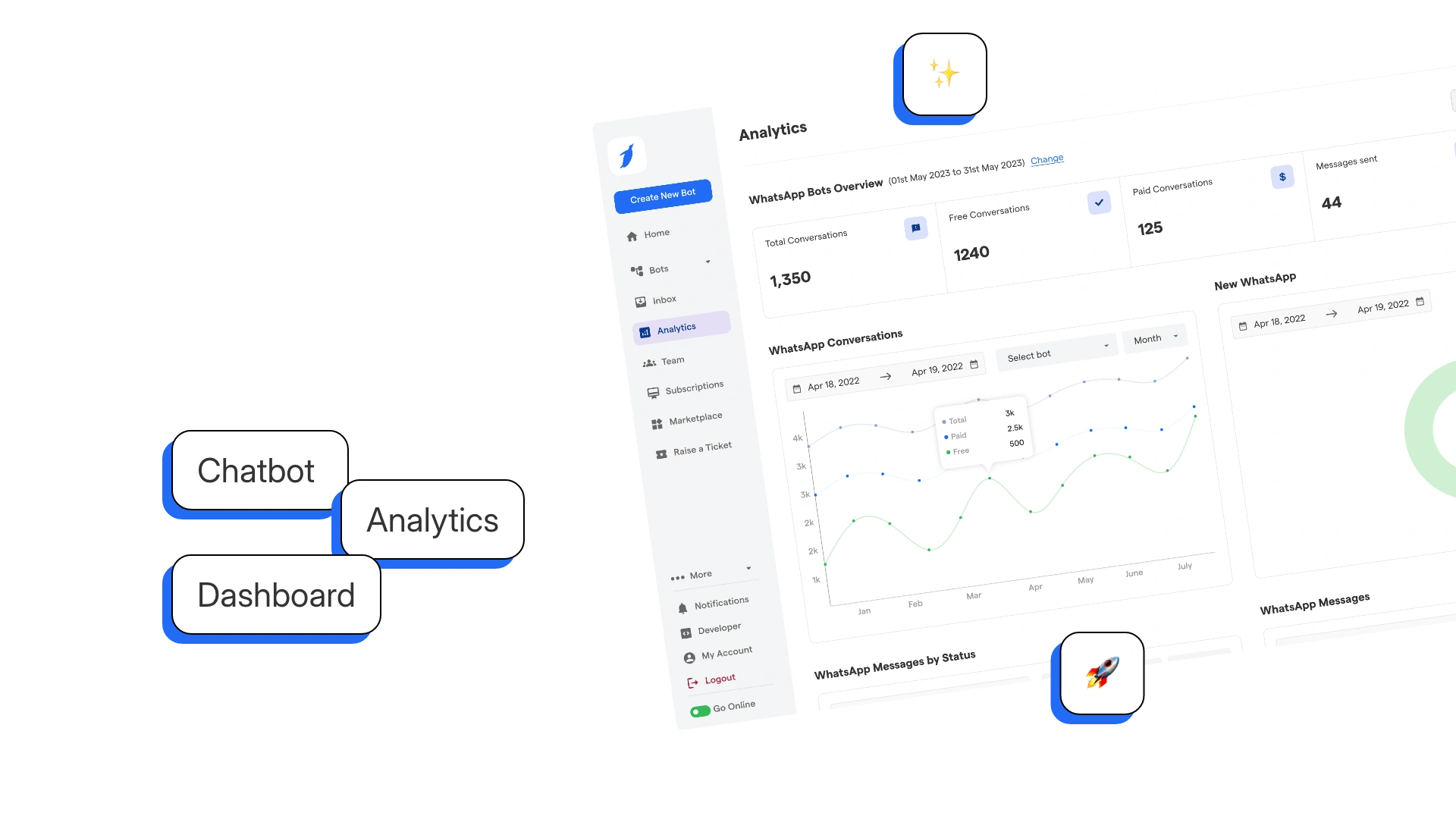
A chatbot’s personality needs continuous refinement to stay effective.
Leading brands like Apple, Google, and Amazon consistently update their AI assistants, improving personality-driven interactions with every iteration.
Crafting a chatbot with personality is about finding the perfect balance between automation and engagement. When designed with the right traits, tone, and adaptability, a chatbot becomes an integrated part of the customer experience rather than just a tool.
By aligning personality with brand identity, setting clear communication guidelines, and optimizing interactions over time, businesses can create chatbots that drive engagement, satisfaction, and long-term user retention.
Want to know how to make chatbots with personalities that truly convert? Continue reading
A chatbot’s personality determines how it interacts with users, shaping the overall experience. With BotPenguin, you can fine-tune your bot’s personality to match your brand voice, ensuring seamless and engaging conversations. Here’s how you can do it.
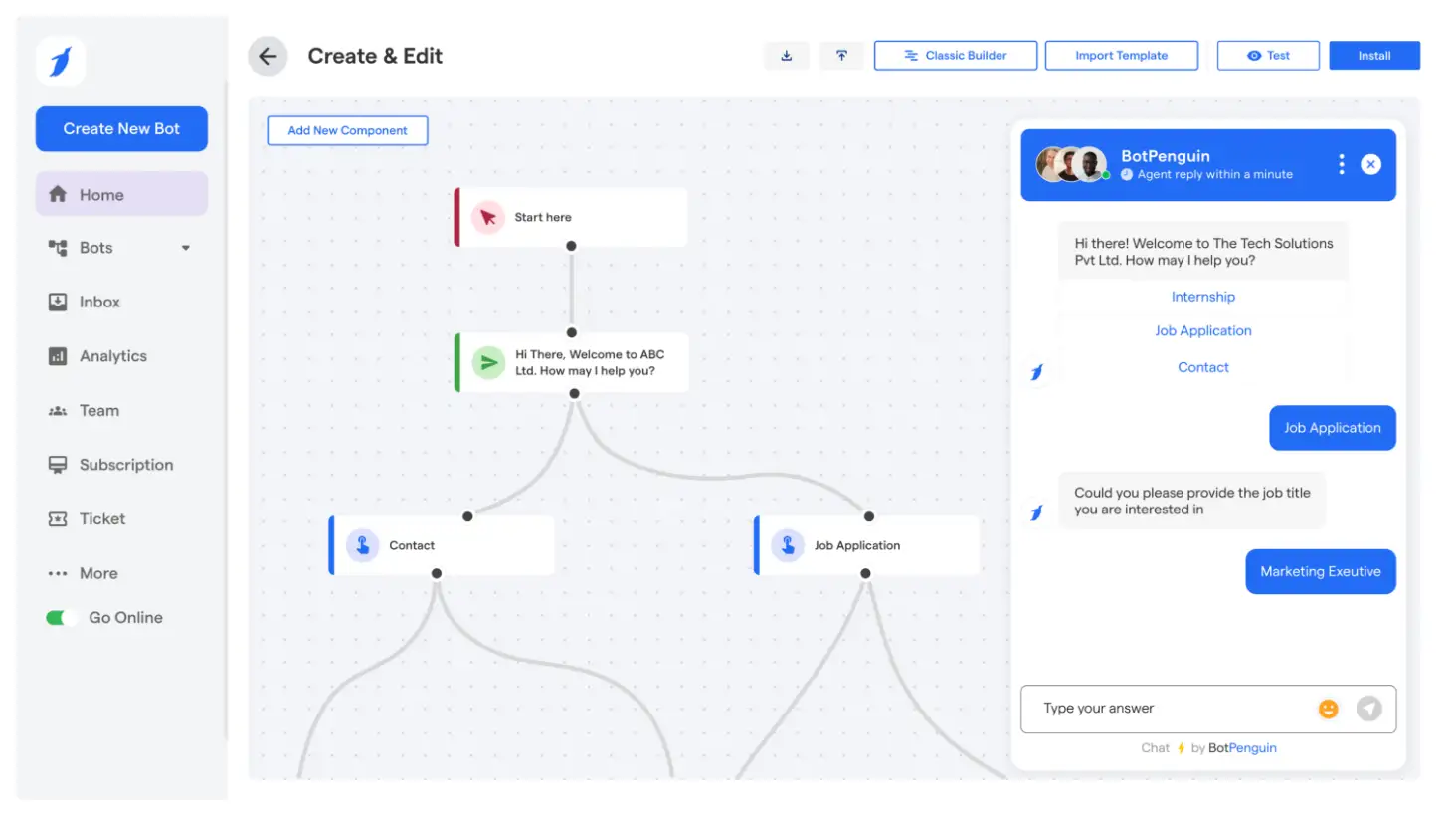
Begin by creating an account on BotPenguin:
Once done with creating your chatbot, you need to access the right settings
This is where you define how your chatbot interacts, whether professional, friendly, casual, or authoritative.
Your chatbot’s persona is its digital identity. Giving it a name, description, and visual representation makes it feel more human-like and engaging.
A strong persona helps your chatbot sound more natural and aligned with your brand.
Now, you need to define how your chatbot interacts in conversations.
This configuration ensures your chatbot remains consistent in tone and style, improving user engagement.
Chatbots must handle various conversation scenarios smoothly. In Chat Scenarios, you can define how your bot responds to different situations.
This step ensures your chatbot remains polite and professional, even in challenging interactions.
Fine-tune your chatbot’s responses by adding Custom Instructions.
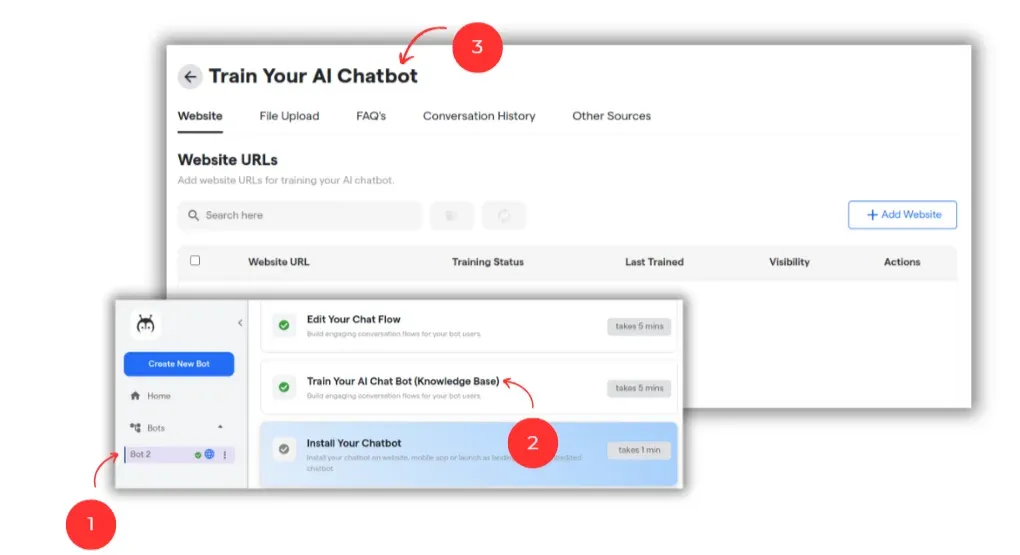
Enhance your chatbot's relevance by training it on your specific data:
Before going live, thoroughly test your chatbot:
With well-structured instructions, your chatbot will stay on-brand and provide relevant, engaging responses.
By configuring your chatbot’s personality in BotPenguin, you ensure it responds accurately and resonates with users. A well-crafted chatbot builds trust, enhances engagement, and delivers a seamless experience, making every interaction feel natural and valuable.
Get started today and give your chatbot a personality that users will enjoy interacting with!
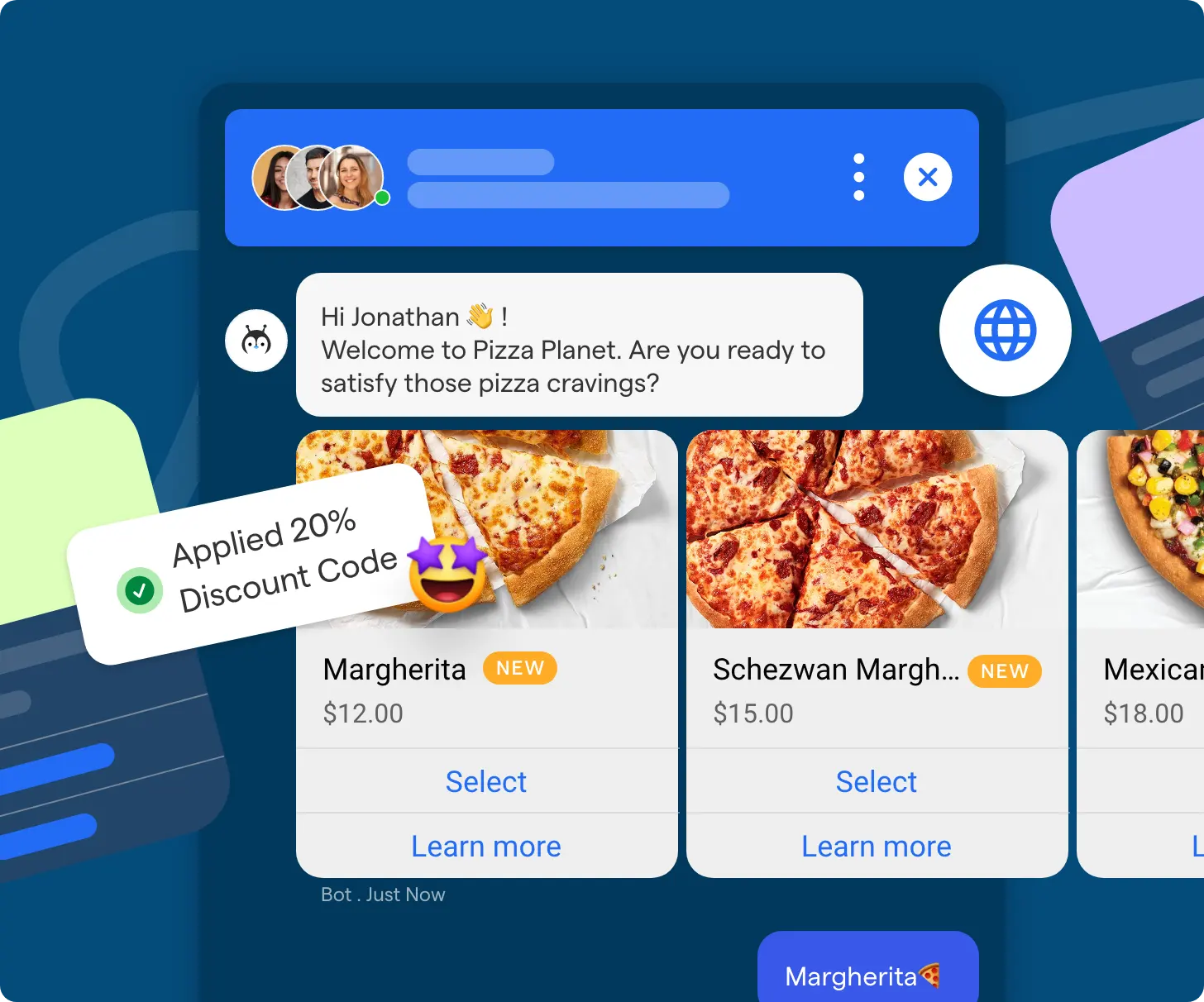
A chatbot with personality should feel engaging, natural, and aligned with your brand. But how do you know if it's truly working? If your chatbot isn’t keeping users engaged or driving conversions, its personality might need fine-tuning.
Use this actionable checklist to evaluate whether your chatbot is delivering the right experience or if it needs adjustments.
💡 If your chatbot sounds different across platforms or lacks a distinct voice, it may feel disconnected from your brand.
💡 If users drop off mid-conversation, it could be due to robotic, impersonal interactions.
💡 If your chatbot responds the same way to every user, it might not be as effective as it should be.
💡 A chatbot that gives long-winded or unclear responses can frustrate users instead of helping them.
💡 If users feel like they’re talking to a script rather than an assistant, your chatbot might need more human-like refinements.
💡 If your chatbot’s personality is inconsistent or forced, users may disengage instead of interacting further.
💡 A chatbot that never evolves can quickly become outdated and ineffective.
If you checked all the boxes above, your chatbot personality design is on the right track! If not, it’s time to refine its tone, adaptability, and conversational flow to create more engaging user experiences.
A well-crafted chatbot personality makes your chatbot feel engaging, helpful, and aligned with your brand. Whether it’s friendly, professional, or witty, the right personality enhances user experience, builds trust, and drives real engagement.
By focusing on chatbot personality design, avoiding common mistakes, and continuously optimizing, you can create a chatbot that users actually enjoy interacting with.
Now that you know how to create a chatbot with personality, it’s time to put these insights into action. Whether you’re building from scratch or refining an existing chatbot, start by:
✔ Defining your chatbot’s tone and personality traits
✔ Ensuring consistency across all interactions
✔ Improving adaptability, emotional intelligence, and user engagement
The best chatbot experiences are human-like, intuitive, and constantly improving.
Start building a chatbot that truly connects with your audience. Try BotPenguin and see the difference firsthand!
To give chatbot a personality, focus on natural language processing, add emotional intelligence, and use a conversational tone that reflects brand values, making interactions engaging and relatable.
To change chatbot personality smoothly, gradually adjust its tone, vocabulary, and interaction style based on user feedback while maintaining consistency with the brand’s communication guidelines.
A chatbot with personality builds stronger customer relationships, makes interactions enjoyable, and enhances brand recall, unlike generic bots that feel transactional and impersonal.
AI enables chatbots to adapt their personality by analyzing user preferences, learning from past interactions, and refining responses to provide a more personalized experience.
Overuse of humor, inconsistent tone across conversations, and lack of adaptability can make a chatbot feel artificial rather than engaging, reducing user trust and satisfaction.
Subscribe to Our Newsletter
Get the latest business insights straight into your inbox.
Checkout our related blogs you will love.
Updated at Oct 12, 2026
11 min to read
Updated at Oct 6, 2026
15 min to read
Updated at Sep 30, 2026
9 min to read
Updated at Sep 29, 2026
13 min to read

Updated at Sep 26, 2026
29 min to read

Updated at Jul 28, 2026
8 min to read
Table of Contents