


An implementation partner is a company or consultant that helps businesses successfully adopt new software. They plan the rollout, configure the system, connect existing tools, and support testing. They also train employees, manage the launch, and provide post-go-live support. Their role is to make the software work within existing business processes.
Software rollouts can struggle even when the product itself is suitable.
Problems often arise when no one clearly owns the transition.
No clear plan, no one accountable once the vendor's onboarding call ends, no support when the team hits a wall in week three.
This is the gap an implementation partner exists to close. This guide explains what they do, the partner types available, and how to choose one.
Why Do Businesses Need Implementation Partners?
Buying software gives a business access to the technology. It does not guarantee that the technology will fit existing workflows, connect with other systems, or be adopted by employees.
An implementation partner closes that gap. They turn the software's standard capabilities into a working system aligned with the business's processes, goals, and technical environment.
Their role also creates accountability during the transition. Instead of leaving each department to interpret the software differently, the partner coordinates decisions, responsibilities, testing, training, and launch preparation across the organization.
What Implementation Partners Actually Do?
Implementation partners guide a business through a full cycle, not a single handoff. Here is what that usually looks like in practice.
Discovery
The partner learns how your business actually works today. This includes current processes, pain points, and what success looks like once the new system is live. Skipping this step can create unclear requirements, unsuitable configurations, and avoidable changes later in the project.
Configuration
The software gets set up to match your workflows, not the other way around. This differs from installing a tool out of the box and hoping it fits.
Integration
The new system gets connected to what you already use. This includes your CRM, helpdesk, payment tools, and anything else the business runs on day-to-day.
Training
Your team learns how to actually use the system. Without proper training, employees may use the software inconsistently, avoid advanced features, or return to older processes.
Go Live
The partner manages the cutover from the old process to the new one, so the switch doesn't stall day-to-day operations.
Post-launch support
The relationship doesn't end at go-live. Ongoing troubleshooting and optimization distinguish a full implementation engagement from a limited setup-only service.
Types of Implementation Partners
Not every implementation partner looks the same. Picking the wrong type for your situation is a common reason projects stall. Broadly, they fall into three categories.
In-house Teams
Internal employees tasked with rolling out new software, usually from IT or ops.
This works well when the software is a single tool with limited integrations, and the team already has bandwidth to own the rollout alongside their regular workload.
It works poorly when the tool touches multiple departments, since an internal team often lacks the cross-functional pull to get sign-off from every stakeholder at once.
Certified Vendor Partners
Consultants or agencies officially certified by the software provider. Because they are trained directly by the vendor, they tend to know the product's edge cases and workarounds better than anyone outside the company.
The trade-off is that their expertise usually stops at the edge of that one product.
If your stack involves several systems talking to each other, you may need to bring in someone else for the integration.
Independent Consultants
Third-party specialists who are not tied to any single vendor.
Because they are not incentivized to push one product, they tend to give more neutral advice on what will actually work for your setup.
This makes them a better fit for businesses running several connected systems rather than adopting one tool in isolation.
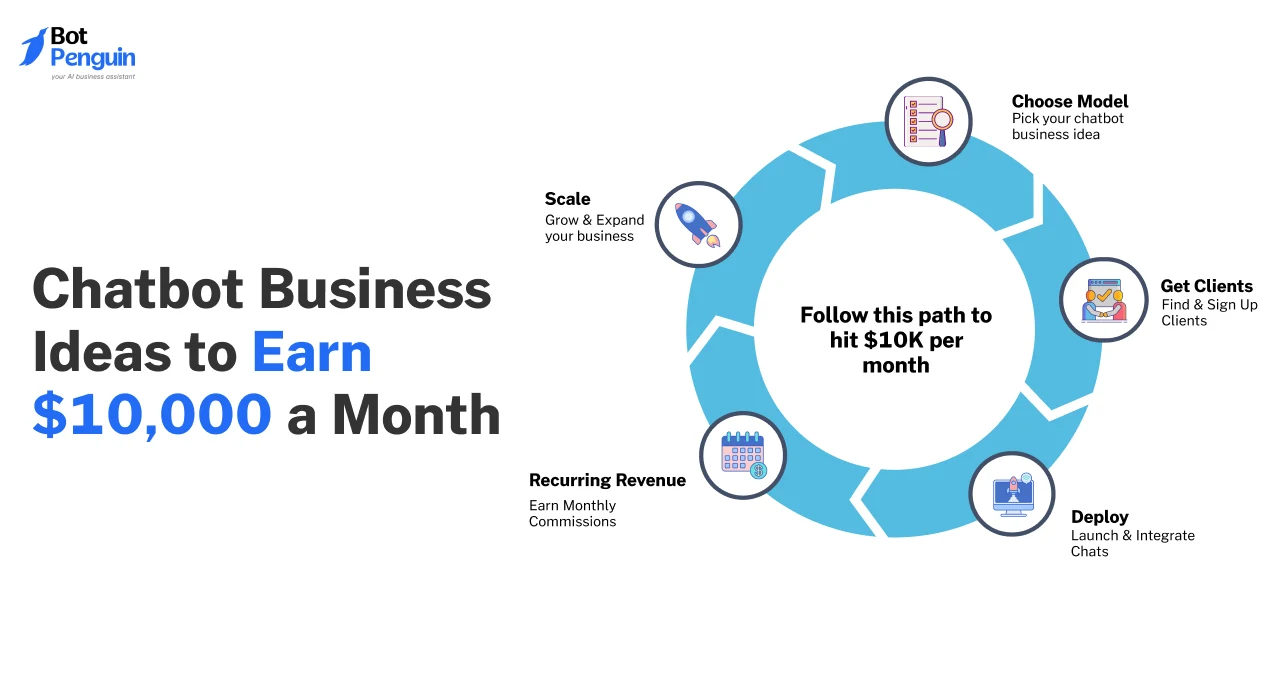
Some independent consultants and agencies also join a chatbot reseller program, allowing them to sell software while offering implementation and support as separate services.
The right type depends on three things: how much internal capacity your team already has, how complex the software is on its own, and whether the priority is deep expertise in one product or a working knowledge of your entire stack.
Businesses and agencies comparing broader partnership models can also check out BotPenguin's partner resources.
How to Choose the Right Implementation Partner?
Most businesses spend weeks comparing software and then pick an implementation partner in a single call. That imbalance is usually where things go wrong. Here is what actually separates a good choice from a bad one.
Track Record
Case studies are useful, but references from businesses close to your size, industry, and project complexity carry more weight.
A partner with a dozen enterprise logos may have never handled a rollout with your constraints, such as a five-person operations team or a tight compliance requirement. Ask specifically for a reference from a project similar to yours, not their best one.
Domain Expertise
A partner who already understands your industry's workflows will ask sharper questions during discovery instead of learning your business on your dime.
This shows up early. In the first call, a partner with real domain expertise usually points out a workflow issue you hadn't mentioned yet, because they have seen it before in businesses like yours.
Certifications
Vendor certification matters most when the software itself is complex or highly customizable. Certified partners get direct access to the vendor's internal resources and faster escalation paths when something breaks.
For simpler tools, certification matters less than general implementation experience.
Support Model
This is the question many businesses forget to ask. Some partners consider the job complete once the system goes live. Others continue supporting issues that appear after real users start working in the system. Ask about response times, escalation paths, support hours, and ongoing responsibilities.
Communication Fit
Scope always changes mid-project. What matters is how a partner handles that change. Do they flag the change early and explain the trade-off?
Or does it become a delay only communicated after the deadline slips? This is harder to evaluate upfront, but asking how they handled a past project that went off scope is a reasonable way to find out.
Treat this selection with the same care given to choosing the software itself. A strong platform paired with the wrong implementation partner still underdelivers.
The cost of a bad partner pick often shows up months later, not on day one.
How Much Does an Implementation Partner Cost?
Businesses often ask for a number before a partner has even seen their setup. The honest answer is always the same: it depends. But a few factors consistently drive both cost and timeline up or down.
Complexity Of The Software
A simple, single-purpose tool might be configured in days. An enterprise system with dozens of modules and permission layers can take months, not because the vendor is slow but because there is genuinely more to set up correctly.
Scope Of Integration
Every additional system adds implementation time. Connecting a CRM, helpdesk, or billing system introduces more testing and potential failure points. A standalone tool is usually faster to implement.
Customization Level
Standard setups are usually faster and cheaper. Custom fields, workflows, and approval chains add time because they require project specific configuration.
How Long Does Software Implementation Take?
Implementation timelines vary according to the size of the rollout, the number of stakeholders involved, the amount of testing required, and the organization's ability to make decisions quickly.
A focused implementation involving a single team and limited configuration may proceed relatively quickly. A cross-department rollout involving data migration, custom integrations, approvals, and extensive training will usually take longer.
The timeline should also include testing, employee training, launch preparation, and a short stabilization period after go-live. A project is not complete simply because the software has been switched on.
Team Readiness
A team that has been through a software rollout before will move faster than one doing it for the first time. Training and change management take longer when the system represents a big shift from how people currently work, regardless of how good the software itself is.
The most reliable estimate usually comes after the partner reviews your existing systems, business requirements, integration needs, and expected project outcomes.
Implementation Partner vs Integration Partner vs Reseller Partner
These three terms get used interchangeably, but they describe different roles. Mixing them up is a common reason businesses end up talking to the wrong kind of partner.
Implementation Partner
Helps a business deploy, configure, and adopt a piece of software. This covers everything this article has walked through so far, from discovery to post-launch support.
Integration Partner
Focuses specifically on connecting systems and APIs together, rather than the broader work of deployment, training, and adoption.
If the only problem is getting two existing tools to communicate, an integration partner may be a more focused fit than a full implementation partner.
Reseller or White-Label Partner
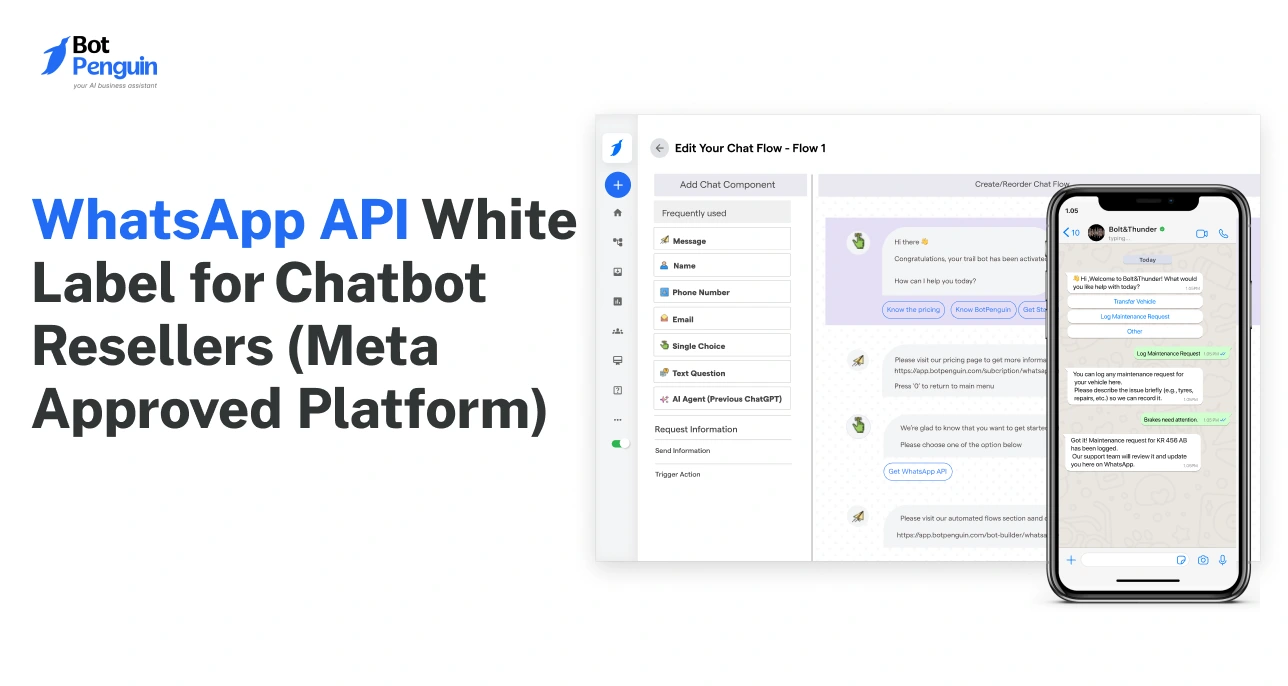
Reseller and white-label partnerships both allow agencies to offer chatbot solutions. The reseller model is commission-based. The white-label model gives control over branding, pricing, and the customer-facing platform.
Chatbot Reseller Partner
A chatbot reseller partner sells the solutions to clients and earns a commission on each sale.
Key features include:
Commission-based earning model
Branding remains visible
No need to manage a separately branded platform
Suitable for consultants, freelancers, and agencies
Easier entry point for selling chatbot services
Implementation and support services can be offered separately
Check out the chatbot reseller program to learn more about the commission-based partnership model.
White-Label Partner
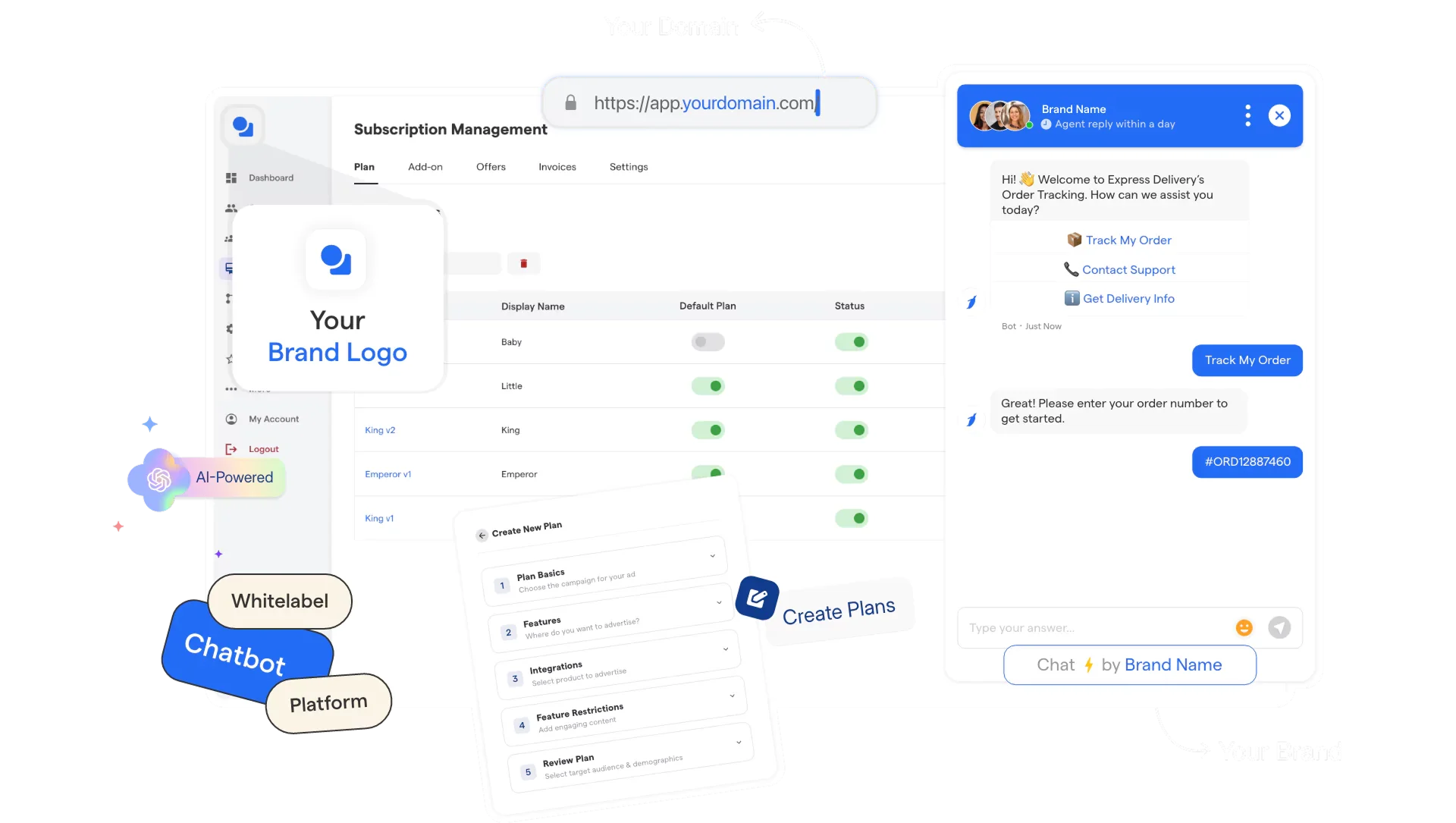
A white-label partner offers the chatbot platform under their own business identity.
Key features include:
Your own brand name and logo
Your own domain
Control over client-facing branding
Freedom to create your own service packages
Ability to set your own pricing
Suitable for agencies building a branded chatbot business
Greater ownership of the client relationship
See the white-label chatbot program to offer chatbot solutions under your own brand. Read the white-label partnership guide to understand the model, responsibilities, and benefits before choosing a program.
Key Difference
Choose the reseller program when you want to earn commission while the company brand remains visible.
Choose the white-label program when you want to sell the platform using your own branding, domain, pricing, and commercial identity.
Conclusion
The success of a software investment depends on more than the product itself. It also depends on how well the system is configured, integrated, introduced, and adopted across the organization.
A capable implementation partner provides the planning, technical expertise, training, and post-launch support needed to manage that transition. The right partner should understand both the software and the business processes it must support.
Evaluate potential partners using their relevant experience, domain knowledge, certifications, communication approach, and ongoing support model. A strong implementation partner should continue creating value after launch, not only during the initial setup.
Agencies interested in delivering software and AI services to their own clients can check out BotPenguin's partner programs.
Frequently Asked Questions
What Is an Implementation Partner?
An implementation partner is a company or consultant that helps businesses deploy, customize, and optimize software or technology solutions to meet their specific needs.
How Can an Implementation Partner Benefit My Business?
An implementation partner can improve how your business operates, save time on setup and training, and help you avoid the common mistakes teams make when adopting new software on their own.
What Services Does an Implementation Partner Offer?
Implementation partners typically offer needs assessment, solution design, deployment, training, and ongoing support after launch.
How Do I Choose the Right Implementation Partner for My Business?
Look for a proven track record with businesses similar to yours, real domain expertise in your industry, and a clear support model for after go-live, not just launch week.
Can an Implementation Partner Help With CRM Integration?
Yes. Most implementation partners can connect a CRM into your existing tools as part of the broader rollout, or point you to an integration partner if that is the only piece you need.
Is Specialized Training Provided by Implementation Partners?
Yes. Most implementation engagements include role-based training, user documentation, administrator guidance, and post-launch support. Confirm the exact training scope before signing the agreement because services differ between partners.
Can an Implementation Partner Improve Customer Experience?
Yes. A well-implemented system can improve response times, reduce manual errors, and give employees better access to customer information. Results still depend on the software, configuration, training, and internal processes.
How Long Does the Implementation Process Usually Take?
The timeline depends on software complexity, integrations, data migration, customization, testing, and training requirements. A partner can provide a more accurate estimate after reviewing the existing systems and project scope.