Create an AI Chatbot for Instagram & Automate Your IG Interactions
Use Instagram chatbots to capture & qualify leads, convert DMs into sales funnel, auto-reply to comments, and offer 24/7 support.
FREE Forever plan. No Credit Card Required.

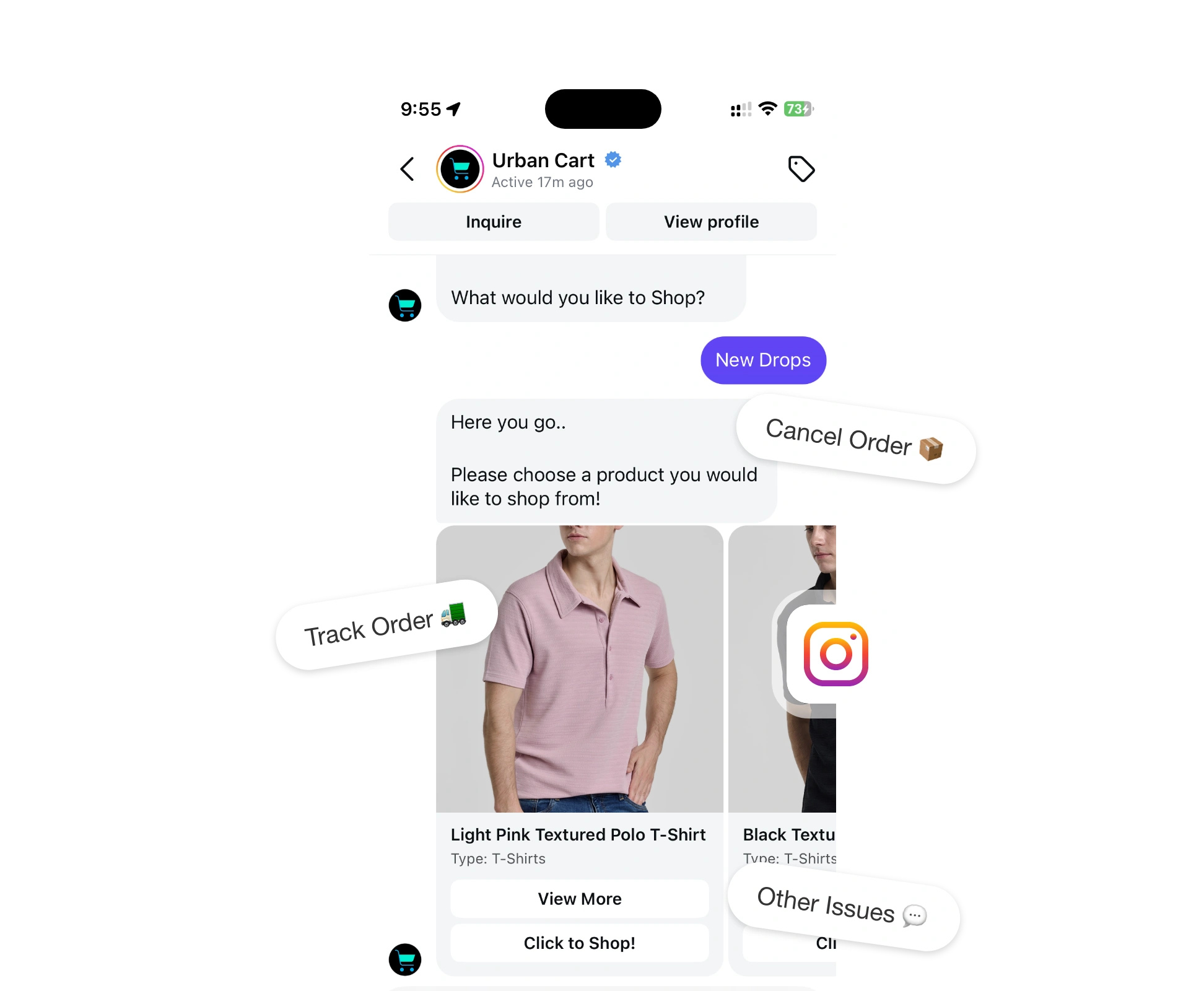
Turn Your Instagram Followers into Fortunes
Let the AI-powered chatbot for Instagram talk to your leads and convert them into customers.Also, provide timely support by answering their questions

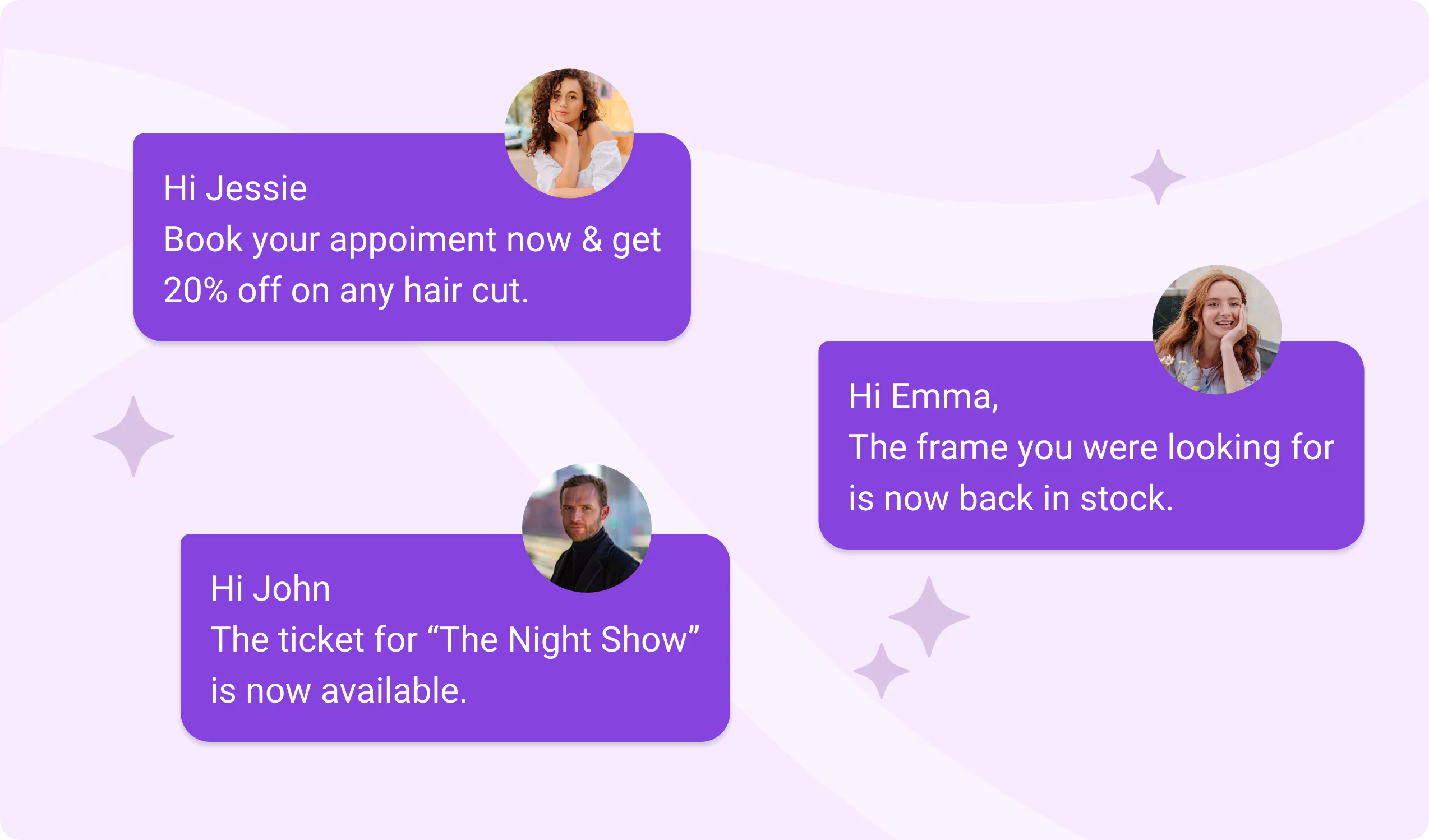
Marketing Automation

Nurture potential customers with broadcast and drip campaigns and personalized messaging. Reach your target audience at the right time with minimal effort

Sell Products
Boost sales by showcasing your products in a personalized and engaging manner. Drive user interest and increase purchase intent.

Provide Support & FAQs
Offer instant support and address customers’ questions promptly with the help of our AI-powered chatbot. Provide a seamless customer experience.

Lead Generation
Capture leads effectively by leveraging the power of AI. Engage and qualify prospects to generate a steady stream of potential customers.

2Bn
Active Users
200M
Daily business profile visits
130M
Monthly shopping post taps
Reach your customers on scale, save on cost and time
For a complete overview of how Instagram automation works, read our Instagram chatbot guide .
How to Set Up an AI Chatbot for Instagram
Enjoy seamless and easy integration and launch your Instagram chatbot in just 4 easy steps.
1

Create a New Chatbot for Instagram
Log in to BotPenguin, create a new bot, and select Instagram as your channel.
2

Connect to Your Instagram Account
Log in to your Meta account and link your Instagram page to BotPenguin for bot setup.
3

Design Your Chatflow & Train Your Bot
Create chat flows, integrate generative AI, and add FAQs and interactions to train your chatbot.
4

Deploy Your Chatbot Anywhere
Use website widgets, QR codes, and links to redirect users to your Instagram chatbot for seamless engagement.
To compare automation approaches, see how an AI Instagram chatbot differs from a rule-based bot .
Create Impactful Brand Awareness With Instagram Chatbot
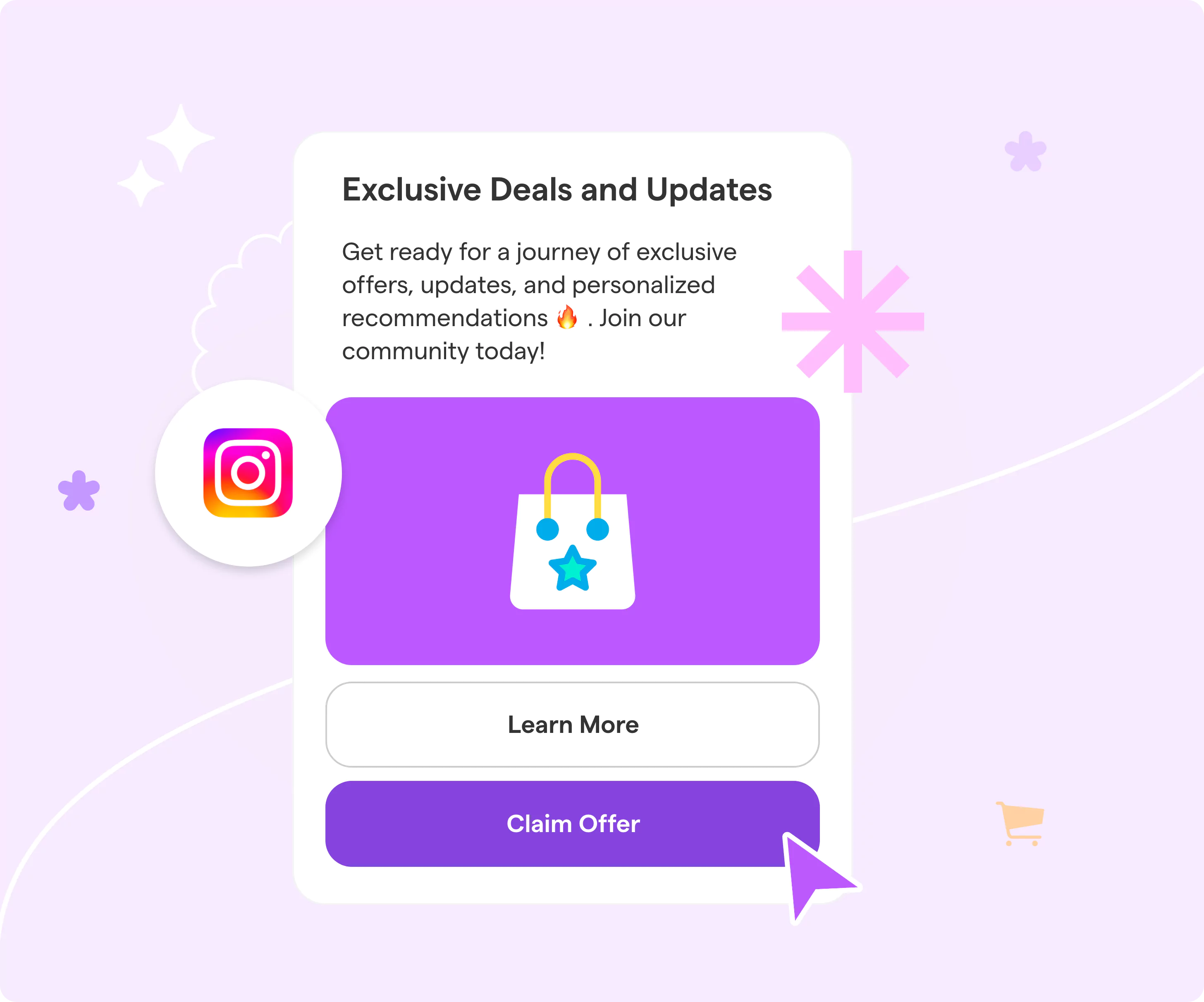
Bond with your audiences and provide a worthwhile experience on every interaction with messagescampaigns, replies to comments & texts, FAQs, and content sharing.
Broadcasts and Drip Campaigns
Reach your target audience effectively with personalized broadcasts and drip campaigns tailored to their interests and behavior.
Auto-Reply to Comments
Automatically respond to user comments with custom messages and provide relevant info & offers to increase engagement using our generative AI chatbots.
Visual Content Showcase
Showcase your brand’s products and services with stunning visuals, including images, videos, and GIFs, to boost engagement and awareness.
Conduct Polls and Surveys
Gather feedback, opinions, and preferences from your audience through user polls and surveys, enabling you to improve your products and services continually.
Brand Quiz Games
Promote your brand and educate your audience about your products and services with interactive quiz games, boosting brand awareness and loyalty.
Send Coupons Codes
Increase conversions by distributing exclusive discount codes via the chatbot, incentivizing customers to purchase, and fostering loyalty.

Build an Generative AI Chatbot for Instagram
Utilize conversational AI to provide a human touch with your chatbots and build lasting customerrelationships with helpful automation.
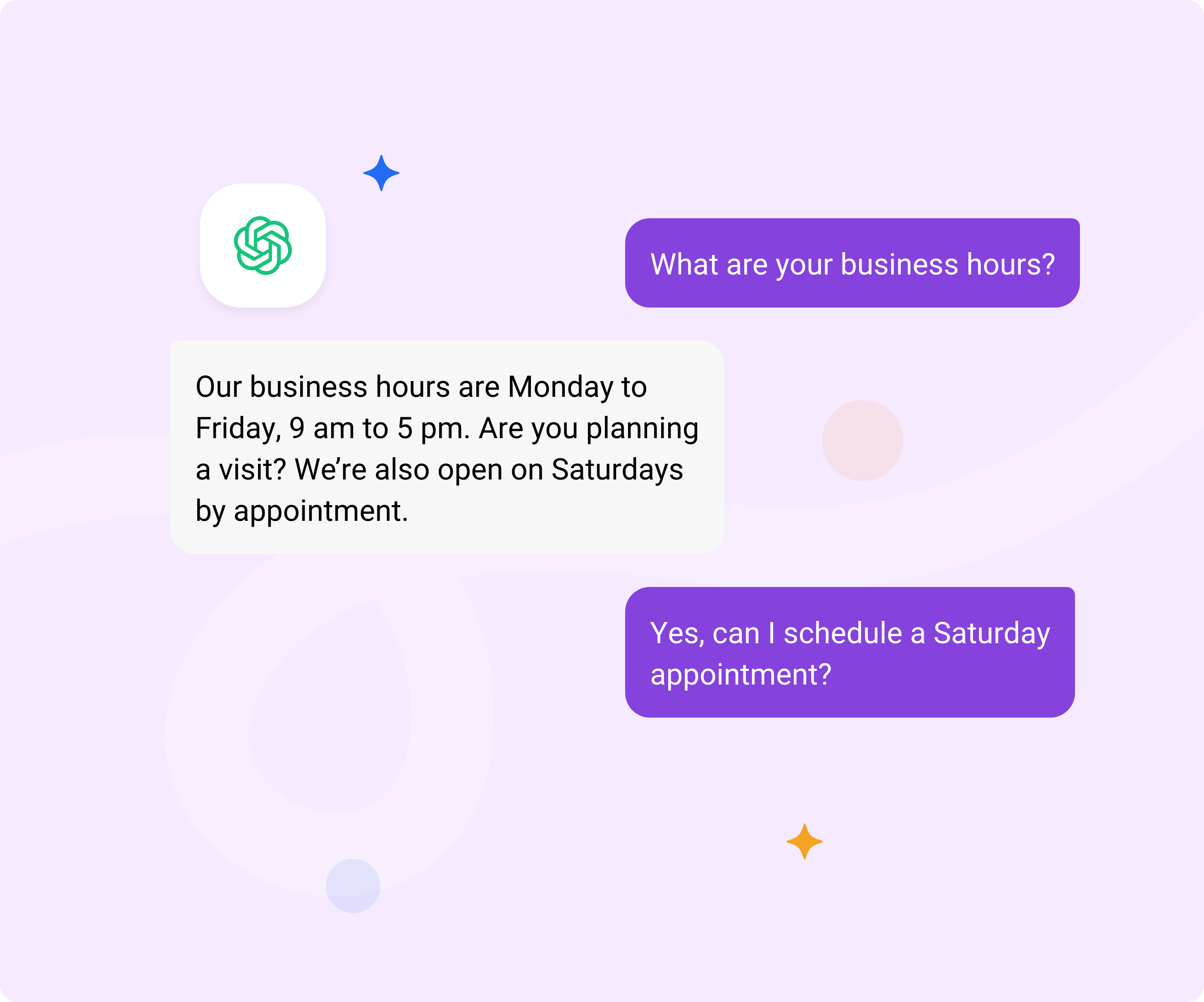
Integrate With ChatGPT
Integrate the latest ChatGPT LLMs to improve your conversational flows and ensure that your chatbots provide precise answers to complex user queries.
Reply According To User History
Your Instagram AI chatbot will understand context based on user history & render a conversational chat experience.
Train Your AI Instagram Bot
Provide accurate answers to user queries with website URL scrapping and custom data sets.
Self-Learning Chatbot
Just like you, your chatbot will get better with time by learning from user inputs and previous interactions.
Automatic Language Translation
Chat with the user in their favorite language. Your generative AI bot will detect and translate responses to customers’ language.
Make Your Bot Match Brand’s Tone
Let your Instagram bot talk to customers in a tone that reflects your brand, be it friendly, professional, or more.


Grow Your Business Instantly With Generative AI Chatbots for Instagram
Lead Customers From Chat to Conversion
Make your IG account the best shopping hub for your customers using the generative AI chatbot forInstagram.
Personalized Product Suggestions
Drive sales by providing personalized product recommendations based on customer preferences, browsing history, and purchase behavior.
Order Tracking and Updates
Keep customers informed about their order status, delivery updates, and tracking information to enhance their shopping experience.
Interactive Product Catalog
Enable customers to explore your product offerings with interactive visuals, engaging descriptions, and seamless navigation for a satisfying browsing experience.
Integration with CRM Systems
Seamlessly integrate the chatbot with your CRM system to store customer data, streamline operations, and enable personalized interactions based on customer history.
Secure Payment Integration
Boost customer confidence and provide a frictionless checkout experience by integrating secure payment options directly within the chatbot, ensuring hassle-free transactions.

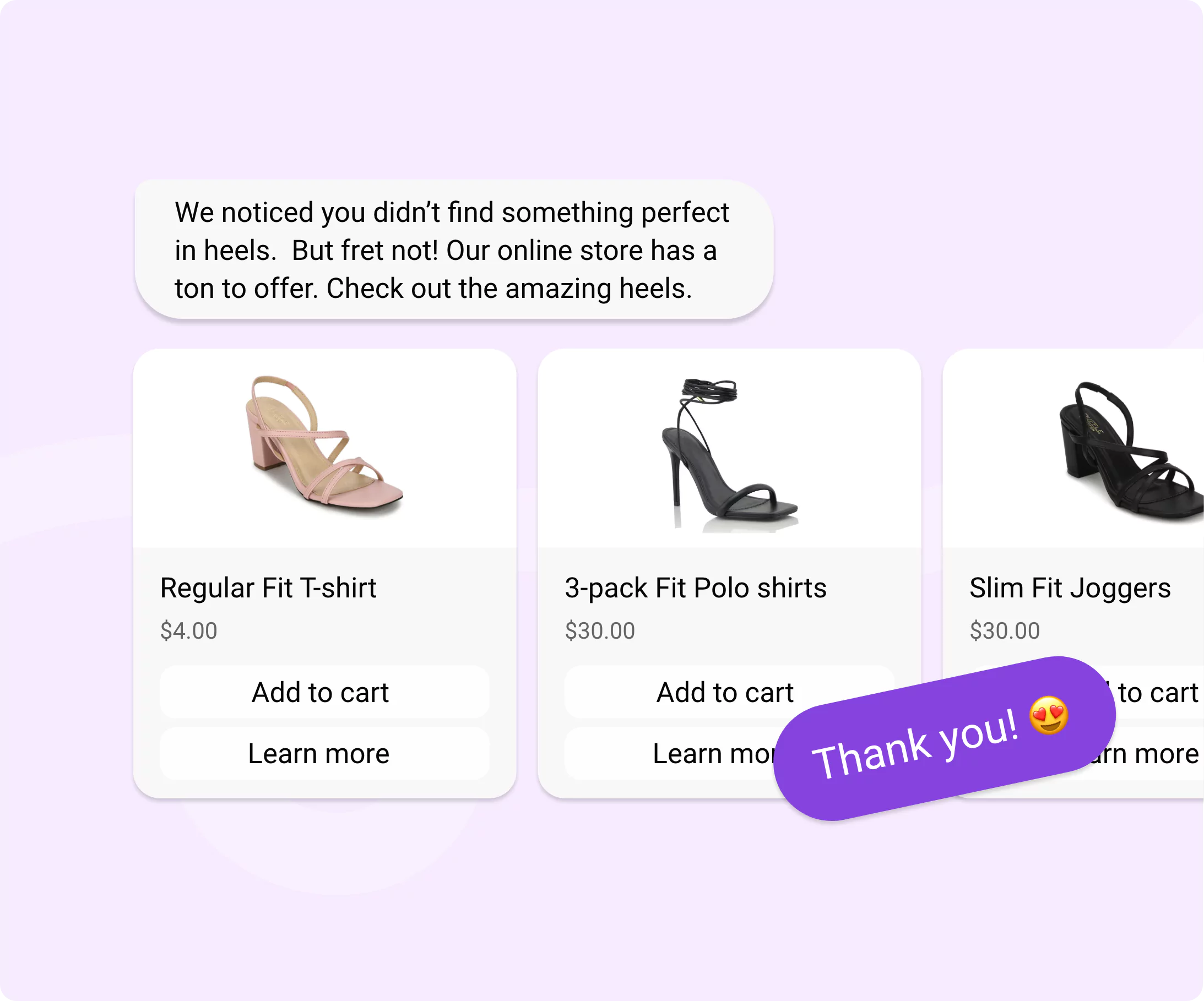
To connect Instagram conversations with customer data, explore Instagram DM CRM integration .
Support Your Customers Endlessly With the AI-driven Chatbot for Instagram
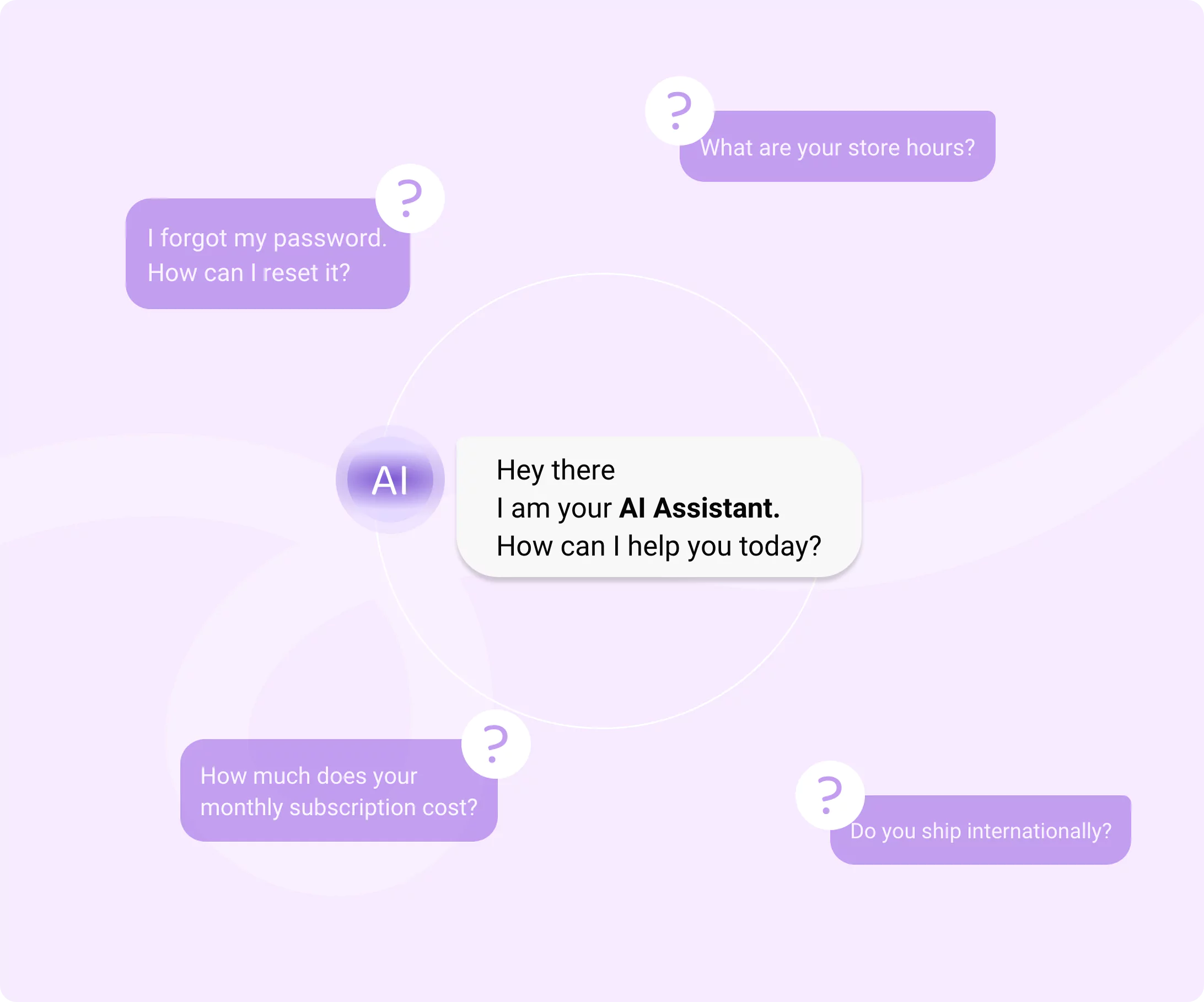
Lend a helping hand to your customers with timely replies on FAQs, connect with live agents, and provide assistance 24/7.
Quick FAQ Replies
Address common customer queries instantly and accurately with the generative AI, saving time for both customers and support agents.
Unified Customer Profile
Access a comprehensive customer profile within the chatbot, including order history, preferences, and previous interactions, for a holistic understanding of each customer.
Ticketing System Integration
Effortlessly convert chat interactions into tickets and seamlessly escalate complex queries to support agents for efficient resolution.
Live Chat with Human Handoff
Provide real-time support by seamlessly transferring conversations from the chatbot to live agents when needed, ensuring a personalized and human touch.
Create Your Sales Team
Bring your support team to our Instagram chatbot platform. Assign roles and handle user queries effortlessly with round robin ticket scheduling.
Multiple Widgets
Lead customers to your Instagram chatbot using website widgets, QR codes, or a reference URL and get the help they need.

Enhance Instagram Chatbot Messages for Higher Engagement
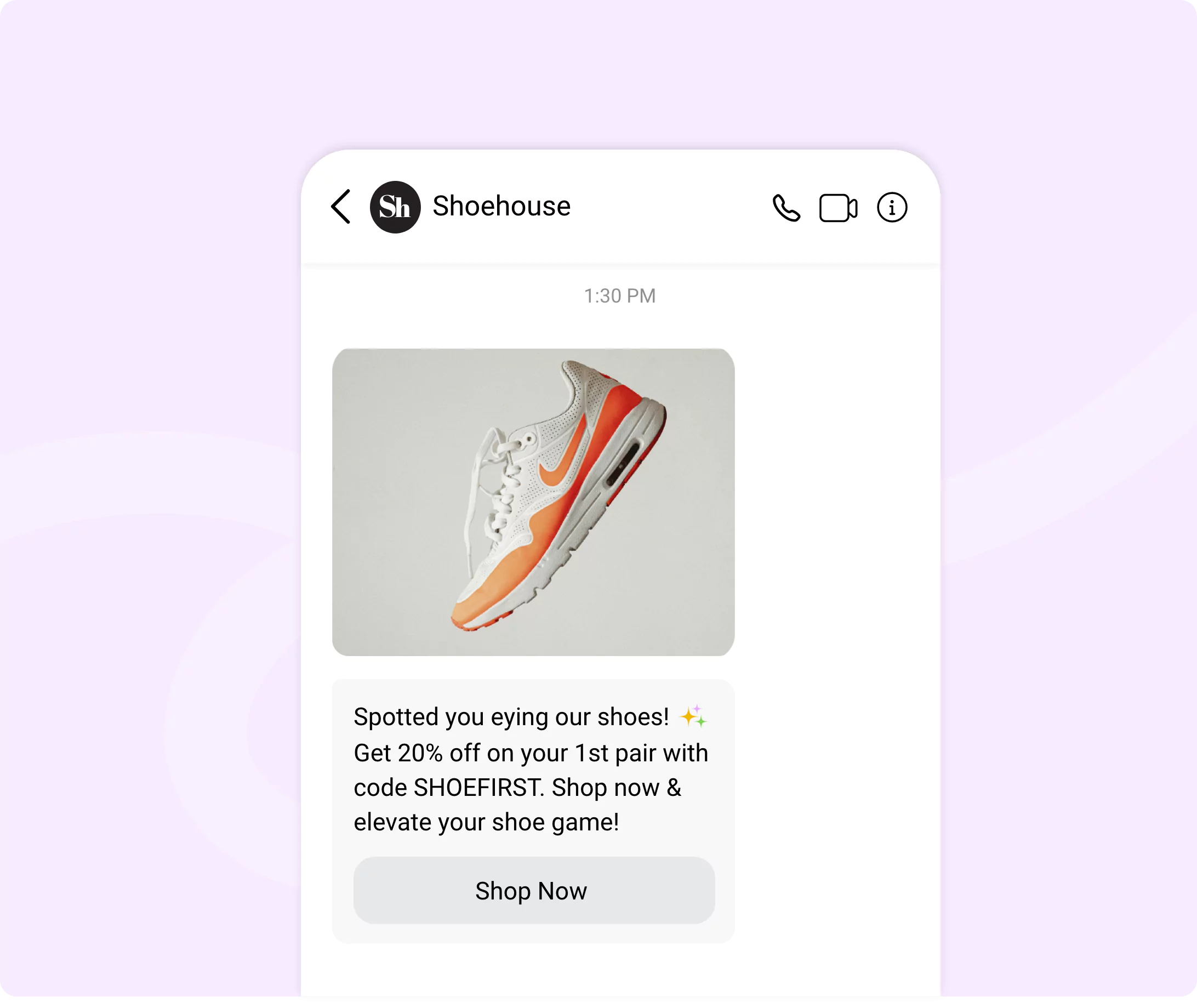
Make your Instagram message irresistible by adding attractive images, videos, and buttons to provide animmersive experience.
Images in DM
Capture attention and convey messages effectively by including eye-catching images directly in your Instagram direct messages.
Card & Carousel View
Showcase multiple products or messages in a visually appealing format using card and carousel templates for impactful engagement.
Option Buttons
Drive action and guide users with customizable buttons for seamless navigation, such as Shop Now or Learn More.
Create Quick Replies
Enhance the user experience by offering pre-set response options for quick and easy interactions, increasing engagement and efficiency.
40+ Plug-and-Play Templates
Choose from various professionally designed templates to create stunning and impactful Instagram messages quickly.

Launch ChatGPT-Integrated InstagramChatbots for Your Business Use Case
Transform Your Insta-Shop with a Fashion Chatbot
Elevate your fashion business with an Instagram chatbot. Suggest products, discount deals,and order tracking to provide personalized shopping experiences.
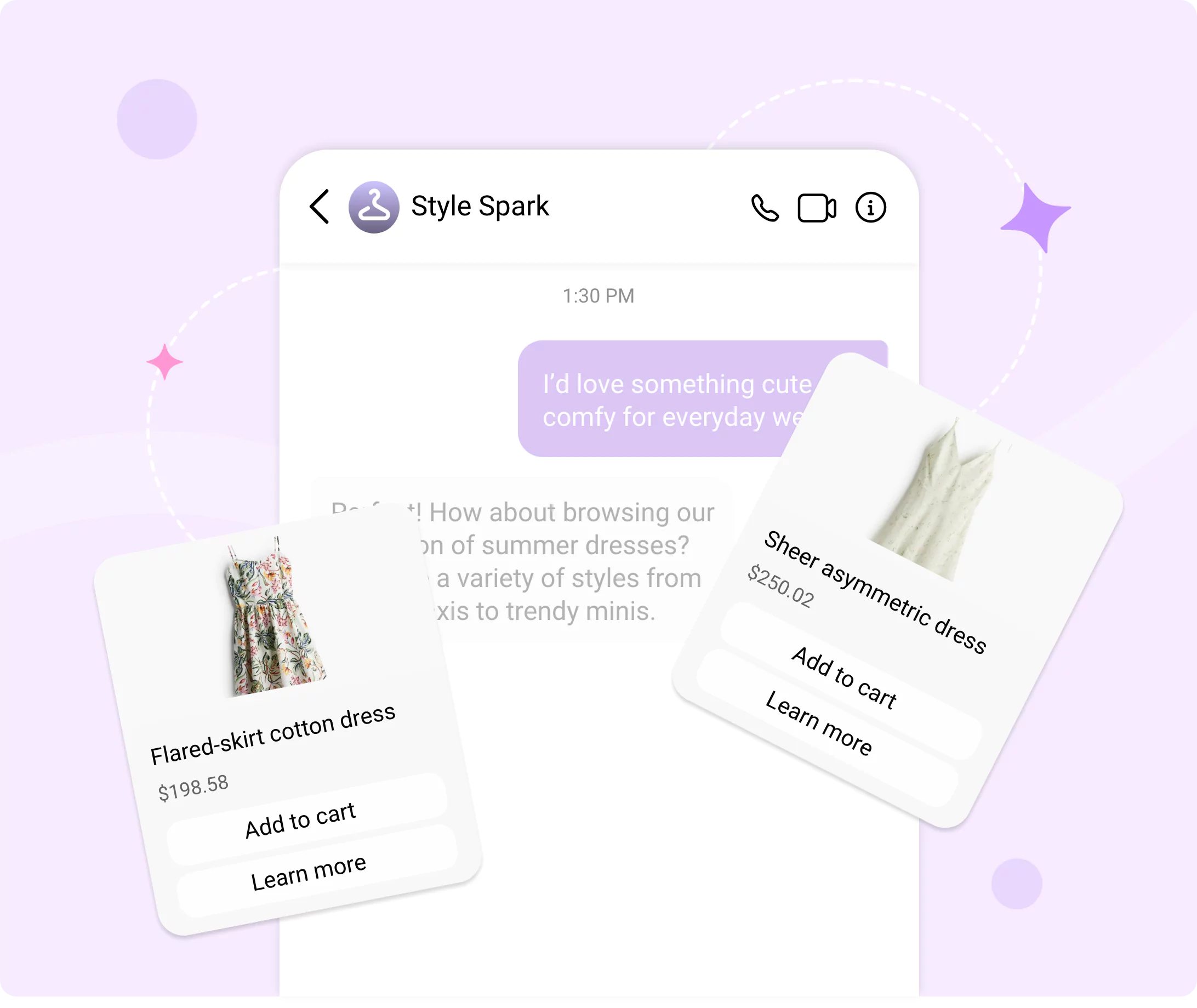


Recover Abandoned Carts
Discounts and Offers
Product Catalog Browsing
Size and Fit Assistance
Fashion Inspiration
Order Tracking
Revolutionize Fitness and Wellness with Instagram Chatbots
Revamp your fitness and wellness experience with Instagram chatbots. Send workout plans, diet charts,fitness tips, & more to build a holistic training experience.

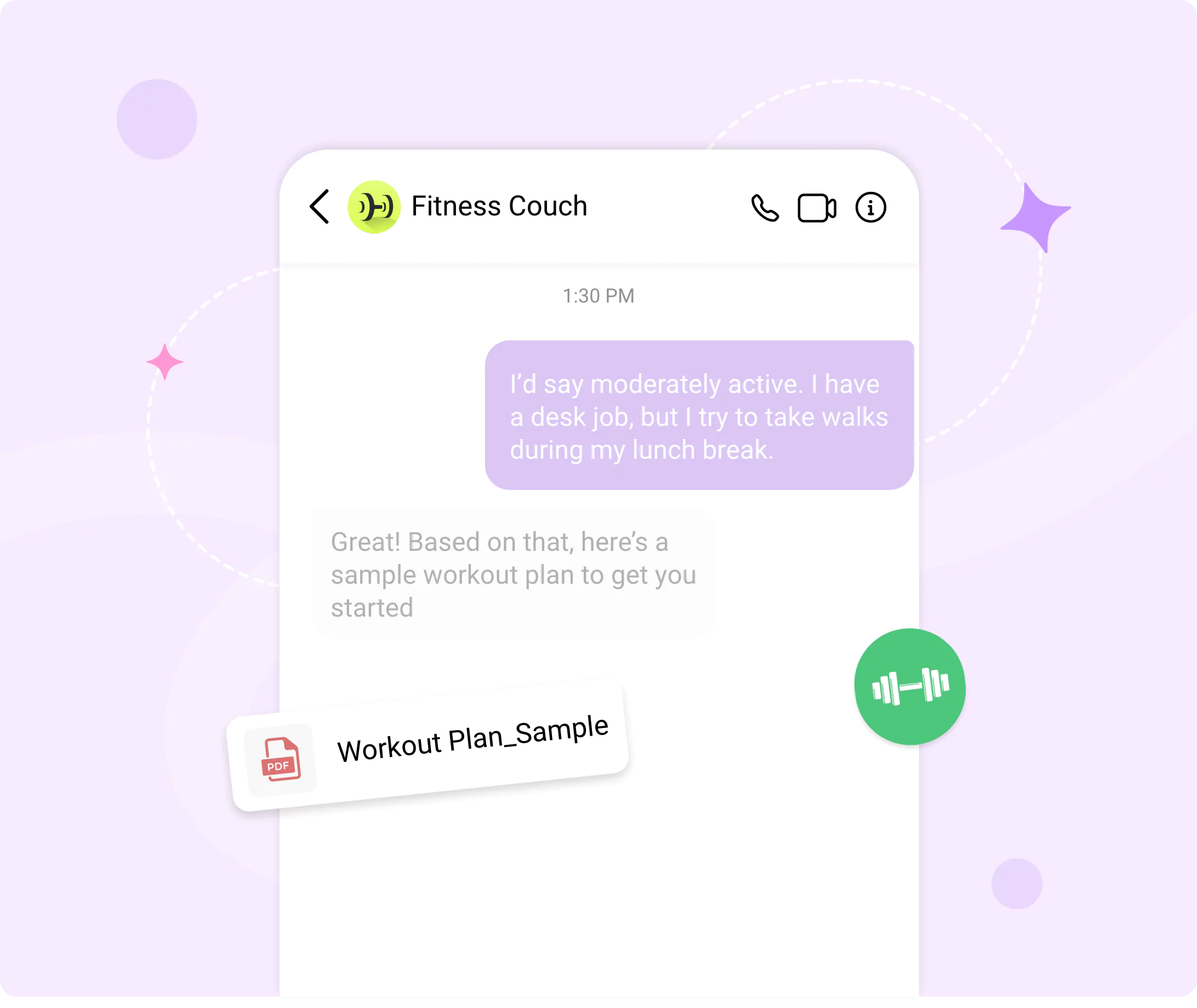
Personalized Workout Plans
Customized Meal Plans & Recommendations
Exercise Reminders
Progress Tracking
Exercise Demos Video
Wellness Tips
Expand Your Real Estate Business with Chatbot for Instagram
Get qualified leads and convert them to paying customers by providing an effortless property viewing experience, deal alerts, and property evaluation in Instagram chats.
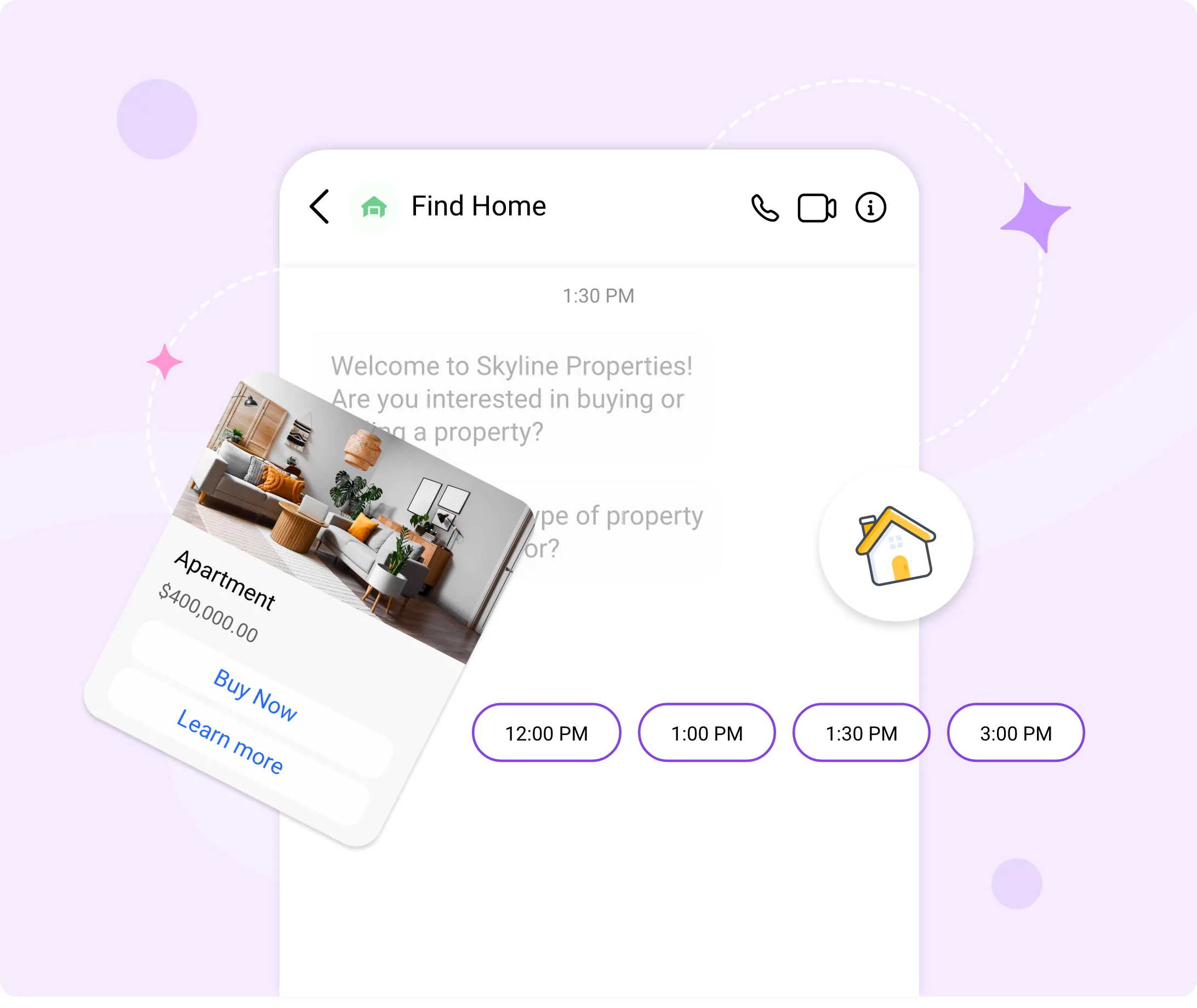
Property Search and Listings
Notify them About New Deals
Booking for Property Viewing
Property Valuation Assistance
Integration with CRM Systems
Live Chat with Your Instagram Followers
Why Choose BotPenguin To Create an AI Chatbot for Instagram
Elevate your Instagram game with BotPenguin's Generative AI Chatbot. Dive into 80+ integrations, customer insights,quick replies, ChatGPT integration, multilingual capabilities, and more.
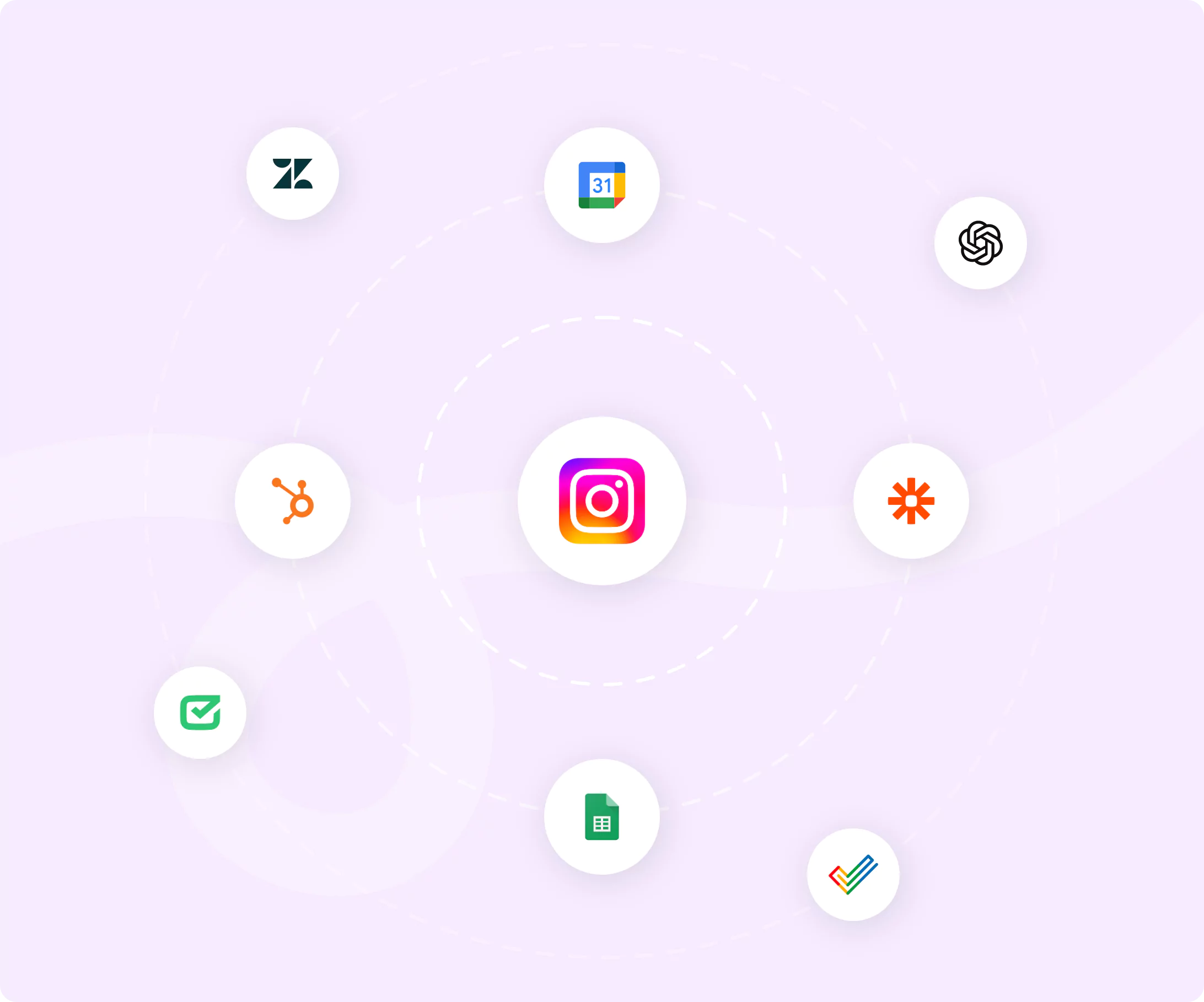
80+ Native Integrations
Customer Analytics
Generative AI
ChatGPT Integration
Multiple Languages
Get Leads on Your Email
Custom Use Case Development
For a practical walkthrough, follow our BotPenguin Instagram chatbot guide .
Frequently Asked Questions
Is there a chatbot for Instagram?
Yes, there are chatbots for Instagram that can automate interactions, capture leads, provide support, and more. BotPenguin’s Instagram chatbot comes with generative AI, offering a conversational experience to your followers.
How do you use ChatGPT with Instagram?
BotPenguin allows you to integrate your ChatGPT account with Instagram Chatbot. You must enter the OpenAI account’s API key in BotPenguin’s integration panel, and you’ll be done. Use the ChatGPT integration to answer user questions, talk according to user history & intent, and train the bot on your own data.
What is an Instagram DM bot?
An Instagram DM bot is a chatbot that operates within Instagram's direct messaging feature. It can automate replies, capture leads, provide support, and perform various other tasks.
Can I use a chatbot on Instagram?
Yes. BotPenguin lets you build Instagram chatbots that automate DMs, answer FAQs, capture leads, support customers, and manage conversations alongside WhatsApp and website chat from one platform.
What is the best chatbot for Instagram?
There are several chatbot platforms available for Instagram, but BotPenguin is a popular choice due to its user-friendly interface, AI capabilities, and extensive features.
How do you get AI chatbot on Instagram?
To get an AI chatbot for Instagram, you can integrate an AI chatbot platform like BotPenguin. It allows you to create, train, and deploy generative AI chatbots on Instagram.These chatbots can be used for businesses like Fashion, Skincare, Fitness, Real Estate, etc.