Automate customer interactions with AI chatbot for Facebook
Tap into the vast customer base on Facebook with our AI chatbot. Be on their mind 24/7 with broadcast and dripcampaigns, capture and qualify leads, assist with support & shopping assistance, and auto-reply to comments.
FREE Forever plan. No Credit Card Required.

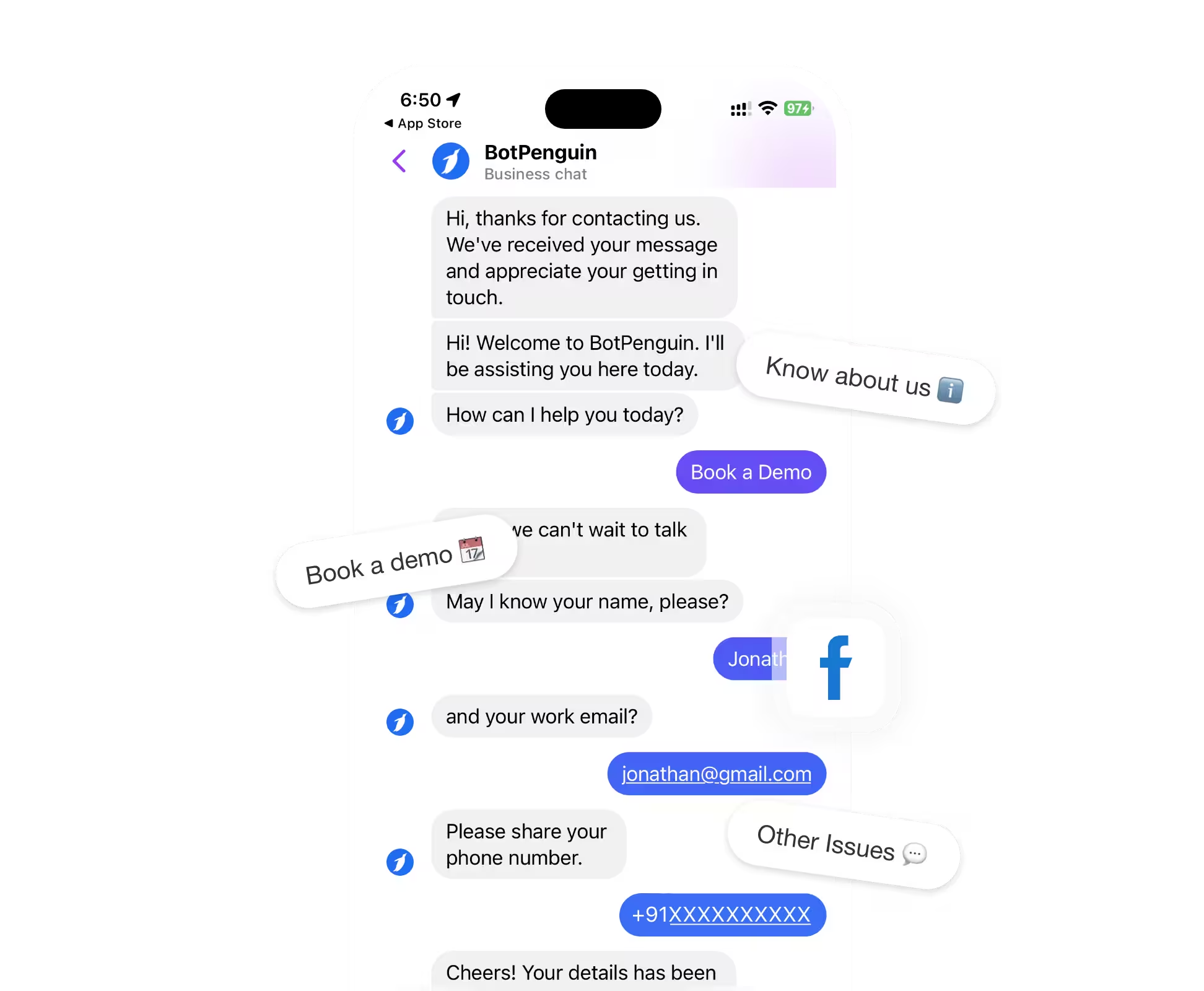
Turn Your Facebook Followers & Friends Into Fortunes.
Your Facebook Messenger bot has dozens of features to automate and elevate customer interactions withbroadcast & sequencing campaigns, auto-reply to comments, and facilitate sales.

Train Your Facebook Bot

You can train your AI Messenger chatbot to serve your goals with web scrapping, custom data sets, FAQs, and customer interactions.

Comments Auto-Reply
Set up an auto-reply to comments to engage your users automatically after a certain duration. Program a universal reply and flow for user nurturing.

Display Your Bot Widget
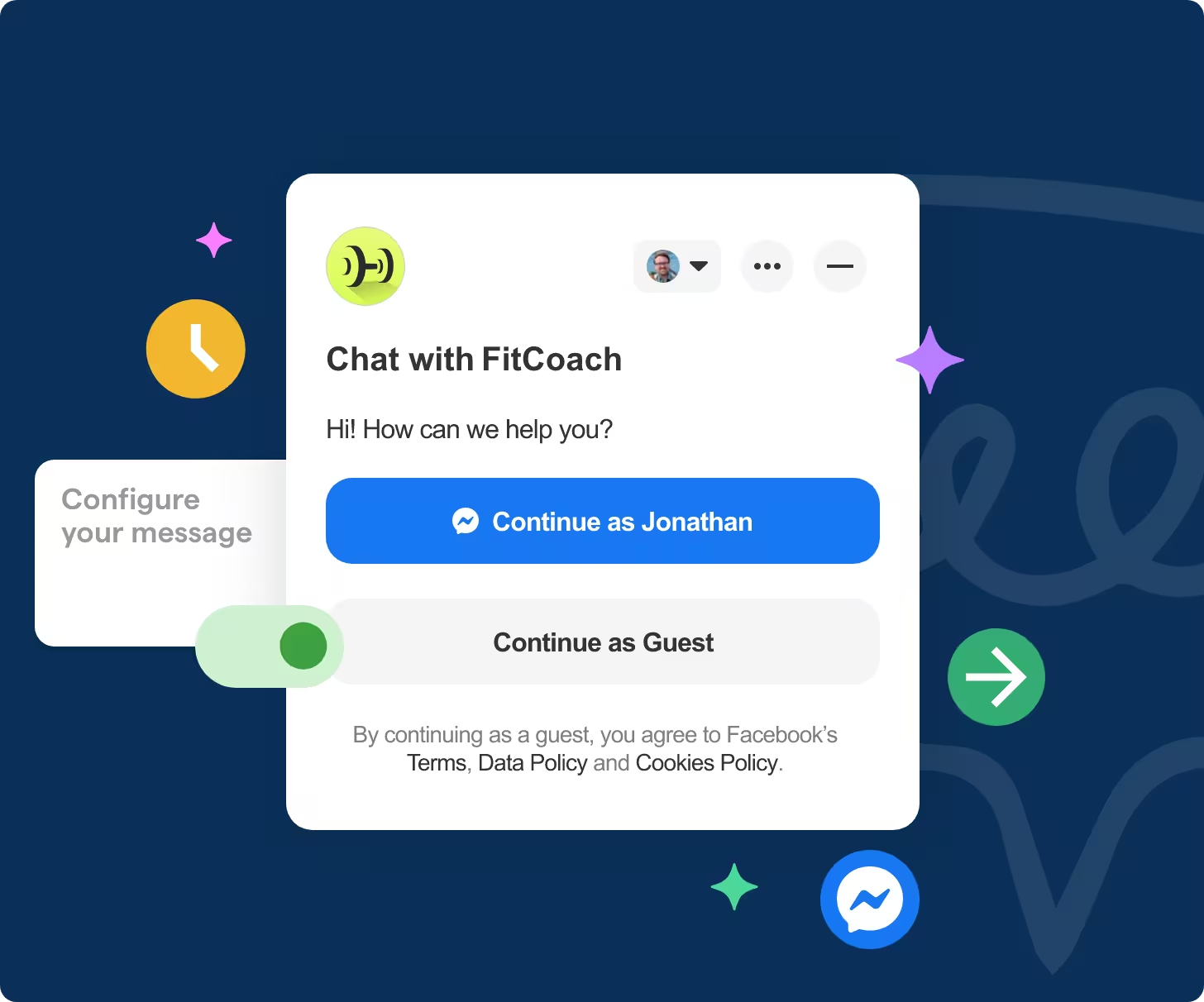
Display your Facebook Chatbot’s widget on your site, app, or any other system. Also, use QR codes and links to redirect users to your bot.

Drip & Broadcasts
Use the chatbot for Facebook to schedule broadcasts and drip campaigns, automate your marketing efforts, and regularly engage your audience.

Conditional Chat Flows
Using a visual flow builder, create an ideal flow for your Facebook bot and trigger it to complete your chatbot’s conversion targets.

Keyword and Time-Based Triggers
Select keywords and time-based triggers, after which the chat flow will restart automatically to engage the users & increase their conversion rates.

3.07Bn
Active Users
190
Countries
111
Languages
Reach your customers on scale, save on cost and time
For a complete overview of how Facebook automation works, read our Facebook chatbot guide .
How to Set Up Chatbot for Facebook & Messenger
Enjoy seamless and easy integration and launch your Facebook chatbot in just 4 easy steps.
1

Create a New Facebook Chatbot
Log in to BotPenguin, start a new bot, and choose Facebook as the channel for your bot.
2

Connect to Your Facebook Page
Log into your Facebook account and link the page where you want to deploy the bot.
3

Design Chat Flows & Train Your Bot
Build custom chat flows and train your bot with AI, FAQs, docs, websites, and interactions to enhance its performance.
4

Deploy Your Chatbot Everywhere
Use website widgets, QR codes, and links to seamlessly direct users to your chatbot.
Get Facebook Messenger Chatbot With Finest Marketing Automation
Customers love talking to brands! Reach out to your prospects 24/7! Give intelligent answers to simplequestions instantly and build trust with high availability
Multiple widgets
Direct your customers to the preferred Facebook Messenger chatbot using ads, FB bot buttons, website widgets, QR codes, and URLs.
Drip Campaigns
You can boost engagement and market your products & services automatically using drip campaigns for giving offers and promos.
Bulk Message Campaigns
Schedule bulk messaging campaigns using your Messenger Chatbot. Nurture your huge customer base effortlessly.
Send Facebook Messenger Notifications
Send your users notifications for new products, services, abandoned carts, order status, or any custom status.
Integrate with Marketing Tools
Further automate your marketing by integrating your Facebook chatbot with 80+ tools, including HubSpot, Salesforce, GoHighLevel, etc.

Deploy an AI Chatbot for Facebook Lead Generation
Use Facebook bots to grow your email list at light speed. Build effortless interactions to capture and qualifyleads automatically.
Collect Customer Details
Talk to your customers and gather leads as though you were chatting with a friend.
Show Your Catalog
Build a chatbot for Facebook with your branding and share the product or service catalogs with curious customers.
Engage with Live Chat
Use the Facebook chatbot to manage your live chat requests & talk to your customers in real-time, providing a helpful interaction.
Unified Chat Inbox
Use our unified inbox to access messages from all platforms in one place. Easily managing & resolving conversations.
Appointment Booking
Integrate your chatbot for Facebook with Simplybook, Google Calendar, and Calendly to automate appointment booking.
Integrate with your CRM
Connect your Facebook bot with your preferred CRM tool using native integrations and seamlessly transfer the captured lead data.


Deploy Generative AI Chatbots for Facebook with a No-Code Chatbot Builder
Get a Customer Service Chatbot for Facebook
Add an AI-powered Facebook bot to provide excellent customer support 24/7. Increase satisfaction andengagement rates across your customer base.
Personalized messages
Send out personalized welcome messages to your clients. Personalized welcome messages allow you to greet your customers just as you would in person.
Track Customer Journey
Your Messenger chatbot tracks key details like visited pages, contact info, device details, etc., to help you understand your customers better.
Answer FAQs
Enhance customer service by training Messenger Chatbot on FAQs, data sets, website URLs, and previous interactions.
Integrate with the Ticketing System
Manage and handle our awesome ticketing system well, and reroute inquiries to manage customer assistance much more easily.
Live Chat with Human Handover
Use our AI live chat application to make your customers feel at ease with real-time support. Plus, you can take over the chat to handle complex requests.
Send Facebook Notifications
Send out alerts and notifications to customers about a new product or service, return/order requests, or any custom issue.
Integrate with Marketing Tools
Further automate your marketing by integrating your Facebook chatbot with 80+ tools, including HubSpot, Salesforce, GoHighLevel, etc.

Before choosing a plan, review the Facebook chatbot pricing breakdown to compare costs and features.
Streamline Your Hiring Process With an AI Chatbot for Facebook
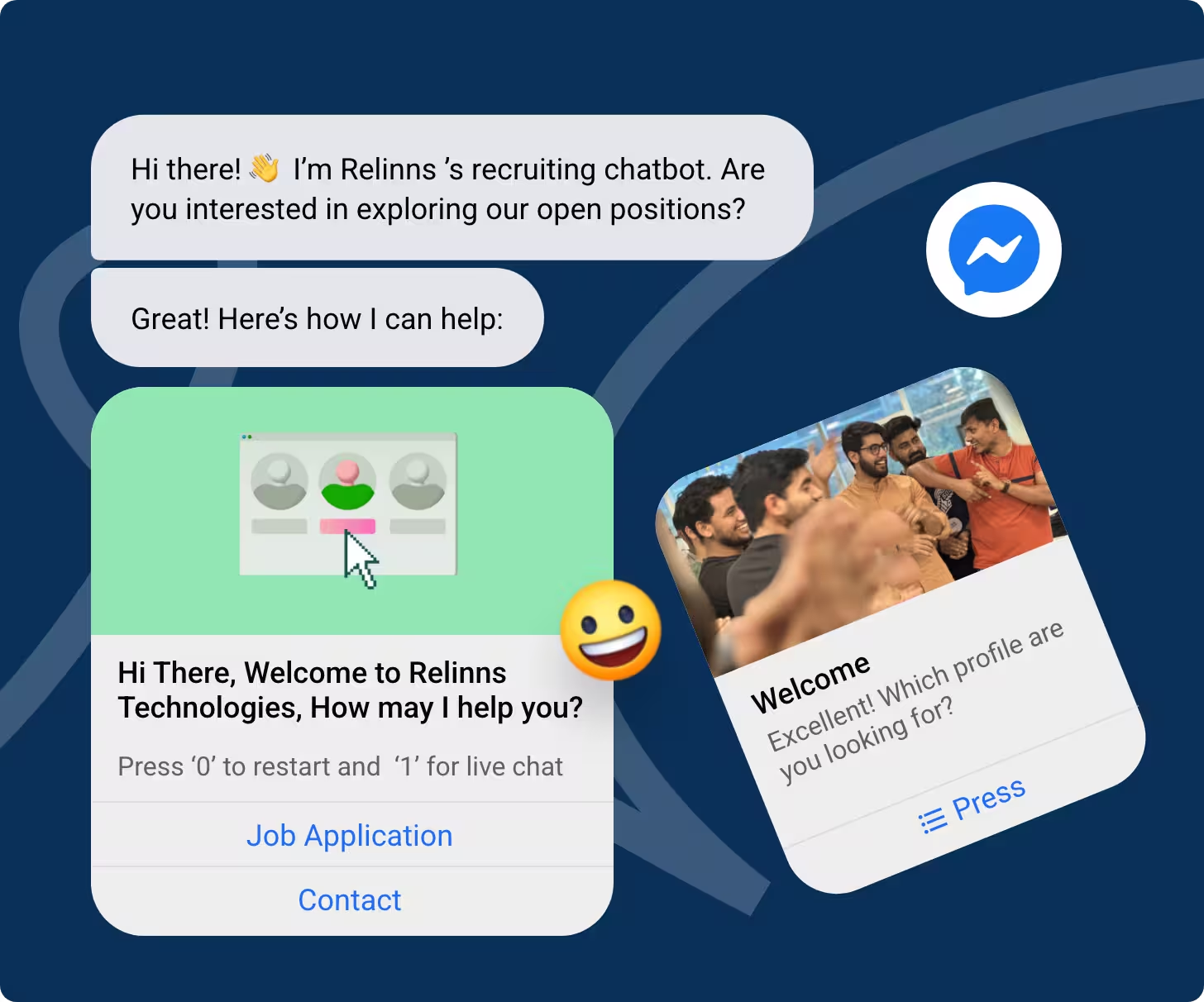
Human resources agents can automate talent hiring with a chatbot for Facebook. They can focus on complex taskswhile letting the chatbot handle the bulk of the work.
Send Bulk Messages
Efficiently reach out to potential candidates and reduce workload by leveraging chatbot broadcasting capabilities.
Document Sharing
Simplify the submission process by allowing candidates to upload resumes, portfolios, or relevant documents directly through the chatbot.
Live chat
Conduct panel interviews and engage in general discussions with candidates using our live chat feature.
Interview Booking
Easily schedule and manage interview slots with the help of Facebook Bot, eliminating the need for additional scheduling tools.
Send Facebook Notifications
Keep candidates informed about new job opportunities, services, or any other relevant information through automated alerts and notifications.ngs

Make Your Facebook Chatbot’s Messages More Interactive
Break the norm and add cool images, videos, and buttons to provide an immersive experience to your Facebook bot users.
Images
Enhance communication with your users by sharing fun images and memes during chats.
Card and Carousel
Make information easily accessible and visually engaging by organizing content into cards and carousels.
Buttons
Replace long text responses with interactive buttons that can trigger actions directly from the chat.
Quick replies
Streamline chat interactions with pre-written responses to common questions, reducing response time.
Templates
Save time designing chat flows and utilize pre-made templates that convey a deeper level of meaning to your users.


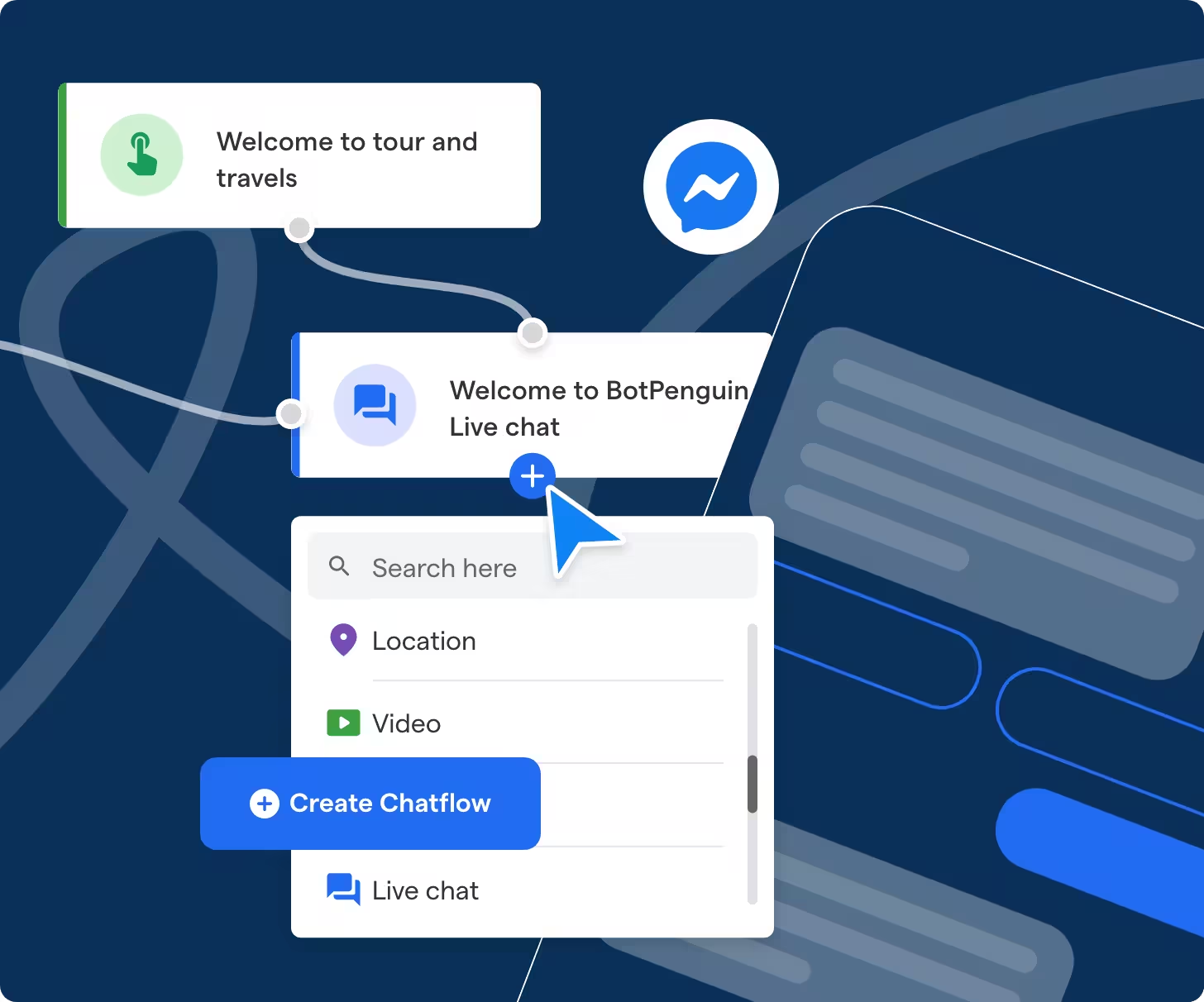
Create Tailored Facebook Chatbots for Your Specific Business Use Case
Create a Chatbot for Facebook without Coding
Creating a Facebook Messenger bot is as easy as 1-2-3!BotPenguin will help you createa Facebook Messenger bot in minutes!



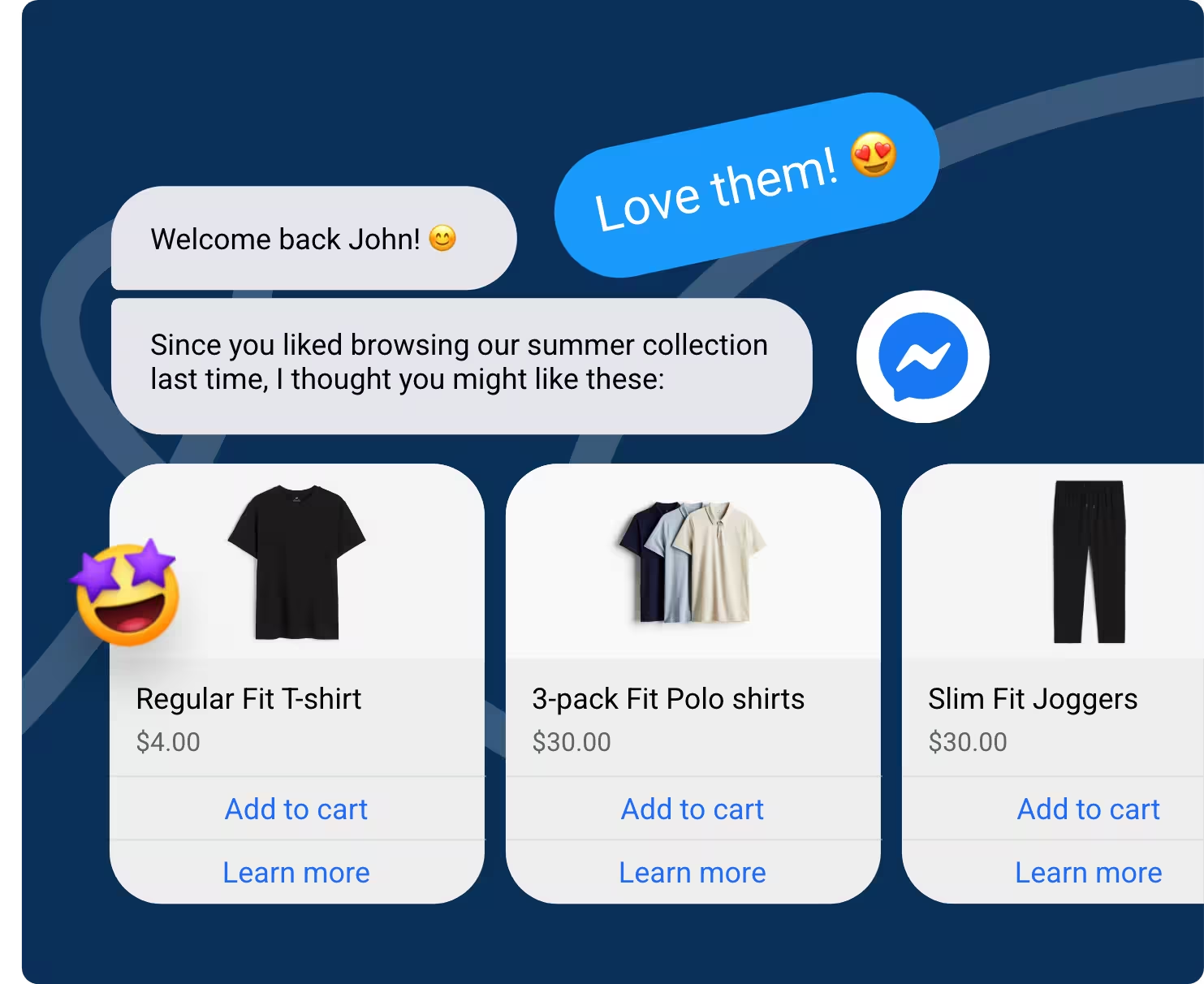
Recover Abandoned Carts

Discounts and Offers

Back in stock Alerts

Order Tracking

Wishlist and Favorite Items

Performance Analytics
Use Chatbot for Facebook to Master the Real Estate Biz
Give clients the option to contact you whenever they desireto set up a consultation or realty viewing

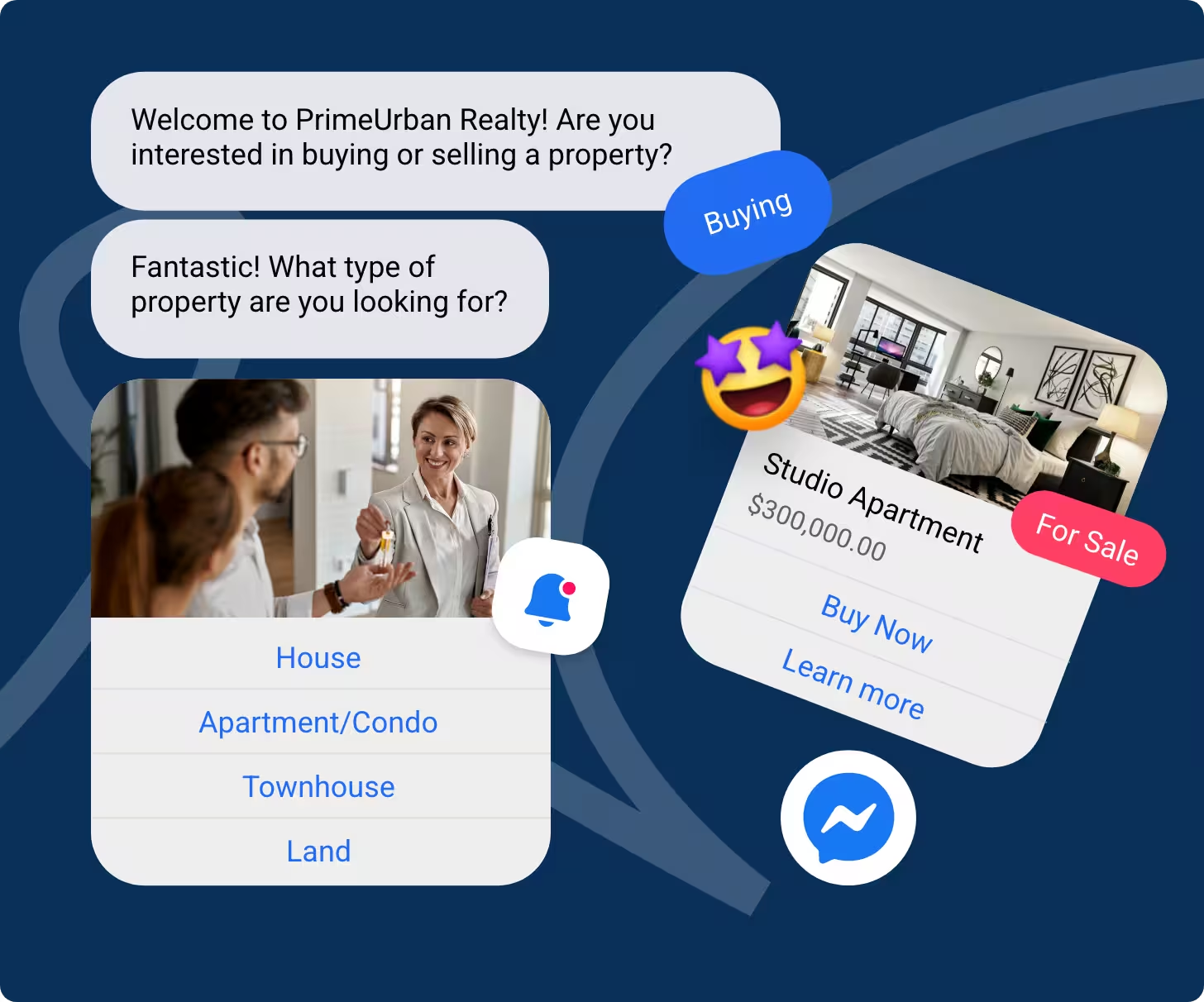

Property Search and Listings

Notify them About New Deals
Booking for Property Viewing
Property Valuation Assistance

Integration with CRM Systems

Live Chat with Your Telegram Customers
Facebook Chatbot: Your Customers’ PersonalHealth Assistant
Provide quality Healthcare with a Chatbot for Facebook Keep your users informed with prescriptions, appointments, and the best assistance available right away.

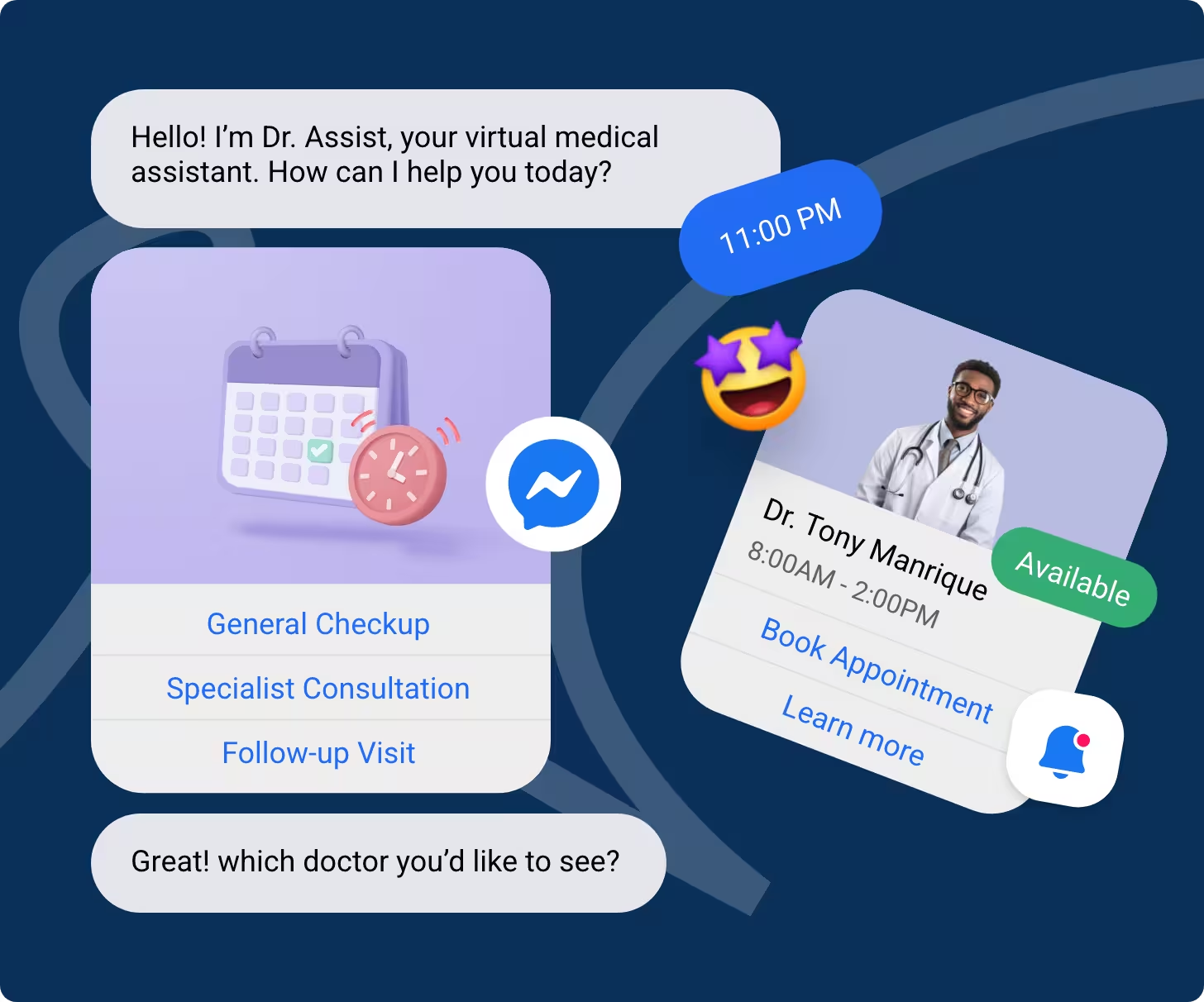
Automated Appointment Booking
Send Patient Reports
Post Consultation Support
Collect Payments
Medication Reminders
Health Monitoring and Analytics
Personalized Health Insights
Become the Leading Ed-Tech Provider with a Chatbot for Facebook
Serve your students better. Answer admission queries, give class reminders, and share student reports effortlessly withour chatbot for Facebook.

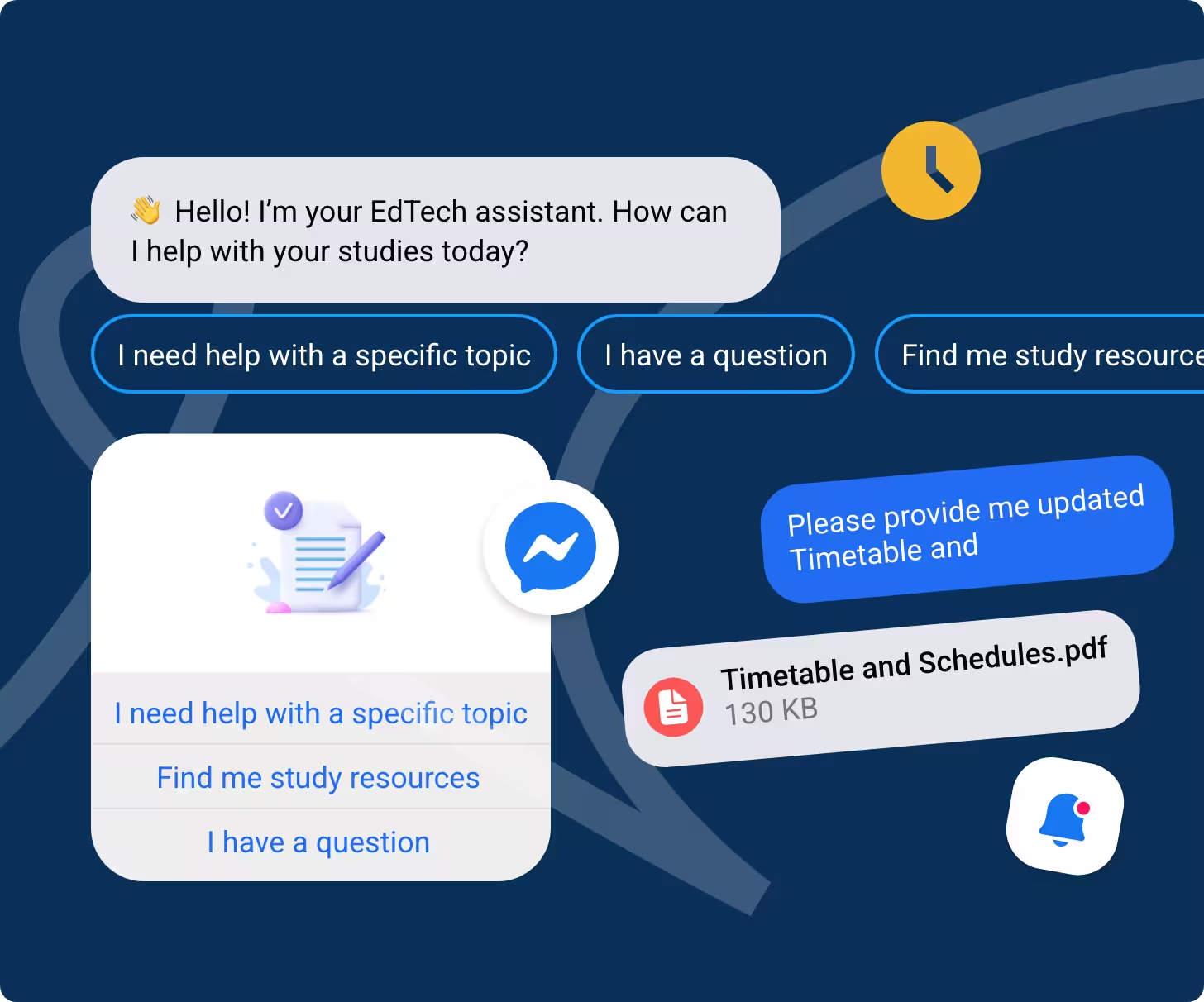
Answer admission queries
Class reminders
Share Student Reports
Stay in Touch with Students
Interactive Learning Modules
Feedback and Improvement System
Learning Management Systems Integration
Why Choose BotPenguin’s AI Chatbot for Facebook
We knew you’d want more, and we expect no less. You can tailor yourFacebook bot to fulfill your specific business needs.
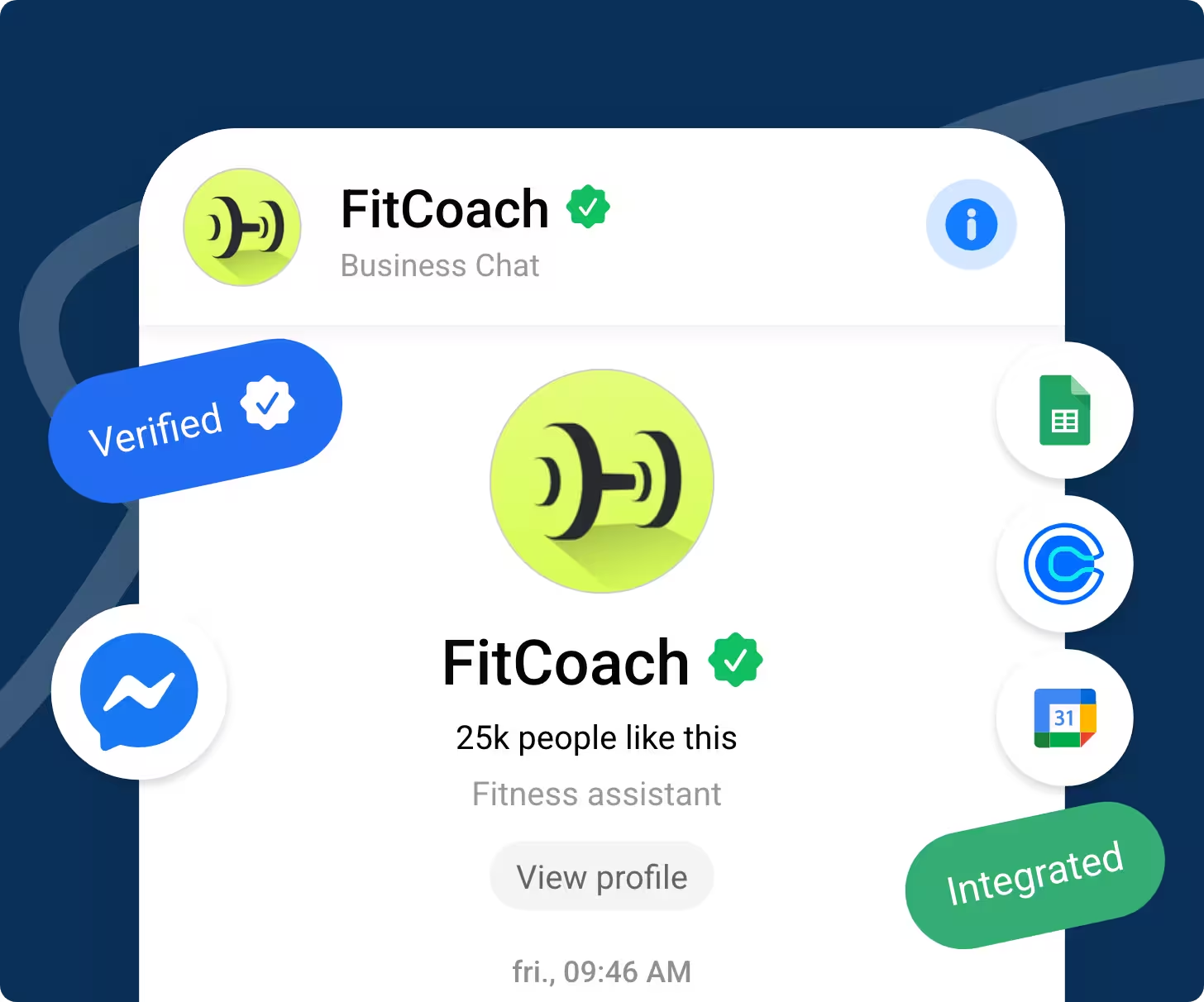

Approved chat templates
No coding required
80+ Native Integrations
Customer Analytics
Facebook Quick replies
Facebook Website Widgets, Links, & QR codes
Frequently Asked Questions
How do I enable a chatbot on Facebook?
To enable a chatbot on Facebook, you can use platforms like BotPenguin. Simply create a new bot, connect it to your Facebook page, and customize the chatflow. Deploy the chatbot using website widgets, QR codes, or links to redirect users to your chatbot.
What is the best AI Facebook chatbot out there?
BotPenguin is a highly recommended AI chatbot platform for Facebook. It provides seamless integration, easy setup, and a range of features such as personalized messages, customer journey tracking, and integration with CRM tools.
What is the best free chatbot for Facebook Messenger?
BotPenguin offers a FREE Forever Plan with no credit card required, making it an excellent choice for a free chatbot for Facebook Messenger. You get all the basic features to test the platform.
Can you use ChatGPT for Messenger?
ChatGPT can be used for Messenger by integrating it with a chatbot platform like BotPenguin. However, ChatGPT itself is a language model and needs to be integrated into a chatbot platform to function as a chatbot.
Can you create a booking system on Facebook?
Yes, you can create a booking system on Facebook using chatbot platforms like BotPenguin. By integrating with tools like Simplybook.me or Google Calendar, you can automate appointment bookings, schedule classes, sessions, and send event notifications.
Is appointment booking available in Facebook chatbot?
Yes, appointment booking is available in Facebook chatbots. With platforms like BotPenguin, you can integrate your chatbot with popular booking systems like Simplybook.me or Google Calendar to automate appointment scheduling.
Can you automate Facebook messages?
Yes, you can automate Facebook messages using chatbot platforms like BotPenguin. You can set up auto-reply to comments, create drip campaigns, schedule broadcasts, and automate marketing efforts to engage your audience.
Is there a free chatbot for Facebook automation?
Yes, BotPenguin offers a FREE Forever Plan with no credit card required, making it an excellent choice for free chatbot automation on Facebook.
Can you collect payments using a chatbot for Facebook Messenger?
Yes, you can collect payments using a chatbot for Facebook Messenger. By integrating your chatbot with payment gateways like Stripe or PayPal, you can enable users to make payments directly through the chatbot interface.