



LLMs for Translation: Benefits, Challenges, and Use Cases
Updated at Sep 25, 2026
15 min to read
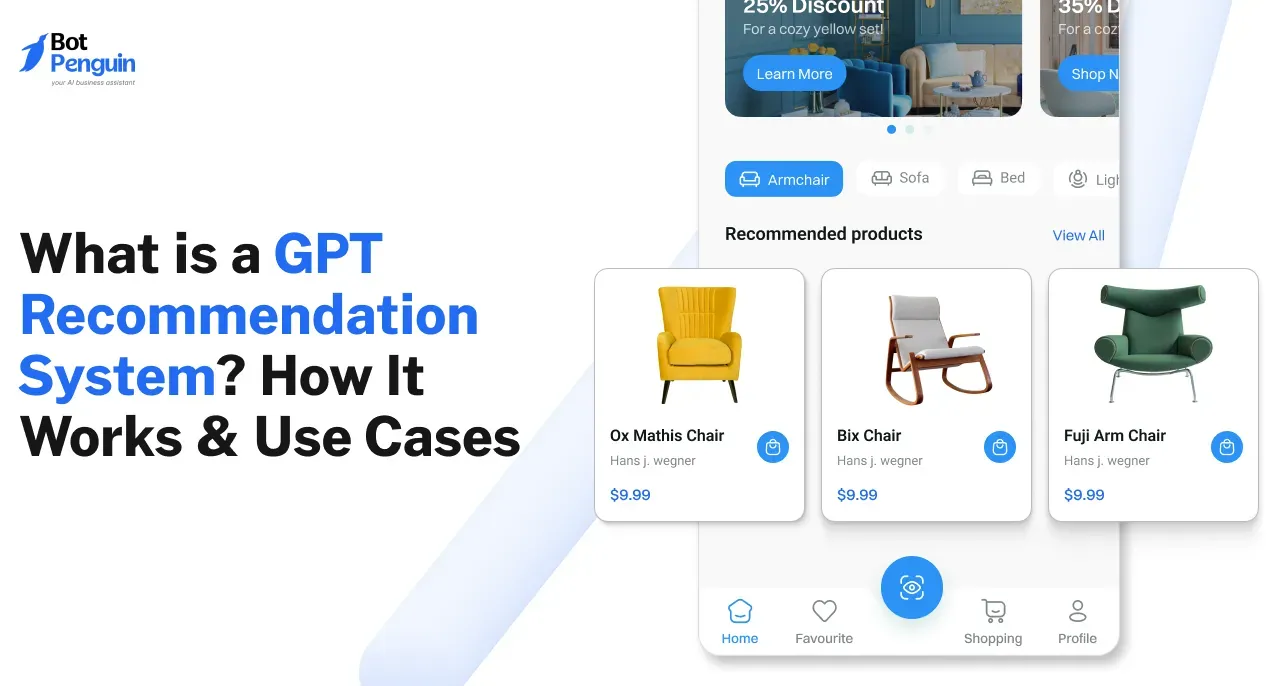
Online shopping is an interesting and convenient option. You can choose the required products and purchase them from the comfort of your home.
However, there is a catch. The available products will be so vast that after some time you will find the process to be tiring. So, how to make it easier? Enter, the GPT recommendation system which offers you personalized suggestions.
For businesses, a GPT recommendation system provides huge benefits. By providing customized solutions to customers based on their preferences, it motivates them to purchase products, thereby increasing sales and boosting revenue.
From recommending a movie to guiding complex decisions, these systems are reshaping industries. But how do they actually work, and why are they so effective? Let us break it down.
A GPT (Generative Pre-trained Transformer) recommendation system is a tool that uses machine learning algorithms to analyze user information like search history, previous purchases, and preferences and then makes accurate predictions about the user's interests and likes.
For example, it can recommend a new Netflix series based on your viewing history or products on Amazon you might find interesting.
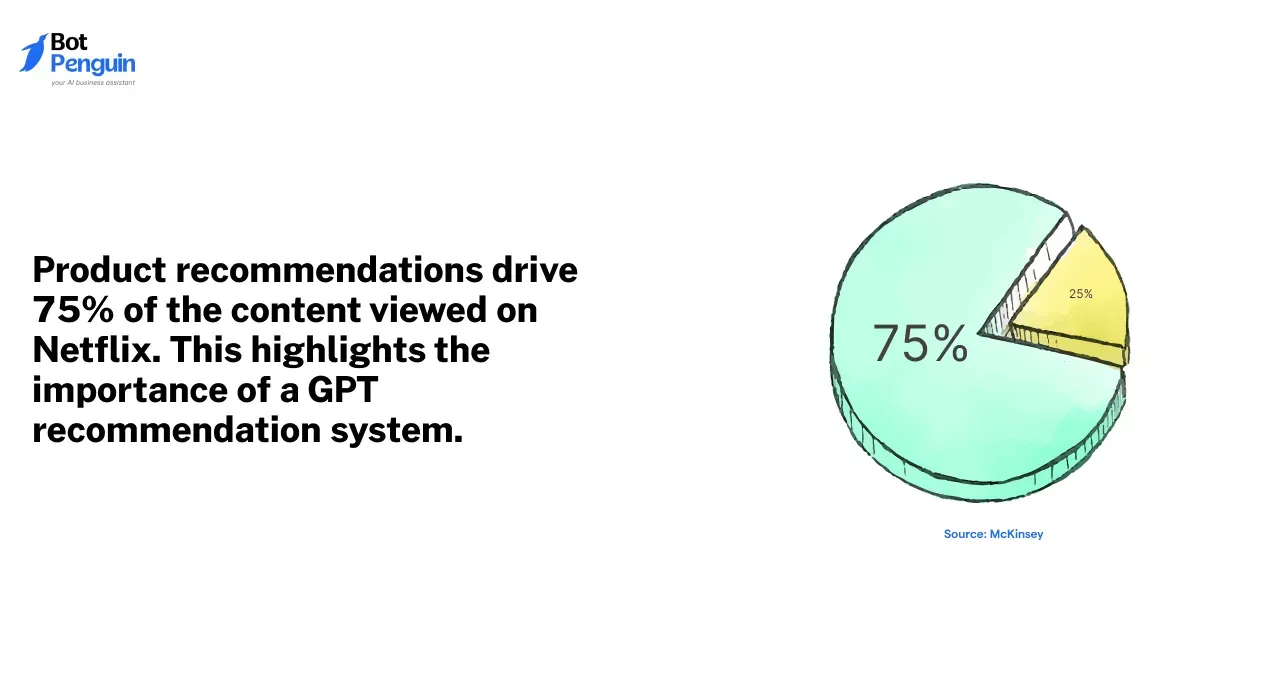
According to McKinsey, product recommendations drive 35% of user purchases on Amazon and 75% of the content viewed on Netflix. This highlights the importance of a GPT recommendation system.
Let us now explore the types of recommendation systems.
Collaborative filtering systems work on the principle that if two customers share identical tastes in one product, they are most likely to have similar tastes in other products too.
The recommendation system uses this technique to predict the preferences of similar users. Let us understand this with an example.
If user X likes red, green, and pink colors, and user Y likes red, green, and yellow colors, their interests are considered to be similar. So, there is a high probability that user X would like yellow color and user Y would like pink color.
Also, collaborative filtering approaches the users in two ways. One is user-based and the other is item-based. In a user-based approach, the system recommends items that users with similar tastes prefer. For example, if similar users search for attractive home decor items, the system will recommend the same to the current user.
In the item-based approach, the system provides similar recommendations to the items that the user had previously liked. For example, if the user had previously looked for red-colored dresses, then the system will recommend more such items in various styles.
In this method, the system provides recommendations to users based on the characteristics of the products they have preferred in the past.
In simple words, if a user has preferred items with certain attributes before, they are most likely to prefer items with similar attributes in the future too.
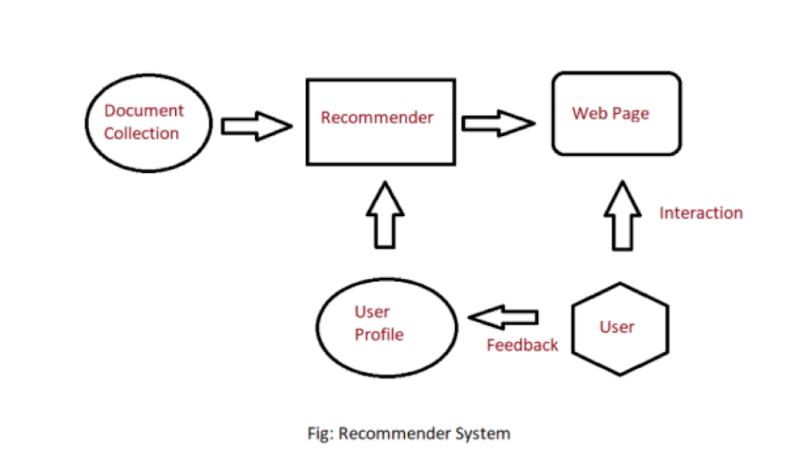
The system uses the ratings or purchase history of the users and builds a user profile to list their preferences. Let us consider an example to understand the context better.
User X enjoys reading fantasy novels like Harry Potter. The recommendation system will then recommend other books from the fantasy genre or novels by the same author.
In this method, multiple recommendation techniques are used to provide accurate and diverse suggestions to users.
As the name suggests, this recommendation system combines the strengths of collaborative and content-based systems to offer a detailed and personalized recommendation to users.
To understand the concept better, consider Amazon's Kindle app. It uses both these methods to recommend books to users. While one will look at the book that other users with similar tastes have read, the other will look at the type of books you have preferred in the past.
Combining these two, Kindle can suggest books that might be of interest to you.
By using collaborative, content-based, and hybrid approaches, recommendation systems can provide users with highly relevant and personalized suggestions, enhancing their overall experience and engagement.
A GPT recommendation system is more than just a tool for making suggestions—it is a powerhouse of advanced features that redefine personalization and adaptability.
Let us explore the key characteristics that make it stand out.
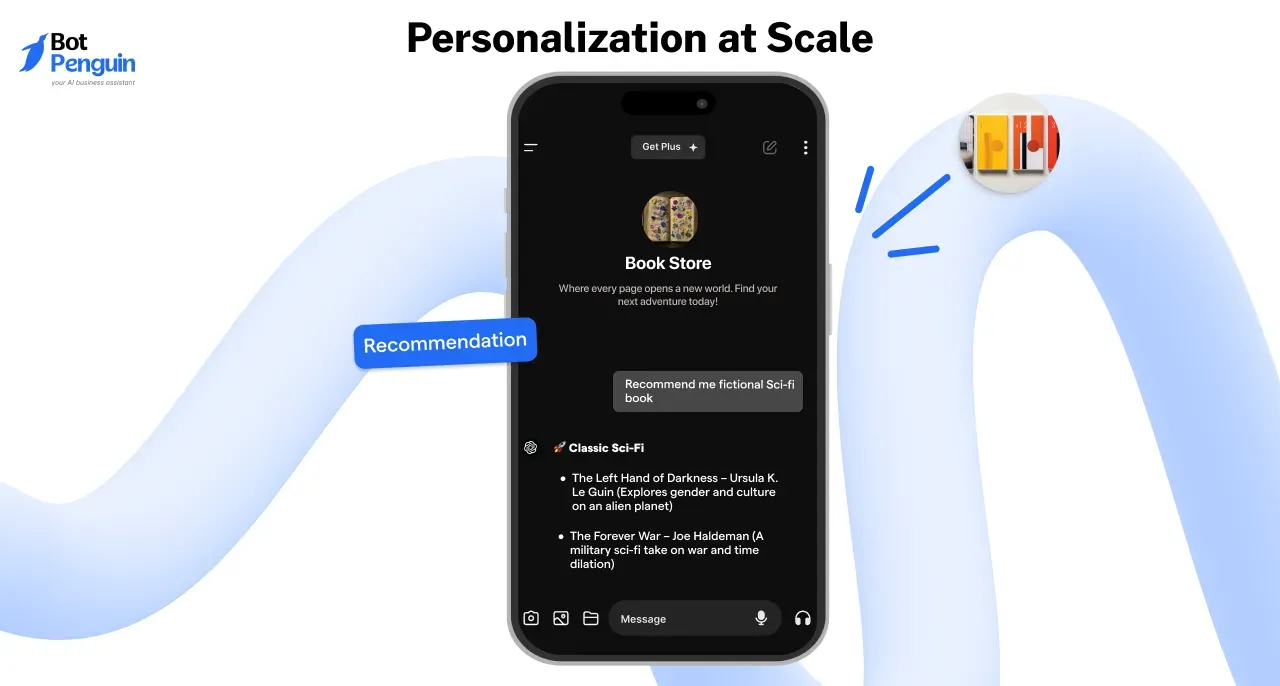
The GPT recommendation system excels at delivering highly tailored recommendations to millions of users simultaneously. It achieves this by analyzing individual preferences, behaviors, and contexts without sacrificing accuracy.
For example, it can recommend books to one user based on emotional themes while suggesting completely different options to another based on genre preferences.
This scalability ensures that every user receives unique suggestions, no matter the size of the audience or dataset.
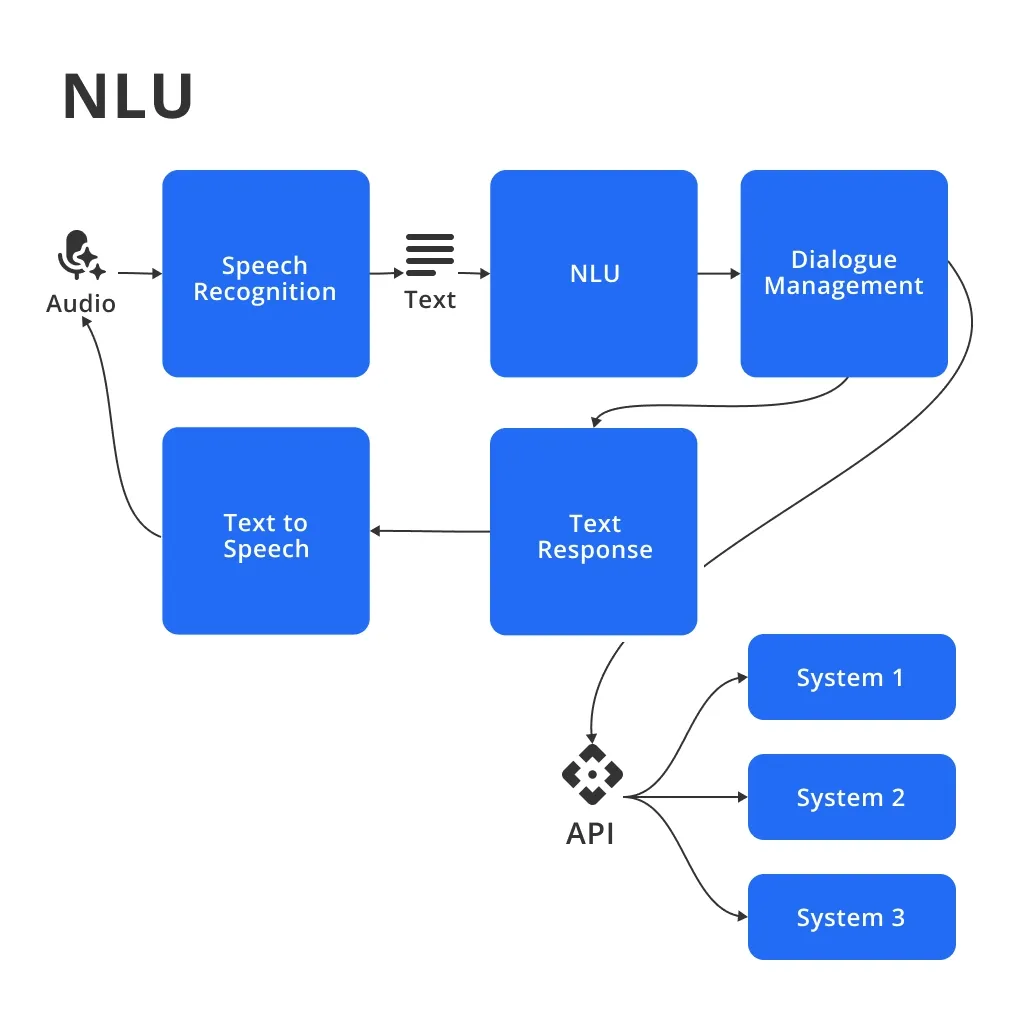
Unlike traditional systems, the GPT recommendation system can interpret and process complex text inputs.
When a user searches for “a backpack for hiking with lots of compartments,” the system doesn’t just look for “backpack” and “hiking.” It understands the entire request, including specific features like “lots of compartments.”
This natural language understanding enables the system to respond intuitively, bridging the gap between human expression and machine intelligence.
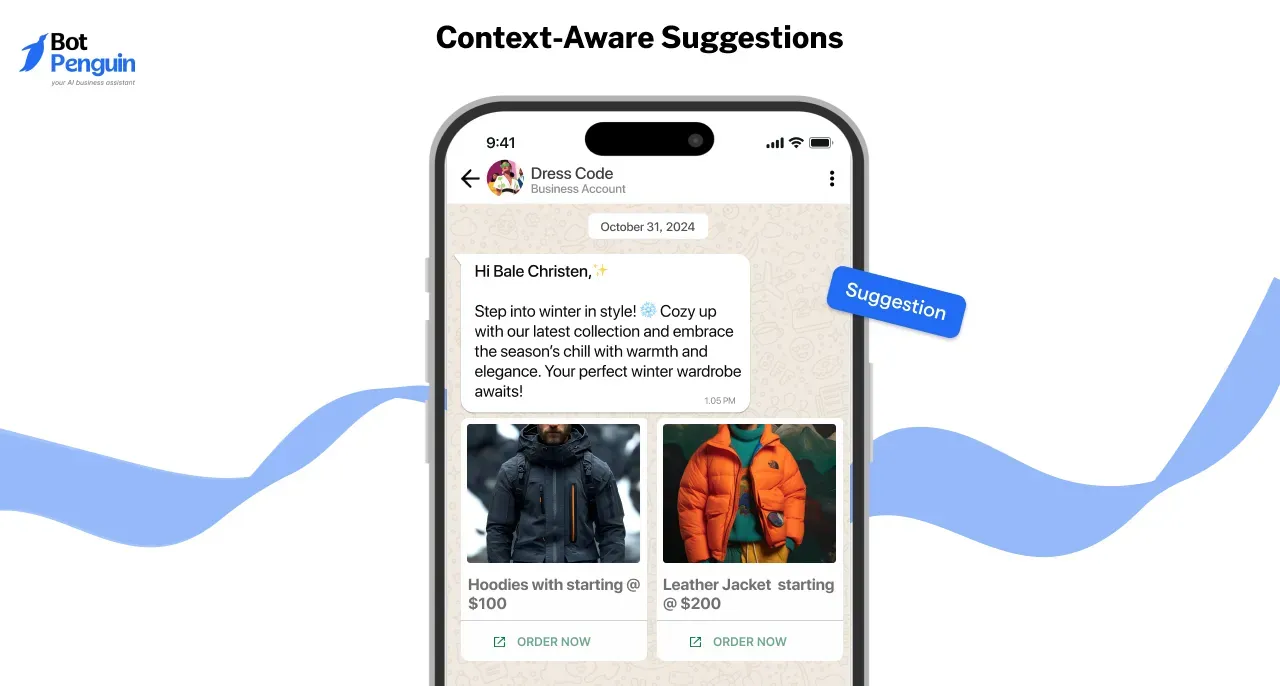
Context is critical in making recommendations meaningful. The GPT recommendation system considers various factors such as time, location, past behavior, and even the tone of user queries.
For example, it might recommend either warm beverages or cozy sweaters during winter, or lighter meals in summer.
Context-awareness ensures that recommendations align not only with user preferences but also with the circumstances surrounding their needs.
One of the most powerful features of the GPT recommendation system is its ability to adapt to changing user preferences and new trends.
Traditional systems often struggle with outdated or sparse datasets. In contrast, GPT uses continuous learning to refine its suggestions.
For example, if a user’s interest shifts from mystery novels to science fiction, the system adjusts quickly by analyzing recent interactions. This adaptability ensures that recommendations remain relevant and engaging.
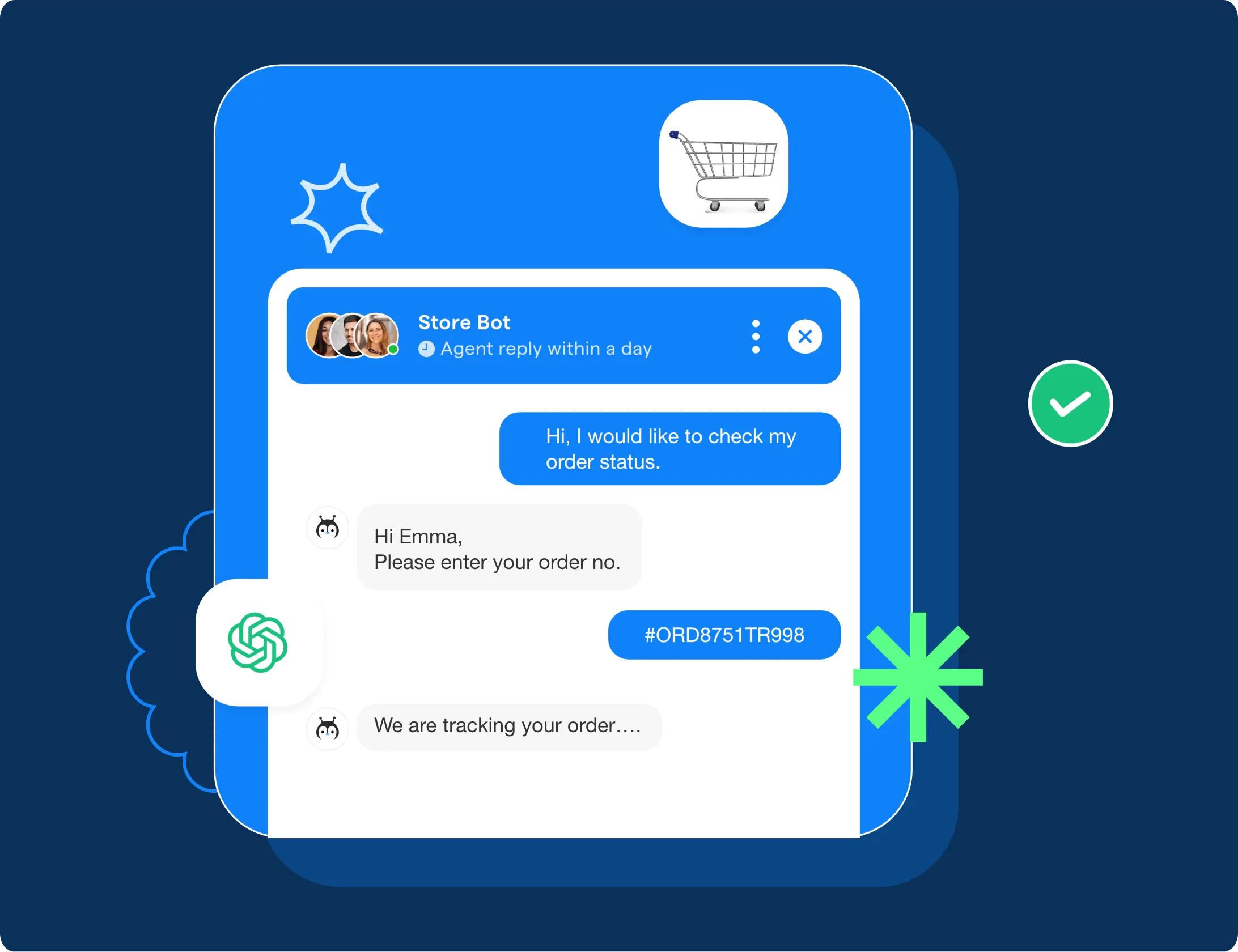
The GPT recommendation system seamlessly integrates with various platforms, such as chatbots, customer relationship management (CRM) tools, and e-commerce platforms.
This integration enhances user experiences by offering personalized suggestions during interactions.
For instance, a chatbot powered by GPT can recommend products in real time while answering customer queries. Similarly, CRM systems can use GPT-generated insights to tailor marketing campaigns or suggest upselling opportunities.
With its ability to personalize at scale, understand natural language, consider context, adapt to new data, and integrate seamlessly with other systems, the GPT recommendation system is transforming how businesses deliver meaningful and intuitive user experiences.
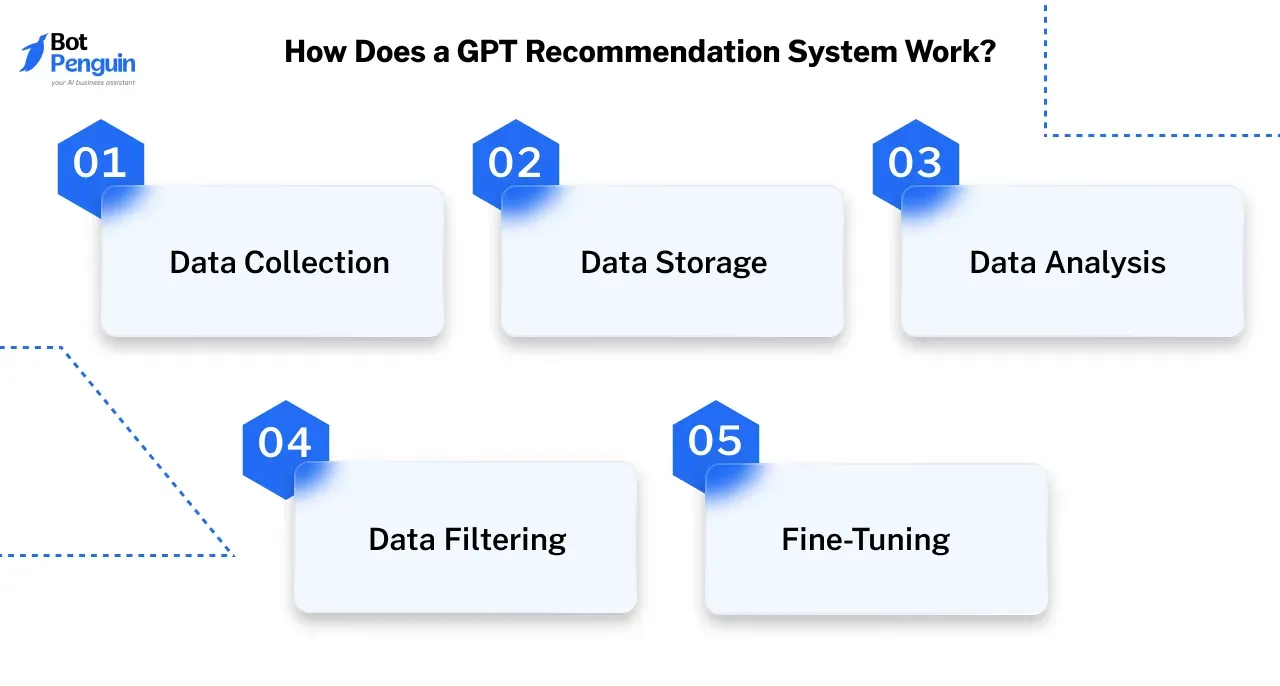
Understanding how a GPT recommendation system works might sound technical, but it is surprisingly straightforward.
By breaking it into steps, you can see how this advanced system delivers personalized suggestions that feel intuitive and relevant. Let us look at the steps below.
The process starts with collecting user data from various sources like browsing history, purchase behavior, preferences, or even text-based queries to understand the preferences of users.
For example, on an e-commerce site, your previous purchases, search terms, and wishlist items form the foundation of the input data.
This data is crucial for tailoring suggestions in the GPT recommendation system.
The collected user data is stored for analysis purposes. The stored data can either have a structured or unstructured format depending on its type and volume.
For example, if you are browsing and purchasing products from the Amazon website, it collects information like your preferences, search history, and even your abandoned cart items.
This data is stored in Amazon's system, with some being organized and the remaining unorganized.
In this step, the GPT recommendation system analyzes the stored data to identify patterns and trends.
It then understands the preferences of users, their behavior, and interests and provides personalized recommendations accordingly.
Here, the GPT recommendation system filters the data and provides recommendations to users. It takes the help of user data and the analyzed results to create a list of recommended items that might be of interest to the user.
The system doesn’t stop after delivering recommendations. It learns continuously through user interactions.
If a user ignores or rejects certain suggestions, the GPT recommendation system adjusts its approach. This feedback loop ensures ongoing improvement and increasingly accurate predictions over time.
A GPT recommendation system continuously learns from user interactions, refining its suggestions to ensure that each recommendation becomes more personalized, relevant, and intuitive over time.
Implementing a GPT recommendation system may seem complex, but with the right steps and tools, it becomes manageable.
By following a structured approach, you can integrate this transformative technology into your platform seamlessly. Let us look at the steps involved below.
Start by clarifying your objectives. Identify what you want to achieve with the GPT recommendation system, such as boosting product sales, improving user engagement, or curating personalized content.
Understanding your specific use cases guides the entire implementation process.
Choose the type of recommendation approach that best suits your needs. You can opt for:
Each has its own advantages and disadvantages.
Data preparation is crucial for training your GPT recommendation system. Clean and preprocess data by:
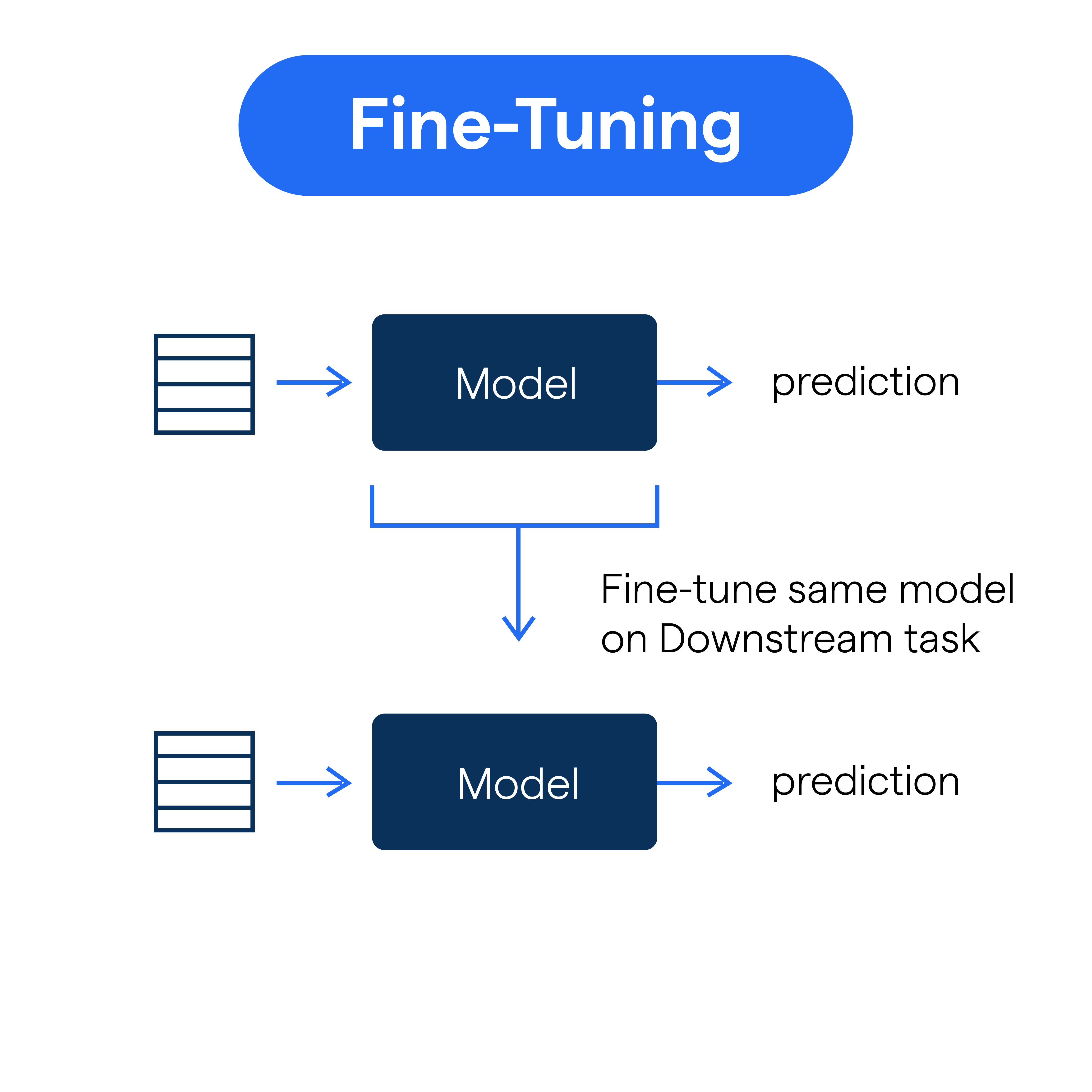
Fine-tuning involves adapting a pre-trained model to your specific application.
For GPT recommendation systems, you can use transfer learning to fine-tune models like GPT-3 or BERT on your dataset, making them more relevant to your use case. For example:
Once the model is ready, integrate the GPT recommendation system into your existing platform. You can use APIs (such as OpenAI API for GPT-based models) or develop a custom solution.
Ensure that the model communicates with your database and recommendation engine efficiently, making recommendations to users through web or mobile interfaces.
Testing and optimization are key to improving the system’s performance. Perform A/B testing to evaluate the effectiveness of different recommendation strategies.
Collect user feedback on the accuracy and relevance of the suggestions, and fine-tune the system iteratively to enhance recommendation quality.
You may also use reinforcement learning approaches to optimize recommendations based on user interaction patterns over time.
A well-implemented GPT recommendation system not only enhances user experience but also drives engagement and business growth by delivering intelligent, personalized, and continuously improving suggestions.
A GPT recommendation system has transformed how industries deliver personalized experiences, making its applications almost limitless.
From e-commerce to healthcare, its ability to understand context and preferences reshapes user interactions. Let us explore a few of its diverse use cases.
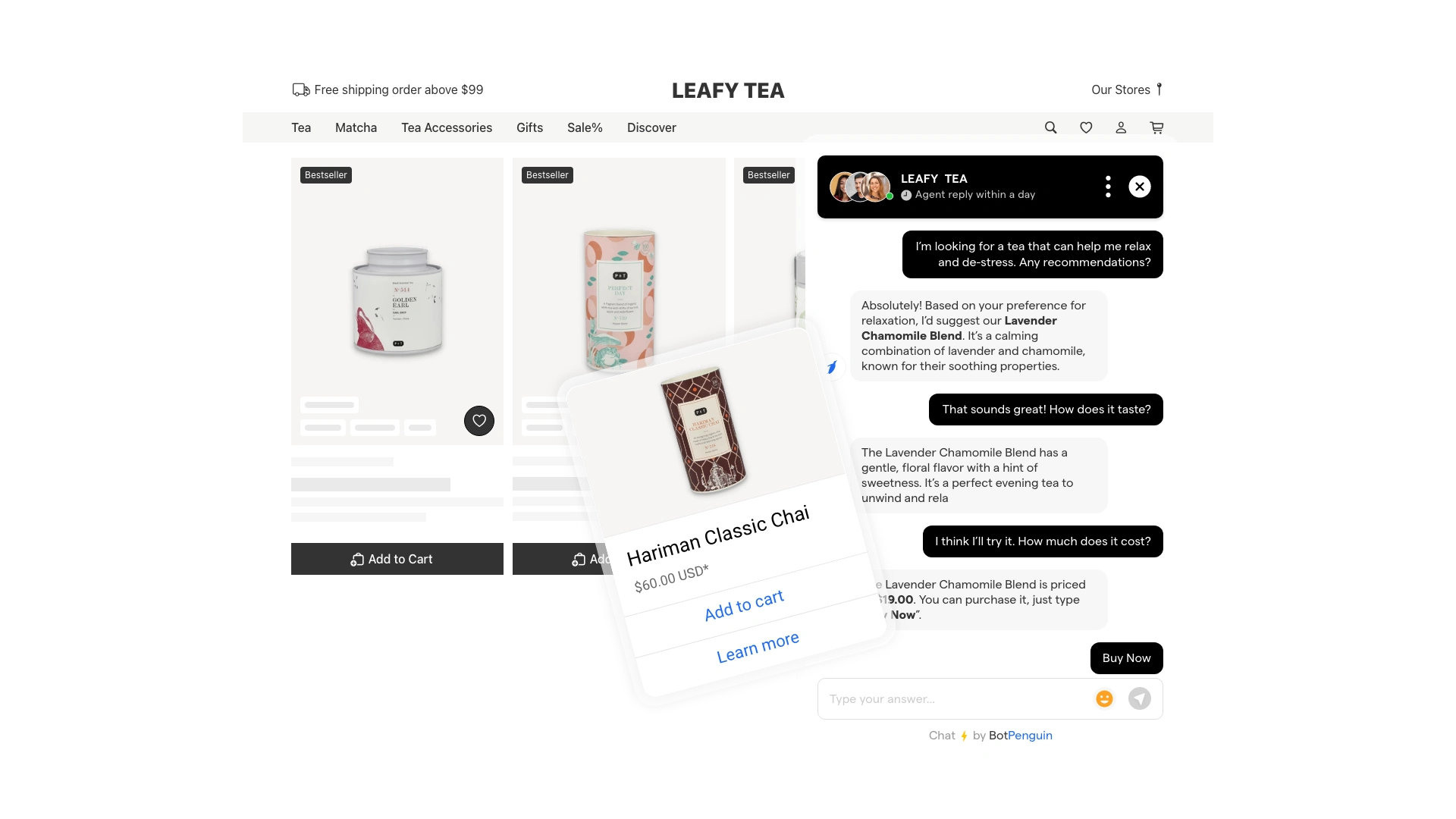
When shoppers search for items like “affordable yet durable shoes for hiking,” the GPT recommendation system interprets the intent behind the words.
It suggests products that meet specific needs, ensuring a personalized shopping experience.
Platforms like Netflix and Spotify benefit immensely from GPT recommendation systems.
By understanding user preferences, it suggests movies or songs that match their mood or past choices, creating a highly engaging experience.
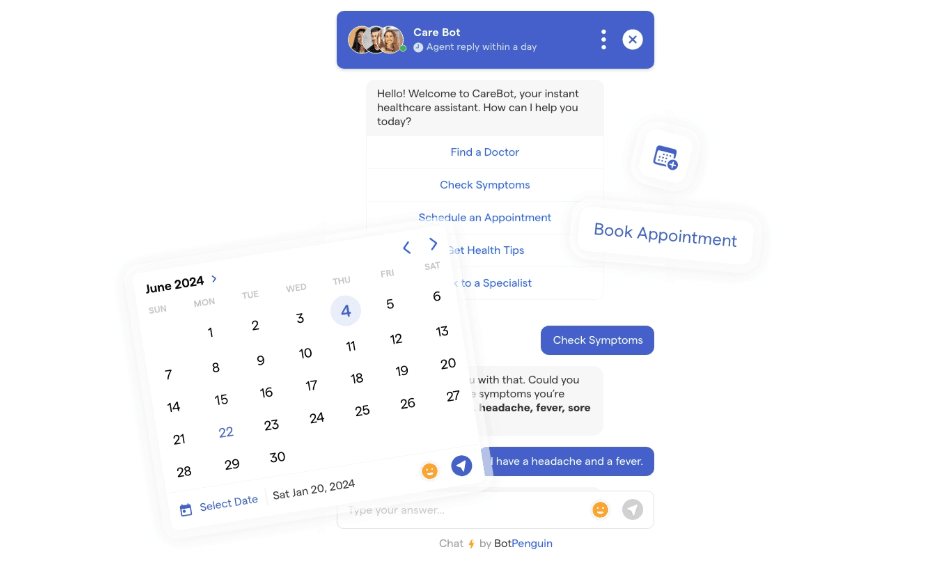
A GPT recommendation system assists healthcare providers by suggesting treatments based on patient symptoms or medical history.
For instance, it might recommend further tests or health articles for better understanding.
News and content platforms use GPT recommendation systems to suggest articles aligned with a reader’s interests.
For instance, if someone reads about AI, it might recommend more content on machine learning or GPT systems.
Customer support bots powered by GPT recommendation systems can answer queries like “What’s the best plan for a small business?” by offering tailored solutions. This reduces response times and improves customer satisfaction.
From e-commerce to healthcare, GPT recommendation systems enhance personalization and efficiency, ensuring users receive relevant, context-aware suggestions that improve their overall experience
A GPT recommendation system is more than just a tool for personalization—it is a game-changer for businesses and users alike. Let us find out some of its benefits below.
With its potential to personalize, scale, and adapt, a GPT recommendation system not only enhances user experiences but also drives business success by staying ahead of evolving trends and customer needs.
The GPT recommendation system is reshaping personalization across industries, delivering smarter suggestions, improving engagement, and driving measurable outcomes. From e-commerce to healthcare, its applications are vast and transformative.
For businesses looking to harness the power of AI without complex coding, platforms like BotPenguin offer a solution. BotPenguin is a no-code AI chatbot maker that integrates seamlessly with your systems.
It enables businesses to build intelligent bots that provide personalized recommendations, enhance customer support, and streamline interactions effortlessly.
With BotPenguin, you can elevate user experiences and drive growth, making advanced AI accessible to everyone.
A GPT recommendation system uses AI and natural language processing to provide personalized suggestions based on user preferences, behaviors, and queries, delivering context-aware, dynamic, and highly accurate recommendations across various industries.
It processes user data, understands natural language inputs, generates personalized recommendations, and adapts through continuous learning from user interactions, ensuring highly relevant and dynamic suggestions.
Benefits include improved user engagement, higher conversion rates, enhanced satisfaction, scalability for large datasets, and faster adaptation to trends or evolving preferences.
Unlike rule-based or collaborative filtering methods, GPT systems are context-aware, process natural language, and dynamically adapt to user inputs for deeper personalization.
Yes, platforms like BotPenguin allow businesses to create and integrate AI-driven recommendation systems using no-code solutions, simplifying implementation and enhancing user experiences.
Subscribe to Our Newsletter
Get the latest business insights straight into your inbox.
Checkout our related blogs you will love.
Updated at Sep 25, 2026
15 min to read

Updated at Sep 25, 2026
13 min to read
Updated at May 28, 2026
16 min to read

Updated at Feb 24, 2026
13 min to read

Updated at Feb 24, 2026
15 min to read
Updated at Feb 18, 2026
14 min to read
Table of Contents
