


AI Customer Service Agents for Agencies: White-Label Guide
Updated at Sep 12, 2026
17 min to read
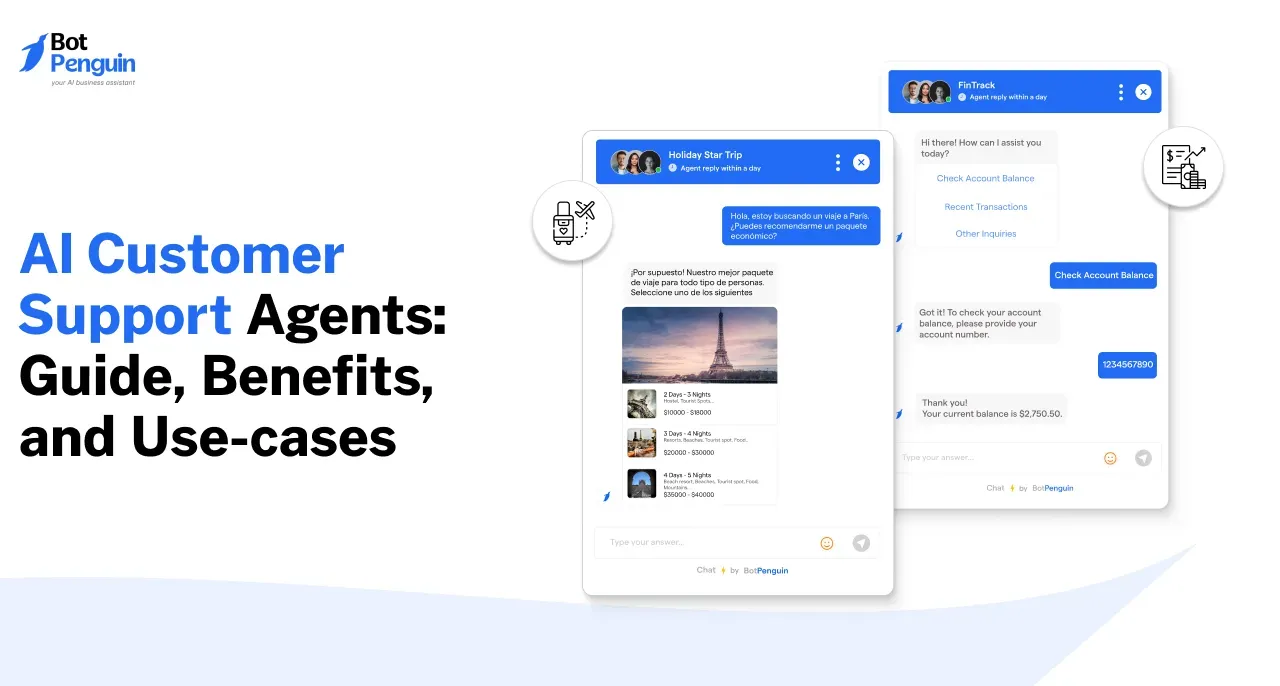
The use of Artificial Intelligence (AI) in customer service has become a necessity due to its abilities like automating repetitive tasks, providing quicker responses, and ensuring great customer satisfaction.
An AI customer support agent allows businesses to provide personalized services to customers 24/7. It also minimizes operational costs and offers detailed insights into customer preferences and sentiment.
This guide explores how AI agents for customer support are changing the game. We will break down their benefits, practical use cases, and why they might just be the future of support you never saw coming.
AI customer support agents are virtual tools designed to assist customers by answering questions, resolving issues, and even completing transactions. Unlike traditional human agents, they operate around the clock and provide quick, scalable solutions.
The customer support AI agent uses machine learning and natural language processing (NLP) to interpret customer requests in real-time and respond appropriately in an engaging and human-like manner.
These agents learn from customer interactions and provide tailored, context-aware answers with minimal human assistance.
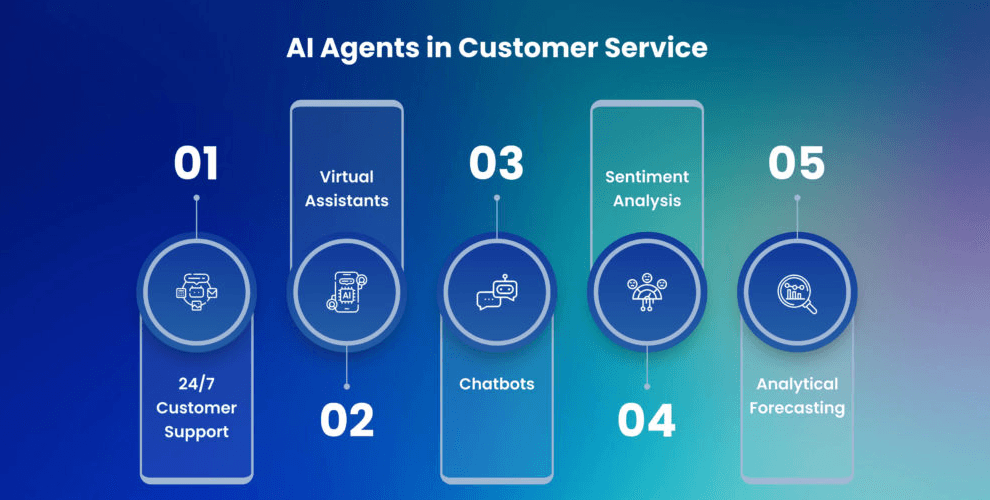
An AI customer support agent has become indispensable for businesses and there are some key abilities that allow them to perform exceptionally. Let us explore them below.

AI customer support agent accesses your organization's database like product manuals, FAQs, CRM data, etc.
So, when a customer inquires about their order status, the AI agent for customer support does not respond with a generic message. Instead, it provides real-time tracking information from your logistics system.
An AI customer support agent doesn't provide robotic responses to customers; Instead, it connects with customers on a personal level by remembering their names, and past conversations, and adapting to their moods.
These agents also provide responses to customers that reflect your brand's voice and identity.
An AI customer support agent analyzes customer behavior and context and provides proactive assistance.
For example, if a customer's subscription is about to expire, the agent sends an alert before they reach the escalation stage.
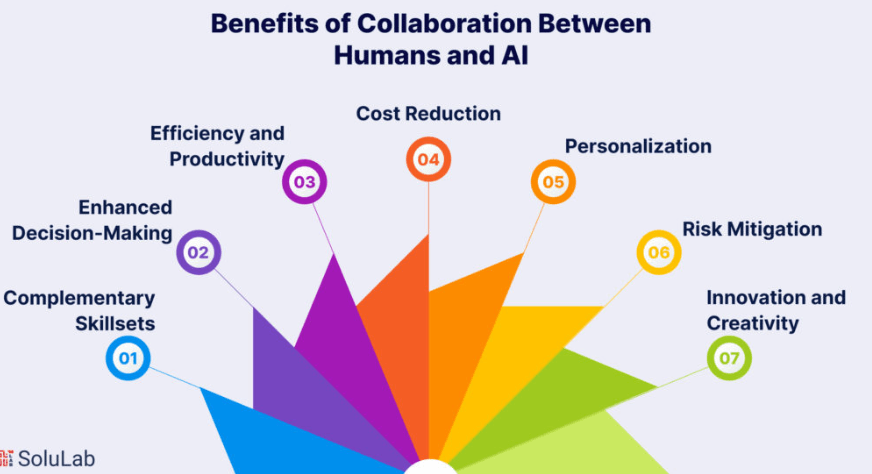
When an AI customer support agent encounters a situation where human intervention is required, it readily hands over the issue to a human agent. It also doesn't keep the human agents in the dark during handover, but summarizes the chats and provides them a gist of the events.
This avoids repetitive questioning and the human agent can provide effective solutions to customers.
Hence, AI customer support agents are taking customer service to greater heights by combining efficiency, personalization, and seamless collaboration with human agents, ensuring businesses deliver exceptional support.
AI is redefining how businesses deliver customer support, offering benefits that go beyond just automation.
By integrating an AI customer support agent, companies can streamline processes, save money, and improve overall customer satisfaction. Let us explore these benefits in more detail.
An AI agent for customer support provides personalized responses to customers through its learnings from past customer conversations and data.
Hence, the customers will receive an engaging support experience making them feel satisfied.
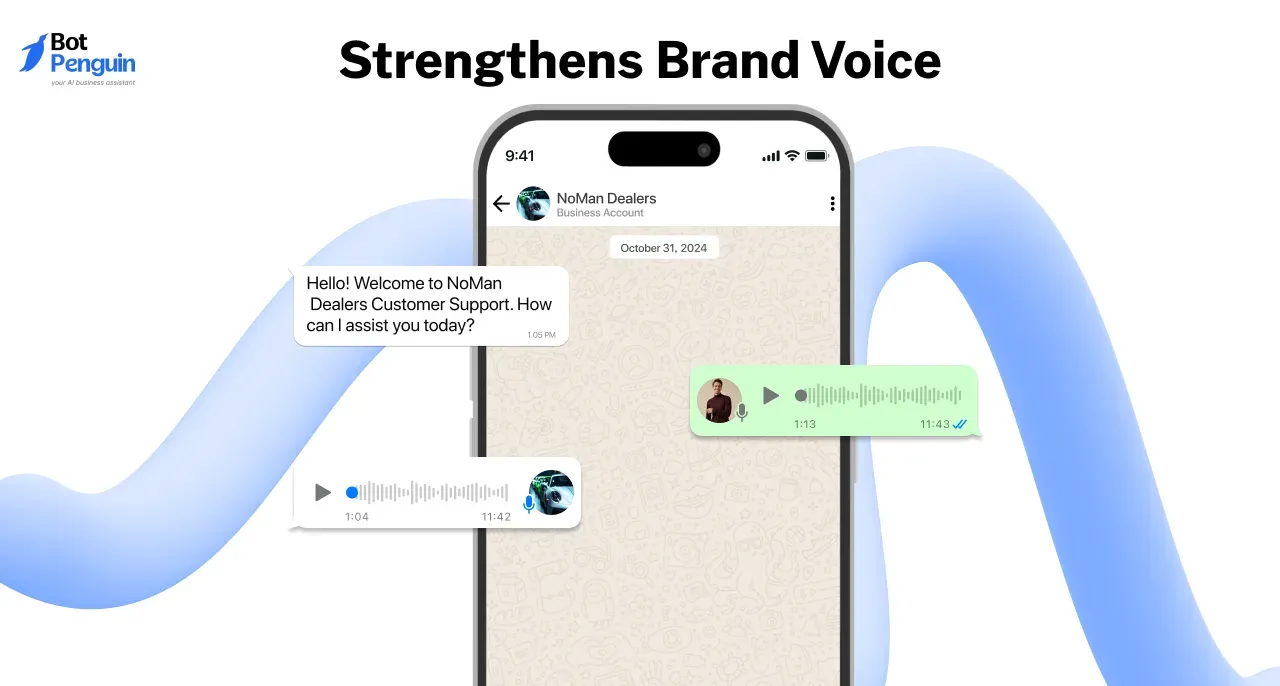
When your customers contact you to know about your products or services through channels like WhatsApp, Facebook Messenger, or live chat, the customer support AI agent will provide responses in a manner that showcases your brand's identity. It offers reliable support and boosts customer trust even during peak sessions.
A customer support AI agent can adapt to various customer situations easily. Be it taking new users to set up products, or providing personalized suggestions to existing customers, it is just a cakewalk for the agent.
This is also a kind of strategy to boost customer satisfaction and increase conversion rates.
An AI customer support agent can easily meet your growing business needs. It can handle numerous conversations simultaneously due to its efficient scalability while also retaining the quality of responses.
It also provides insights with which you can optimize products and create effective marketing strategies.
All these benefits highlight the role of AI customer support agents in helping businesses adapt to diverse situations while improving overall operations and customer satisfaction.
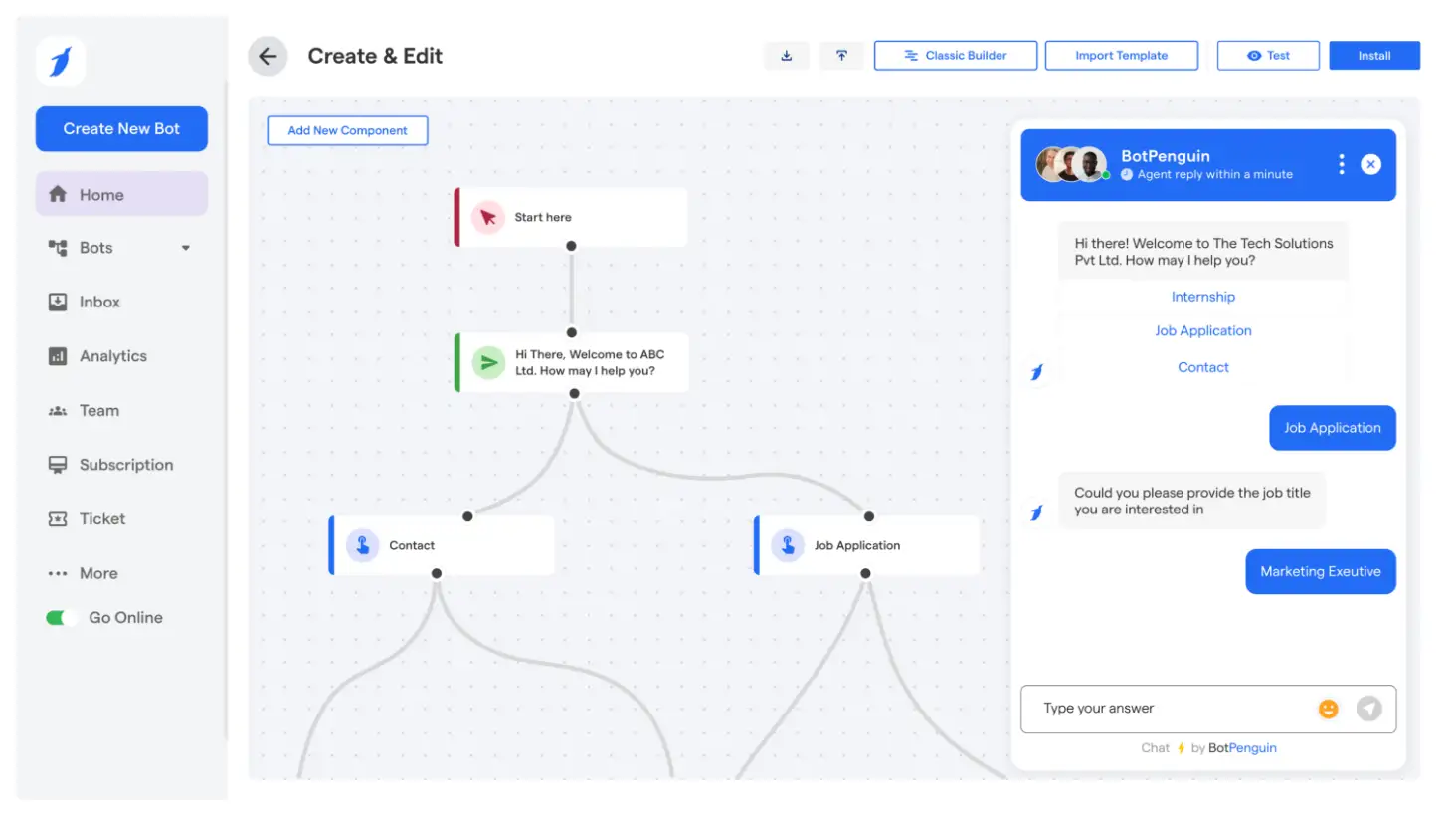
BotPenguin is an advanced AI-powered chatbot platform designed to simplify customer support, automate conversations, and enhance user experiences.
It acts as a virtual customer support agent, seamlessly handling queries, resolving issues, and improving engagement across multiple channels like websites, WhatsApp, Instagram, Telegram, Facebook, and others.
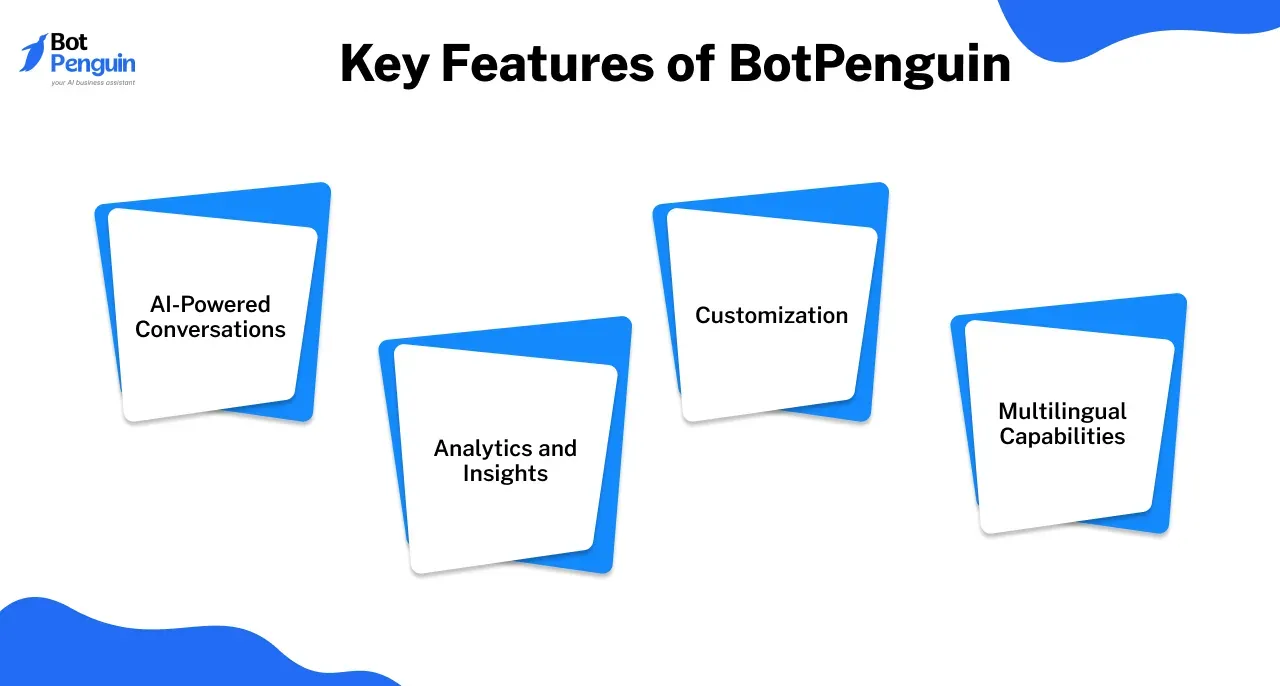
BotPenguin has some key features that make it stand out from other AI customer support agents. Let us explore a few of them.
BotPenguin enables businesses to deliver phenomenal customer support by combining AI-driven conversations, insightful analytics, and multilingual capabilities, while also providing personalized experiences for customers.
AI is revolutionizing how businesses serve their customers, offering tailored solutions for different industries. An AI customer support agent can automate repetitive tasks, handle high volumes of inquiries, and deliver timely, personalized responses.
Here is a closer look at how AI is being applied across various sectors, with real-life examples showcasing its impact.
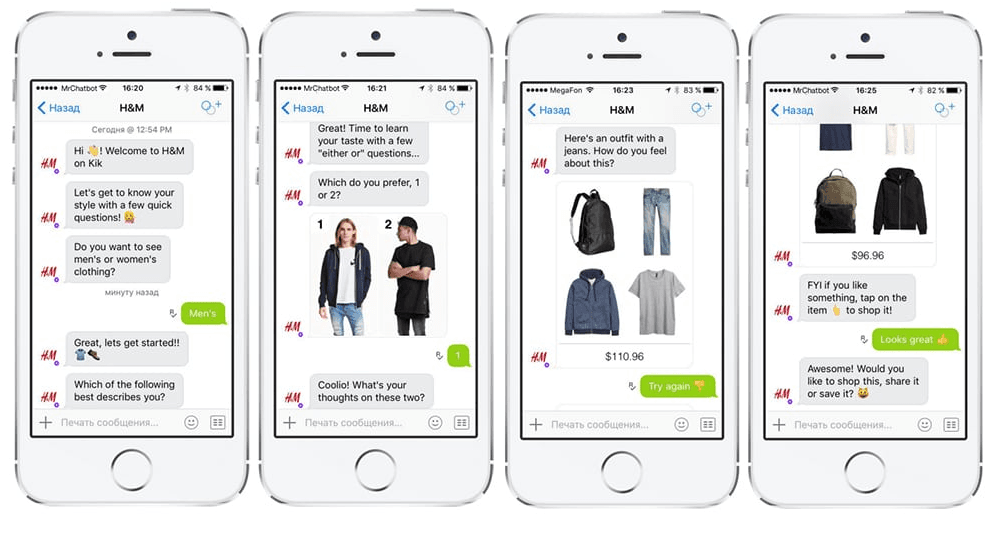
E-commerce platforms receive countless inquiries about product availability, features, and pricing. AI customer support agents can respond instantly, ensuring customers get the information they need to make informed decisions.
For example, H&M uses AI chatbots to assist customers in finding specific clothing items based on size, color, and availability, reducing cart abandonment rates.
Order tracking is one of the most common support requests in e-commerce. AI agents like those used by Amazon provide real-time updates on order status, estimated delivery times, and shipping issues. These agents also allow customers to modify delivery details, ensuring a smooth post-purchase experience.
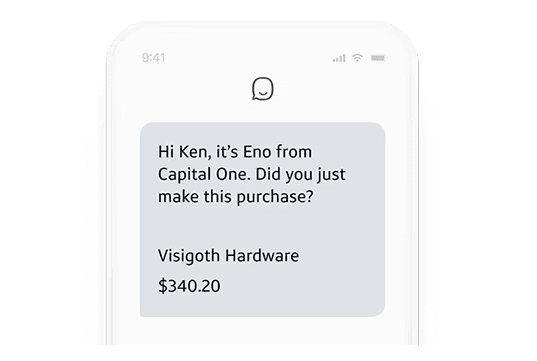
Banks deal with high volumes of routine inquiries, such as account balances or recent transactions. AI customer support agents, like Erica by Bank of America, handle these queries seamlessly.
Erica not only provides information but also helps users manage spending and track financial goals, offering a personalized experience.
AI systems in finance ensure real-time security for customers. For example, Capital One’s Eno alerts users about suspicious transactions, upcoming bill payments, or unusual account activity. This proactive support builds trust and strengthens the customer relationship.
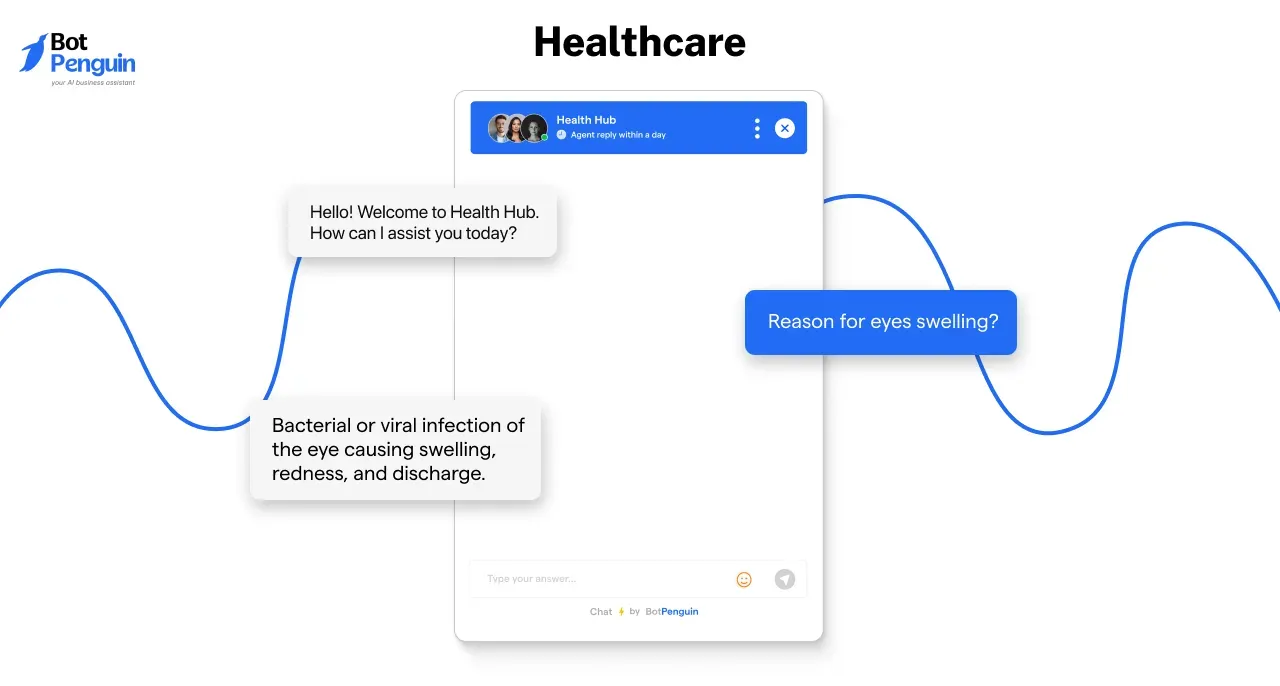
Scheduling appointments can be tedious for both patients and administrative staff.
AI agents for customer support, like those implemented by Cleveland Clinic, enable patients to book, reschedule, or cancel appointments easily. They also send reminders to reduce no-show rates, ensuring efficient scheduling.
While AI agents cannot replace doctors, they can provide general guidance. For example, Ada Health’s chatbot helps patients understand symptoms and directs them to the appropriate care.
These agents also provide information about clinic hours, services offered, and insurance coverage, saving time for both patients and staff.
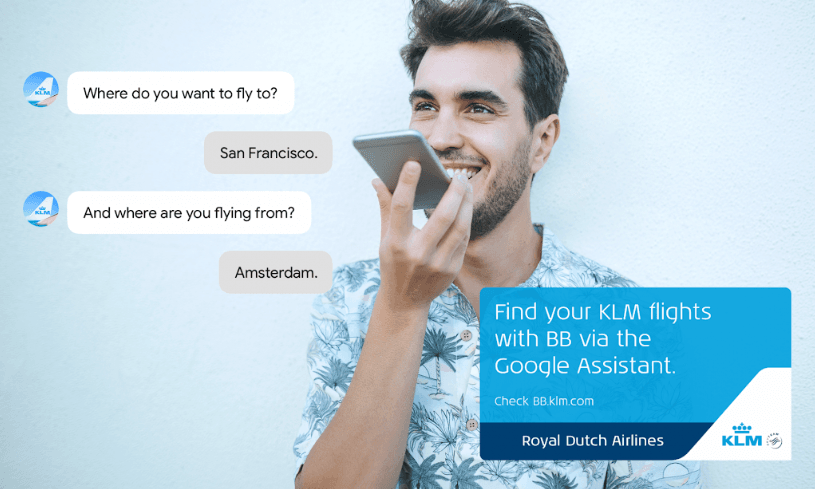
Travel platforms like Expedia and airlines such as KLM Royal Dutch Airlines use AI customer support agents to streamline flight booking.
These agents help users find the best deals, compare prices, and choose seats, ensuring a hassle-free booking experience.
AI systems provide real-time updates about delays, gate changes, and cancellations. For example, Lufthansa’s Mildred AI assistant offers travel updates and even recommends nearby attractions or restaurants, acting as a virtual concierge for travelers.

Tech companies often face high volumes of support requests related to common issues like password resets or connectivity problems.
Zendesk’s Answer Bot is an excellent example of a customer support AI agent that resolves basic queries quickly, reducing customer wait times and freeing up human agents for more complex problems.
Setting up new software can be daunting. AI agents for customer support, like BotPenguin's AI, guide users through onboarding and setup processes. They provide step-by-step instructions and links to helpful resources, ensuring customers get started without frustration.
Simply put, AI customer support agents are making a significant impact across industries by streamlining operations, enhancing customer interactions, and offering quick, tailored responses.
AI in customer support has proven to be advantageous in many ways. Let us look at some real-life impacts below.
By automating routine tasks and offering personalized solutions, they save time, improve service quality, and boost customer satisfaction, making them a critical asset in today’s business landscape.
AI is transforming customer support, but it’s not without its challenges. While an AI customer support agent brings efficiency and scalability, there are limitations that businesses must consider.
Let us explore the key challenges and how they impact customer experiences.
Implementing an AI customer support agent is not an easy task. You should allocate budgets appropriately.
Consider factors like ongoing maintenance, support, software licenses, cloud infrastructure, hardware, and manpower to train and manage the system.
When you are planning to resort to an AI customer support agent, ensure it can seamlessly be integrated into your existing CRM and other systems.
Sometimes, the integration process might become complex, and you have to design solutions that enable connectivity and setup to avert any service disruptions.
While using an AI customer support agent, you must ensure data privacy and security concerns are addressed.
Incorporate stringent governance policies on how the agent should access and use data, which helps in ensuring that customer details are handled appropriately.
A customer support AI agent requires constant learning and adaptation to stay effective. As the behavior and needs of customers evolve, the agent should also be able to meet them.
Hence, you have to update and periodically retrain models with the latest data so that they can provide accurate responses to customers.
Sometimes, an AI agent for customer support may encounter unique scenarios that would not have been present in their training data. In such cases, the agent may fail to address customer requirements effectively resulting in bad experiences.
Hence, you can implement feedback mechanisms like handing over complex inquiries to human agents to avoid such incidents.
Though using an AI customer support agent has many advantages, there are also some challenges involved which businesses have to address carefully. By doing so, they can maximize their effectiveness and offer a seamless customer experience.
Choosing the right AI customer support agent is crucial for ensuring smooth and effective customer service.
With many options available, selecting a solution that aligns with your business goals and operations can feel overwhelming. Here is a detailed guide to help you make the best choice.
The size of your business and the available budget are key considerations when selecting an AI customer support agent.
Small businesses may benefit from affordable, ready-to-deploy solutions, while larger organizations may require more advanced systems with custom features.
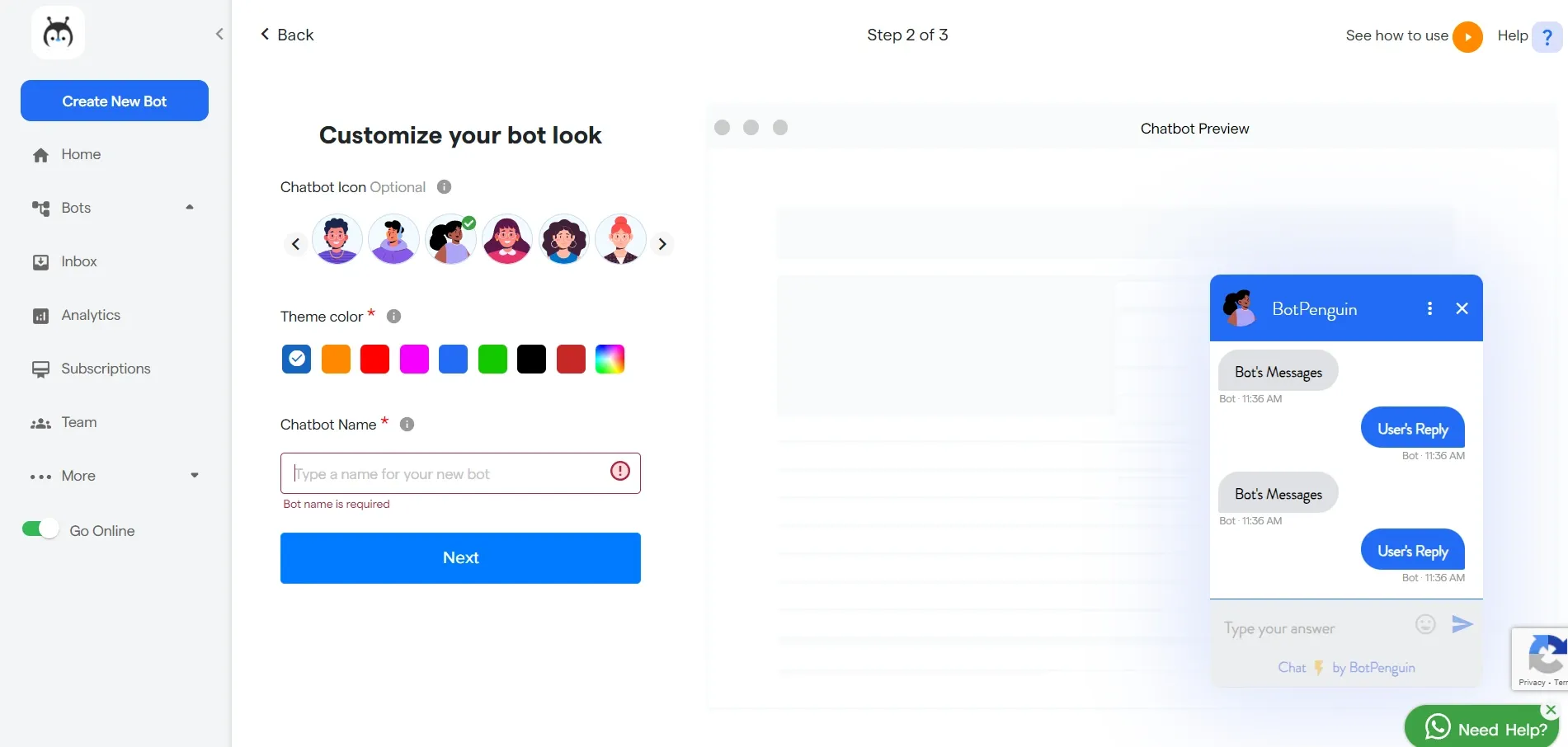
Some businesses need specific workflows or branding integrated into their AI agent for customer support.
Evaluate whether the platform allows you to design conversations, set up workflows, and integrate your unique processes. If you handle specialized queries, ensure the solution supports advanced customization.
Your chosen AI customer support agent should integrate seamlessly with your existing tools, such as CRM software, ticketing systems, or communication platforms.
As your business grows, your customer support AI agent should be able to scale alongside it. Check if the solution can handle increasing query volumes, integrate new technologies, and adapt to your evolving needs.
By considering the factors above, businesses can confidently choose an AI customer support agent that best aligns with their goals and ensures success in providing excellent customer service.
Let us explore some popular platforms and tools for your AI customer support agent.
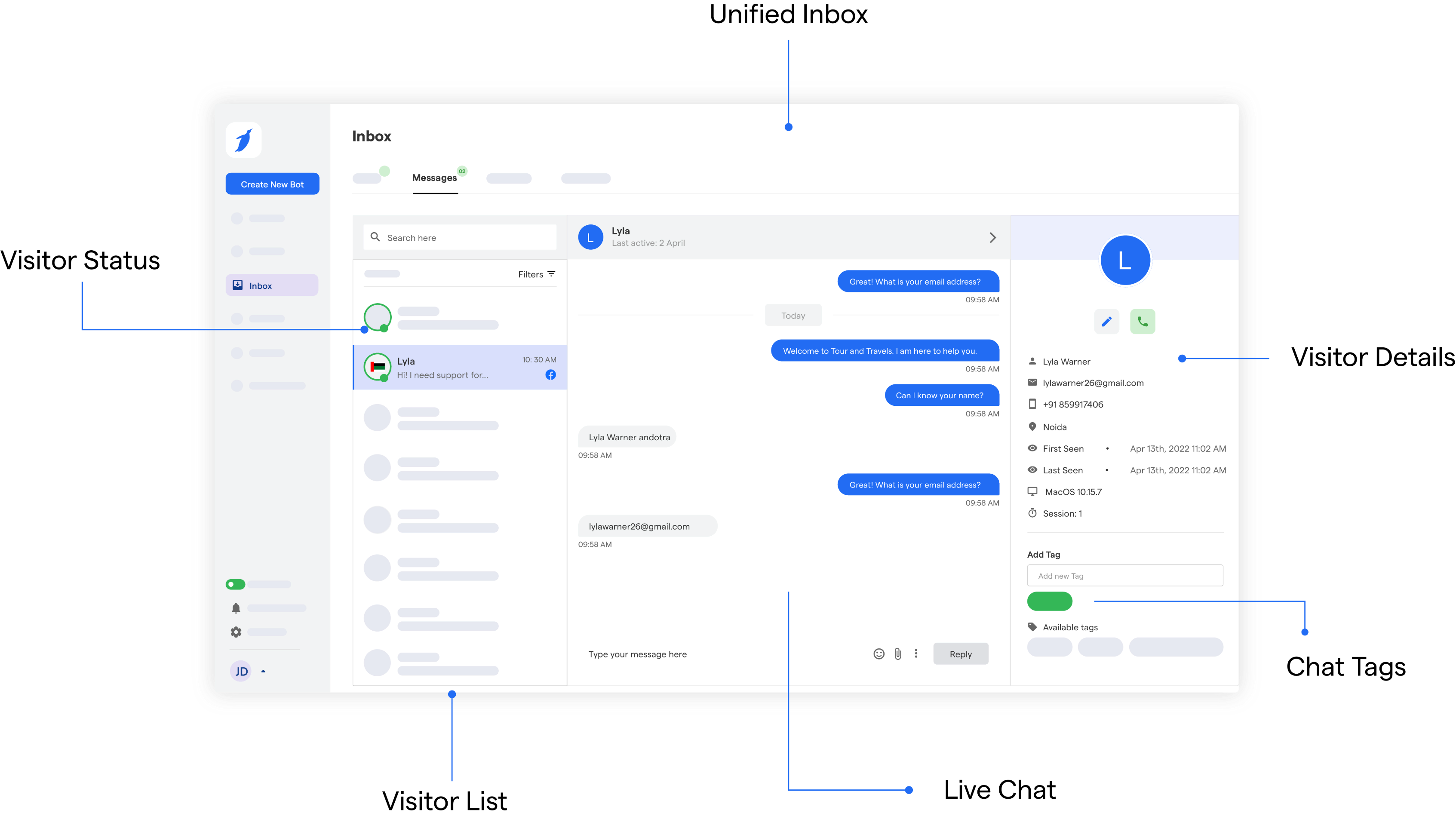
BotPenguin is a cost-effective solution ideal for startups and small businesses. It offers basic chatbot features, easy integration with social media, and a user-friendly interface.
While it may lack advanced customization, it’s perfect for businesses with straightforward needs.
Zendesk AI is a robust platform tailored for medium to large businesses. It excels in advanced ticketing workflows, real-time insights, and multilingual support.
Its integration with existing tools makes it a go-to choice for businesses handling high query volumes.
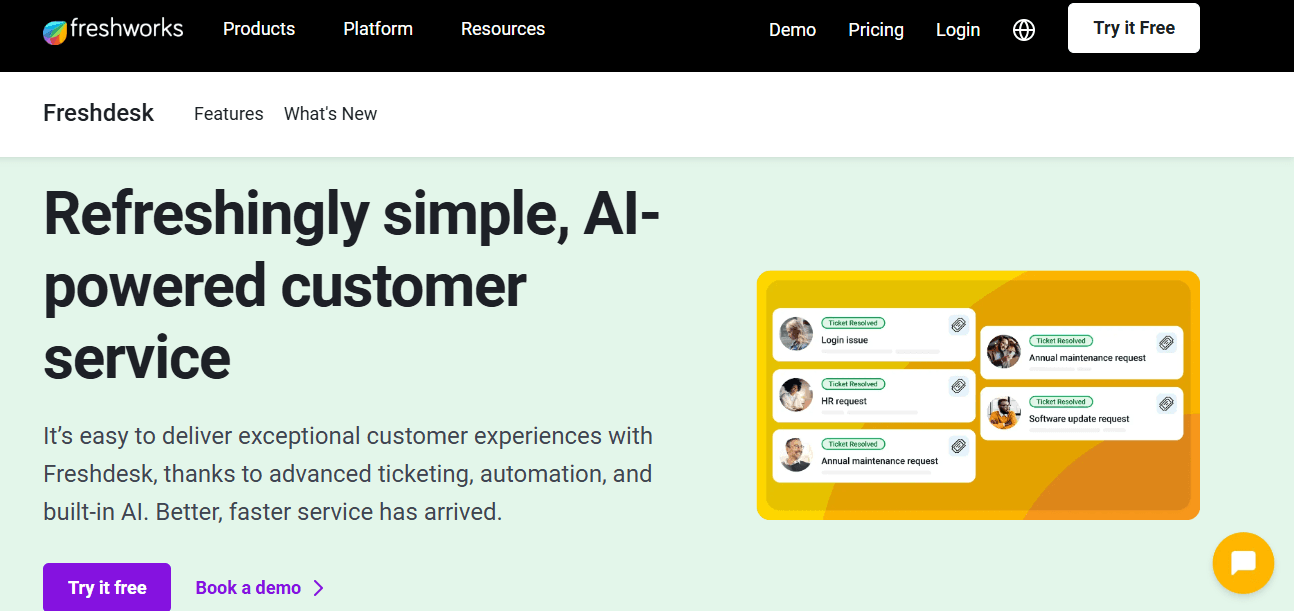
Freshdesk is a versatile platform suitable for businesses of all sizes. It automates workflows, and ticket routing to enhance customer support. It has a user-friendly interface and scalable features, making it a preferred choice for businesses with complex needs.
When businesses explore these popular platforms, they can find the right AI customer support tool that meets their needs, whether it is for simple interactions or for handling complex customer queries.
BotPenguin is budget-friendly, easy to use, and needs limited effort to integrate. While Zendesk AI offers advanced workflows, and scalability, and is suitable for large teams.
Speaking of Freshdesk, it enables workflow automation and can be used by small and large businesses.
Choosing between these platforms depends on your business size, goals, and the complexity of your customer interactions.
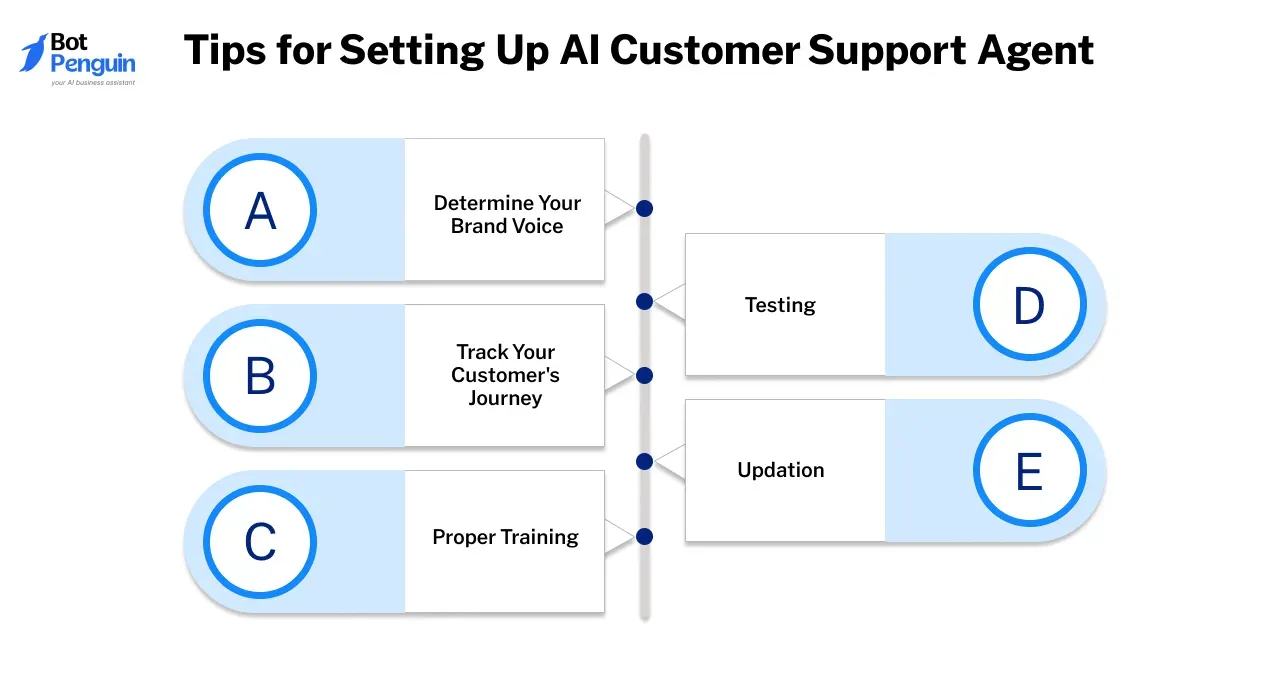
With the appropriate tools and approach, you can easily implement an AI customer support agent for your business. Let us explore them.
By following these steps, you can effectively set up your AI customer support agent, ensuring it delivers seamless and personalized services that enhance customer satisfaction.
Here are some success stories of businesses leveraging AI customer support agents to transform their customer service operations:
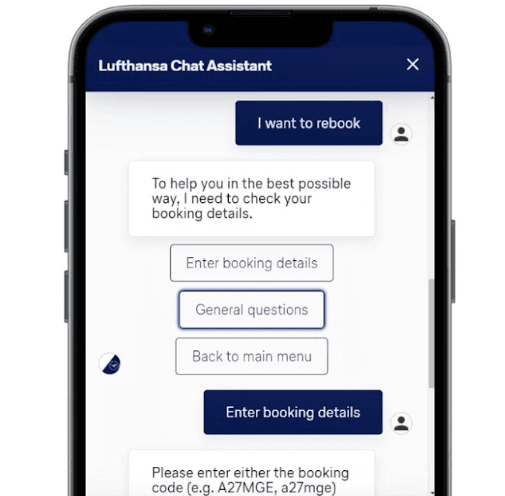
Lufthansa Group implemented AI agents to manage customer interactions across various channels. These agents handle tasks such as flight inquiries, booking assistance, and real-time updates, supporting millions of customer interactions annually.
This integration has streamlined communication, allowing human agents to focus on more complex passenger needs.
Toyota introduced an AI agent that proactively contacts vehicle owners to schedule maintenance appointments.
The agent manages the entire booking process, providing a seamless experience for customers. This approach has led to high client satisfaction by ensuring timely vehicle servicing and reducing manual scheduling efforts.
Energy provider E.ON deployed AI agents to handle customer inquiries related to billing, service issues, and general information.
The AI agents operate on both chat and phone platforms, achieving significant automation in customer interactions. This has enhanced service efficiency and allowed human agents to address more complex customer concerns.
These examples and success stories can help businesses understand how to implement AI customer support agents effectively and create a customer-centric approach that combines speed, accuracy, and empathy.
AI is continuously evolving, and its role in customer support is expanding rapidly.
The future of AI customer support agents is driven by advancements in technology and shifting customer expectations. Here is a look at what’s ahead and how businesses can adapt.
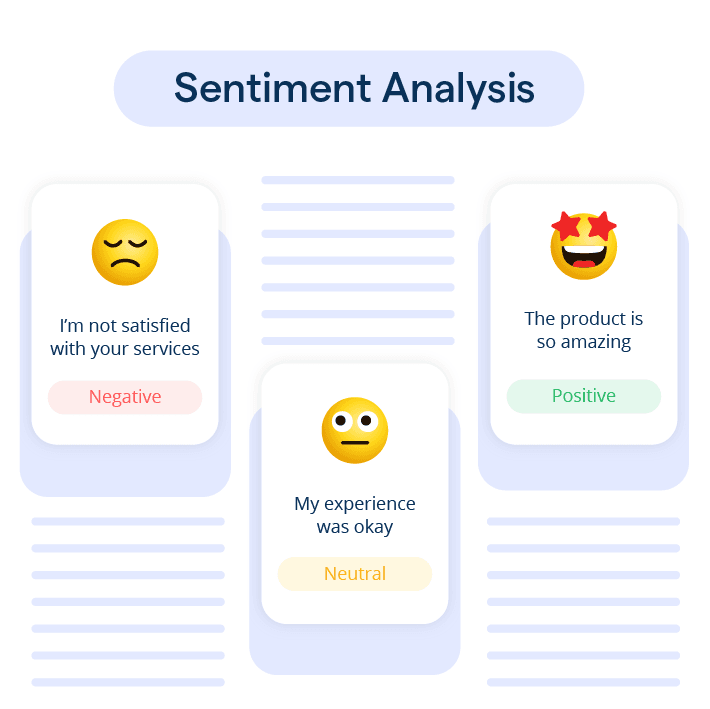
Future AI customer support agents will leverage sentiment analysis to gauge customer emotions during interactions.
By analyzing tone, word choice, and context, AI will respond with greater empathy, creating a more human-like experience.
Voice-enabled AI agents for customer support are becoming more sophisticated.
Virtual assistants like Alexa and Google Assistant are already setting benchmarks, allowing customers to interact through natural, conversational speech. This trend will further enhance accessibility and personalization.
AI systems will anticipate customer needs by analyzing historical data. Instead of waiting for customers to reach out, customer support AI agents will proactively provide solutions, such as notifying users of potential issues or offering recommendations.
The future of AI in customer support looks promising and can help businesses offer proactive, personalized, and empathetic services. This can boost customer satisfaction greatly.

AI is no longer a futuristic concept in customer support—it is a reality shaping the way businesses interact with their customers.
By streamlining processes, improving response times, and offering personalized solutions, AI customer support agents are transforming customer service into a more efficient and scalable system.
However, balancing AI's capabilities with the human touch remains essential to address complex and emotional customer needs.
For businesses ready to explore AI-driven solutions, platforms like BotPenguin provide an accessible gateway.
As a no-code AI chatbot maker, BotPenguin enables businesses to create tailored chatbots that simplify support processes, enhance customer satisfaction, and adapt to evolving needs seamlessly.
An AI customer support agent uses AI technologies like machine learning and natural language processing to interpret queries, analyze intent, and deliver accurate responses, automating repetitive tasks and offering 24/7 support.
You can ensure data security by implementing end-to-end encryption, using transparent AI algorithms, regularly auditing security protocols, and tokenizing data so that only machines can read it.
No, AI enhances efficiency but lacks emotional intelligence for complex scenarios. A hybrid approach, combining AI for repetitive tasks and human agents for nuanced issues, ensures better outcomes.
Key benefits include faster response times, 24/7 availability, cost savings, scalability, improved customer experiences, and actionable insights from analyzing customer interactions.
Businesses should start small, train AI with relevant data, integrate it with existing tools, monitor its performance, and maintain a balance between AI and human support for optimal customer satisfaction.
Subscribe to Our Newsletter
Get the latest business insights straight into your inbox.
Checkout our related blogs you will love.
Updated at Sep 12, 2026
17 min to read
Updated at Sep 30, 2026
18 min to read
Updated at Sep 26, 2026
13 min to read
Updated at Sep 25, 2026
15 min to read
Updated at Sep 25, 2026
13 min to read

Table of Contents