



You might be losing customers without even knowing it.
That’s right. If your Instagram business category is incorrect—or worse, missing—you’re making it harder for people to find you. Your business might be offering the perfect product, but if Instagram doesn’t categorize it correctly, potential customers will never see it.
Choosing the right business category on Instagram uses to classify your account isn’t just a label. It affects how people discover you, what kind of content performs best, and even how Instagram recommends your business.
This guide breaks it all down—how to choose the right Instagram categories, update them, and optimize your profile for better reach and engagement.
What are Instagram Business Categories?
Instagram allows businesses to categorize themselves under Instagram categories to improve discoverability.
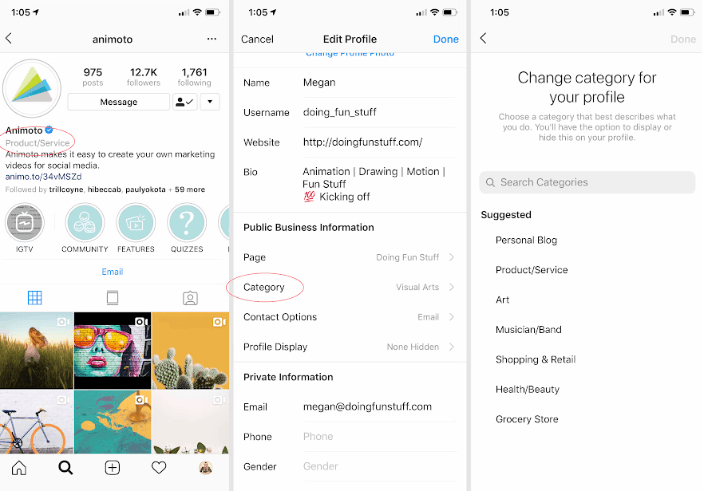
When you switch to a Business Account, a “Category” option appears under Public Business Information. This label appears below your business name, giving visitors an instant idea of what your brand is about.
For example, if you own a bakery but list your category as “Personal Blog,” you’re limiting your reach. Someone searching for a bakery might not find you, and Instagram’s algorithm won’t associate your account with the right audience.
Benefits of Choosing the Right Instagram Businesses Category
Instagram doesn’t just use business category labels for organization—it actively uses them to improve search results and recommendations. When businesses choose the right category, Instagram can connect them with the right audience more effectively.
Here’s why it matters:
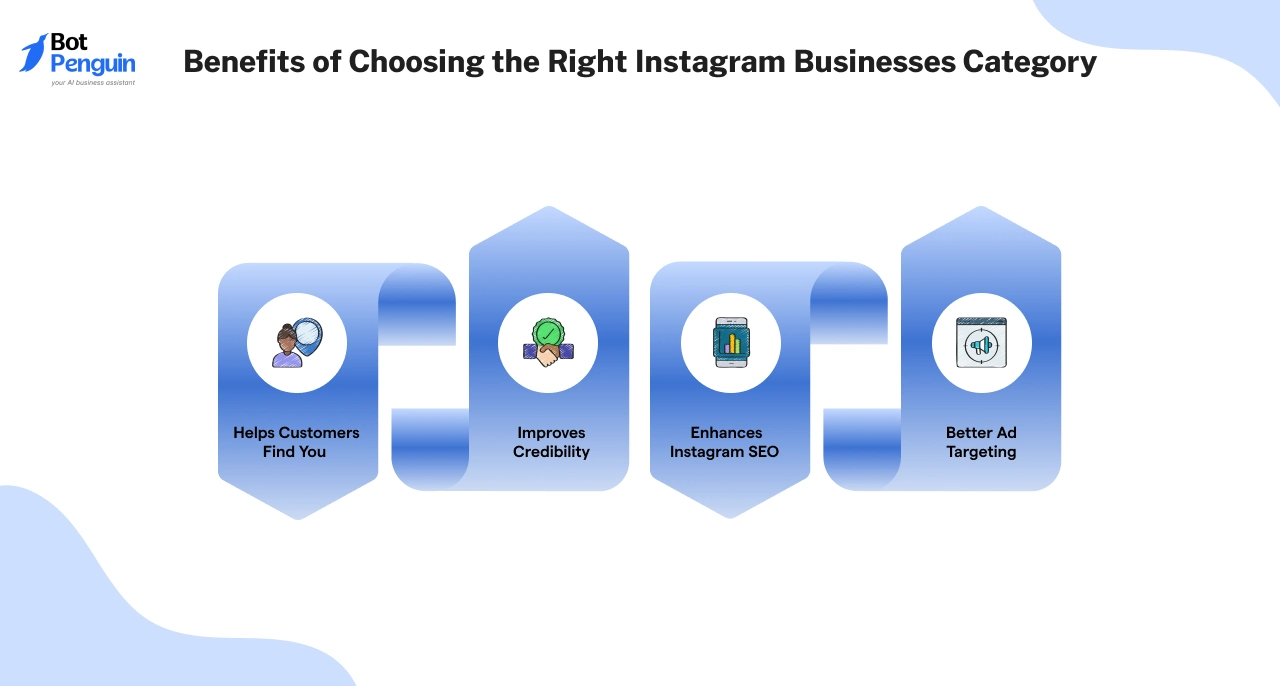
- Helps Customers Find You – If someone searches for a “coffee shop” and you’ve set your category accordingly, Instagram is more likely to display your profile.
- Improves Credibility – A clear category signals professionalism. Imagine visiting a profile labeled “Bakery” versus one without a category—you’d likely trust the first one more.
- Enhances Instagram SEO – The right category boosts your search rankings within Instagram. This means more visibility when people browse similar businesses.
- Better Ad Targeting – When running ads, Instagram considers your category to recommend them to the right users. A restaurant advertising dinner specials will reach food lovers more effectively than if it were listed under an irrelevant category.
If you don’t choose a category or pick the wrong one, you’re making Instagram’s job harder—and your business harder to find.
How to Choose the Right Instagram Business Category
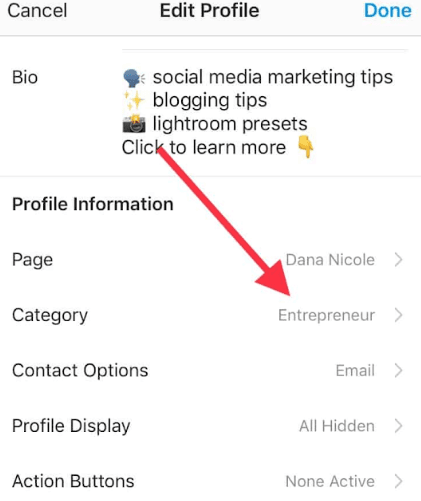
Your Instagram category should match your business and help customers understand what you offer.
And choosing the wrong one can limit your reach, confuse potential customers, and reduce engagement. The right category, however, helps Instagram recommend your profile to the right audience.
Many businesses make the mistake of picking a general category or one that doesn’t fully represent what they do. Here’s how to choose the best fit for your brand.
1. Consider Your Industry and Niche
Your category should reflect what your business actually does. If you run a handmade jewelry store, choosing “Retail” is too broad. “Jewelry/Watches” is more specific and improves searchability.
Look at how your competitors are listed. Search for similar businesses and check what Instagram categories they use. This can give you a better idea of what works in your industry.
2. Think Like Your Customers
Ask yourself: How would a potential customer search for a business like yours? A photographer might be tempted to pick “Artist,” but if clients are searching for “Photographer,” that’s the better option.
Your category should match the words your audience would use. If you offer digital marketing services, choosing “Consulting Agency” instead of “Marketing Agency” might make a difference in who finds you.
3. Competitor Research
Look at similar businesses and see what Instagram categories they use. Search for businesses in your industry and check how they are listed.
For example, if most competitors list themselves under “Digital Creator” instead of “Blogger,” it’s a sign that this category works better for visibility. Researching competitors helps you avoid choosing a category that limits your reach.
4. Keep It Flexible
You’re not locked into one category forever. If your business evolves, update your category to match. A bakery that starts selling wedding cakes might need to switch from “Bakery” to “Wedding Service.”
Review your Instagram business category every few months. If your engagement isn’t growing or customers aren’t finding you, a category adjustment might help.
Step-by-Step Guide to Updating Your Instagram Business Category
If your category isn’t working for you, it’s time for a change. Updating your categories for Instagram business is simple and can improve visibility.
Step 1
Open Instagram and Go to Your Profile
- Tap your profile picture in the bottom right corner.
- Click “Edit Profile.”
Step 2
Navigate to Public Business Information
- Scroll down to the “Public Business Information” section.
- Tap on “Category.”
Step 3
Search for the Right Category
- Use the search bar to find a relevant category.
- If unsure, start with a broad term like “Retail” and check the suggested options.
- Pick the category that best represents your business.
Step 4
Choosing from Suggested vs. Search-Based Categories
- Suggested Categories: Instagram provides automatic recommendations based on popular selections in your industry. These are useful if you want to pick a widely recognized business category Instagram suggests.
- Search-Based Categories: If none of the suggested options fit, manually type keywords into the search bar. This method helps you find more specific categories that might not appear in the default suggestions.
For example, if you own a pet grooming service, Instagram might suggest “Pet Store.” However, searching for “Grooming” may reveal a better fit like “Pet Groomer.” Always choose the category that best describes your actual services
Step 5
Save Your Changes
- Once selected, tap “Done” to update your Instagram business categories.
- Refresh your profile to see the new category displayed below your business name.
List of Different Categories of Instagram Business Accounts (Alphabetized)
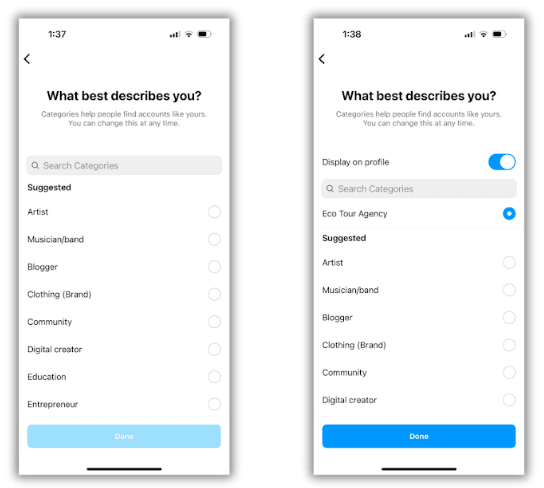
Instagram offers a variety of categories tailored to different industries, allowing businesses to define themselves more clearly.
This list below provides an organized breakdown of Instagram categories, making it easier to find the best fit for your brand. If you’re unsure which business category Instagram supports, check out this alphabetized selection and choose the one that aligns with your niche.
(Note: Instagram offers hundreds of business categories. Below are some commonly used ones. If you don’t find the perfect match, try searching related keywords inside Instagram’s category settings)
A
- Academic Camp
- Accessories
- Accountant
- Actor
- Acupuncturist
- Advertising Agency
- Advertising/Marketing
- Aerospace Company
- African Restaurant
- Agricultural Cooperative
- Agriculture
- Airline Company
- Album
- Allergist
- Alternative & Holistic Health Service
- Amateur Sports Team
- Antique Store
- Apartment & Condo Building
- App Page
- Apparel Distributor
- Appliance Repair Service
- Aquarium
- Architectural Designer
- Argentinian Restaurant
- Aromatherapy Service
- Art
- Artist
- Arts & Entertainment
- Asian Fusion Restaurant
- Astrologist & Psychic
- Athlete
- Audiologist
- Auditorium
- Australian Restaurant
- Automotive Repair Shop
- Aviation School
- Awning Supplier
B
- Baby & Children’s Clothing Store
- Baby Goods/Kids Goods
- Bags & Luggage Store
- Bail Bondsmen
- Bakery
- Band
- Bank
- Bar
- Bar & Grill
- Barbecue Restaurant
- Barber Shop
- Bartending Service
- Beach Resort
- Beauty Salon
- Beauty, Cosmetic & Personal Care
- Beer Bar
- Biotechnology Company
- Blogger
- Board Game
- Boat / Sailing Instructor
- Bookstore
- Botanical Garden
- Brand Agency
- Buffet Restaurant
- Business Center
- Business Service
- Butcher Shop
C
- Cabin Rental
- Cafe
- Camera Store
- Canadian Restaurant
- Candy Store
- Canoe & Kayak Rental
- Car Dealership
- Casino
- Chicken Joint
- Child Care Service
- Chimney Sweeper
- Chinese Restaurant
- Chiropractor
- Chocolate Shop
- Christian Church
- City Infrastructure
- Cleaning Service
- Clothing (Brand)
- Coffee Shop
- Collectibles Store
- College & University
- Colombian Restaurant
- Comedian
- Comedy Club
- Community Organization
- Company
- Concert Tour
- Construction Company
- Consulting Agency
- Cosmetic Dentist
- Credit Union
D
- Dairy Farm
- Dance & Night Club
- Dance School
- Dating Service
- Day Care
- Dentist
- Dessert Shop
- Discount Store
- Doctor
- Driving School
- Dry Cleaner
E
- E-Commerce Website
- Education
- Engineering Service
- Entertainment Website
- Environmental Consultant
- Escape Game Room
- Event Planner
- Event Videographer
- Exotic Car Rental
F
- Fabric Store
- Family Doctor
- Family Medicine Practice
- Fashion Designer
- Fast Food Restaurant
- Finance Company
- Financial Consultant
- Florist
- Food & Beverage
- Footwear Store
G
- Gamer
- Garden Center
- Gas Station
- Gift Shop
- Graphic Designer
- Grocery Store
H
- Hair Salon
- Hardware Store
- Health & Wellness Website
- Health Food Restaurant
- Hotel & Lodging
I
- Ice Cream Shop
- Indian Restaurant
- Industrial Company
- Internet Marketing Service
- Investment Bank
J
- Japanese Restaurant
- Jewelry/Watches
K
- Karaoke
- Kitchen & Bath Contractor
- Korean Restaurant
L
- Landscape Company
- Language School
- Lawyer & Law Firm
- Library
- Local Business
M
- Magazine
- Makeup Artist
- Marketing Agency
- Media Company
- Medical Center
- Mediterranean Restaurant
N
- Nail Salon
- National Park
- Newspaper
- Nonprofit Organization
O
- Occupational Therapist
- Optometrist
- Organic Grocery Store
P
- Painter
- Personal Blog
- Pet Store
- Photographer
- Physical Therapist
- Pizza Place
- Public Figure
- Publishing Company
Q
- Quay
R
- Race Track
- Real Estate Company
- Recycling Center
- Restaurant
- Retail Bank
S
- School
- Shopping & Retail
- Sightseeing Tour Agency
- Software Company
- Spa
- Sports League
- Supermarket
T
- Talent Agency
- Tattoo & Piercing Shop
- Tech Company
- Thai Restaurant
- Theme Park
U
- University
- Urban Farm
V
- Vacation Home Rental
- Veterinarian
- Vintage Store
W
- Wedding Planning Service
- Winery/Vineyard
- Women’s Clothing Store
X, Y, Z
- Yoga Studio
- Zoo
Suggested Reading:
Stay Ahead with 10 Must-Have Instagram Marketing Tools
Best Instagram Business Categories According to Industry
If your business falls under a specific industry, then you can use this guide to select the best business category Instagram offers for your industry.
1. Retail & E-commerce
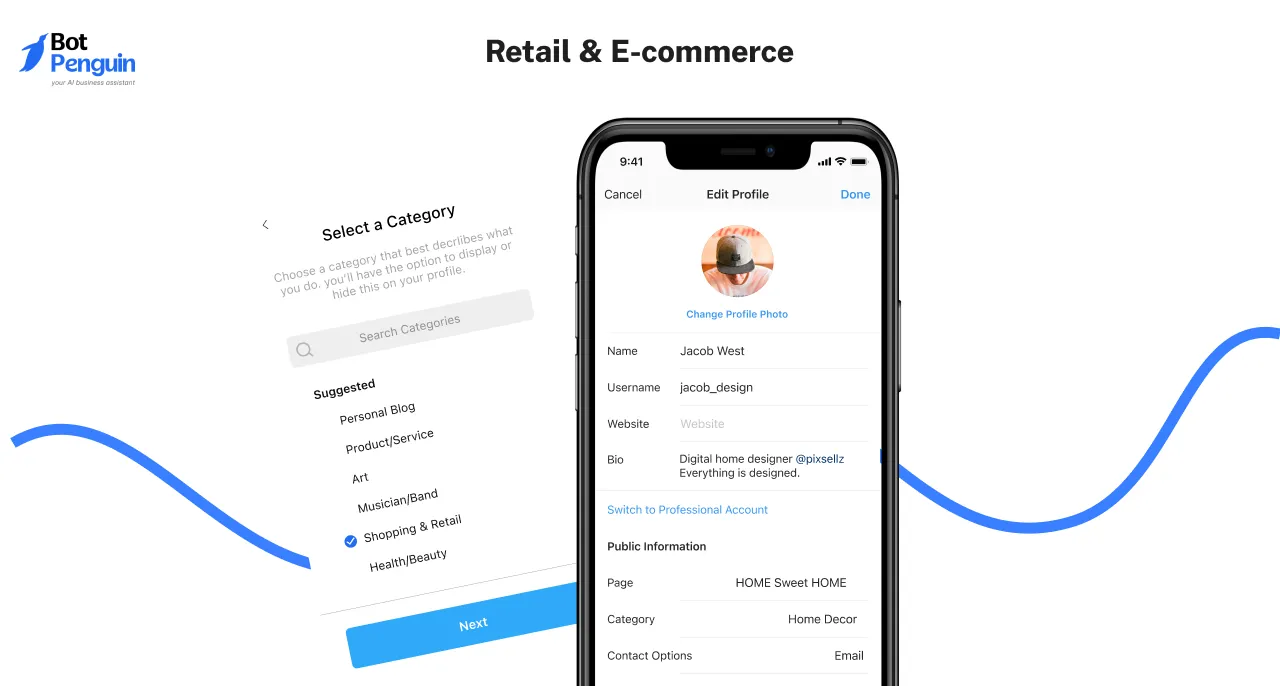
Best Category:
- Clothing Store
- Jewelry & Watches
- Electronics Store
- Home Decor
- Shopping & Retail
Why?
Retail businesses rely on Instagram for visual marketing. Choosing a relevant category helps Instagram identify your store as a shopping destination, making it easier to appear in search results and shopping-related recommendations.
Example:
A small boutique selling handmade furniture should choose "Home Decor" rather than "Retail" to attract customers looking for interior design products.
2. Food & Beverage
Best Category:
- Bakery
- Coffee Shop
- Bar & Grill
- Restaurant
- Wine Bar
Why?
Instagram is a go-to platform for food lovers. Having a specific category improves discoverability in local searches, making it easier for foodies to find your business.
Example:
A specialty coffee shop should select "Coffee Shop" instead of "Restaurant" to appear in coffee-related searches and recommendations.
3. Health & Wellness
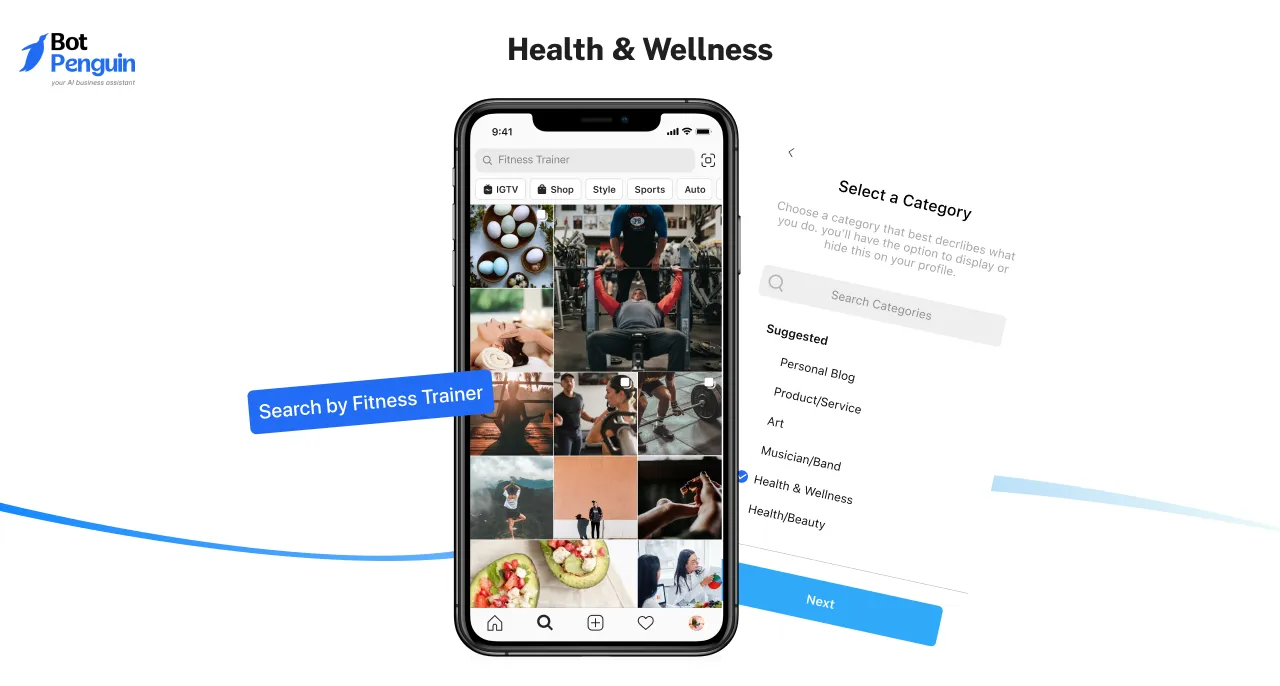
Best Category:
- Fitness Trainer
- Nutritionist
- Yoga Studio
- Mental Health Service
- Spa
Why?
People looking for health services trust businesses with clear and professional categories. This improves credibility and makes it easier for potential clients to find you.
Example:
A personal trainer should use "Fitness Trainer" instead of "Public Figure" to attract people searching for workout coaching services.
4. Professional Services
Best Category:
- Accountant
- Lawyer
- Marketing Consultant
- Business Service
- Financial Planner
Why?
Professional services need to establish trust and authority. A well-defined category ensures that your business appears in searches for specific services.
Example:
A tax consultant should choose "Accountant" instead of "Consultant" to attract clients looking for financial assistance.
5. Creatives & Influencers
Best Category:
- Blogger
- Artist
- Photographer
- Musician
- Public Figure
Why?
For influencers and creatives, an accurate category helps potential followers and brands understand your niche. It also improves your chances of being discovered for partnerships.
Example:
A travel vlogger should use "Blogger" rather than "Personal Blog" to appear in brand collaborations and travel-related searches.
6. Technology & Online Businesses
Best Category:
- Software Company
- Internet Marketing Service
- E-commerce Website
- Web Designer
- IT Consultant
Why?
Tech and online businesses need precise categorization to stand out in a competitive digital space. The right category helps in search results and ad targeting.
Example:
A web design agency should select "Web Designer" instead of "Marketing Consultant" to attract businesses looking for website development.
Once your category is set, think beyond labels and look at the full journey. If someone taps through from your Instagram profile to your website or product, the experience should feel seamless, same brand story, same visual language, just a deeper level of detail.
Superside's analyses of global brands show that this kind of end-to-end brand consistency across social, web and product experience is a common pattern behind the strongest-performing digital brands.
Suggested Reading:
15 Instagram Tools to Drive 3x More Instagram Engagement
Mistakes to Avoid When Choosing an Instagram Business Category
Choosing the wrong Instagram business category can limit your visibility and confuse potential customers.
Many businesses make simple but costly mistakes when selecting their category, affecting search rankings and engagement. Avoid these common pitfalls to ensure your profile reaches the right audience.
Selecting a Vague or Irrelevant Category
A broad or unclear category makes it harder for Instagram to recommend your business to the right people.
A bakery, for instance, should not choose "Food & Beverage" when "Bakery" is available. The more specific the business category Instagram provides, the better your chances of appearing in relevant searches.
Not Updating Categories as Business Evolves
As businesses grow, their offerings often change. If a personal trainer expands into selling digital workout plans, sticking with "Fitness Trainer" alone might limit their reach.
Updating to "E-Commerce Website" ensures they appear in searches related to online fitness programs. Regularly reviewing categories for Instagram business can help keep your profile aligned with your current services.
Overlooking Keyword Relevance in Category Selection
Instagram’s search algorithm relies on category keywords. A jewelry brand selecting "Retail" instead of "Jewelry & Watches" risks missing out on potential customers searching specifically for jewelry.
Choosing a category that naturally contains the right keywords improves visibility.
Choosing a Misleading Category for Engagement Purposes
Some businesses pick categories based on what they think will attract more followers rather than accurately representing their brand.
A law firm selecting "Public Figure" might see higher engagement, but this audience is unlikely to convert into real clients. Sticking to the correct Instagram categories ensures you reach people who are genuinely interested in your services.
Ignoring Instagram’s Suggestions – Always Explore Different Keywords
When selecting a business category Instagram supports, Instagram provides suggestions based on your initial input. A tech startup searching for "IT" might only see "IT Services," but typing "Software" could reveal "Software Company," which is a more accurate fit.
Trying different keywords before finalizing your category ensures better placement in relevant searches.
Optimizing Your Instagram Business Profile According to Category
Once you’ve chosen the right Instagram business categories, optimizing your profile ensures better visibility, engagement, and conversion.
A well-structured profile tells Instagram’s algorithm—and your audience—exactly what your business offers.
Align Category with Bio
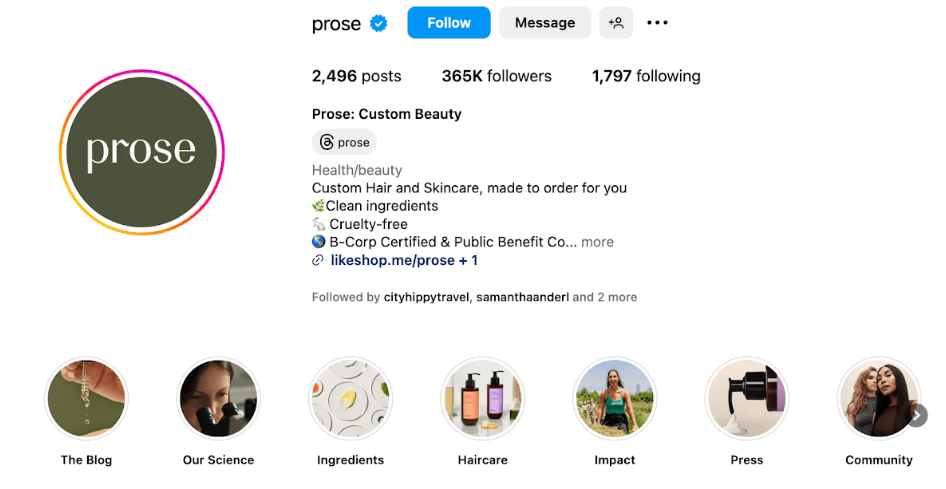
Your bio should clearly reflect your Instagram business category selection.
If you're a Graphic Designer, your bio should mention design services, such as "Helping brands with logos, web design, and branding." A category mismatch can confuse visitors and reduce engagement.
Use Relevant Hashtags
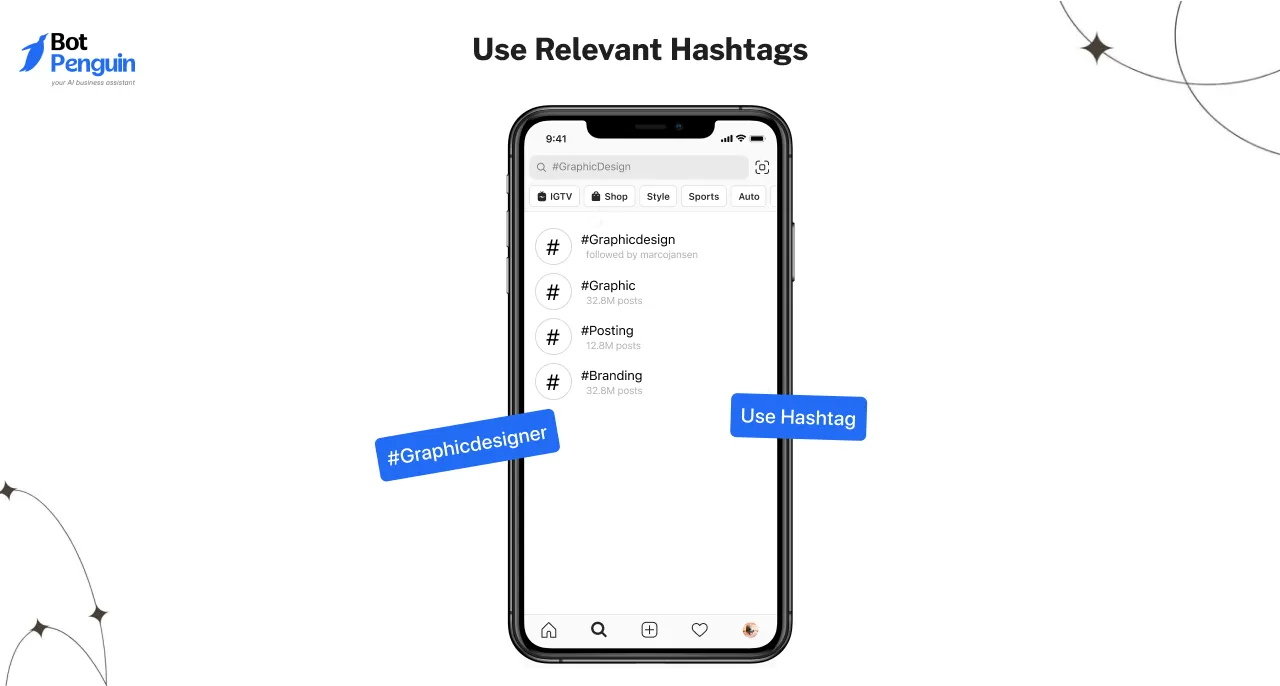
Hashtags reinforce your category and improve discoverability.
A Graphic Designer should include hashtags like #GraphicDesign, #Branding, and #DesignStudio. This helps Instagram categorize your profile correctly and connects you with the right audience.
Leverage the Right Category for Ads and Promotions
Category selection affects Instagram’s ad targeting. A digital marketing agency selecting "Consulting Agency" instead of "Marketing Consultant" may struggle to reach the right audience.
Instagram recommends ads based on business categories, so choosing the most relevant one helps ensure that your promotions reach potential customers.
Use Insights to Track Performance
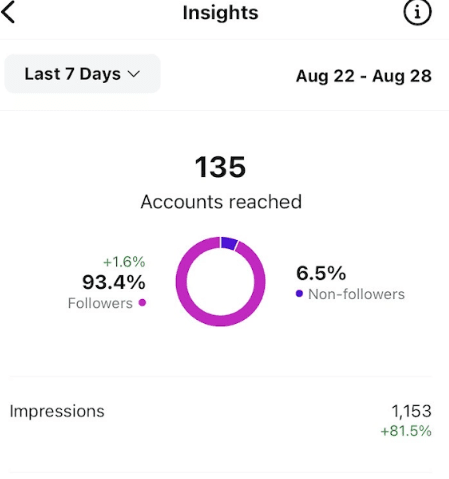
Instagram Insights provides data on reach and engagement, which can help determine if your category is working. A brand noticing a drop in engagement might consider testing a different business category Instagram offers to see if it improves visibility.
Regularly analyzing performance metrics ensures that your category choice aligns with customer searches.
Convert DMs Into Sales Funnel Using Instagram Chatbot
Get Started FREE
Get Started FREE
Conclusion
Ultimately, everything covered in this guide points to one thing—your Instagram business category matters more than you think. It influences how people discover you, how Instagram ranks your content, and even how well your ads perform.
By now, you’ve seen how different Instagram categories apply to specific industries, what mistakes to avoid, and how to optimize your profile for maximum impact.
So don’t treat it as a checkbox. Review your current business category Instagram offers, make sure it aligns with your brand, and adjust it as your business grows. It’s a small change with big results.
Frequently Asked Questions (FAQs)
Can I use categories in a Personal Instagram Profile?
No, categories are only available on Business and Creator accounts. Personal profiles do not show or support category labels under the profile name.
Can I have more than one Instagram business category?
Instagram allows you to select only one primary category per business profile. You cannot add multiple categories, but you can switch it anytime as your business evolves.
Do Instagram business categories affect search visibility?
Yes, your category influences Instagram’s algorithm. It helps determine where your profile appears in search results, recommendations, and ad placements, making it critical for discoverability.
How often can I change my Instagram business category?
You can change your Instagram business category as often as needed. There are no limits, so feel free to update it whenever your business focus shifts.
What if my business doesn't fit into one category?
Choose the closest available category that reflects your core offering. If needed, modify your bio and content to further explain your services and reach the right audience.
Do categories influence Instagram ads?
Yes, your category can impact ad targeting. It helps Instagram understand your business, which in turn improves ad reach and relevance for potential customers.
Is there a list of all categories of Instagram business accounts?
Instagram doesn’t show a complete public list. However, when editing your profile, you can search using relevant keywords to explore available Instagram categories.
Can I hide my Instagram business category?
Yes, you can choose to display or hide your category in your profile settings. This gives you flexibility depending on how you want your profile to appear to visitors.




.webp)
