


How to Add a WhatsApp Link to Your Instagram Profile
Updated at Oct 8, 2026
14 min to read
Your WhatsApp chats can quietly break the law.
Let’s think about it. WhatsApp is all about quick replies, easy conversations, and instant access. But behind every message is user data. Names, numbers, preferences, even sensitive details.
Most businesses don’t track consent. Many store chats without clear safeguards. Some even use personal accounts for business communication.
That’s where the risk begins.
This guide explains business WhatsApp compliance in simple terms. You’ll understand how GDPR applies, what risks to avoid, and how to use WhatsApp without putting your business in danger.
WhatsApp business compliance refers to the set of legal, data protection, and platform-specific rules businesses must follow when using WhatsApp to communicate with customers.
This includes complying with regulations like GDPR, following WhatsApp’s business policies, and putting controls in place for consent, access, and data usage.
Imagine you’re a business operating on WhatsApp. If you send so little as a “Hi” without consent, you've already triggered a GDPR violation.
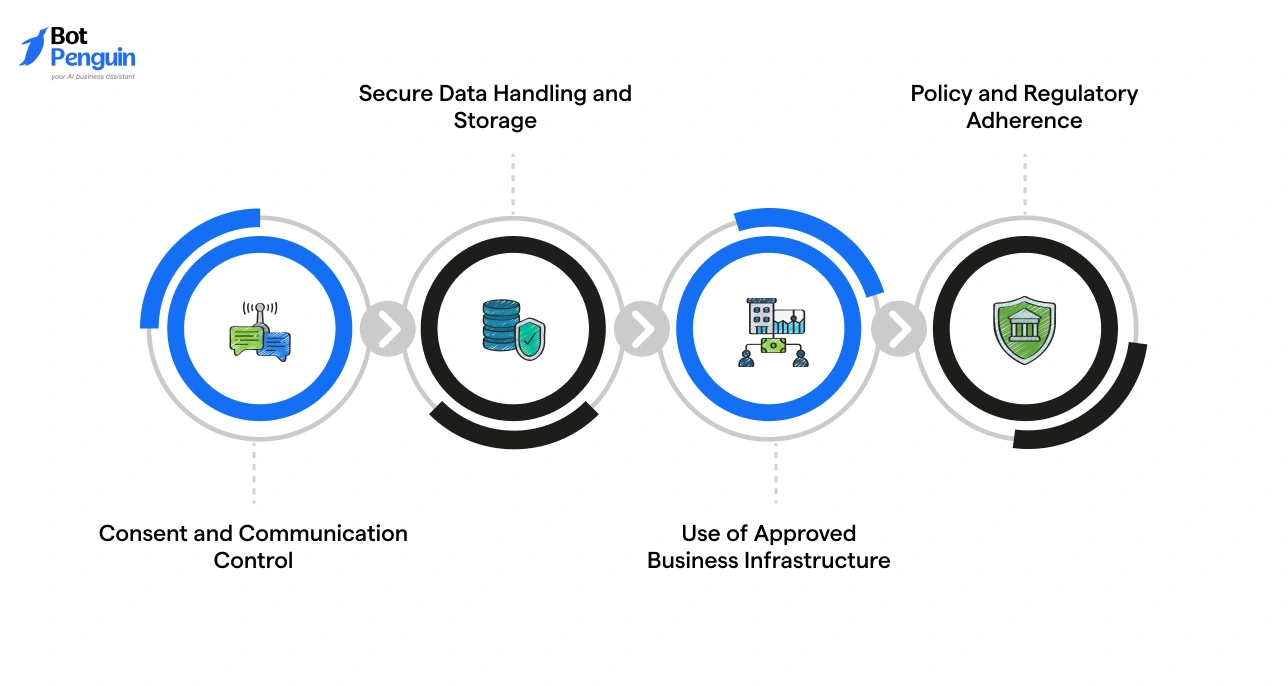
For businesses, WhatsApp compliance broadly includes:
In simple terms, compliance ensures that customer data is collected, processed, stored, and shared in a lawful, transparent, and secure way.
This is exactly where GDPR-compliant chatbot platforms like BotPenguin help.
BotPenguin is built on the official WhatsApp Business API and is fully GDPR compliant - meaning your conversations, consent flows, and customer data are handled within a structured, audit-ready setup from day one.
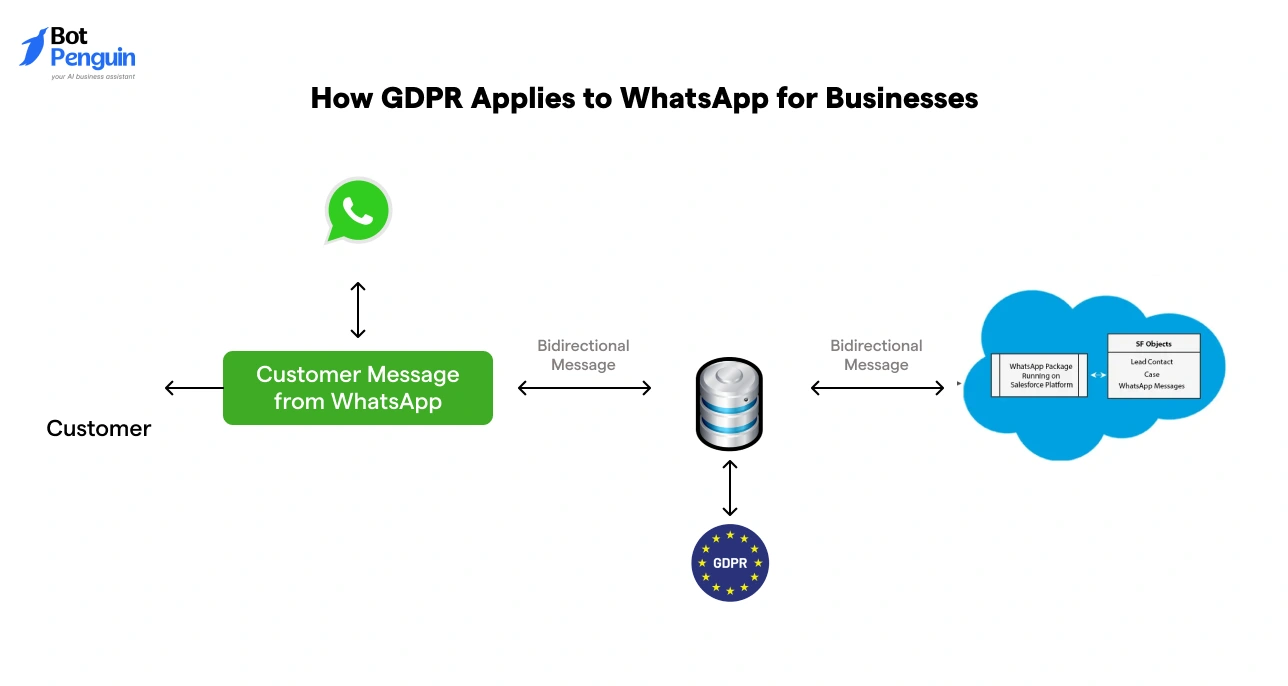
The General Data Protection Regulation (GDPR) is the EU’s strict rulebook for how businesses gather and use personal data.
The law applies to WhatsApp the moment you handle personal data. If your business communicates with EU users, compliance is not optional.
Since its inception, GDPR regulators have issued over €2.7 billion in fines across 1,500+ cases (Source: Advisense), and WhatsApp data mishandling is increasingly at the center of it.
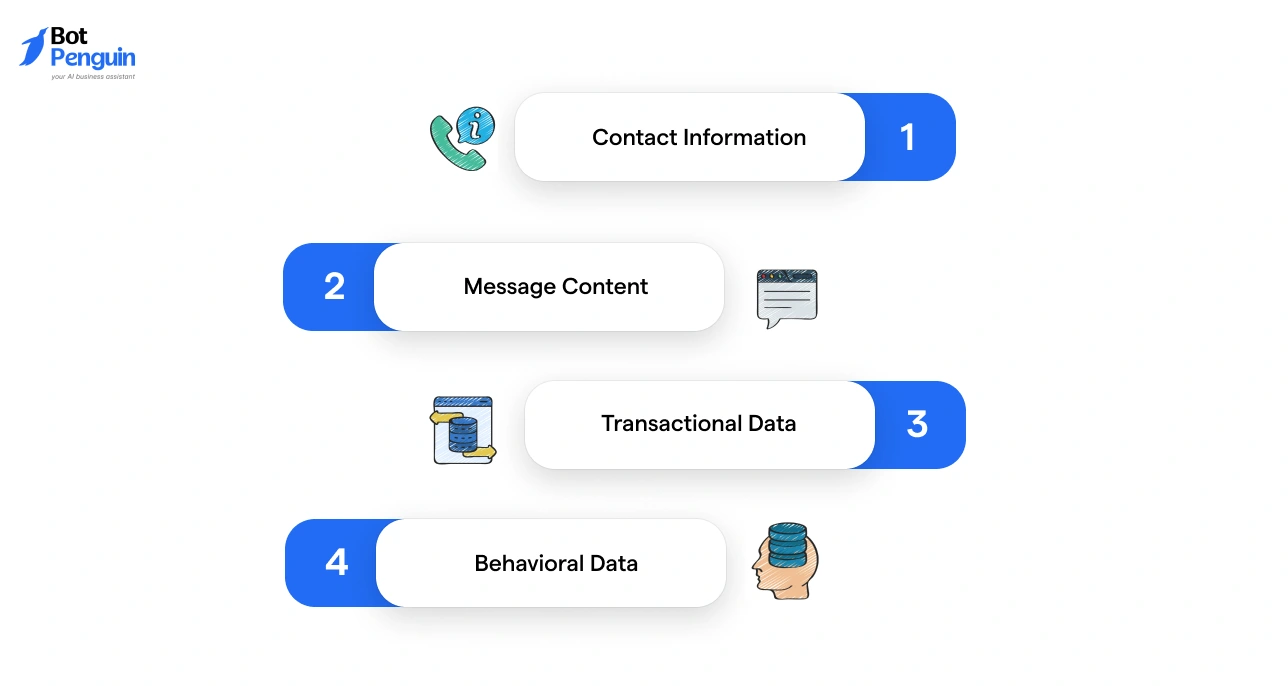
Before we have a deeper look into the workings of GDPR, it’s worthwhile to understand the different kinds of data that organizations collect from their customers:
Besides this, there’s also metadata like timestamps, device info, and IP addresses, quietly collected in the background and fully within GDPR scope.
Unlike common belief, GDPR doesn’t just apply when things go wrong. It enters the picture the moment you contact a customer.
Here's a practical breakdown of when your WhatsApp usage triggers compliance obligations:
One Pattern Stands Out Here: Almost every customer-facing use of WhatsApp triggers GDPR. The only safe zone is purely internal communication with zero client data involved, and even that boundary blurs quickly in practice.
Knowing the risks is one thing. Acting on them is another.
The table below showcases a practical, actionable framework to bring your company’s WhatsApp in compliance with GDPR - without overhauling your entire operation.
Each of these steps has been explained in detail below:
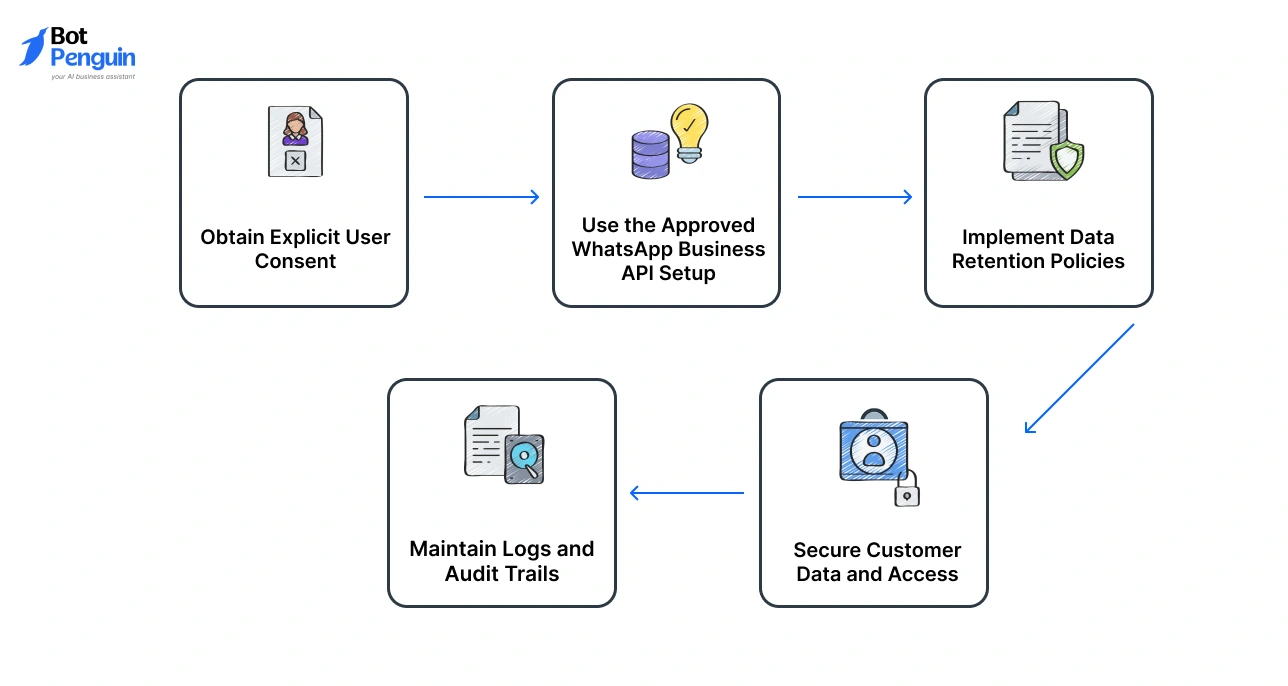
Start with clear permission. Users must actively agree to receive messages. Avoid pre-checked boxes or implied consent.
Always keep a record of when and how consent was given.
For instance, a pre-checked box on a signup form saying “I agree to receive updates” doesn’t cut it. The user must actively tick it, knowing it’s specifically for WhatsApp messages from your business.
Use official WhatsApp Business or API infrastructure instead of personal accounts.
This ensures better control, structured communication, and alignment with platform policies.
Example: Regulated industries, including healthcare and finance businesses, specifically should never use personal WhatsApp to share sensitive data. WhatsApp’s Business Policy explicitly prohibits it and violations risk immediate account suspension.
Define how long you store chat data. Do not keep conversations indefinitely. Set rules for deletion and ensure outdated data is removed on time.
Limit who can access conversations. Use role-based permissions and secure devices.
Avoid sharing chats across unsecured platforms or personal systems.
*This includes forwarding customer conversations to personal email, saving chat exports to unmanaged drives, or sharing screenshots in internal group chats.
Keep records of interactions and actions taken on conversations. Logs help track access, support audits, and demonstrate accountability when required.
If you get these five steps right, you won’t just avoid penalties. You’ll build a setup that's auditable, trustworthy, and ready to scale.
If GDPR compliance on WhatsApp feels complicated, that’s partly because most businesses are using the wrong version of it.
The WhatsApp Business API is where compliance actually becomes achievable.
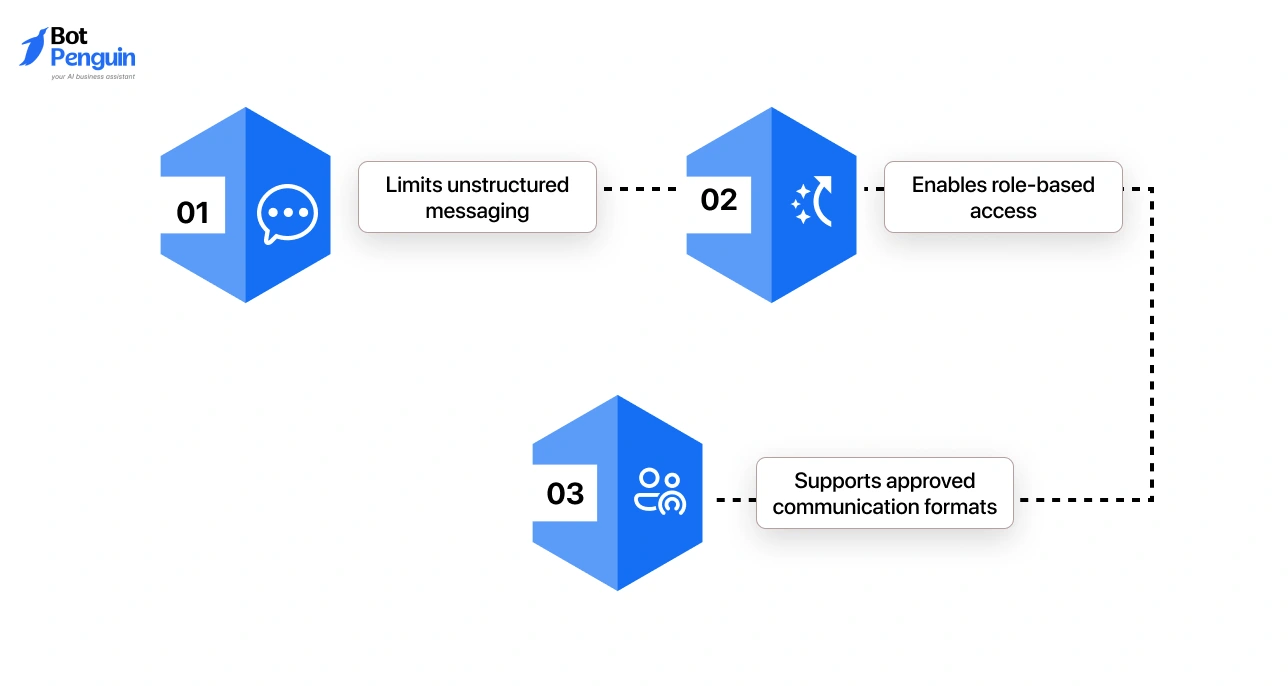
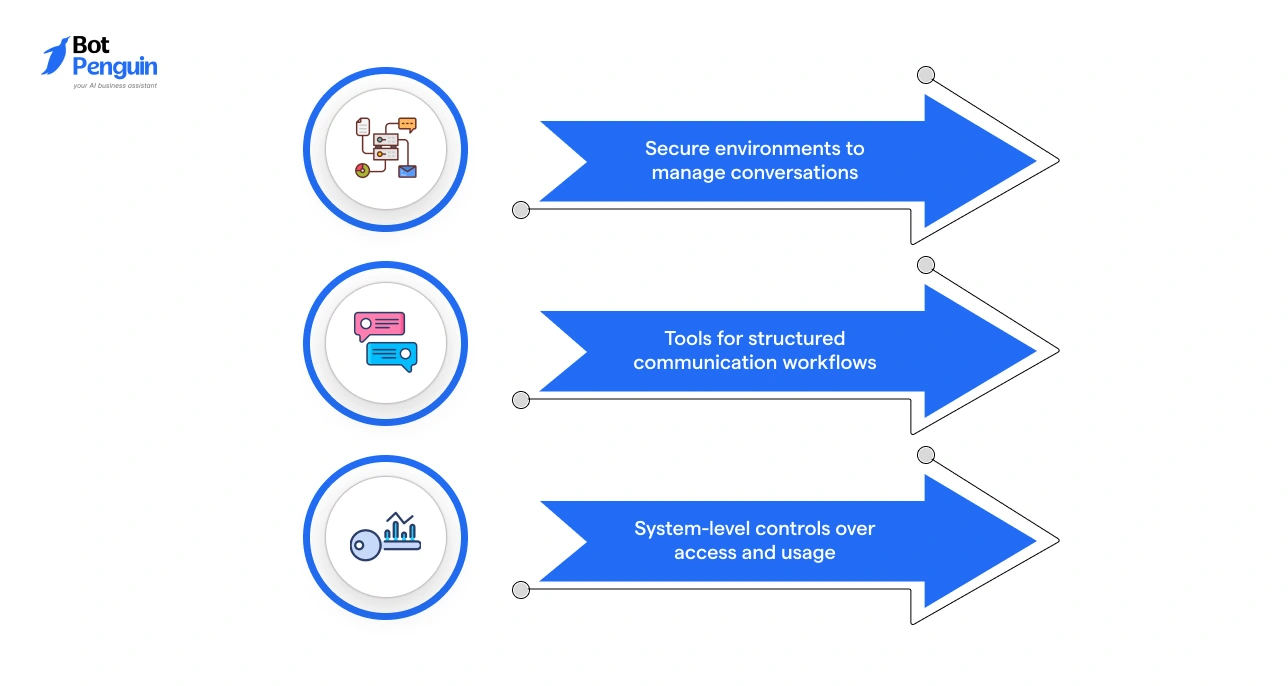
The WhatsApp Business API is built for structured, controlled communication.
Unlike personal or basic business apps, it allows businesses to manage conversations through centralized systems with defined access and oversight.
Here’s how it reduces compliance risks:
This makes it easier to align with GDPR expectations around accountability and data control.
Most businesses access the API through official Business Solution Providers (BSPs), who handle setup, infrastructure, and integration.
They support compliance by providing:
However, the responsibility for compliance still lies with the business - not the provider.
One of the biggest advantages of the API is visibility. Unlike personal messaging, it allows businesses to track and monitor communication activity.
This includes:
These capabilities make it easier to demonstrate accountability during audits and regulatory checks.
Businesses handle more than just messages.
Core data includes phone numbers, names, chat history, transaction details, and sometimes sensitive information.
To keep data protected, follow these basic steps:
Limit access to only those who need it. Use role-based permissions and avoid shared logins.
While WhatsApp encrypts messages in transit, businesses must ensure data remains protected after it is received, stored, or shared internally.
While talking about compliance obligations, it’s just as important to ask a more basic question: Is WhatsApp even safe for business communication?
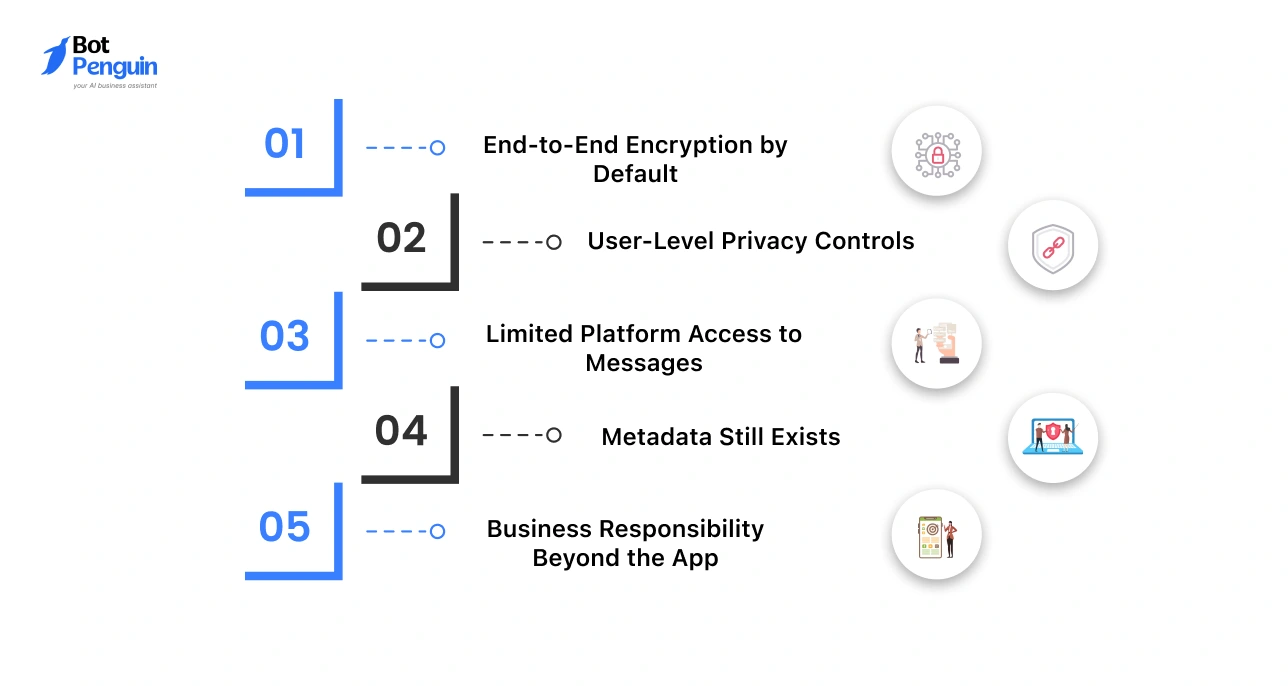
WhatsApp is built with strong privacy features, but these protections apply mainly to the platform, not automatically to how businesses use it.
Yes, but only to a certain extent. WhatsApp is secure for communication in transit, meaning messages are protected while being sent.
However, business use introduces additional layers, such as multiple users, devices, data storage, and workflows. Without proper controls, these can expose customer data.
The Bottom Line: WhatsApp is secure by design, but not always secure in practice.
End-to-end encryption ensures that only the sender and receiver can read messages. Not even WhatsApp can access the content.
The table below breaks down what end-to-end encryption actually protects, and where it stops:
Encryption keeps messages safe while they’re being sent, but not everything that happens after.
Using WhatsApp for business feels natural until something goes wrong. Here's where the real vulnerabilities lie:
These aren’t hypothetical risks. WhatsApp was fined €225 million for a series of GDPR cross-border data protection infringements, and that was the platform itself. (Source: CSO Online)
For businesses using it without proper controls, the exposure is far more direct.
Before diving in, it’s important to separate security risks from compliance risks.
Security risks focus on how data gets exposed (like leaks or unauthorized access). Compliance risks, on the other hand, focus on how your business collects, uses, and manages that data.
Remember: You can have strong security and still be non-compliant.
Here’s a breakdown of the notable compliance risks that companies must consider:
Therefore, compliance is less about tools and more about process. If your workflows don’t align with regulations, risk builds up quickly.
While compliance keeps you out of trouble, privacy best practices keep you trusted.
Let’s look at what responsible WhatsApp business communication means in practice:
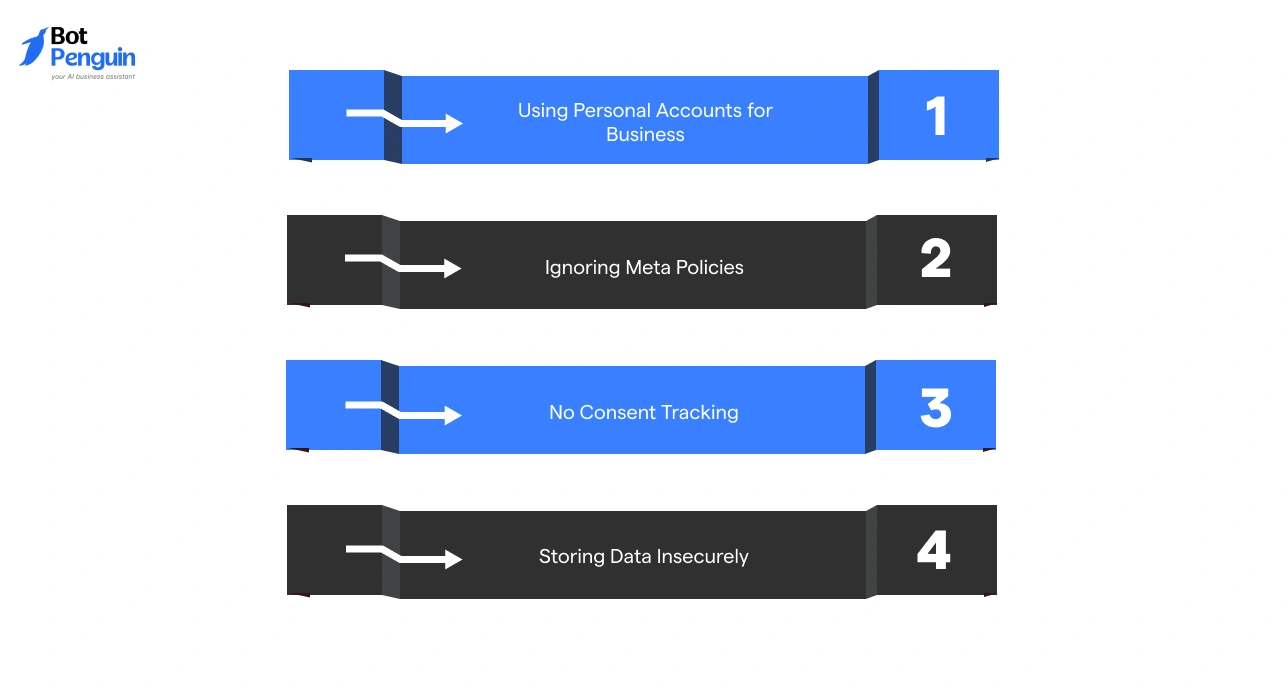
Most businesses fail WhatsApp compliance because of simple, avoidable habits that built up over time.
Here are the four most common ones, and how to fix them fast:
Most of these mistakes start as a convenience. A personal account because it was quicker. No consent tracking because it felt unnecessary. Thus, what needs to change isn’t the tool, but the habit.
And if you need the right tool to build that habit? BotPenguin gives you a GDPR-compliant WhatsApp setup built on the official API - with approved templates, structured consent flows, role-based access, and secure data handling built in.
WhatsApp is easy to use, but GDPR compliance is not automatic. If you handle customer data, legal responsibility comes with it.
Most issues don’t come from WhatsApp itself. They come from how businesses collect, store, and use data without proper consent or control.
The good news is that this is manageable. With the right setup, clear policies, and disciplined processes, WhatsApp can align with GDPR requirements.
Focus on the basics. Get explicit consent. Limit access. Store data securely. Follow the platform and legal rules.
Do this right, and you don’t just avoid penalties. You build trust with every interaction.
WhatsApp itself offers security features, but GDPR compliance depends on how businesses use it. You must manage consent, data handling, storage, and user rights properly.
Yes, businesses can use WhatsApp under GDPR if they obtain explicit user consent, follow data protection rules, and ensure secure handling of customer information.
Businesses may collect phone numbers, names, chat content, transaction details, and metadata like timestamps and device information, all of which fall under the GDPR data protection scope.
WhatsApp is secure in transit with end-to-end encryption, but risks arise when businesses store, access, or share chat data without proper controls and safeguards.
To ensure compliance, collect explicit consent, use official WhatsApp Business API, secure data storage, control access, maintain logs, and follow proper data retention policies.
Non-compliance can lead to fines, legal action, account restrictions, data breaches, and loss of customer trust due to improper consent, storage, or data handling practices.
Yes, WhatsApp Business API offers structured communication, access controls, audit logs, and integration capabilities, making it easier for businesses to align with GDPR requirements.
Stay Compliant While Using WhatsApp for Business
Manage customer conversations without risking data privacy or GDPR violations. Control access, track consent, and handle data securely with the right setup.
Get Started NowCheckout our related blogs you will love.
Updated at Oct 8, 2026
14 min to read
Updated at Oct 7, 2026
12 min to read
Updated at Oct 6, 2026
13 min to read
Updated at Oct 6, 2026
10 min to read
Updated at Oct 5, 2026
11 min to read
Updated at Oct 1, 2026
9 min to read
Table of Contents