How to Create a Facebook Chatbot (No-Code): A Step-by-Step Guide for 2026
Updated at Oct 13, 2026
11 min to read
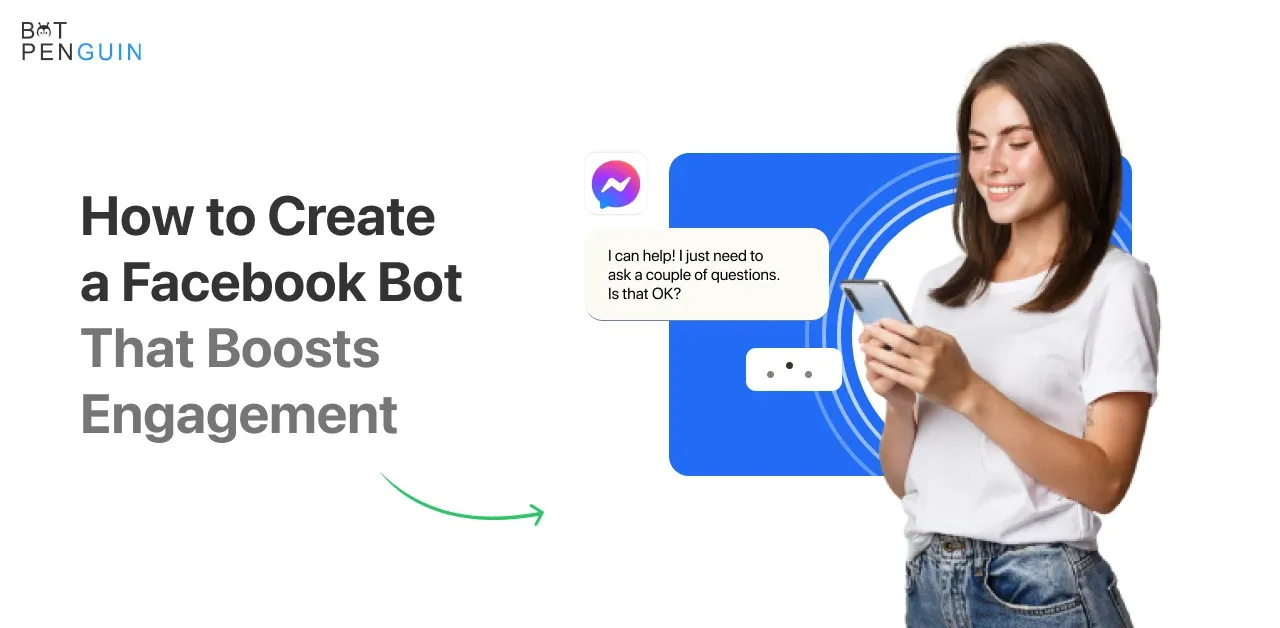
Facebook chatbot lead generation for healthcare helps turn Facebook messages into clear patient journeys. It collects basic non-medical details, identifies their service interest, and guides them to the right staff member or booking option. Medical decisions always stay with qualified healthcare professionals.
In the era of social media, many patients seek answers online. They may search for a nearby practice, ask about a treatment, or simply look for reassurance before making a decision.
Often, they expect a clear answer while their interest is still fresh, and a slow response can mean losing them to a practice that replies first.
For healthcare providers, that makes platforms like Facebook a starting point for real patient journeys. A Facebook chatbot steps in right there, answering approved questions and guiding people toward booking, all while their interest is still active.
In this guide, you'll learn how Facebook chatbot lead generation for healthcare works, the setup steps, compliance considerations, and what to expect in terms of results.
Facebook chatbot lead generation for healthcare uses Messenger workflows to connect with potential patients, understand their service needs, and answer common questions.
It can then guide qualified leads to secure, compliant booking channels while keeping the qualification process non-clinical.
Patient use of AI tools for medical information nearly doubled in two years, rising from 17% to 29% in 2026 as costs and access gaps push patients toward automated help.
These core mechanics help healthcare teams capture, qualify, and route Facebook leads without crossing clinical boundaries.
Zero-PHI Initial Qualification: Collects non-sensitive details such as preferred clinic location, general service interest, and accepted insurance providers in Messenger while keeping medical information out
Secure Off-Platform Handoff: Uses secure links or encrypted connections to move interested leads into a HIPAA-compliant EHR, CRM, or patient portal before any Protected Health Information (PHI) is shared
Continuous Patient Engagement: Keeps potential patients engaged by handling questions outside office hours, helping prevent interested leads from dropping off before taking the next step
Click-to-Messenger Integration: Connects Facebook and Instagram Click-to-Messenger ads with guided chat flows, helping turn ad clicks into useful conversations instead of landing page visits
Administrative Operations Relief: Handles common questions about clinic hours, parking, locations, and general billing, giving staff more time for patient care and important calls
For practices weighing where to draw that line, this framework offers a practical starting point, one that keeps Messenger useful without ever turning it into a clinical record.
For a broader view, explore how a Facebook chatbot for healthcare supports patient engagement beyond lead generation & qualification.
If you’re looking to turn Facebook interactions into qualified healthcare leads, BotPenguin helps you build no-code chatbots that handle approved queries, collect basic details, and guide prospects toward secure booking channels.
Setting up a Facebook chatbot for healthcare lead generation isn’t just about automation; it's about designing a workflow that qualifies new patient inquiries using clear non-clinical criteria, while keeping every interaction on the right side of compliance.
Here’s a step-by-step overview of the Facebook lead automation process:
Map out essential administrative parameters like target specialties, clinic locations, care types, and accepted insurance networks before building conversation flows.
Clearly defining these non-clinical criteria ensures your chatbot screens prospective patients effectively while maintaining strict operational boundaries.
Prompt prospects to select their desired specialty and general insurance provider from pre-set interactive menus inside Messenger.
This gathers vital administrative context for your intake team without asking for medical history, symptoms, or other clinical information through Messenger.
Gather general scheduling availability, preferred appointment times, and primary clinic location choices from the prospective patient.
Collecting these operational preferences streamlines downstream booking calls, allowing your front desk staff to offer relevant appointment options during direct follow-ups.
Evaluate lead readiness automatically based strictly on location, accepted insurance providers, and service interest.
Filtering inquiries through these administrative checkpoints isolates high-intent prospects, keeping unqualified traffic from overwhelming your scheduling team while upholding privacy protocols.
Direct administrative inquiries to front-desk staff while forwarding complex requests or clinical questions straight to appropriate staff.
Establishing clear automated routing logic prevents internal bottlenecks, speeds up overall response times, and ensures inquiries reach the correct department immediately.
Pass verified prospect details into approved CRM, EHR, or booking systems using appropriate security safeguards, including HIPAA requirements where applicable.
Bridging Messenger engagement with compliant patient management software ensures an easy transition from casual social discovery to official clinical scheduling without data exposure.
Curious how it works? Explore our Facebook chatbot appointment booking for healthcare guide for a broader perspective.
By aligning automated conversational flows with rigorous compliance guardrails, healthcare practices can convert social media engagement into scheduled appointments while maintaining patient trust and administrative efficiency.
Automating initial patient engagement on Facebook can streamline your intake process, but misconfiguring conversational logic can create compliance risks, platform policy issues, and loss of patient trust.
Here’s what to avoid and how you can avoid it while automating healthcare lead generation via Facebook chatbots:
Asking prospects to describe medical symptoms or receive automated care suggestions can create serious privacy and compliance risks.
Social channels are built for public interaction, not clinical evaluation or triage.
Best Practice to Follow Instead: Restrict initial qualification to administrative criteria like preferred clinic location, general service interest, and accepted insurance providers.
Leaving unconstrained text fields invites prospects to voluntarily type out sensitive medical histories, current medications, or detailed diagnoses.
Open text can result in prospects sharing sensitive health information the qualification flow was not designed to collect.
Best Practice to Follow Instead: Use pre-set interactive button menus and multiple-choice selectors for all Messenger interactions to control data intake precisely.
Issuing finalized appointment confirmations or displaying specific provider schedules directly on Facebook compromises patient confidentiality.
Social messaging infrastructure lacks the strict access controls required for handling clinical calendars.
Best Practice to Follow Instead: Transition prospects out of Messenger via secure links to complete final scheduling inside a HIPAA-compliant intake portal, EHR, or booking system that also meets applicable healthcare privacy and data protection requirements.
Exporting captured patient inquiries to unencrypted email accounts or basic spreadsheet apps creates major data security vulnerabilities.
Standard marketing tools usually lack required vendor compliance agreements and encryption standards.
Healthcare data breaches cost an average of $6.64 million per incident in 2026, the highest of any industry for the 14th consecutive year.
Best Practice to Follow Instead: Pass all captured inquiry data directly into secured CRM or EHR workflows using approved secure systems, with BAAs where required.
Feeding chatbot conversation data, like service interest or clinic clicks, into Facebook's ad retargeting tools can count as indirect PHI disclosure to Meta, even without an explicit diagnosis shared.
Best Practice to Follow Instead: Disable automatic event sharing between your chatbot and Meta Ads Manager, and route only anonymized, non-health-inferring signals if retargeting is required.
The safest Facebook chatbot is one that knows where patient engagement ends and clinical care begins.
For decision-makers building the case internally, these are the numbers that turn a Facebook chatbot from a marketing experiment into a budget line item practice partners will approve.
Cost Comparison: Track Cost Per Qualified Intake against paid ad cost-per-lead. This metric typically drops once unqualified inquiries get filtered out.
Easiest Buy-In: Response Time Reduction wins executive approval fastest. It's directly attributable to the bot, with no complex attribution modeling required.
Strongest Pairing: Combine Show-Up Rate with After-Hours Capture Rate. Together they prove both funnel quality and previously lost revenue volume.
BotPenguin helps healthcare practices safely capture, qualify, and route new patient inquiries while keeping automated conversations focused on non-clinical information.
Here’s why it stands out:
Non-Clinical Qualification Flows: Build structured Messenger flows around service interest, clinic location, appointment preferences, and insurance plan details without depending on symptoms or medical history.
Smart Lead Routing and Human Handoff: Route routine inquiries to front desk or intake teams while escalating clinical questions to qualified staff when human judgment is required.
CRM and Intake Integrations: Send qualified inquiries into connected CRM, patient intake, or approved healthcare systems so teams can continue follow-up outside Messenger.
Appointment Booking Handoff: Move booking-ready prospects into the appropriate scheduling workflow once qualification is complete.
No-Code Workflow Management: Create and update qualification questions, routing logic, and conversation paths without complex development work.
Security-Focused Facebook Automation: Support broader lead capture and patient communication workflows while reviewing BotPenguin's security and data practices against your healthcare requirements.
You can also explore BotPenguin's full feature set or see what customers say about BotPenguin before choosing your healthcare lead generation setup.
A healthcare lead does not need a long conversation. It needs the right one.
Facebook chatbot lead generation for healthcare works when every step has a clear purpose. Ask only what helps you understand the inquiry. Keep clinical questions out. Route each prospect to the right person without adding friction.
That balance matters. Faster replies should never come at the cost of trust.
Done well, the chatbot becomes more than a response tool. It creates a clearer path from first inquiry to the right human follow-up, while keeping the patient journey simple, respectful, and responsibly managed.
Yes. A chatbot can qualify new patient inquiries using non-clinical details such as service interest, clinic location, insurance plan information, and preferred appointment timing before routing the inquiry to staff.
A healthcare chatbot can collect administrative details such as service interest, location preferences, insurance provider information, contact details, and appointment preferences. It should avoid collecting symptoms, medical history, or diagnosis-related information.
No. Symptom-based questions can move the conversation into clinical assessment or triage. If a prospect shares symptoms or asks for medical guidance, the chatbot should route the conversation to qualified staff.
It can check basic plan acceptance using approved administrative information. However, it should not confirm coverage, eligibility, benefits, or payment responsibility for a specific service. Those details should be verified by staff.
Yes. Routine scheduling and intake inquiries can go to front desk teams, while questions requiring clinical judgment should move to qualified staff. Routing rules should remain based on administrative, non-clinical criteria.
Facebook chatbot lead generation for healthcare captures new patient inquiries, asks approved qualification questions, identifies appropriate next steps, and routes prospects to intake, scheduling, or staff without making clinical judgments.
Yes. Once administrative qualification is complete, the chatbot can direct booking-ready prospects into an approved scheduling workflow. Sensitive or clinical information should move through appropriate secure systems rather than remain inside Messenger.
Subscribe to Our Newsletter
Get the latest business insights straight into your inbox.
Checkout our related blogs you will love.
Updated at Oct 13, 2026
11 min to read
Updated at Oct 10, 2026
23 min to read
Updated at Oct 10, 2026
12 min to read
Updated at Oct 10, 2026
19 min to read
Updated at Oct 9, 2026
8 min to read
Updated at Oct 7, 2026
12 min to read
Table of Contents