How to Increase Shopify Sales With an AI Chatbot
Updated at Oct 9, 2026
11 min to read
Shopify abandoned cart automation uses timed triggers to contact shoppers who leave products without completing checkout. The system can automatically send email, SMS, or chatbot messages. Each message reminds the shopper about specific items, answers purchase questions, and guides them back to checkout without requiring manual follow-up from your team.
Every abandoned cart represents a shopper with real purchase intent. Shopify abandoned cart automation helps you respond before that interest disappears.
A basic reminder email often misses timing, context, and urgency. A stronger recovery flow combines email, SMS, and chatbot messages around customer actions.
This guide explains how to choose triggers and sequence recovery messages. You will learn where chatbots fit and how to test each step. It also covers mistakes that reduce recovered sales or that result in wasted discounts.
By the end, you can build a practical recovery system. It will support lost-sales recovery without constant manual follow-up.
Most abandoned carts do not signal a lost customer. They often reflect hesitation, interruption, or checkout friction.
Common causes include:
Technical issues can also make motivated shoppers leave. The products and pricing may already meet their needs. These moments matter because purchase intent is already present.
The shopper selected products and reached the cart.
Automation responds while that intent remains active. A timed message can remind shoppers about their cart. It can also answer concerns, restore the checkout link, or offer support.
The first response should arrive before urgency fades. Later messages can address hesitation without repeating the same reminder. Recovery should reduce friction, not create pressure. This approach turns recovery into a consistent process.
Your team does not need to manually inspect abandoned carts. Fast, relevant follow-up gives interested shoppers a clearer path back to checkout.
Email, SMS, and chatbots recover carts in different ways. Their strongest results come from coordinated timing, not repeated messages.
The table shows each channel’s timing, format, and recovery role.
Email gives stores room to explain. It can show product details, delivery information, and return policies. It also supports structured follow-ups across several hours or days.
Stores planning broader lifecycle sequences can set up broader email automation too.
SMS should remain brief and selective. It works best when urgency matters and the shopper already granted consent. Repeating email content through SMS usually adds pressure without adding value.
Chatbots handle questions that static reminders cannot. They can address sizing, availability, delivery, or payment concerns during the recovery conversation.
A coordinated sequence gives each channel a distinct purpose:
The sequence should also respect message frequency and customer preferences. One channel can begin recovery, while another handles unresolved hesitation. This prevents duplicate reminders and keeps the sequence useful instead of intrusive.
This prevents duplicate reminders and keeps the sequence useful instead of intrusive.
A generic recovery email reminds shoppers that a cart still exists. A chatbot responds to the reason for their stop.
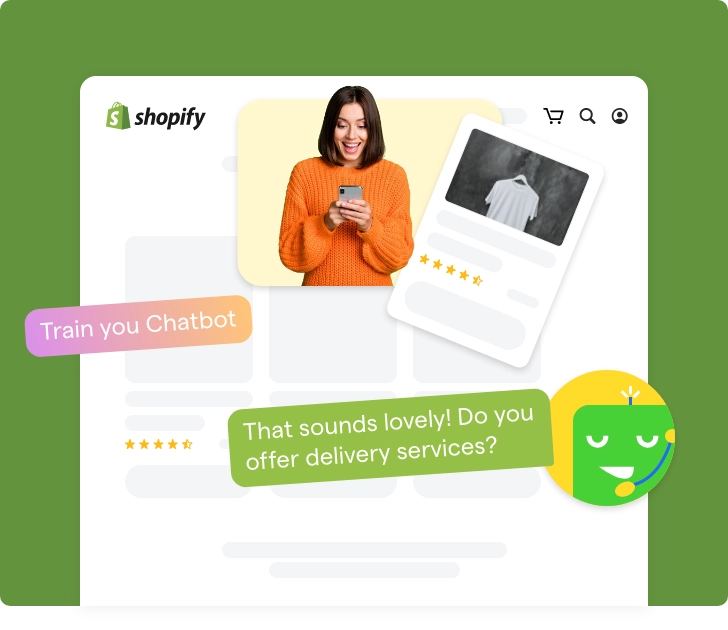
A chatbot for Shopify can use cart context during the conversation. It can reference the exact product, variant, size, or quantity. That makes each message relevant to the shopper’s decision.
Unlike a scheduled sequence, the conversation can change after each response. The chatbot can adjust based on questions, clicks, or purchase signals.
Its most important recovery roles include:
This makes the chatbot a support layer, not a replacement for every channel. Email still suits detailed reminders and longer sequences. SMS still works for short, consent-based prompts.
The chatbot becomes most useful when hesitation needs an immediate answer. It should also stop recovery prompts after checkout completes. For a broader explanation, read what a Shopify chatbot actually does.
Accurate triggers, useful replies, and reliable handover make the chatbot effective.
A recovery flow needs measurable triggers, clear timing, and exit rules. Configure each condition before activating any messages.
These six steps cover everything for a working recovery flow.
Decide when a cart officially becomes abandoned. Use a measurable event, such as 60 minutes without checkout activity.
Exclude completed purchases, empty carts, and invalid contact records. Then choose when the first message should be sent.
Test different timing windows instead of assuming one works everywhere. Product price and purchase urgency can affect the ideal delay.
Assign separate roles to email, SMS, and chatbot messages. Avoid sending identical reminders across all channels.
Only use channels covered by customer consent. The workflow should stop when consent changes, or checkout completes.
Use accurate cart details within each message. These may include:
Add conditions for unavailable products or changed prices. Never direct shoppers toward an invalid or outdated cart.
Create two or three messages with distinct purposes. The first can remind shoppers about their saved cart.
Later messages can address delivery, returns, sizing, or payment concerns. Do not repeat the same wording each time.
Avoid automatically offering discounts in the first message. Set incentive rules using cart value, customer type, or message stage.
Run the full journey before publishing. Check:
Place a test order after receiving each message. Confirm that later reminders stop immediately after purchase.
Track delivered messages, clicks, recovered checkouts, completed orders, and opt-outs. Review results by channel and sequence stage.
A BotPenguin ecommerce case study achieved a 35% abandoned-cart recovery rate with automated cart-recovery flows.
Change one variable during each test. Adjust timing, wording, channel order, or incentives separately.
This makes performance changes easier to interpret. It also prevents several adjustments from hiding the real cause.
Keep the sequence simple until performance data supports another channel or message.
Cart recovery addresses unfinished purchases. Shopify order automation manages workflows that begin after payment. These workflows reduce repeated tasks and keep customers informed.
Useful post-purchase workflows include:
These workflows help stores automate Shopify orders without removing human oversight. Teams can handle exceptions while routine updates run automatically.
Every workflow also needs clear stop and exception rules. Delivered orders should no longer trigger shipping reminders. Canceled, refunded, and failed orders should follow separate paths.
Start with confirmations and delayed-order alerts. They solve visible customer and operational problems. Add tagging, CRM updates, and task assignments as order complexity grows.
For broader post-purchase workflows, the full Shopify automation guide explains how these automations connect across the store.
Clear triggers and stop rules keep post-purchase workflows accurate as order volume grows.
A weak Shopify abandoned cart automation flow can create more friction than value. Most problems come from poor timing, repeated messages, or missing rules.
Avoid these common mistakes:
The recovery sequence should also account for exceptions. Out-of-stock items, price changes, and expired carts require separate handling.
Review each stage using delivery, click, checkout, and opt-out data. A high click rate means little when checkout links fail. Strong recovery rates also lose value when opt-outs increase sharply.
Fix one issue at a time. This makes it easier to measure the impact of timing, wording, or channel changes.
It uses automated emails, SMS messages, or chatbot messages to contact shoppers who leave items in their carts without completing checkout. Clear triggers start each sequence. Stop rules prevent reminders after purchases, cancellations, consent changes, or cart expiration, without routine manual follow-up from staff.
Send the first message while purchase intent remains active. Start by testing delays between thirty minutes and two hours. The right timing depends on product value, buying urgency, checkout length, customer behavior, each recovery channel’s purpose, and audience. Test continuously.
Yes. A chatbot can reference saved cart items, answer product questions, address objections, and share a checkout link. It can recommend alternatives or transfer complex conversations to a person. The handover preserves complete shopper context and previous responses before checkout.
Most stores should test a sequence of two or three messages. Each message needs a different purpose, such as reminding, answering concerns, or creating urgency. Stop the sequence immediately after checkout, cancellation, consent withdrawal, or another defined exit condition applies.
Yes, when the store receives steady traffic and carefully tracks results. A simple automated flow can reduce manual follow-up and recover otherwise lost orders. Small stores should start with one channel, test performance, and expand only when results justify it.
Abandoned carts are a fixable revenue leak, not an unavoidable loss. A clear recovery process helps stores respond while purchase intent remains active.
Start with one channel and build a simple sequence. Test timing, message clarity, checkout links, and stop conditions before expanding.
Use cart-specific details such as product names, variants, prices, and saved checkout links. These details make each reminder more relevant and useful.
Once the first sequence performs reliably, add SMS or chatbot messaging. Give each channel a separate role instead of repeating the same message.
Effective Shopify abandoned cart automation depends on accurate triggers, useful content, and regular testing. Ready to strengthen your recovery flow? Start with BotPenguin.
Recover More Shopify Carts
Re-engage shoppers with timely messages and guide them back to checkout before intent fades away with BotPenguin Shopify chatbots.
Start Cart RecoveryCheckout our related blogs you will love.
Updated at Oct 9, 2026
11 min to read
Updated at Sep 26, 2026
10 min to read
Updated at Sep 26, 2026
9 min to read
Updated at Sep 10, 2026
10 min to read
Updated at Sep 10, 2026
15 min to read
Updated at Aug 25, 2026
10 min to read
Table of Contents