


WhatsApp Bot vs Telegram Bot: Which is better?
Updated at Oct 23, 2026
10 min to read
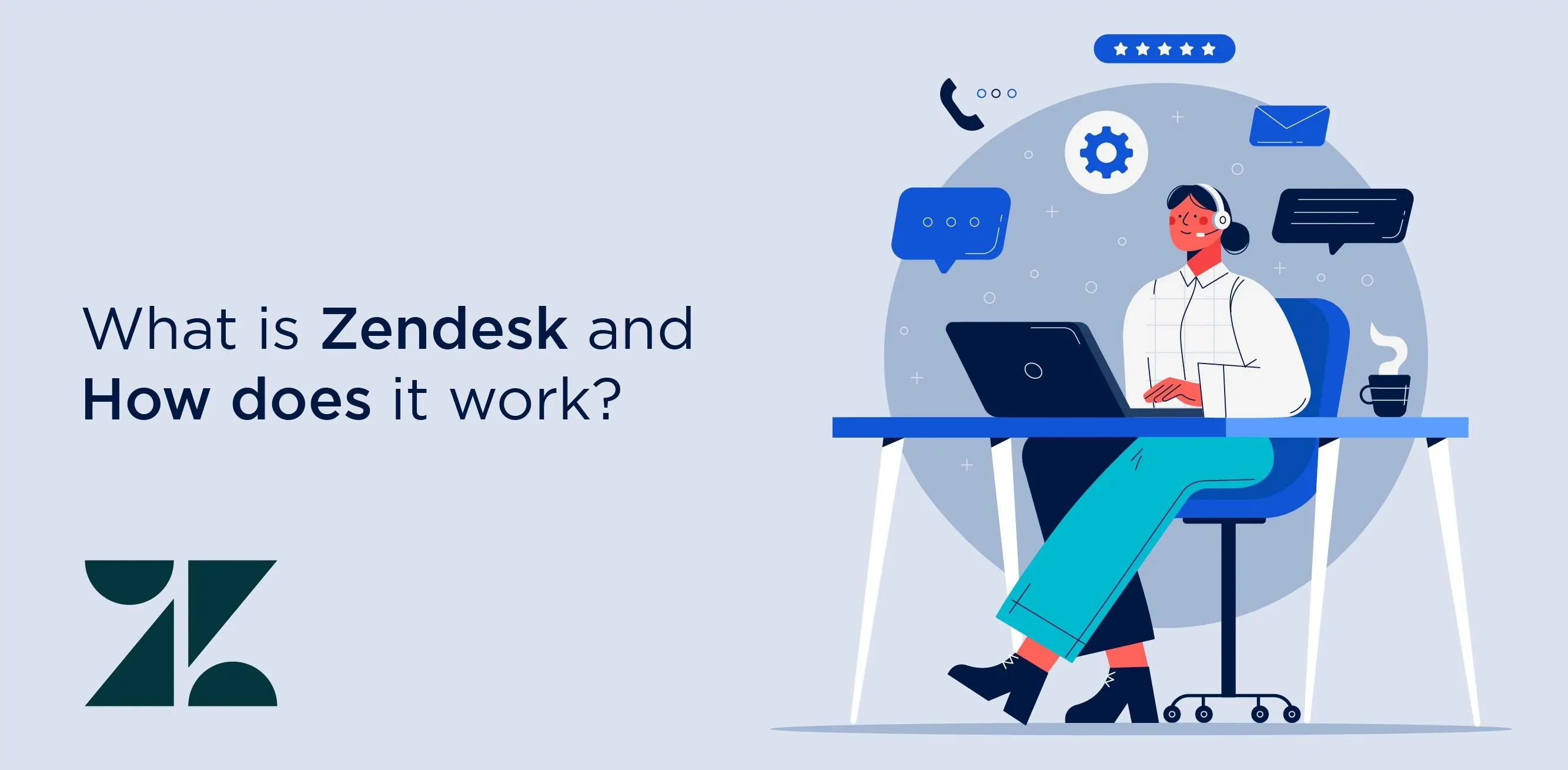
Zendesk is a customer service platform that helps businesses manage customer conversations across email, chat, phone, and social channels. Its ticketing system organizes requests, while automation and AI help teams respond faster. Businesses use Zendesk to track issues, support customers, and manage service operations from one workspace.
Customer questions arrive through emails, chats, calls, and social media. Managing them separately can quickly overwhelm support teams.
That's where Zendesk comes in.
But what is Zendesk, and why do businesses use it?
Zendesk brings customer requests into one workspace. Support teams can organize tickets, assign issues, and track conversations. Its AI features also help automate routine support tasks.
However, understanding its features matters before choosing the platform.
This guide explains how does Zendesk work, its main features, AI capabilities, and limitations. It also explores pricing and ways to connect chatbots for better customer support.
Zendesk is customer service software that helps businesses manage customer support requests. It brings conversations from email, chat, phone, and social channels together.
Instead of switching between tools, support teams work from one place. Each customer request becomes a ticket that agents can track and resolve.
Zendesk helps businesses:
These capabilities make Zendesk useful for businesses handling growing support volumes.
Zendesk is primarily a customer service platform, not a traditional sales CRM.
A sales CRM focuses on managing leads, pipelines, and sales opportunities. Zendesk focuses on resolving customer issues and managing support interactions.
It stores customer details and conversation histories, but prioritizes service operations.
Businesses can also connect Zendesk with sales CRM tools. This gives support teams access to relevant customer information without replacing their sales systems.
Beyond these distinctions, Zendesk supports several everyday customer service operations.
Businesses use Zendesk to manage customer questions and resolve support issues. It helps teams organize requests, respond efficiently, and maintain conversation history.
Here are its most common everyday applications:
For example, an online store can manage delivery complaints through Zendesk. Agents can review order details, update tickets, and follow up with customers.
These everyday applications rely on a structured process behind each support request.
Zendesk manages customer support through a centralized ticketing process. It collects requests, organizes them, and helps agents resolve issues.
Here's how a typical support request moves through Zendesk:
1. Customer sends a message: A customer contacts support through email, chat, phone, or another connected channel.
2. Zendesk creates a ticket: The request becomes a ticket containing the customer's issue and relevant details.
3. AI assists with the request: AI can suggest responses, identify intent, or handle supported routine inquiries.
4. Ticket gets assigned: Routing rules direct the request to an appropriate agent or team.
5. Agent resolves the issue: The agent reviews the conversation, responds, and updates the ticket.
6. Ticket gets closed: Once resolved, the ticket is closed for future reference and reporting.
This process helps teams manage requests without losing conversation context.
Zendesk AI uses artificial intelligence to automate support tasks and assist agents.
Its capabilities include:
These capabilities reduce repetitive work while keeping human agents involved when needed.
For more background on automated customer replies, explore answer bot.
The Zendesk ticketing system converts customer requests into organized, trackable records.
Each ticket contains details such as:
Agents can update, transfer, and close tickets as issues progress.
This structured workflow supports several Zendesk features designed to improve customer service.
Zendesk offers several features for managing customer support in one place. These tools help teams organize requests, automate tasks, and monitor service quality.
Zendesk organizes customer requests into tickets with clear ownership and status. Agents can assign priorities, add notes, and track issues until resolution.
Zendesk connects customer conversations across email, messaging, chat, and phone. Agents can manage supported channels without constantly switching between tools.
Businesses can create help centers with FAQs and troubleshooting guides. Customers can find answers independently, reducing repetitive support questions.
Automation handles repetitive activities using predefined rules and triggers. Teams can automatically assign tickets, send notifications, and escalate unresolved issues.
Zendesk AI helps automate supported inquiries and assist human agents. Depending on the plan and configuration, it can suggest replies and summarize conversations.
Zendesk provides dashboards for tracking customer service performance.
Teams can monitor:
Together, these features support more organized and efficient customer service. However, their availability and pricing depend on the selected Zendesk plan.
Zendesk uses per-agent pricing, with costs varying by plan and billing cycle.
As of October 2026, its customer service plans include:
Advanced AI capabilities and other add-ons may increase the total cost. Zendesk also offers a 14-day free trial.
For a closer comparison, explore Zendesk pricing and alternatives.
Beyond pricing, businesses should also consider where Zendesk may fall short.
Zendesk offers comprehensive support tools, but it may not suit every business. Its costs, setup requirements, and feature complexity deserve consideration.
Zendesk charges per agent, making costs dependent on team size. Advanced features and add-ons may increase the overall expense.
Smaller businesses should evaluate whether they need every paid capability.
Configuring workflows, ticket routing, and automations takes planning. More complex setups may require technical expertise or administrator training.
This can delay implementation for teams with limited resources.
Zendesk offers many customization and automation options. However, new users may need time to understand them.
Businesses with simple support needs might prefer a less complex setup.
For a more focused helpdesk comparison, explore Groove vs Zendesk to understand their differences.
Zendesk works well for businesses managing structured support operations. However, smaller teams may find its extensive capabilities unnecessary.
For businesses keeping Zendesk, integrating a chatbot can extend support automation without replacing their existing system.
Businesses don't need to replace Zendesk to automate customer conversations. They can connect an AI chatbot while keeping their existing support system.
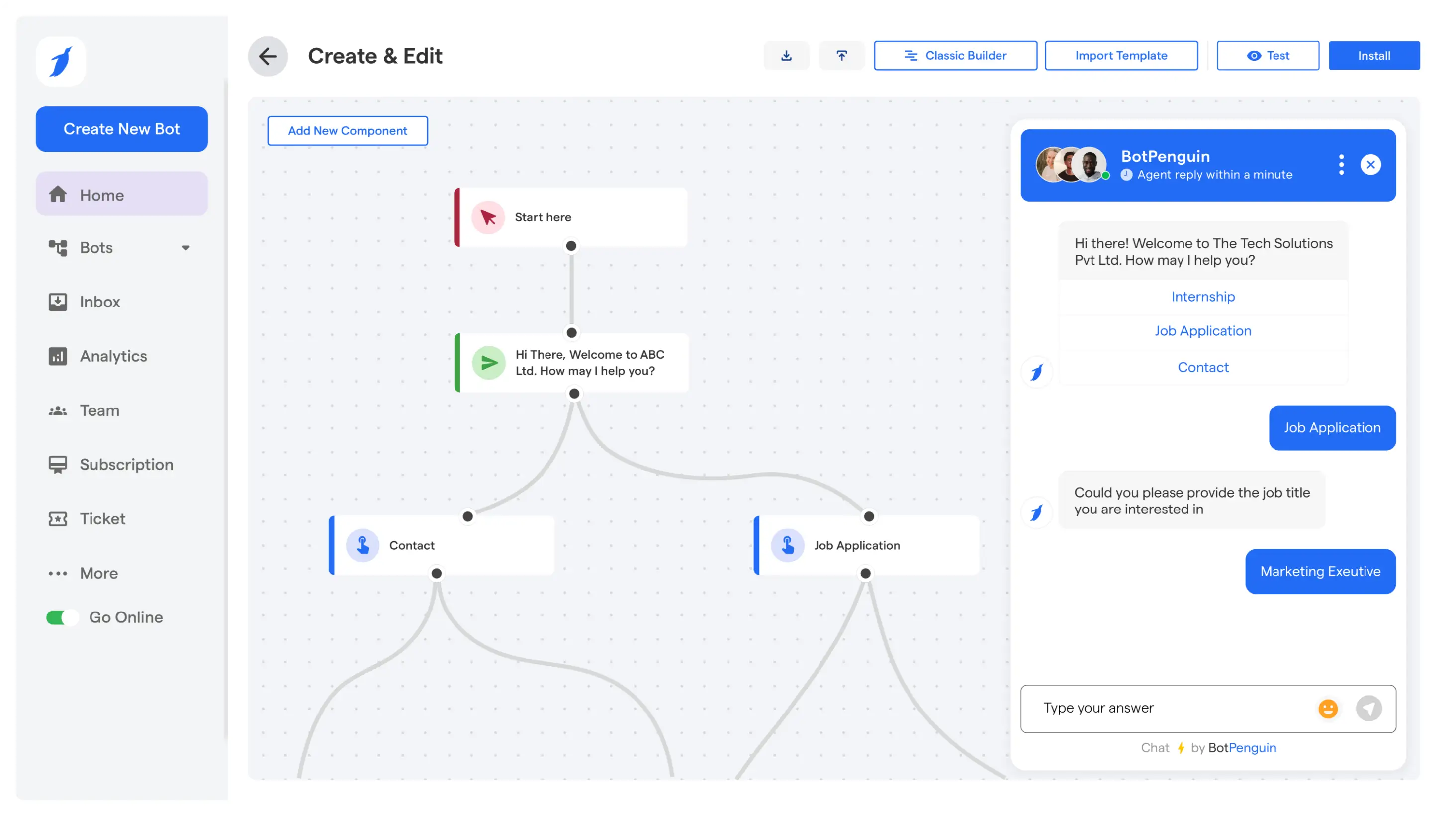
BotPenguin offers a no-code Zendesk chatbot integration that connects chatbot conversations with Zendesk workflows.
This allows businesses to:
1. Create a chatbot: Set up your BotPenguin chatbot for customer support.
2. Connect Zendesk: Authenticate the integration using the required account details.
3. Configure workflows: Map customer information and select the appropriate ticket actions.
4. Test the connection: Verify ticket creation and updates before going live.
For example, a customer might report a delayed delivery through WhatsApp. The chatbot can collect details and create a Zendesk support ticket. An agent can then review the issue and follow up.
This approach combines chatbot automation with Zendesk's existing support processes.
Want to automate customer conversations without replacing Zendesk? Explore BotPenguin's integration or get started for free.
Before choosing this approach, businesses should evaluate their support requirements and available resources.
Zendesk suits businesses that need structured customer support across multiple channels. However, the right choice depends on support volume, team size, and budget.
Consider these factors before choosing Zendesk:
Zendesk may be a good fit for growing businesses managing complex support operations.
However, smaller teams with limited budgets may prefer simpler alternatives. Businesses already using Zendesk can also extend automation through integrations.
Ultimately, the best choice depends on your support needs and resources.
Zendesk offers a free trial, but its main customer service plans require payment. Pricing generally depends on agent seats, features, and billing frequency. Businesses should review current plans before choosing one, especially when advanced AI capabilities are required.
Yes, small businesses can use Zendesk to organize customer requests and manage support tickets. However, per-agent pricing and setup requirements may affect affordability. Teams with simpler needs should compare the available features against their actual support volume.
Yes, Zendesk supports WhatsApp and other messaging channels through supported configurations. Businesses can manage connected conversations alongside other support requests. Channel availability, setup requirements, and messaging costs may vary depending on the selected plan and integration.
Yes, Zendesk supports automated responses through configured workflows and AI capabilities. Businesses can use these tools for routine inquiries and customer assistance. However, automation capabilities vary by plan, and complex issues may still require human support from agents.
Yes, Zendesk supports integrations with various business applications, including CRM systems and communication tools. These connections help teams access customer information and coordinate workflows. Available actions depend on the specific integration, configuration, and connected software.
The right alternative depends on business size, support requirements, and budget. Businesses can compare platforms based on ticketing, automation, messaging, and pricing. Explore Zendesk alternatives to evaluate available options before making a decision.
Understanding what is Zendesk helps businesses evaluate their customer support needs. Zendesk organizes customer conversations, manages tickets, and automates routine tasks.
Its features benefit growing teams handling frequent requests across multiple channels. However, smaller businesses should consider pricing, setup complexity, and actual requirements.
Businesses already using Zendesk can extend their existing workflows without replacing the platform. BotPenguin's Zendesk chatbot integration helps connect chatbot automation with support processes.
Ultimately, the right approach depends on customer expectations, support volume, and budget. Choosing suitable tools helps businesses deliver more organized, consistent, and efficient customer service.
Extend Zendesk With BotPenguin
Automate customer conversations, create Zendesk support tickets, and simplify agent handoffs with BotPenguin's no-code chatbot integration for businesses.
Start For FreeCheckout our related blogs you will love.
Updated at Oct 23, 2026
10 min to read
Updated at Oct 16, 2026
8 min to read
Updated at Oct 15, 2026
7 min to read
Updated at Oct 13, 2026
17 min to read

Updated at Oct 12, 2026
15 min to read
Updated at Oct 12, 2026
15 min to read
Table of Contents

