


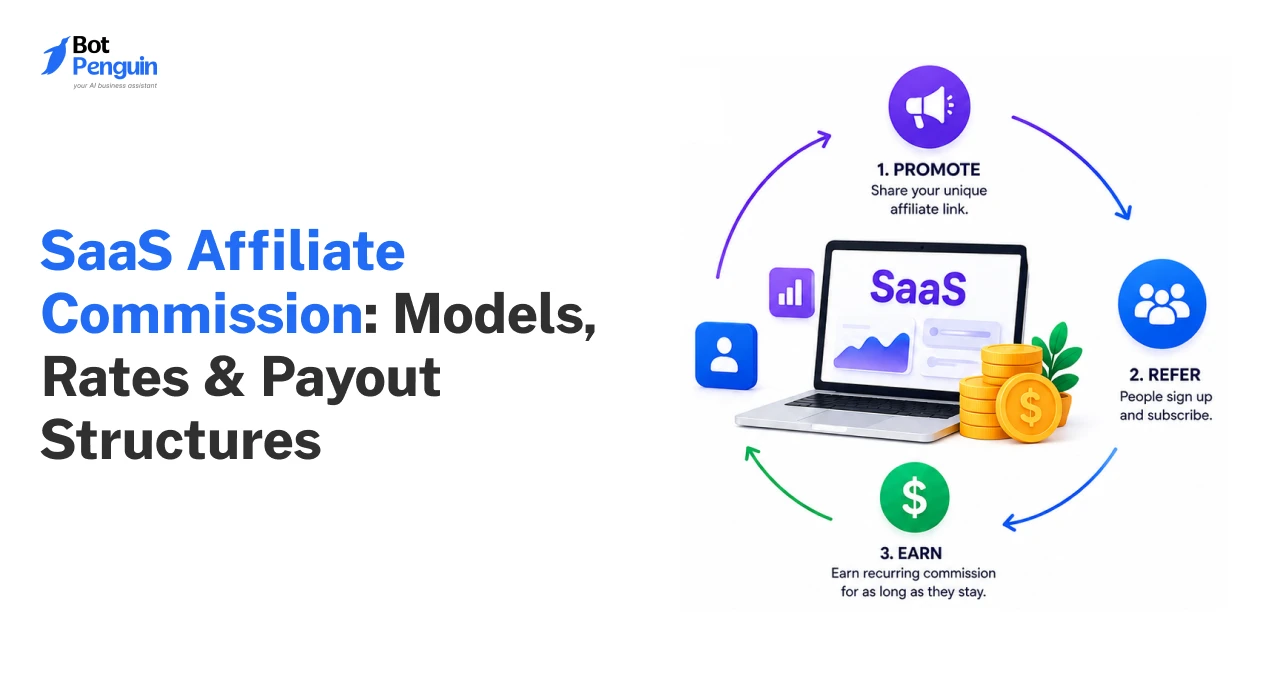
SaaS Affiliate Commission Models: Rates & Payout Structures
Updated at Sep 11, 2026
11 min to read

Most people think affiliate marketing is about promoting links. It’s not.
It’s about choosing the right programs.
Search for the best affiliate programs, and you’ll find endless options with different payouts, rules, and platforms. But that’s also where most people get stuck. Picking the wrong one leads to low conversions and wasted effort.
The right choice can change everything. It can turn small traffic into real income.
In this guide, you’ll find the best affiliate marketing programs, including beginner-friendly options and top platforms, so you can choose what fits and start earning with clarity.
Each affiliate program differs in commission structure, payout model, and ease of promotion, so comparing them helps you make a better decision.
Reflecting the influence of affiliate programs, a report by Influencer Marketing Hub shows affiliate marketing spending is expected to cross $15 billion globally, which explains why competition is rising.
If you’re curious about what affiliate marketing is, you can explore our complete guide to affiliate marketingto understand how it works, key models, and proven strategies to grow revenue.
Most affiliate programs look similar at first. The real difference shows in payouts, product demand, and how easy they are to promote.
Here are some of the best affiliate marketing programs that are actually worth your time:
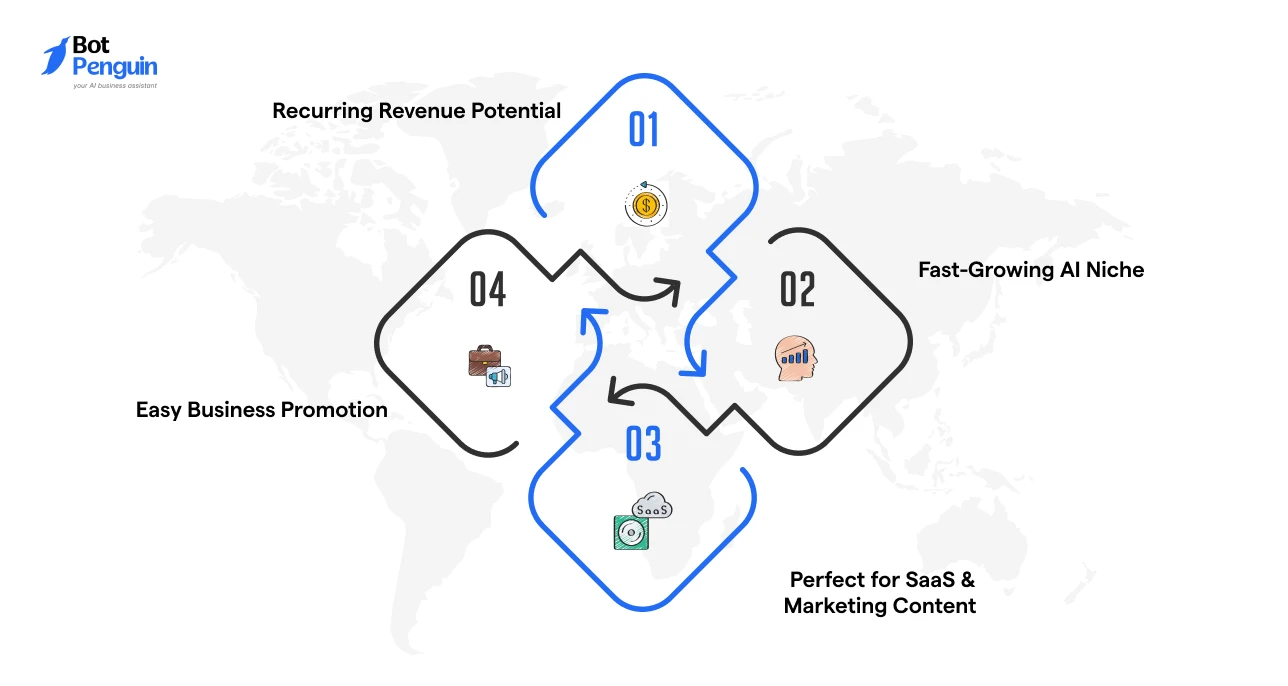
The BotPenguin Affiliate Program is built for affiliates targeting the software and business automation space.
It lets you promote chatbot and AI automation solutions that businesses use for customer support, lead generation, and workflow automation. This makes it easier to connect the program with practical business needs instead of generic product promotions.
BotPenguin offers 20% recurring commissions, which means you keep earning as long as the user stays subscribed. This builds steady affiliate income over time.
Creators, bloggers, and marketers targeting SaaS, AI tools, or business automation. It is a strong choice if you want to move beyond beginner-level programs and earn higher commissions.
If you are comparing affiliate marketing platforms, programs like this stand out because they combine high demand with long-term earning potential. Join the waitlist for the BotPenguin affiliate program to receive updates when new affiliate applications open.
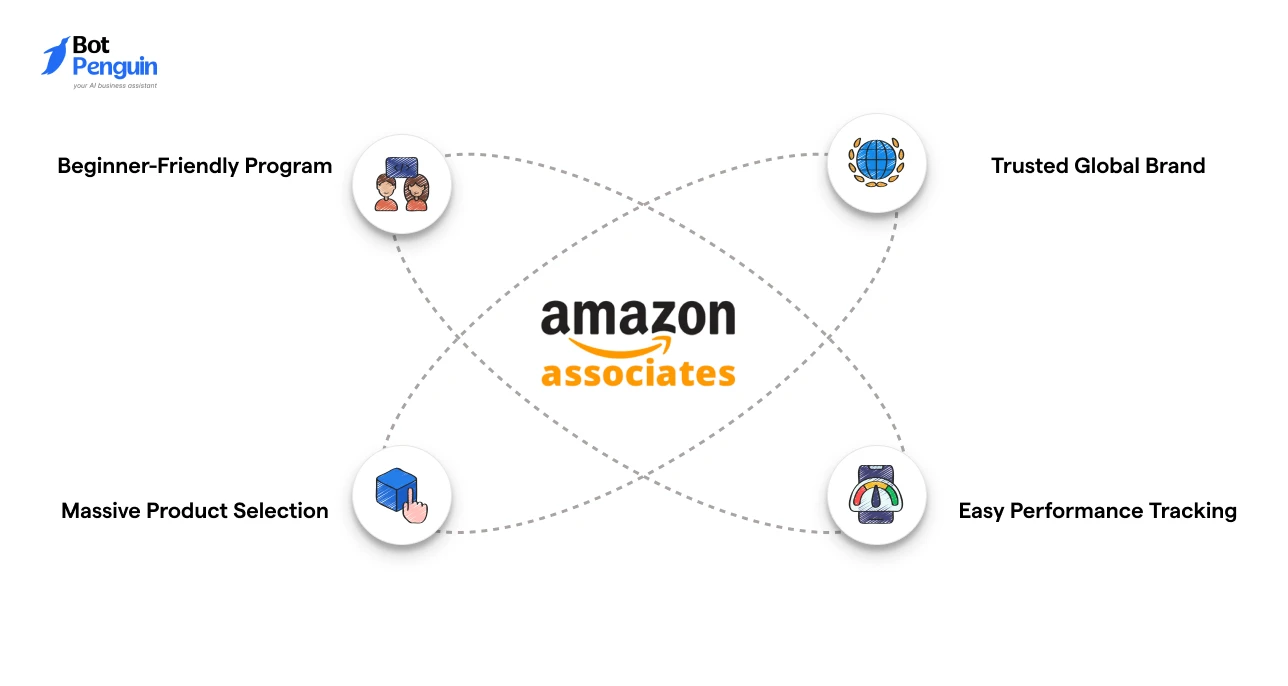
Amazon is often the first program beginners try. The reason is simple. People already trust Amazon, and almost every niche has products you can promote.
Amazon Associates lets you earn commissions by recommending products listed on Amazon. This makes it one of the best affiliate programs for beginners who want a simple starting point.
Commission
Amazon offers category-based commissions. Rates usually range from 1% to 10%, depending on the product category.
Pros
Cons
Best For
Bloggers, YouTubers, product reviewers, and beginners who want to start affiliate marketing with a familiar brand.
It is a practical option if your content focuses on product comparisons, buying guides, reviews, or recommendation lists.
One platform can give you access to thousands of affiliate programs. That is exactly where ShareASale stands out.
ShareASale is one of the most trusted affiliate marketing platforms, connecting you with over 4,500+ brands across different industries, according to Awin data.
Commission varies by brand. Some programs offer a few percent per sale, while others go much higher depending on the niche and product.
Beginners and intermediates who want flexibility. It is a strong starting point if you are exploring different niches and testing what works.
If you are unsure what the best affiliate marketing program is, platforms like ShareASale help you try multiple options without committing to just one.
Not all affiliate networks are beginner-friendly. CJ Affiliate is built for those who already understand how to drive traffic and conversions.
CJ Affiliate is one of the most established affiliate marketing platforms, working with global brands like Samsung and Expedia.
Commission varies by advertiser. Many programs offer competitive payouts, especially in finance, travel, and tech niches.
Intermediate to advanced marketers who already have an audience or traffic. It works well across industries like ecommerce, travel, finance, education, and digital services.
High commissions can make a big difference early on. ClickBank is known for offering some of the highest payouts in affiliate marketing.
It focuses on digital products like courses, ebooks, and software, making it one of the best rated affiliate programs for high margins.
Commissions can go up to 75 percent per sale, depending on the product.
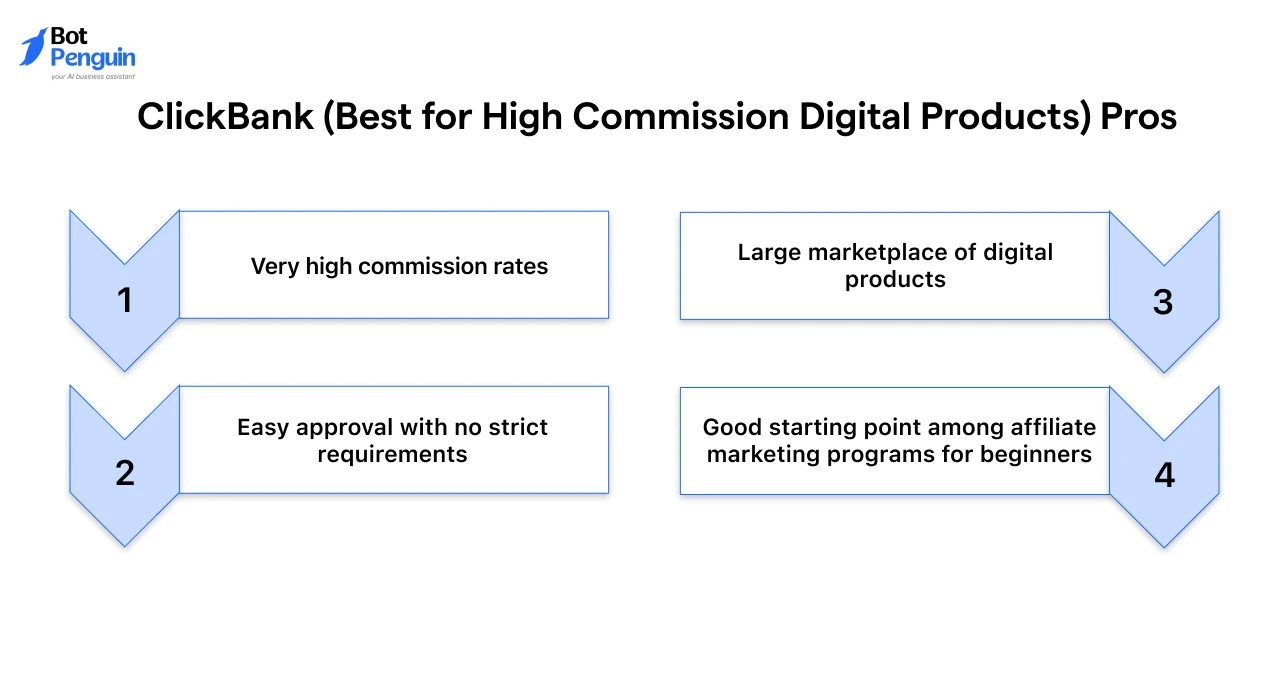
Beginners and marketers looking for quick earnings with high commissions. It works well if you want to test different offers and scale what converts.
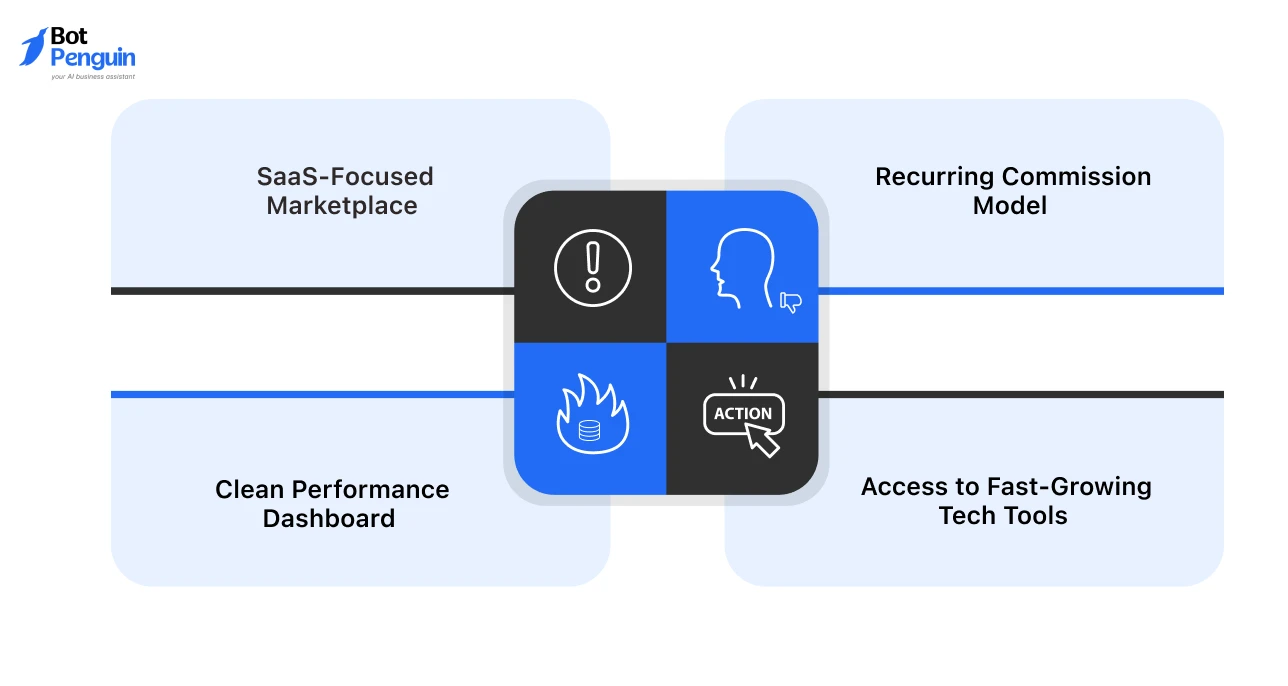
Recurring income changes how affiliate marketing works. PartnerStack is built around that model.
It focuses on B2B software, making it one of the best-rated affiliate programs for long-term earnings. Companies like Notion and Webflow run their programs here.
Most programs offer recurring commissions, so you earn monthly as long as the customer stays active.
Marketers and creators targeting startups, businesses, or tech audiences. A strong choice if you want predictable and scalable affiliate income.
Big brands often mean better trust and higher conversions. Impact connects you with those brands.
It is one of the leading affiliate marketing platforms, used by companies like Uber, Airbnb, and Adidas.
Commission varies by brand. Many programs offer competitive payouts based on sales or leads.
Experienced affiliates who want to work with premium brands in industries like travel, ecommerce, retail, finance, and technology, and scale beyond basic affiliate marketing programs.
One sale can pay more than 50 small commissions combined. That’s why high-ticket programs matter.
Shopify is one of the most popular ecommerce platforms, making it one of the best affiliate programs for higher payouts and strong demand.
You can earn up to $150 or more per referral, depending on the plan and region.
Creators, bloggers, and marketers targeting ecommerce, retail, DTC brands, online stores, and entrepreneurship-focused audiences. A strong pick among the best affiliate marketing programs for higher earnings per sale.
Simple tools often convert better. Canva proves that with its massive user base.
With over 135 million monthly users reported by Canva, it stands out among brands with affiliate programs that are easy to promote.
You earn a commission for every new user who signs up for Canva Pro through your link.
Content creators, bloggers, and educators. It is a strong choice if your audience is into design, social media, or content creation tools.
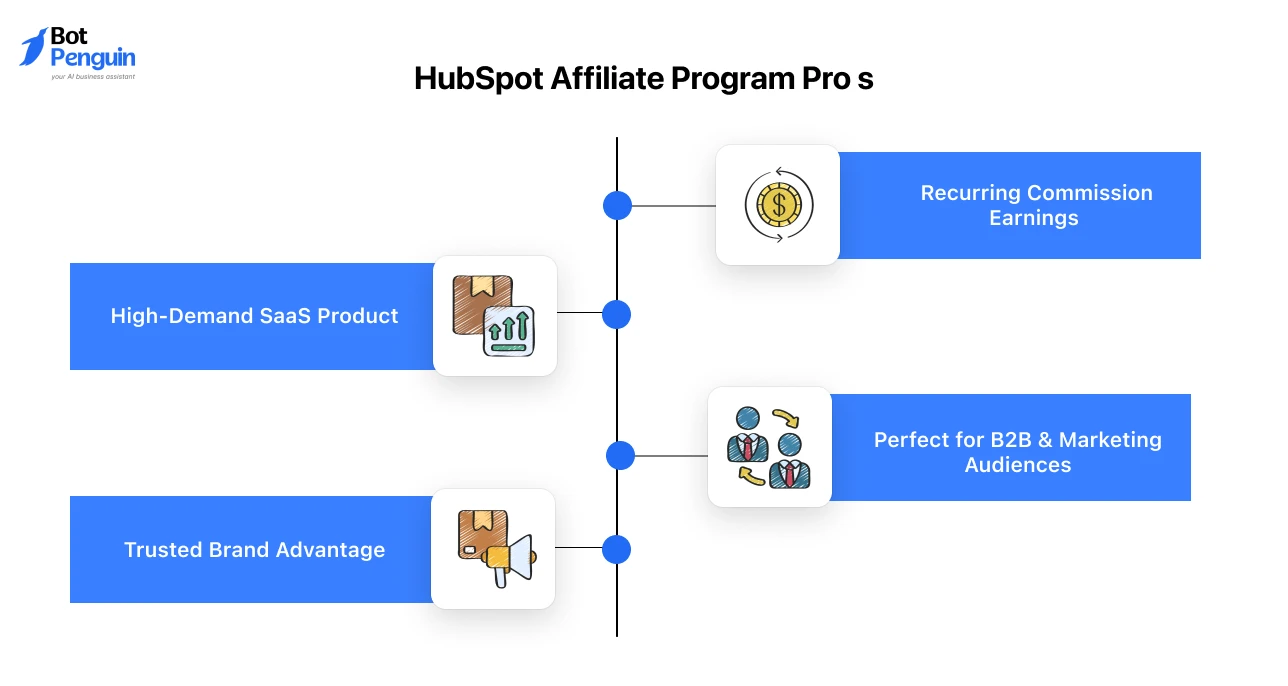
Some affiliate programs pay once. Others keep paying. HubSpot falls in the second category.
HubSpot is a leading CRM platform used by over 200,000 businesses globally, making it one of the best rated affiliate programs in the SaaS space.
You can earn recurring or tiered commissions, depending on the plan and customer value.
Marketers, agencies, and creators targeting businesses. A strong option among best SaaS affiliate programs for consistent income.
Many blogs start with one recommendation. Bluehost is often that first step.
It is one of the most popular hosting providers, making it a common entry point in affiliate marketing programs for beginners.
You earn around $65 or more per sale, depending on performance and volume.
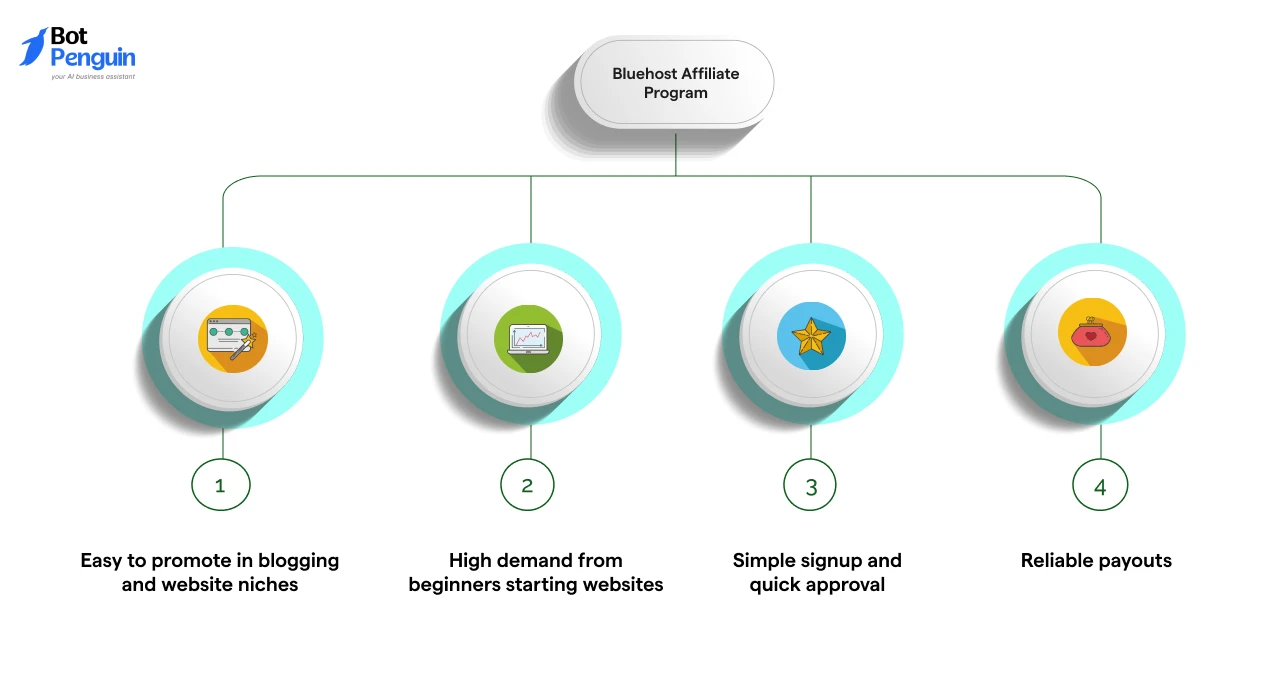
Bloggers, YouTubers, and creators teaching website building. It remains one of the best affiliate programs for beginners entering the blogging space.
Services convert faster than products when the demand is clear. Fiverr taps directly into that need.
Fiverr connects users with freelancers across design, writing, marketing, and tech, making it one of the most practical affiliate programs for service-based niches.
You can earn fixed CPA commissions or hybrid payouts, depending on the service category and plan.
Creators and marketers targeting freelancers, startups, or small businesses. A solid choice among affiliate marketing programs focused on services.
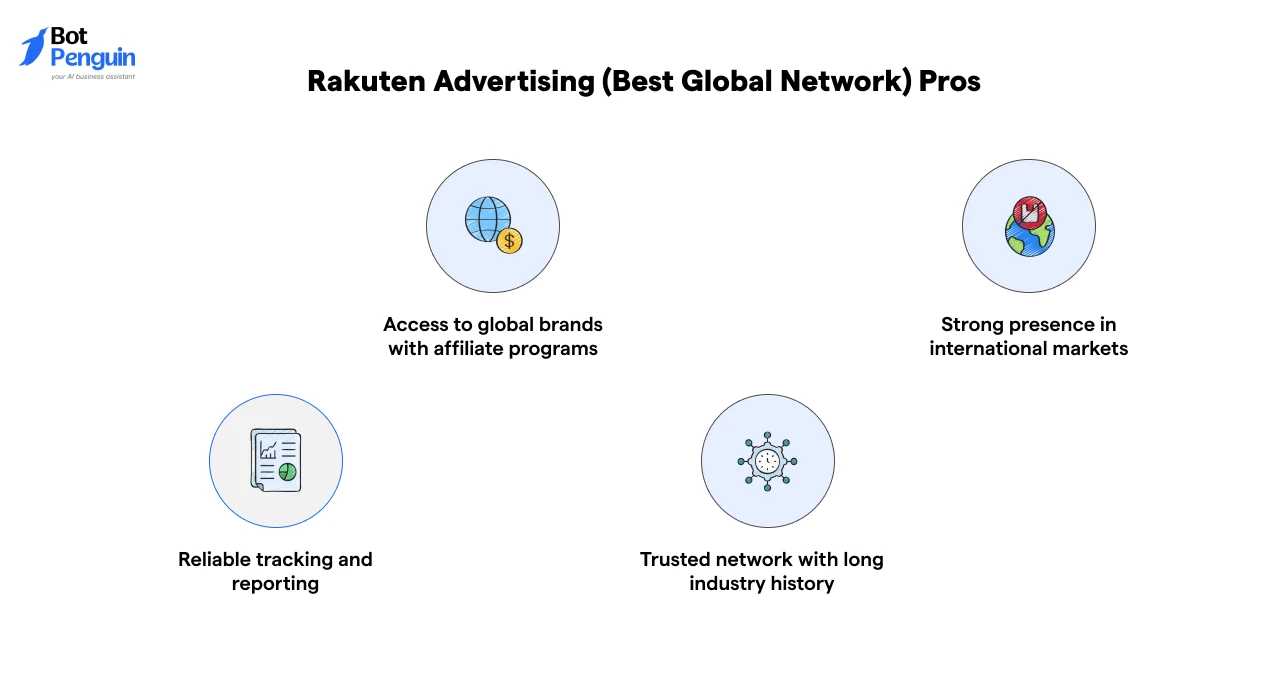
Scale becomes easier when you have access to global brands. Rakuten provides that reach.
Rakuten is one of the largest affiliate marketing platforms, working with well-known companies across retail, finance, and travel.
Commission depends on the brand. Many programs offer competitive rates based on product type and region.
Cons
Affiliates targeting global audiences or multiple regions. It is a strong option if you want to scale beyond basic affiliate marketing programs for beginners.
More options can speed up your testing. FlexOffers gives you that flexibility.
It connects you to 10,000+ advertisers, making it one of the largest affiliate marketing platforms for exploring different niches from one place.
Commission varies by advertiser. Rates depend on the product, niche, and brand.
Affiliates who want variety and flexibility. A strong option when exploring different affiliate marketing programs to find what converts.
Location matters more than most affiliates realize. Awin performs best when your audience is in Europe.
It is a global network with over 21,000+ advertisers, making it one of the best rated affiliate programs for international reach.
Commission depends on the advertiser. Many European brands offer competitive payouts.
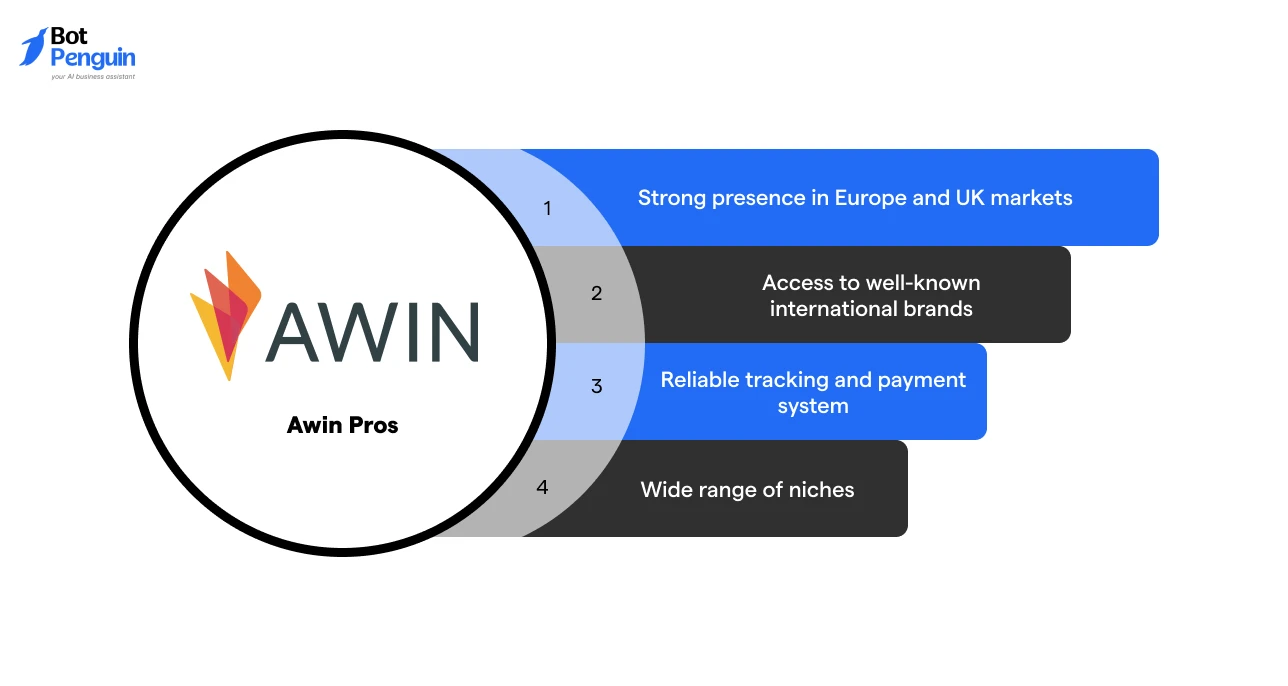
Affiliates targeting European audiences or global traffic. It is a good step up from affiliate marketing programs for beginners when scaling internationally.
Choosing from dozens of options slows you down. The faster approach is to pick based on your goal. If you are wondering what is the best affiliate marketing program, the answer depends on your starting point, niche, and audience.
We’ve grouped the leading affiliate programs by category so you can quickly find what suits you:
Starting simple increases your chances of success. These affiliate marketing programs for beginners are easy to join and quick to understand.
These are some of the best affiliate programs if you are just getting started and testing what works.
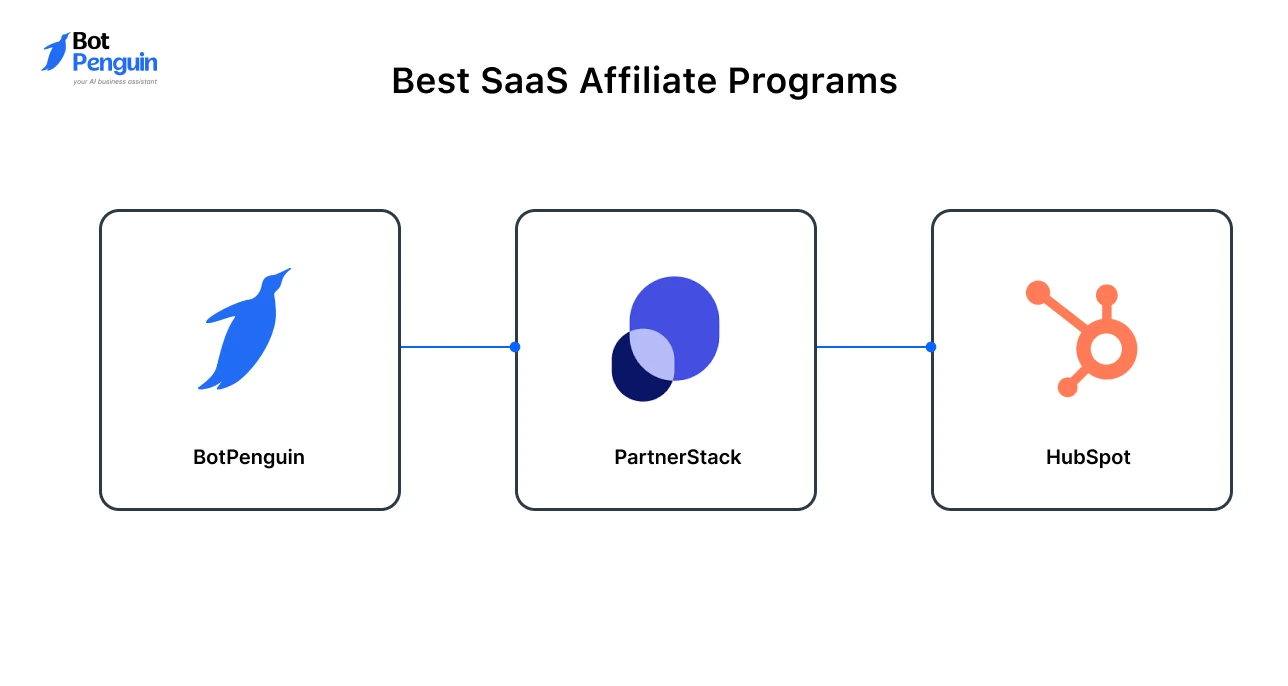
Recurring income builds long-term earnings. SaaS programs are designed for that.
These are among the best SaaS affiliate programs if you want predictable and scalable income.
Sometimes the platform matters more than the program. These networks give you access to multiple opportunities.
These affiliate marketing platforms are ideal when you want to scale beyond basic programs and work with established brands.
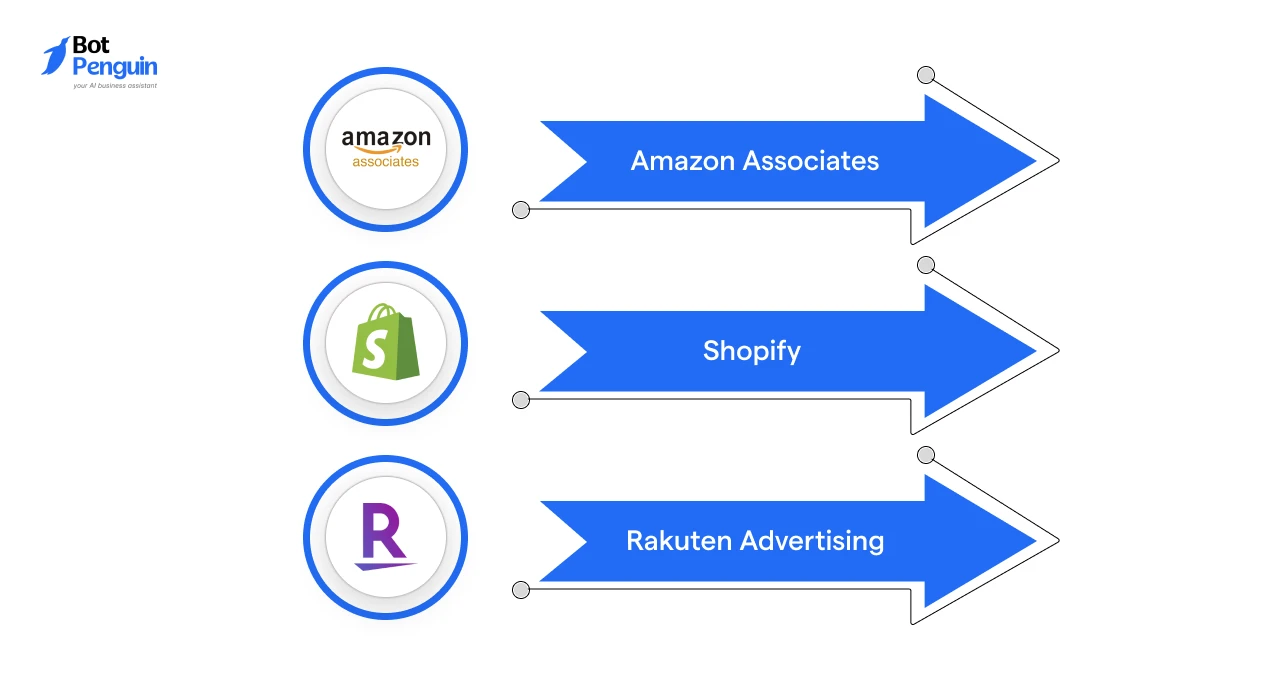
Ecommerce affiliate programs work best when your audience is interested in products, online shopping, or retail recommendations.
These are some of the best affiliate marketing programs for affiliates targeting ecommerce and online shopping audiences.
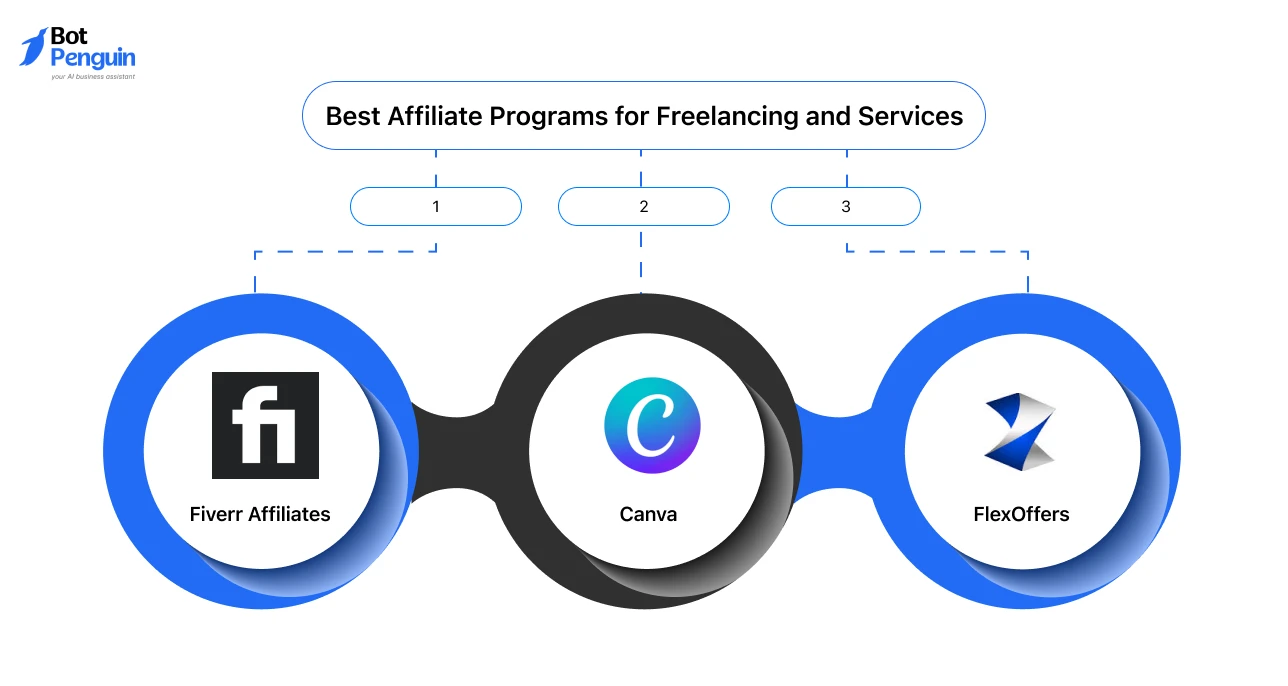
Service-based affiliate programs perform well because users actively search for immediate solutions and business support.
These affiliate marketing programs are useful for creators targeting freelancers, startups, and service-based audiences.
Overall, the best affiliate programs depend on your niche, audience intent, and earning goals, so choosing the right category makes it easier to find programs that convert consistently.
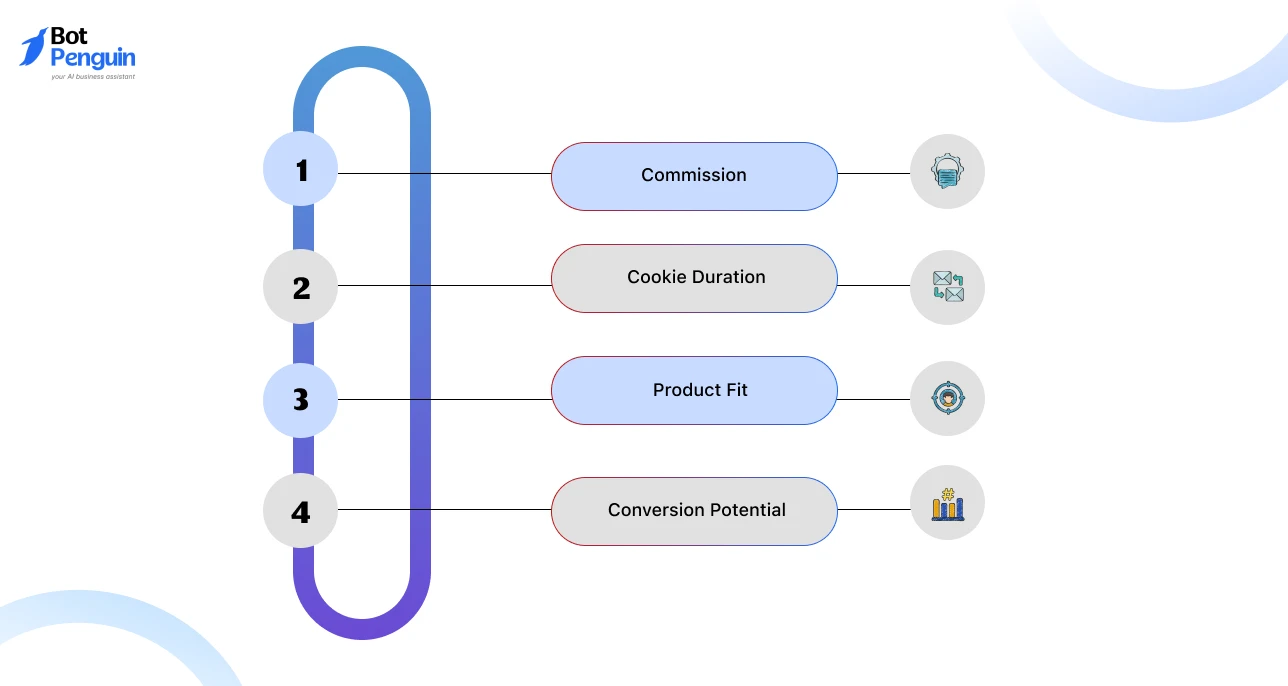
Most people pick an affiliate program based on hype. That usually leads to low earnings.
If you want to choose from the best affiliate marketing programs, focus on what actually drives results, not just popularity.
Higher commission looks attractive, but it only matters if the product sells.
Some of the best affiliate programs offer lower rates but convert more often, which leads to better overall income.
This decides how long you get credit after someone clicks your link.
A longer cookie window increases your chances of earning, especially when users take time to decide.
If the product does not match your audience, it will not convert.
The best results come when you promote tools or services your audience already needs. This is why many move toward affiliate programs with clear use cases.
Traffic alone does not generate income. Conversions do.
Look for programs with strong demand, trusted brands, and proven performance. Many brands with affiliate programs convert better because users already recognize them.
The right choice is not about finding one perfect option. It is about picking a program that fits your audience, content, and long-term strategy.
Most beginners expect quick income. The reality is gradual growth that scales over time.
Affiliate income varies widely, but industry data from Influencer Marketing Hub and Glassdoor estimates give a realistic range.
Beginner → Low ($0 to $500 per month)
At this stage, you are testing content and learning traffic. Many beginners earn little or nothing in the first few months.
Intermediate → Stable ($500 to $3,000 per month)
Once your content starts ranking or getting consistent traffic, income becomes predictable. Choosing better affiliate marketing programs starts to matter here.
Advanced → Scalable ($3,000 to $50,000+ per month)
With strong traffic and the right niche, income scales fast. Many advanced affiliates rely on top affiliate programs or high-ticket offers to grow earnings.
Affiliate marketing earning is not fixed. It improves when you combine the right niche, traffic, and program.
Affiliate marketing works when you stop chasing hype and start making smart choices.
The best affiliate marketing programs are the ones that fit your audience, not just the ones with the highest payouts. Beginners should start simple, while long-term growth comes from recurring income models.
Programs like BotPenguin stand out here, especially in the growing AI space, where demand and conversions are strong.
Focus on relevance, test what works, and scale gradually. That is how you build consistent affiliate income instead of relying on short-term wins.
The best affiliate programs for beginners are those with easy approval and simple products. Programs like Amazon or beginner-friendly SaaS tools work well because they require less trust and convert faster without an existing audience.
Pick programs where the product solves a real problem for your audience. Relevance matters more than commission. A lower payout product with high demand will usually outperform high-ticket offers with low interest.
The best-rated affiliate programs for long-term income are usually SaaS-based like BotPenguin or HubSpot. They offer recurring commissions, which means you earn monthly instead of one-time payouts, making income more stable over time.
Yes, but only with consistency. Most beginners earn slowly at first. Profitability improves when content starts ranking or getting traffic, and when you switch to better-converting programs.
Affiliate marketing platforms like ShareASale, CJ, and Impact help you manage multiple programs in one place. They simplify tracking, payments, and reporting, making it easier to scale across different brands.
Most brands use cookies and tracking software to monitor clicks and conversions. When a user signs up or buys through your link, the system attributes that action to your account.
Programs with recurring commissions are best for passive income. SaaS tools and subscription-based services continue paying as long as the customer stays active, reducing the need for constant new conversions.
Subscribe to Our Newsletter
Get the latest business insights straight into your inbox.
Checkout our related blogs you will love.
Updated at Sep 11, 2026
11 min to read

Updated at Sep 11, 2026
14 min to read
Updated at Sep 11, 2026
10 min to read

Updated at Sep 3, 2026
15 min to read
Updated at Jul 28, 2026
8 min to read

Updated at Jul 27, 2026
12 min to read
Table of Contents
