Facebook Chatbot: What It Is, How It Works, and If You Need One

Facebook

Updated On Jul 10, 2026

12 min to read

BotPenguin AI Chatbot maker

BotPenguin AI Chatbot maker

Facebook remains one of the world’s most influential platforms, connecting businesses with billions of people through millions of active business pages.

But reach means little without responsiveness. Today’s buyers expect instant answers, and even a short delay can send them straight to a competitor. 

As conversations multiply, handling every message manually quickly becomes impossible.

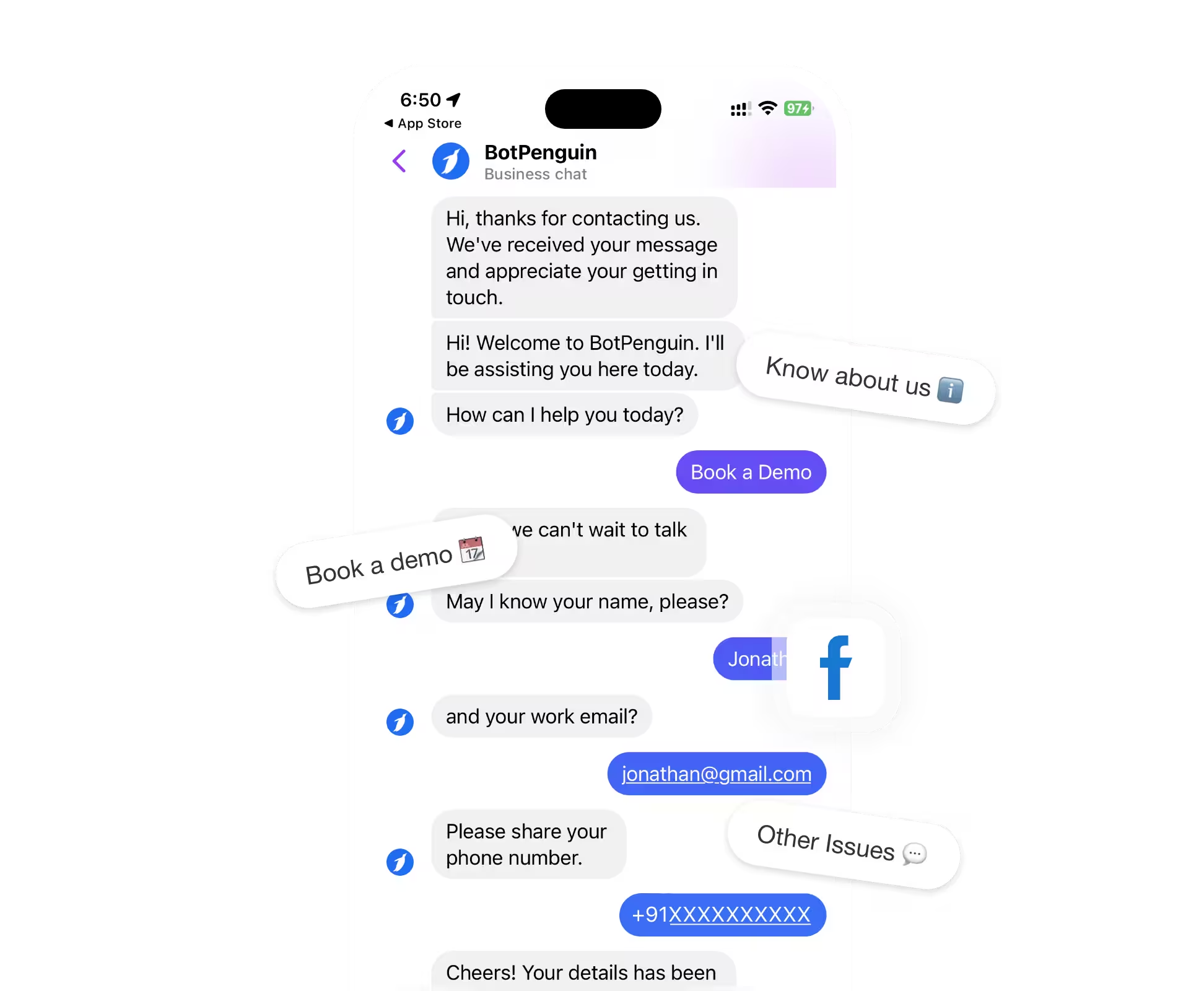
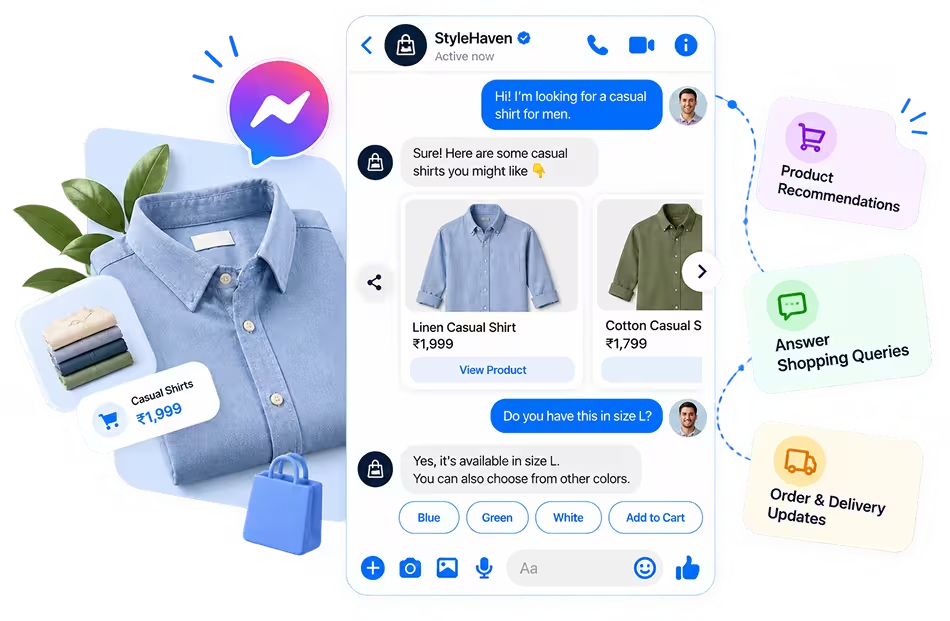
That’s where a Facebook chatbot steps in. It automates Messenger conversations, answers common questions, captures leads, and supports customers around the clock. 

TL;DR

  • Facebook chatbot can answer customer questions, qualify leads, book appointments, and update your CRM, all within a single Messenger conversation.
     
  • Rule-based, AI-powered, and hybrid chatbots solve different problems, but hybrid models offer the best balance of structure and flexibility for most businesses.
     
  • Facebook chatbot is different from Facebook Page automation and Facebook Ads automation. It manages conversations, not greetings or ad campaigns.
     
  • Success isn't measured by messages alone. Track metrics like response rate and conversation-to-lead rate to understand whether your chatbot is driving business outcomes.
     
  • The best results come from thoughtful automation: let the chatbot handle routine conversations and hand complex or sensitive queries to a human agent.

What is a Facebook Chatbot? A Simple Explanation

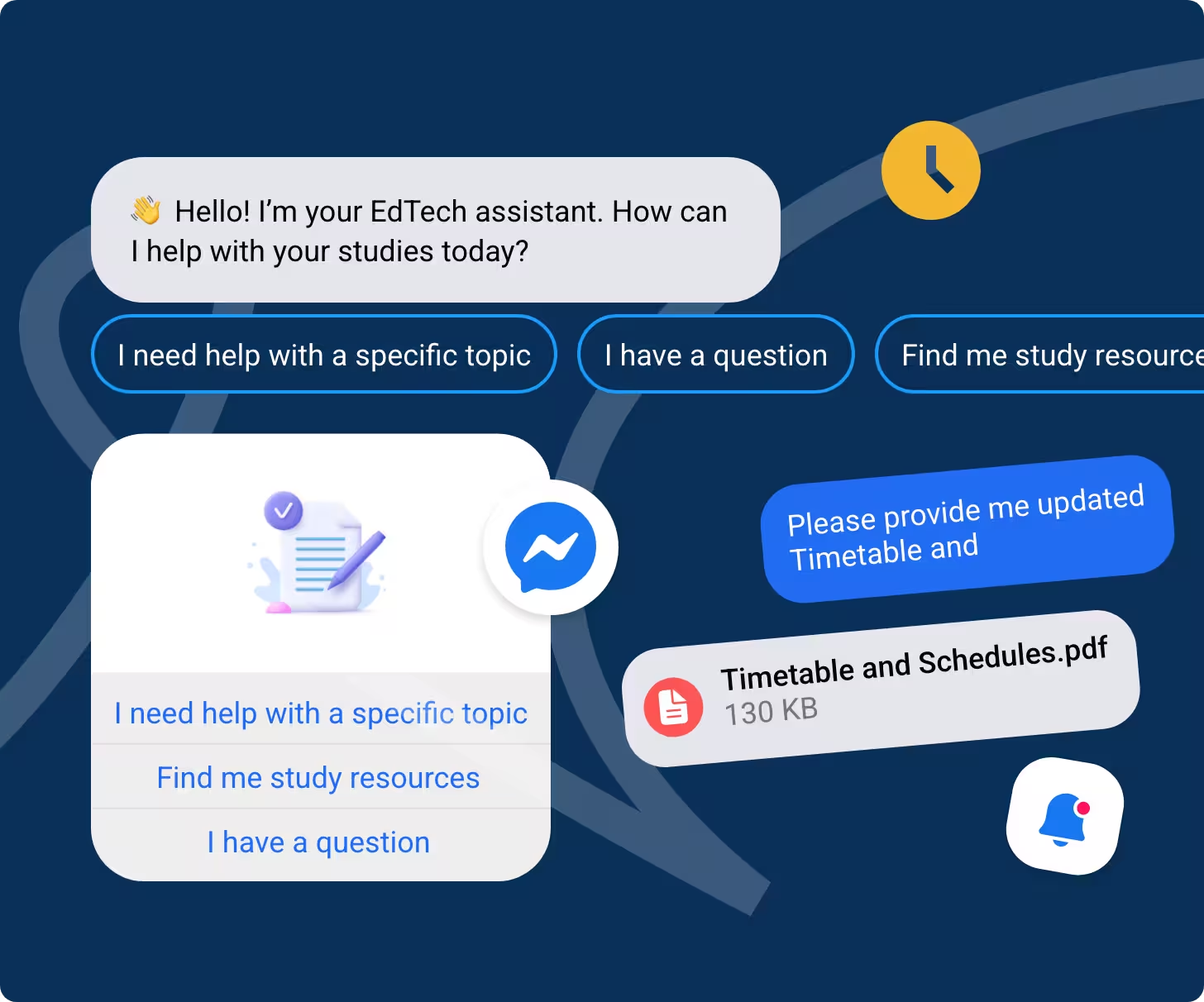
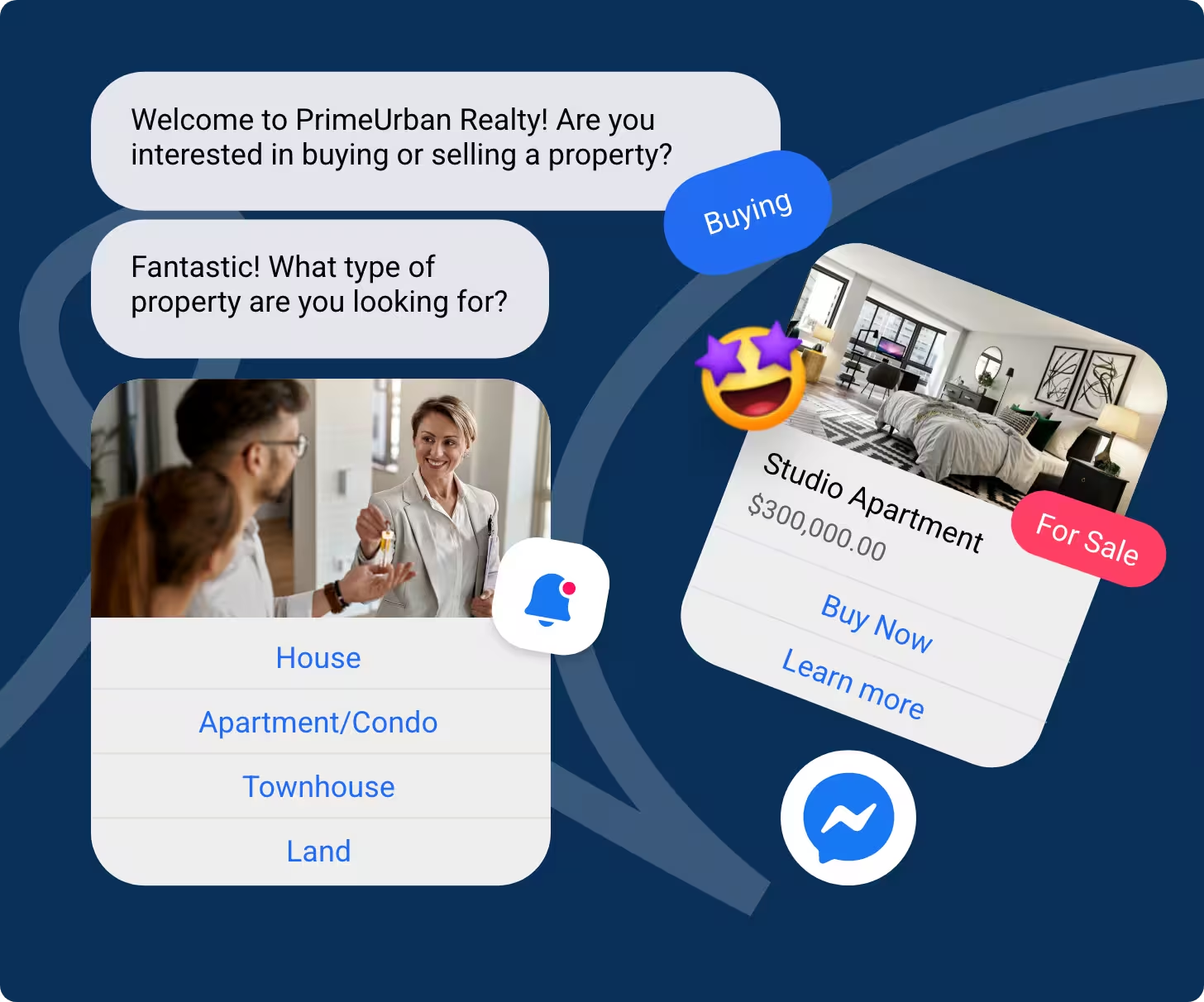
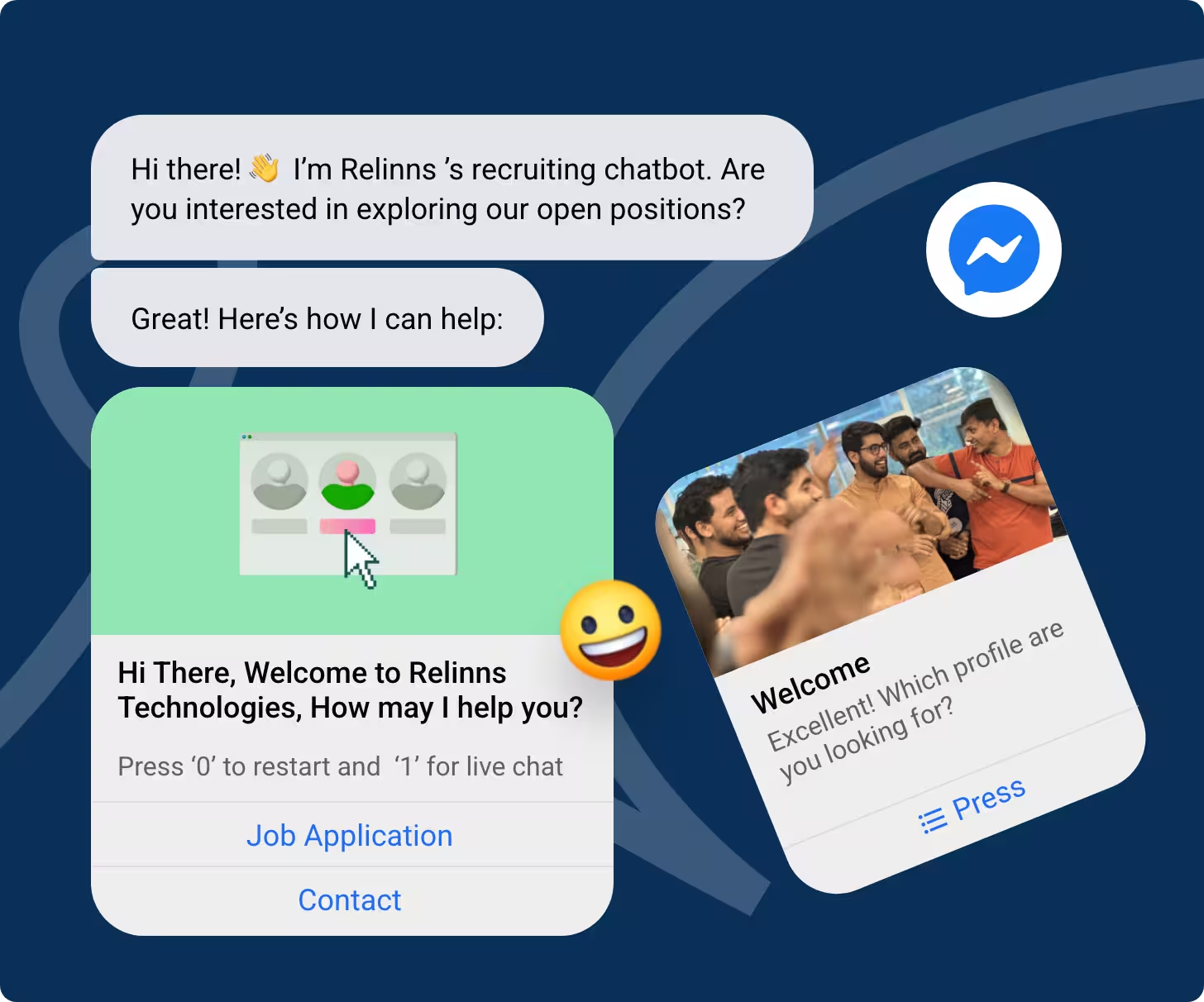
A Facebook chatbot is software that automatically talks to customers through Facebook Messenger. It helps businesses auto-reply to customers’ inquiries, record leads, and provide support to them.

At Facebook’s F8 developer conference, Meta reported that people and businesses were exchanging over 20 billion messages per month, across more than 40 million active businesses on Messenger.

The peak popularity of Messenger as a business channel is what pushed chatbots from a novelty into a necessity, since no support team could keep pace with that volume manually.

Rule-based vs AI-powered vs Hybrid: The Different Types of Facebook Chatbots

Rule-based chatbots follow predefined conversation flows, while AI-powered chatbots understand natural language. Choosing the right type depends on the conversations your business handles every day. 

Here’s a quick overview of the different kinds of Facebook chatbots:

Type

How It Works

Best For

Example

Rule-based

Follows set flows via buttons, menus, or keywords

FAQs, order tracking, appointment booking

Customer taps “Track My Order” for shipping status

AI-powered

Understands intent, responds naturally to varied phrasing

Product recommendations, support, sales inquiries

Customer asks “Best plan for a team of 20?” and gets a tailored answer

Hybrid

Structured flows for routine tasks, AI for open-ended ones

Businesses handling both recurring and complex queries

Guided demo booking, then AI handles follow-up questions

Regardless of the type you choose, a Facebook chatbot is only one part of Facebook automation

It’s also important to understand how it differs from Facebook Page automation and Facebook Ads automation, as each serves a distinct purpose.

Facebook Chatbot vs Other Facebook Automation Tools

People often mistake the three (chatbot, page automation, and ads automation) for one another, but each one automates a different part of the customer journey. 

Here’s how they actually differ.

Facebook Chatbot

1

Built for Conversations: Interacts with customers on Messenger, answers questions, and qualifies leads in real time

2

Drives Full Journeys: Books appointments, recommends products, and can hand off to a human agent when needed

3

Goal: Keeps the conversation moving until the customer completes an action

Facebook Page Automation

1

Built-in and Predefined: Facebook’s native feature for greeting messages, instant replies, and away messages

2

Good for Acknowledgment, Not Conversation: Works well to confirm receipt, but can't handle dynamic back-and-forth

3

Goal: Lets customers know you've seen their message, nothing more

Facebook Ads Automation

1

Built for Advertising, Not Chatting: Automates audience targeting, budgeting, bidding, and campaign optimization

2

Operates Upstream of Conversations: Doesn’t talk to customers directly; it gets your business in front of them.

3

Goal: Drives discovery and traffic, not conversions inside a conversation

In Short: Facebook Ads automation gets people to notice you, Page automation gives them a quick acknowledgment, and a Facebook chatbot is what actually carries the conversation to a sale.

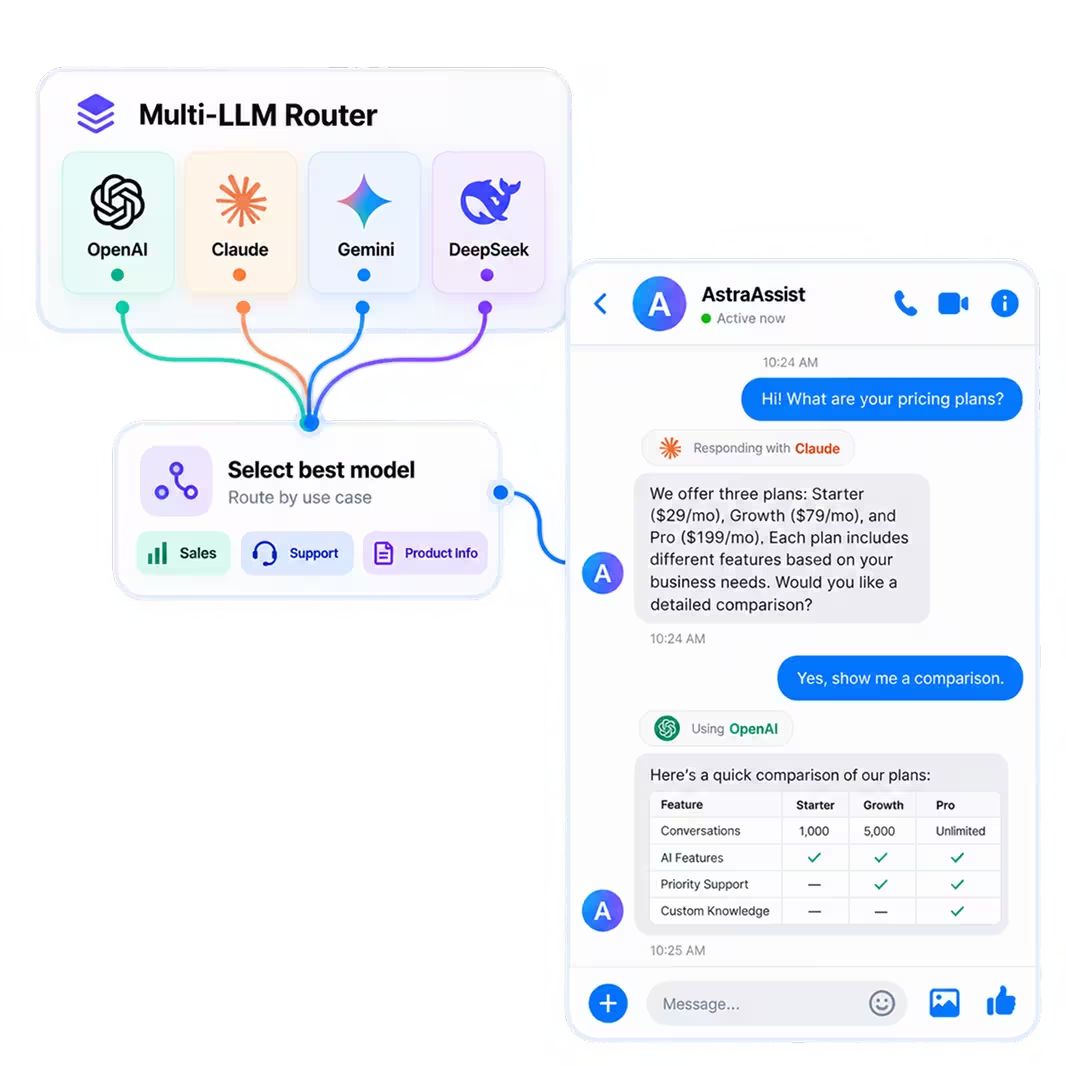
Most modern platforms combine rule-based workflows with AI to deliver the best of both worlds. For example, BotPenguin lets businesses build hybrid Facebook chatbots that answer FAQs, qualify leads, automate support, and easily hand conversations over to live agents when needed.

Build Your Facebook Chatbot with BotPenguin Today

Why a Facebook Chatbot Matters for Your Business

Messenger has become one of the first places customers reach out, but keeping up with every conversation is easier said than done. 

Here’s how a Facebook chatbot helps businesses remove everyday roadblocks:

  • Customers Move On When Questions Go Unanswered: A chatbot keeps conversations going instead of leaving people waiting.
     
  • Teams Spend Too Much Time on Routine Queries: Common questions about pricing, availability, or bookings can be handled without constant staff involvement.
     
  • Promising Leads Don't Always Reach Sales:  A chatbot gathers key details and directs prospects to the right person before interest fades.
     
  • Support Quality Varies as Conversation Volume Grows: Every customer receives the same accurate information, regardless of when they get in touch.
     
  • Growing Businesses Struggle to Keep Up: A chatbot lets you handle more customer conversations without continually expanding your team.
     
  • Business Tools Often Work in Silos: A chatbot can connect Messenger with your CRM, booking system, or help desk, so information flows where it’s needed.

Ultimately, a Facebook chatbot doesn't just answer messages; it helps businesses stay organized, responsive, and ready for every customer conversation.

How a Facebook AI Chatbot Works: A Step-by-Step Overview 

Whether it’s rule-based or AI-powered, every AI Facebook chatbot conversation moves through these four steps:

1. A Customer Starts the Conversation

A customer messages your Page via Messenger, a Send Message ad, a post reply, or a QR code. 

This message triggers a webhook, alerting the chatbot that a new conversation has begun.

2. The Chatbot Understands the Request 

Rule-based bots match keywords to predefined flows. 

AI-powered bots use NLP and NLU to detect intent and extract entities, understanding requests even when phrased differently.

3. It Responds or Escalates 

The chatbot replies, asks follow-up questions, or collects details through the Messenger Platform API. 

Complex queries get routed to a live agent, with conversation context carried over. 

Meta also enforces a 24-hour messaging window for standard replies, so timing matters here too.

4. It Takes Action 

Through API integrations, the chatbot books appointments, captures leads, updates your CRM, or triggers backend workflows, closing the loop without manual input.

The Result: Faster responses, less manual work, and a smoother customer experience.

Pro tip: Every customer who messages your Page gets a unique Page-Scoped ID (PSID). This is how your chatbot tracks context across a conversation without needing the customer's personal Facebook data.

Together, these steps turn Messenger conversations into structured, trackable workflows that guide customers from first message to completed action.

Facebook Chatbot Use Cases for Businesses

A Facebook chatbot shows up at nearly every stage of the customer journey, doing a different job each time. 

Here's a quick map before we go deeper into each one:

Customer Journey Stage

Use Case

Impact

Awareness → Interest

Lead Generation

Qualifies visitors into sales-ready leads without a form

Consideration

Customer Support

Cuts response time from hours to seconds

Decision

E-commerce Assistance, Insurance Lead Capture, or Patient Inquiry Handling

Moves prospects toward a purchase or booking with zero wait time

Retention

Appointment & Booking Reminders

Reduces no-shows and repeat manual follow-ups

Turning Messenger Visitors Into Qualified Leads

A chatbot can ask the right questions the moment someone lands on your Facebook Page, capturing intent before a human ever gets involved. 

It scores and routes leads automatically based on their answers, so your sales team only spends time on prospects worth chasing. 

Handling Support Requests Around the Clock

Customers expect an answer within minutes, not business hours. 

The chatbot delivers that by resolving routine queries, order issues, and account queries immediately.

Anything too complex gets escalated to a live agent with full conversation context intact, so nothing gets repeated. 

Driving Sales Through Conversational Commerce

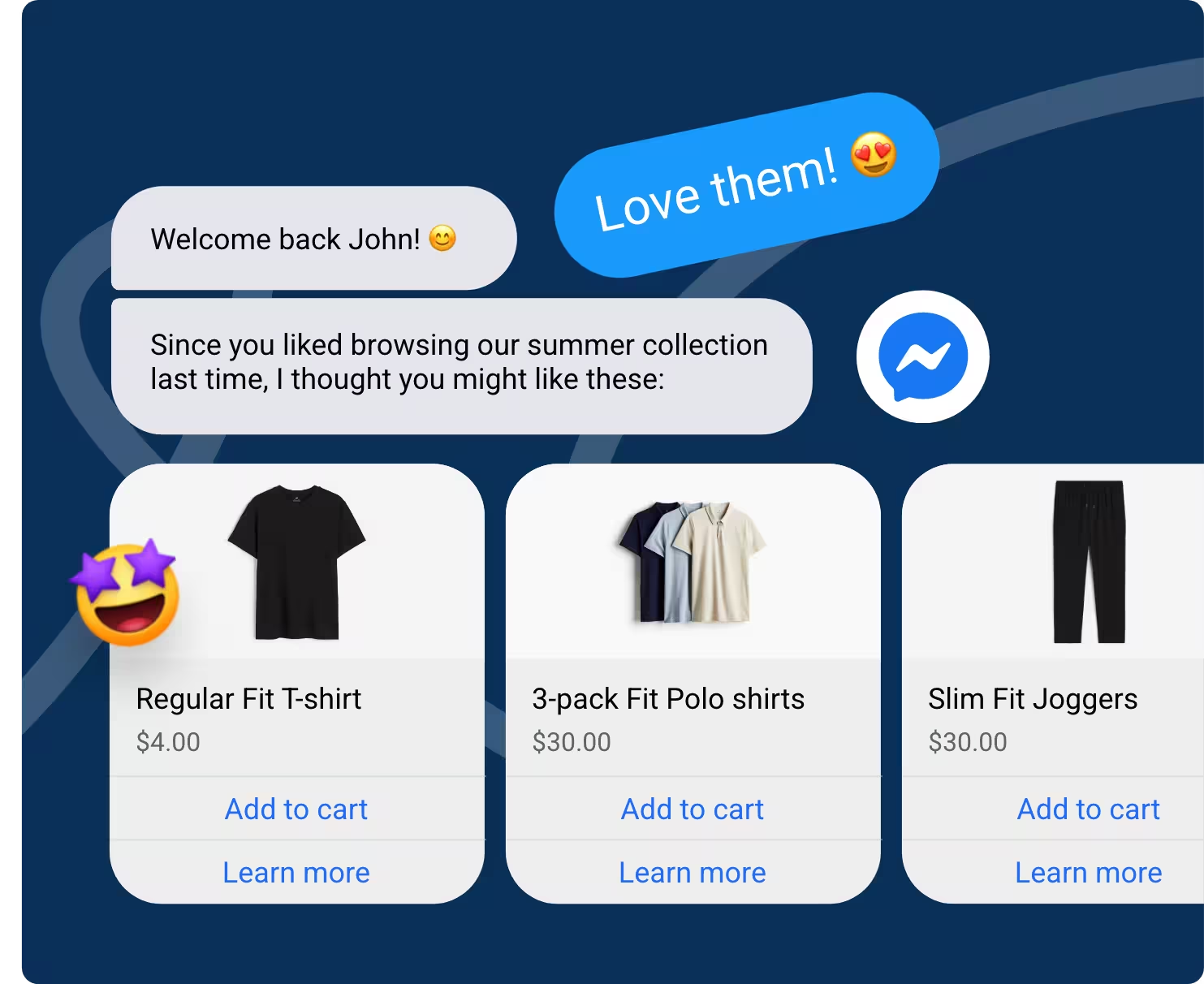
A chatbot can showcase products, answer pricing questions, and nudge shoppers past cart abandonment, all inside the same chat window they're already using. 

It works especially well for catalog-heavy businesses where customers want quick answers before they buy. 

Qualifying Prospects for Insurance Agents

Insurance sales depend on speed and relevance, and a chatbot can pre-qualify prospects by policy type, coverage needs, and budget before an agent steps in. 

This means agents spend their time closing rather than chasing unqualified leads. 

Read more on how insurance agents use Facebook chatbots for more leads.

Supporting Patient Queries for Healthcare Practices

Front-desk staff at clinics and practices field the same questions repeatedly: hours, insurance, appointment availability. 

A chatbot handles these FAQs on-the-spot, freeing staff for in-person patient care. 

Wondering whether it’s worth the investment for your practice? We break it down here.

Minimizing No-Shows With Automated Reminders

Beyond first-touch conversations, a chatbot can send appointment confirmations, reminders, and rescheduling options without a staff member lifting a finger. 

This is particularly valuable for service-based businesses like salons, clinics, and consultancies where no-shows directly hurt revenue.

These are just a few of the ways businesses use Facebook chatbots today. 

The next step is understanding the tangible benefits they deliver, and whether those benefits justify the investment for your business.

What a Facebook Chatbot Does for Your Business: Exploring the Benefits 

Facebook chatbot for business improves how conversations move, how teams handle demand, and how easily customer interest turns into action.

Here’s a breakdown of the top advantages that teams get with Facebook chatbots:

  • Shorter Wait Times: Customers get timely answers instead of waiting for someone to open Messenger. Quicker responses keep interest alive and lower the chance of losing high-intent prospects.
     
  • More Chats, Same Team: One chatbot can handle many conversations at once. Sales and support teams can manage rising message volume without adding people for every increase in demand.
     
  • Lower Support Spend: Order updates, business hours, appointment details, and policy questions can be handled through predefined flows. Agents can focus on requests that need judgment or personal attention.
     
  • Cleaner Lead Capture: A Facebook chatbot can ask relevant questions, collect contact details, and identify intent. Sales teams receive organized lead information instead of sorting through scattered message threads.
     
  • Stronger Conversion Paths: The chatbot can recommend products, share useful links, book appointments, or guide users toward checkout. Each exchange gives the customer a clear next step.
     
  • Smoother Agent Handoffs: When a person needs to step in, the chatbot can pass along the conversation history and collected details. Customers can continue without repeating everything.

Together, these outcomes make Messenger a more responsive, scalable channel for turning customer conversations into useful business actions.

How to Build a Facebook Page Chatbot: Inside the Chatbot Workflow

Building a Facebook chatbot today does not require a developer. Most no-code platforms let you connect your Page, design conversation flows, and go live within a few hours.

Here’s a quick snapshot of how the process looks in practice:

No.

Step

What Happens

1

Connect Your Page

Link your Facebook Page to a chatbot builder.

2

Design the Flow

Map out greetings, FAQs, and lead capture questions.

3

Add AI or Rules

Choose keyword-based flows, AI-driven responses, or both.

4

Test the Bot

Run sample conversations before going live.

5

Launch and Monitor

Publish the bot and track performance over time.

Each step builds on the last, so a clear workflow matters more than trying to create every possible conversation at once.

Points Worth Remembering:

  • No coding skills are needed for most modern builders.
  • Start with your highest-volume customer questions, not every possible scenario.
  • Test with real conversation patterns before launch, not just happy-path scripts.

Want to build your no-code Facebook chatbot? See the full step-by-step guide.

How to Choose a Facebook Chatbot Platform: Key Features to Look For

The best Facebook chatbot platform should match your business goals, support the way your team works, and adapt as your customer conversations become more complex.

Before making a decision, focus on the capabilities that will have the biggest impact on your day-to-day operations:

  • Official Meta Integration: Choose a platform that works with the Meta Messenger API to ensure reliable messaging, access to the latest features, and compliance with Meta's policies.
     
  • AI-Powered Conversations with an Easy Builder: Look for a platform that understands natural language while also letting your team create and update chatbot flows without writing code.
     
  • Integrations with Your Business Tools: Your chatbot should connect with your CRM, help desk, booking software, payment tools, and other systems to keep customer data in sync.
     
  • Live Agent Handoff: Some conversations require human assistance. The platform should let agents step in seamlessly without losing the conversation history.
     
  • Analytics and Reporting: Conversation insights, lead quality, and user behavior help you measure performance and continuously improve your chatbot.
     
  • Transparent Pricing: Make sure you understand what's included in each plan, including AI features, integrations, messaging limits, and any additional charges.

The right Facebook chatbot platform isn't necessarily the one with the most features but the one that supports your business today and continues to meet your needs as they evolve. 

Want to explore your options? Compare the top Facebook chatbot platforms

Challenges and Limitations of Facebook Chatbots (And How to Overcome Them)

While Facebook chatbots can handle a wide range of customer interactions, they also have limitations. 

Understanding them upfront helps you build a better customer experience:

Complex Conversations Still Need Human Support

Chatbots can answer common questions and follow structured workflows, but they may struggle with emotional situations, unique requests, or issues that require judgment.

Among customers reporting negative chatbot experiences, 45% pointed to the bot lacking the knowledge to solve their problem, per G2 research.

How to Overcome It: Build clear escalation paths so customers can reach a live agent whenever the chatbot can't resolve the issue.

Meta’s Messenger Policies Can Change

Meta regularly updates Messenger features, messaging rules, and platform requirements. These changes can affect how your chatbot communicates with customers.

  • How to Overcome It: Choose a platform that actively maintains Meta compatibility and review Messenger policy updates before making major workflow changes.

Limited Customer Information Can Affect Conversations

A chatbot is only as helpful as the information it has. Without access to your CRM, booking system, or product data, responses may be incomplete or generic.

  • How to Overcome It: Connect your chatbot with the business tools it relies on so conversations are based on accurate, up-to-date information.

One Conversation Doesn't Fit Every Customer

Customers ask the same question in different ways. Rigid conversation flows can leave people stuck when their query doesn't match the expected path.

  • How to Overcome It: Combine guided conversation flows with AI that understands natural language, and regularly refine the chatbot using real customer conversations.

Too Much Automation Can Feel Impersonal

Customers appreciate convenience, but they also expect empathy when dealing with sensitive issues or high-value purchases. A chatbot shouldn't replace human relationships.

  • How to Overcome It: Use chatbots for repetitive tasks and routine questions, then hand important or sensitive conversations to your team at the right moment.

The key isn’t to automate every conversation; it's to automate the right ones. A well-designed Facebook chatbot knows when to answer, when to ask, and when to bring in a human.

This is where the right platform makes a difference. BotPenguin helps businesses build Facebook chatbots that know when to answer, when to collect information, and when to frictionlessly hand the conversation over to a human agent.

Design Customer-first Facebook Chatbots with BotPenguin Today

Metrics to Evaluate a Facebook Chatbot

Launching a Facebook chatbot is only the first step. Tracking the right metrics helps you understand whether it's creating value for your business or simply adding another touchpoint. 

Start with these key performance indicators:

Metric

What It Measures

Benchmark

What Poor Looks Like

Response Rate

% of incoming Messenger messages the chatbot responds to

85%-95%

Below 70%: Too many unanswered chats

Conversation Completion Rate

% of conversations reaching a defined end point

60%-80%

Users abandon conversations midway

Conversation-to-Lead Rate

% of conversations resulting in a captured contact or qualified lead

15%-35%

Below 10%: Weak lead conversion

Resolution Rate

% of support conversations resolved without human handoff

50%-70%

Most queries require human support.

CSAT (chatbot-specific)

Customer satisfaction score for chatbot interactions

4.0 / 5.0+

Customers report a poor experience.

These metrics reveal whether your Facebook chatbot is resolving requests, capturing intent, and guiding conversations toward a useful outcome.

Closing Thoughts

A Facebook chatbot is more than a messaging tool. It helps businesses manage conversations, support customers, capture leads, and create better experiences without adding unnecessary complexity. 

The key is choosing the right platform, building thoughtful conversation flows, and reviewing performance regularly. 

Start with one or two high-impact use cases, improve them over time, and expand as your needs grow. 

Whether you're exploring Messenger automation for the first time or replacing an existing solution, understanding how Facebook chatbots work will help you make a smarter decision and build conversations that deliver real business value.

Frequently Asked Questions (FAQs)

What is a Facebook chatbot?

A Facebook chatbot is software that communicates with users through Facebook Messenger. It can answer questions, collect lead details, recommend products, book appointments, and route complex conversations to a human agent.

Is a Facebook chatbot the same as a Messenger bot?

Yes. A Facebook chatbot, Messenger bot, and Facebook Messenger chatbot usually describe the same type of tool: an automated system that manages conversations between a Facebook Page and its Messenger users.

Is a Facebook chatbot the same as Facebook Ads automation?

No. Facebook Ads automation manages campaign delivery, bidding, targeting, and budgets. A Facebook chatbot handles Messenger conversations after someone contacts a Page through an advertisement, post, QR code, or direct message.

Do you need coding knowledge to build a Facebook chatbot?

No. Most Facebook chatbot builders use visual flow editors, templates, and drag-and-drop tools. You can connect your Page, create replies, add lead questions, test conversations, and publish without writing code.

How much does a Facebook chatbot cost?

Facebook chatbot pricing ranges from free plans with limited features to paid plans based on conversations, contacts, channels, or advanced tools. The final cost depends on usage, integrations, and AI requirements.

Can I create a Facebook chatbot for free?

Yes. Many platforms offer a Facebook chatbot free plan or trial that lets you build basic Messenger workflows. As your business grows, you may need paid features such as AI responses, CRM integrations, analytics, and higher conversation limits.

What is the difference between a rule-based and an AI Facebook chatbot?

A rule-based chatbot follows predefined paths, keywords, and buttons. An AI Facebook chatbot interprets intent and generates flexible replies, while a hybrid bot combines structured flows with AI-powered conversation handling.

Can a Facebook chatbot transfer conversations to a human agent?

Yes. A Facebook chatbot can hand over complex, sensitive, or high-value conversations to a live agent. The agent can usually view the chat history and collected details before continuing the discussion.

Keep Reading, Keep Growing

Checkout our related blogs you will love.

No related blogs found.

Table of Contents

BotPenguin AI Chatbot maker
  • TL;DR
  • BotPenguin AI Chatbot maker
  • What is a Facebook Chatbot? A Simple Explanation
  • Why a Facebook Chatbot Matters for Your Business
  • BotPenguin AI Chatbot maker
  • How a Facebook AI Chatbot Works: A Step-by-Step Overview 
  • BotPenguin AI Chatbot maker
  • Facebook Chatbot Use Cases for Businesses
  • What a Facebook Chatbot Does for Your Business: Exploring the Benefits 
  • How to Build a Facebook Page Chatbot: Inside the Chatbot Workflow
  • How to Choose a Facebook Chatbot Platform: Key Features to Look For
  • BotPenguin AI Chatbot maker
  • Challenges and Limitations of Facebook Chatbots (And How to Overcome Them)
  • Metrics to Evaluate a Facebook Chatbot
  • Closing Thoughts
  • BotPenguin AI Chatbot maker
  • Frequently Asked Questions (FAQs)